Southern Living, rediscovered

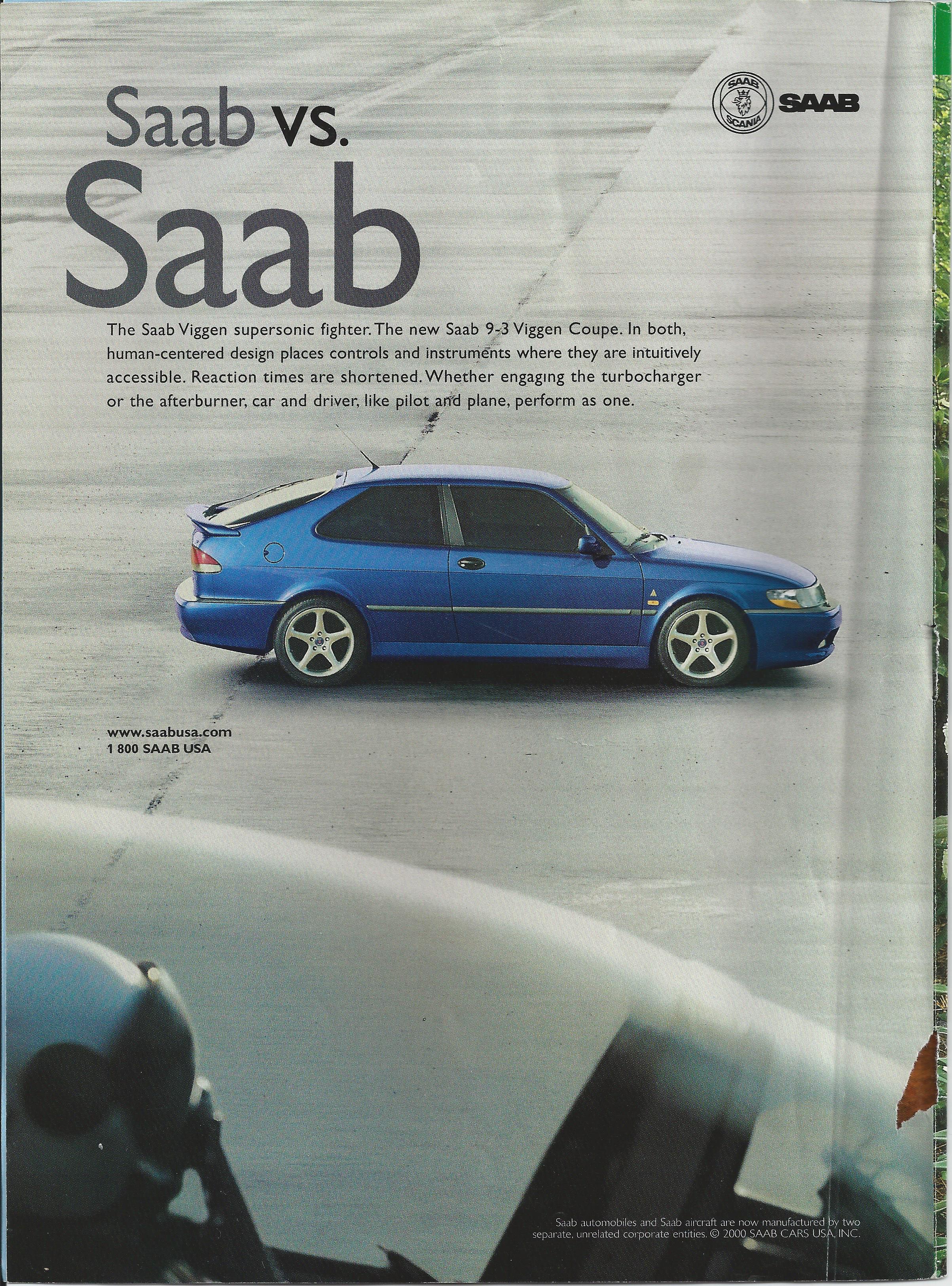
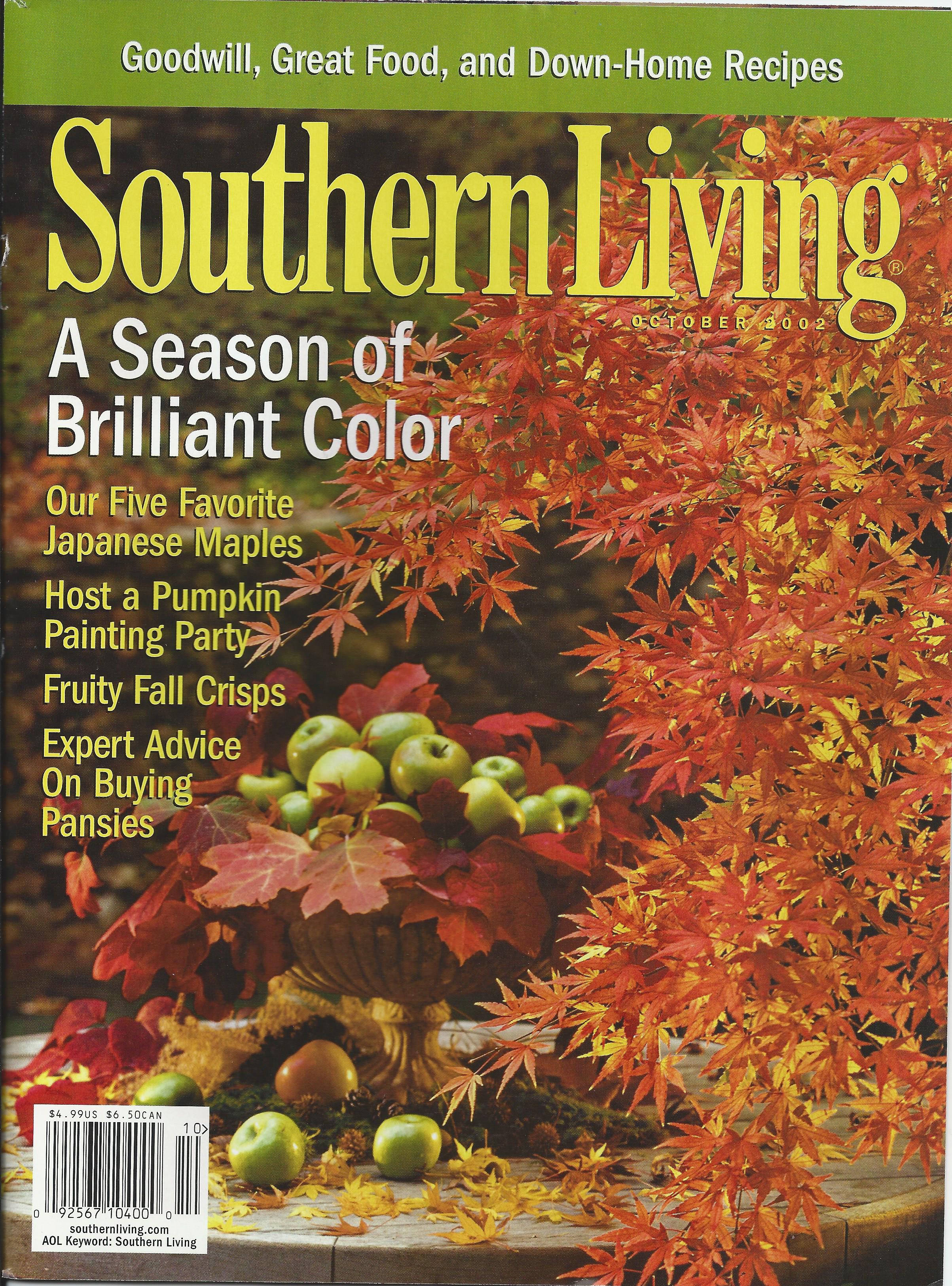
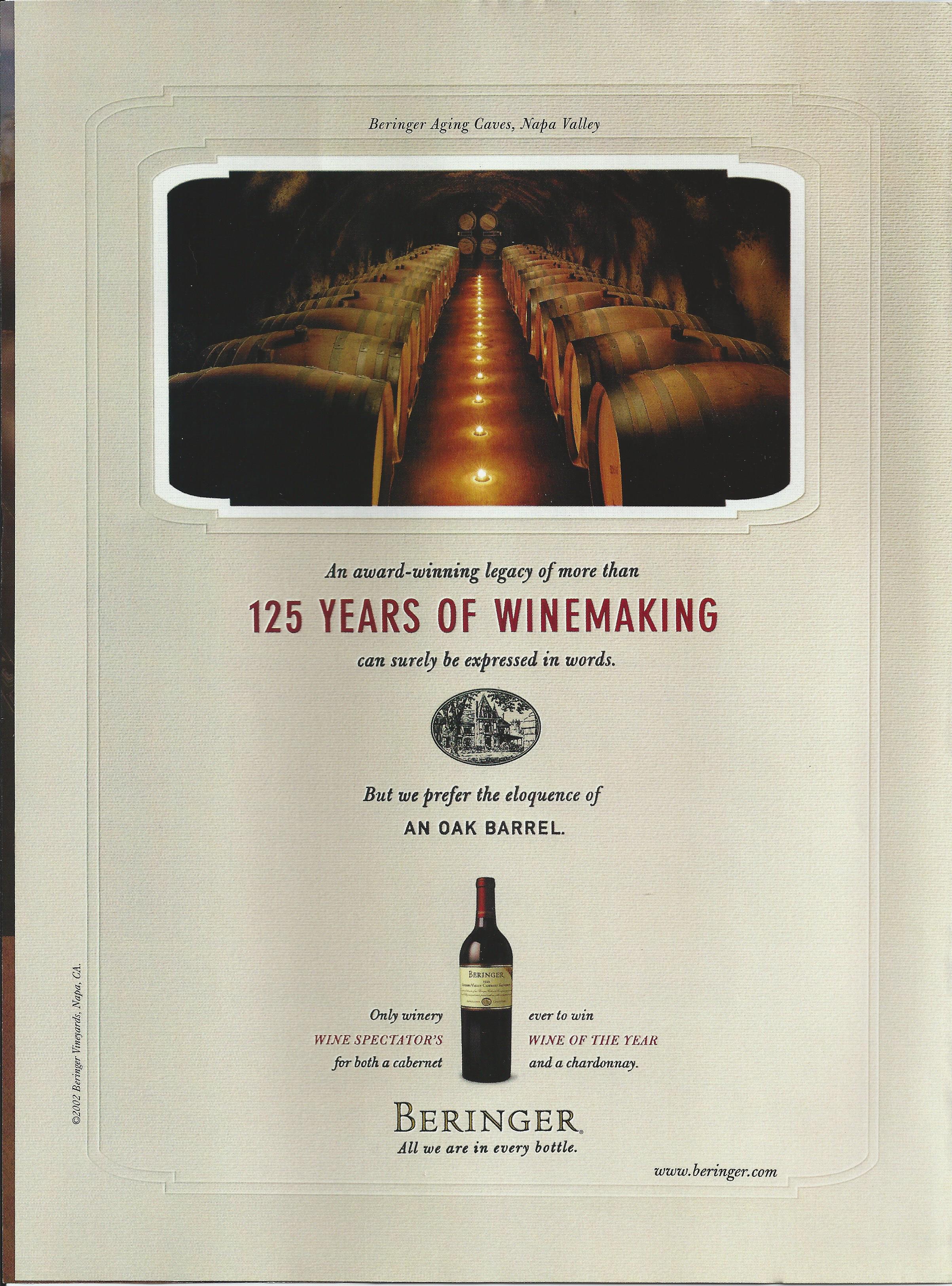
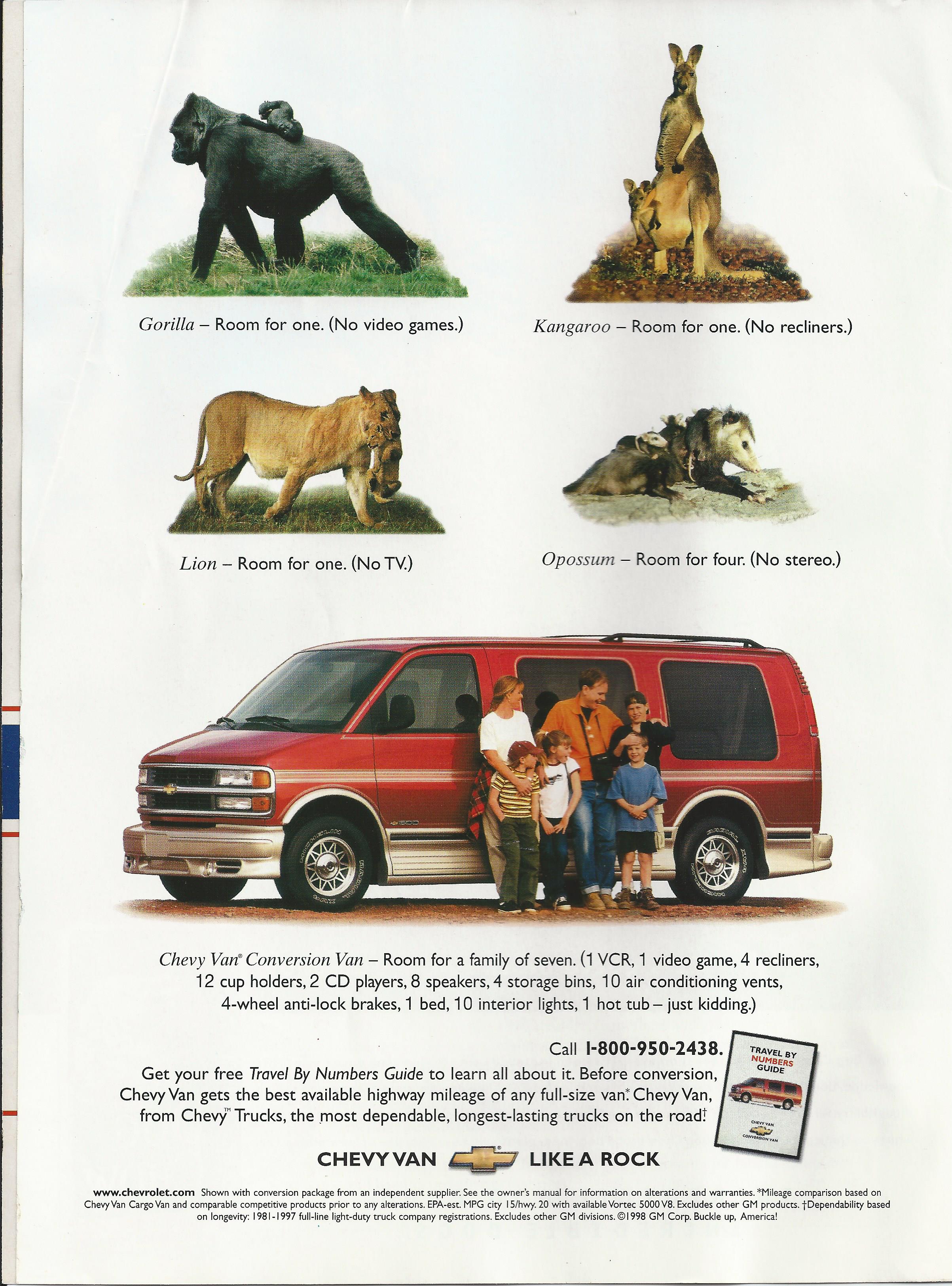
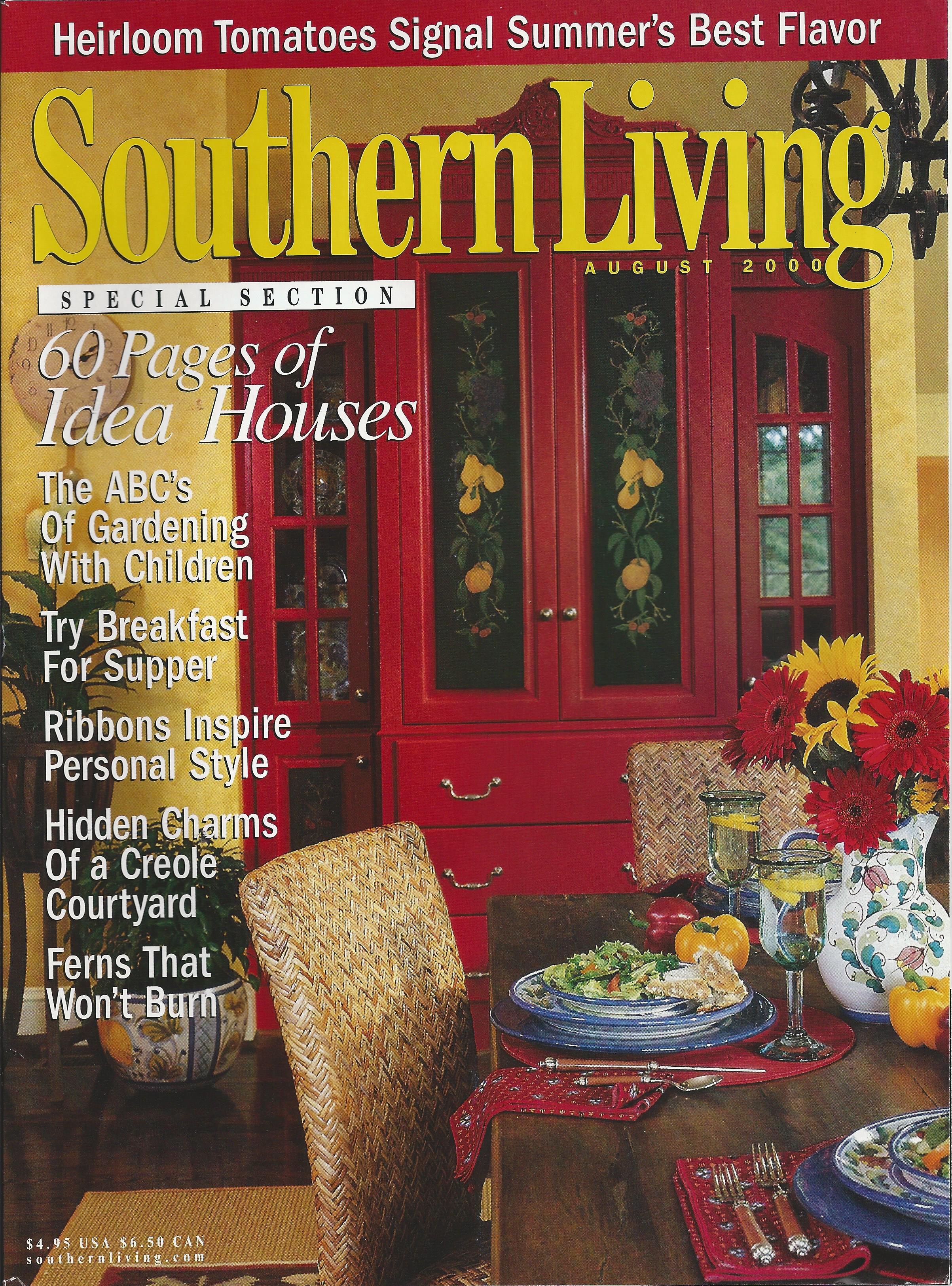
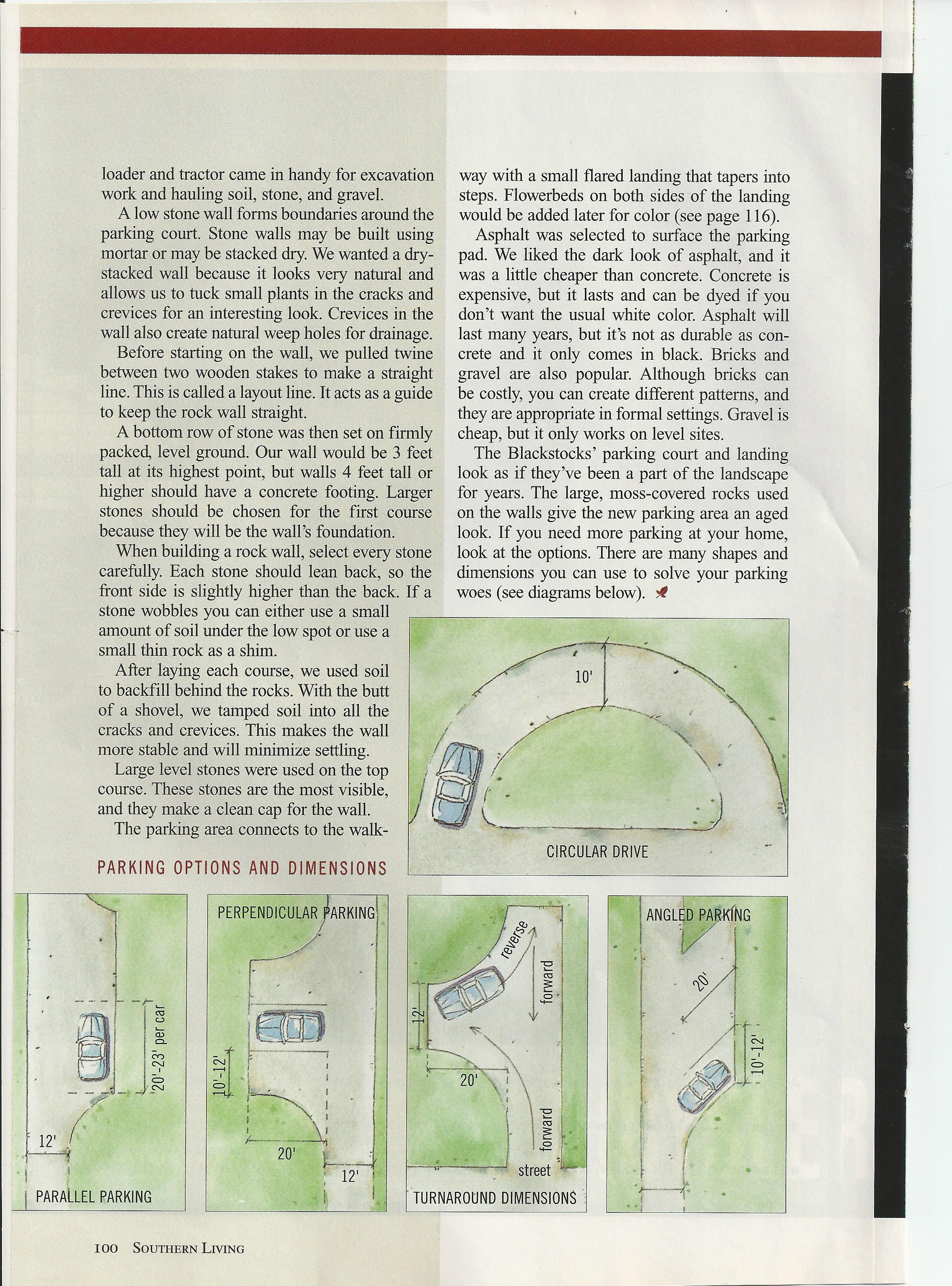
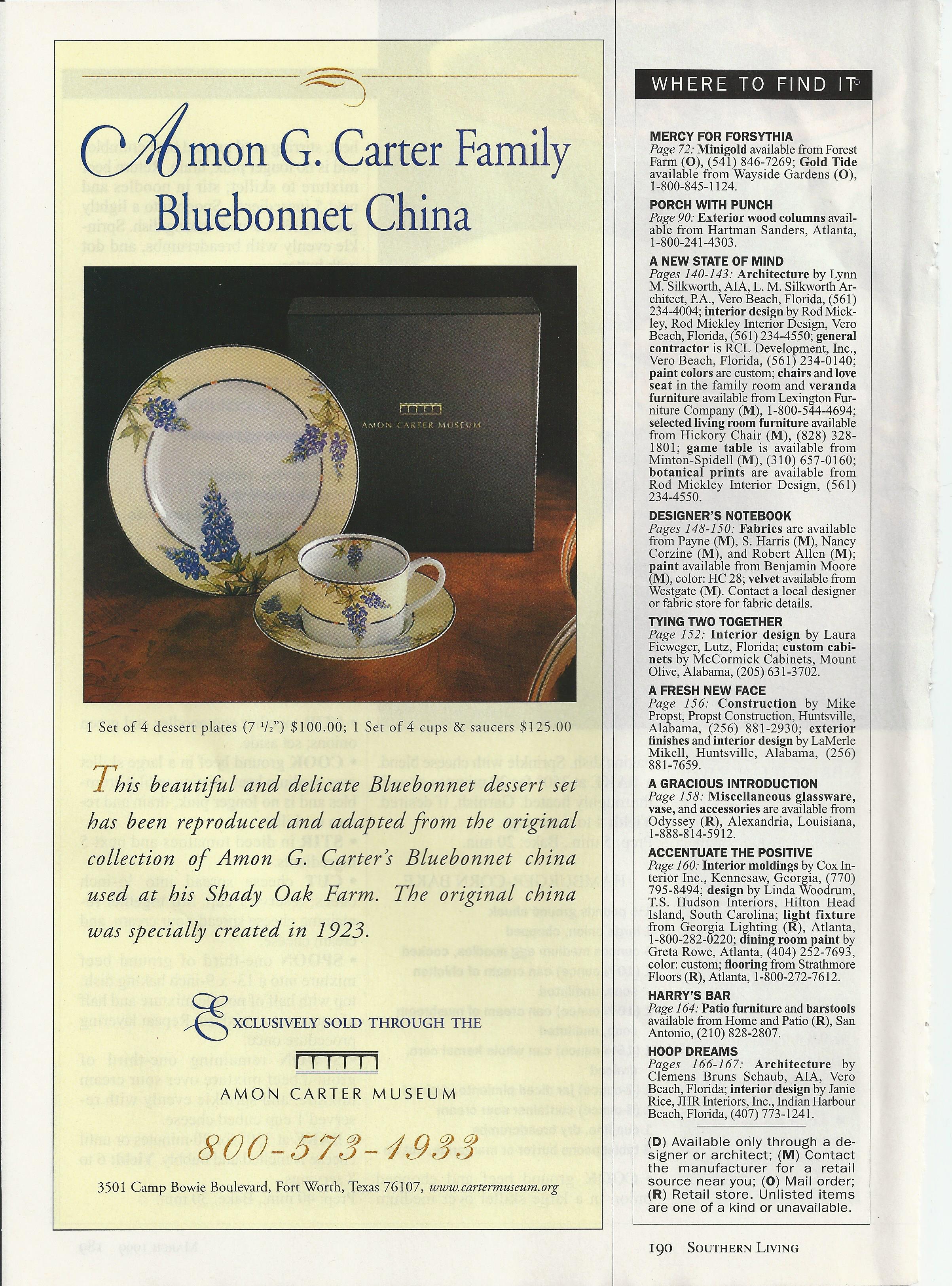
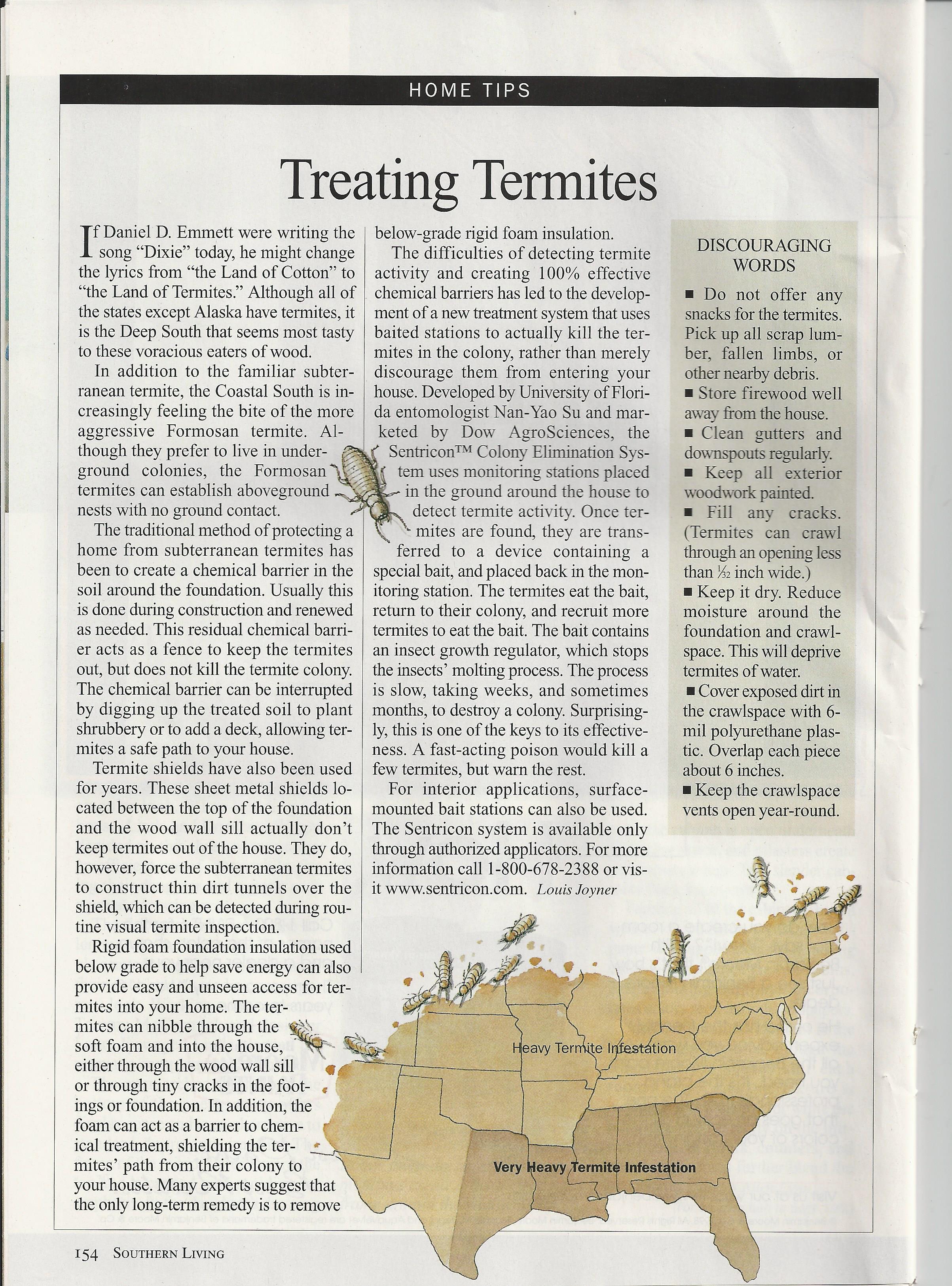
While excavating further into the bowels of the hoards of our house well-furnished with modern antiquities (sounds better than junk or trash), we found a box of Southern Living magazines from around the turn of the century.  Here are a few scanned samples for storing in our electronic pile of “historical documents”:

Southern-Living-001 Southern-Living-002 Southern-Living-003 Southern-Living-004 Southern-Living-005 Southern-Living-006 Southern-Living-007 Southern-Living-008 Southern-Living-009 Southern-Living-010 Southern-Living-011 Southern-Living-012 Southern-Living-013a Southern-Living-013b Southern-Living-013c Southern-Living-013d Southern-Living-014a Southern-Living-014b Southern-Living-014c Southern-Living-015 Southern-Living-022a Southern-Living-022b Southern-Living-023 Southern-Living-024 Southern-Living-025 Southern-Living-026 Southern-Living-027 Southern-Living-028


notes from an alumnus written on illuminated aluminum

Rachel Osby registered at Shelby Center, Room 301.

David kingsbury(?) opened UAH alumni lunch-&-learn lecture.

Dr. Lillian Joyce.

UAH dept of art and history moved into Wilson Hall.

Available degrees:

  • BA in Art (studio art or art history)
  • BFA in graphic design, painting and drawing, photography, printmaking and sculpture.


POMPEII

Archaeology. Bay of Naples — former Roman navy/shipping center, home of Pompeii and Mt. Vesuvius.

Vesuvius volcano report issued like weather reports because of active volcanic activity. 217 BCE last known eruption. 5 Feb 62 CE — major earthquake before devastating eruption in 79 CE. Many eruptions since.

The Pompeii ruins are getting worse due to tourist funding reallocation by the government.

Negative spaces that were once bodies in the volcanic ash were filled with plaster to show what the bodies looked like as they fell, before they deteriorated.

Dr. J worked out of one the large four level houses built on the city wall overlooking the Bay of Naples.

Popular art on Pompeian walls: Abandonment of Ariadne by Theseus, picked up by Dionysus.

All the Pompeian houses had relatively plain exterior walls – luxury was displayed on the inside, created by artisans specialising in plaster, mosaic, painting, sculpting, etc.

Pompeii covered with both informal and professional “graffiti” artwork — 98 percent were commissioned for political campaigns. Ex: “vote my candidate for aidae.”

Around 10000 people lived in Pompeii — about 2800 political campaign paintings on walls in town.

Women wore wigs to emulate fashionable hairstyles on statues.

Many fresco portraits in Pompeii were cut out and displayed in Naples museum.

Running water in rich people’s houses and public fountains for everyone else.

“Cave canem” – beware the dog. Warning at doorway entrances where dogs were chained to keep people out because rarely were locked doors used. Dogs, like people, suffocated of poisonous gas exposure before buried in ash.

In homes, there was a public receiving area for men to get visitors and be attended by women and slaves.

Pretty garden scenes painted and created in mosaics on walls.

[Advert: the Department of Art and Art History and the Archaeological Institute of America, North Alabama Society’s lecture The Mosaics of Zeugma on the Euphrates, January 28, 7:30 p.m., Wilson Hall Theatre (first floor 001); presented by Dr. Katherine Dunbabin, Professor Emerita, from McMaster University. The lecture is free and open to the public.]

Alexander the Great was popular subject for mosaic tilework.

Nouveau riche land speculators came in, such as former slaves, and built elaborate palaces in Pompeii, collecting objects such as marble/stone water basins like some nouveau riche collect cars or velvet Elvis paintings.

Houses were rooms for entertaining and hosting business get-togethers — invitation only to visit gardens in back of house.

The kitchen was not a public gathering place — used by slaves only.

No bathroom per se, either. Public latrines and baths usually.

Bath house water temp was regulated, heated from below. Some bath houses had libraries and shops.

Two theaters, one with a fixed roof and one with a retractable roof (seated 3100-3500)

Amphitheater offered gladiator fights and wild animal hunts. Had retractable roof / awnings (seated 15000).

Romans had fast food eateries on street corners. Dozens of them in Pompeii.
Standing room only.

UAH sponsors Dr. J’s summer research.

Frescos are falling apart with time – exposure, polishing by guards, etc.

Sent from my iPad

The Future is Calling But is It a Wrong Number?

Some books of my father wait to be catalogued and read, a few based on war and spying.

Is a civilisation a sign of its architecture or the other way around?

When we survey the megalopolises that attract people like moths to a flame, how does the data sort out?

The boxes and cubes,
the donuts and folds,
the windows and doors,
the ceilings and floors.

Their general purposes.

Our general intentions.

We tear down buildings that no longer profit us when the footprint is more valuable for deeper/taller skyscraping monoliths.

A few pyramids and burial mounds remain from the thousands that once existed.

We pour prehistoric plants and animals for roads between cities that grow like slime mold, tendrils stretching for miles and miles.

Roads that fade into history as the oases that feed civilisations die out and sprout dies.

Dies and molds,
Forms and shapes,
Injections and cuts,
Diaphanous and cold.

When two or more generations separate us from war, what will our descendants think about civilisations — their competition for primary cultural status in architecture, for instance?

Advice passed on by my father (posthumously)

From the local newspaper, Kingsport, TN Times-News, 31Oct2010. p. 2D:

It’s time for us to think like artists by Shelburne Ferguson

Most of us in Kingsport value the transformation of our downtown from decades of decline and decay to the vibrant revitalization that stretches across ever widening blocks of our center city. The work of hundreds of people has brought about this progress in a variety of ways.

Some residents may view the addition of public art to our city’s streetscapes as mere window dressing. I consider the presence of these expressions of talent as pivotal to leading Kingsport to become the city known for its collective imagination, innovation and creativity.

I will be as bold as to make a prediction. I forecast that our occasional brushing up against this public art along our sidewalks on a daily basis will eventually rub off on us to the end that some of us begin to think like artists.

Have you ever considered how artists think? Have you thought about how important creativity, innovation and imagination (which artists possess in abundance) are to the success of your business enterprises? Consider how important fostering innovation and creativity is in helping the United States stay competitive on the world markets.

I encourage you to consider how artists think. Then learn from the artists’ way of looking at our world. It’s time for all of us to start thinking like artists.

• Artists observe more closely the world around them than do most other people.

• Artists realize that great achievements often follow a long trail of mistakes.

• Artists see what the rest of us don’t see.

• Artists have long attention spans.

• Artists don’t fear taking risks and suffering   possible failures.

• Artists don’t give up easily.

• Artists look for the connections.

• Artists like challenges.

• Artists see what is not there.

• Artists arrange things in unique and fascinating ways.

• Artists don’t mind fantasy.

• Artists like combining things that never shared a canvas before.

• Artists don’t care if others think they’re weird.

• Artists find beauty in things the rest of us once thought were ugly.

• Artists take a chance doing things never done before.

• Artists see competition as a challenge not something to be feared.

• Artists combine old things in new ways.

• Artists see failure as merely an idea or concept that just didn’t work out.

• Artists get accustomed to being balanced precariously on the cutting edge.

• Artists often don’t take the same direction in getting to the same point.

• Artists don’t mind working hard.

• Artists are often colorful people.

• Artists let their work speak for itself.

• Artists don’t mind sharing the spotlight with the Creator and the Created.

• Artists are more analytical than you think.

• Artists have to let out their creative energy or it will dissipate.

• Artists have an irresistible urge to express themselves.

• Artists are usually a step ahead of the rest and are off the road most traveled.

• Artists seek to look over the horizon.

I’m pleased that our city understands how important public art is to developing not only an appreciation for art but an appreciation for what art on the street corner can do to encourage us to start thinking like artists. What are you thinking about today? Visit Broad Street and its environs and be motivated to think like an artist.

Mr. Ferguson is an attorney, businessman, and management consultant in Kingsport (and a friend of my parents). His e-mail address is  shelburne@ferguson-lawoffice.com.


Earthquake, cyclone, fire or flood

Fire and Ice

Some say the world will end in fire,
Some say in ice.
From what I’ve tasted of desire
I hold with those who favor fire.
But if it had to perish twice,
I think I know enough of hate
To say that for destruction ice
Is also great
And would suffice.

Robert Frost
=========================

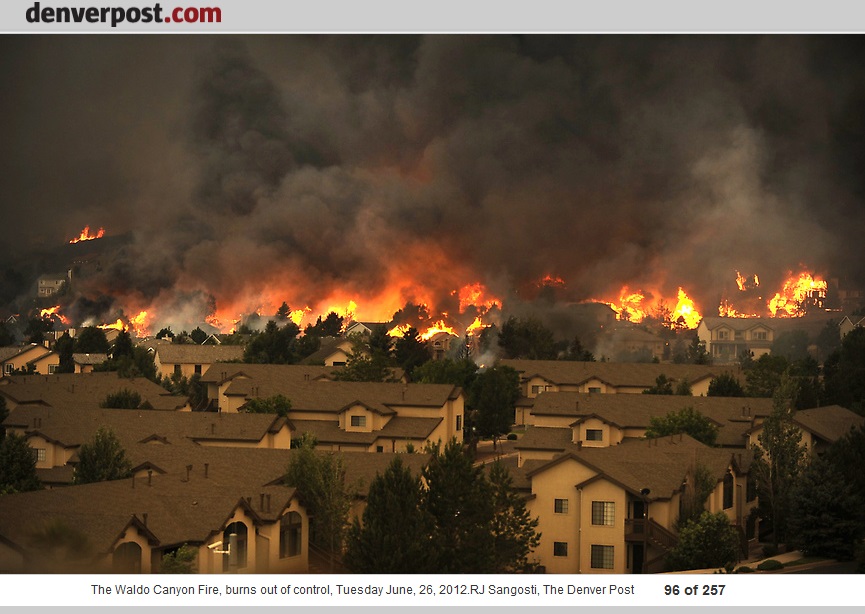
Look at some of these pictures and decide for yourself (from: http://photos.denverpost.com/mediacenter/2012/06/photos-waldo-canyon-fire-near-garden-of-the-gods/38318/)

  •  click for full size:

My thoughts and prayers go the families whose homes are gone — although we can replace houses and their possessions, the loss of objects to which we’ve attached precious memories is often just as heartbreaking as the loss of someone close to us.