Ever wondered how to survive on the road from new employee on the bottom of the totem pole to top dog leading the sled?
Well, these book titles may point you in the right direction:




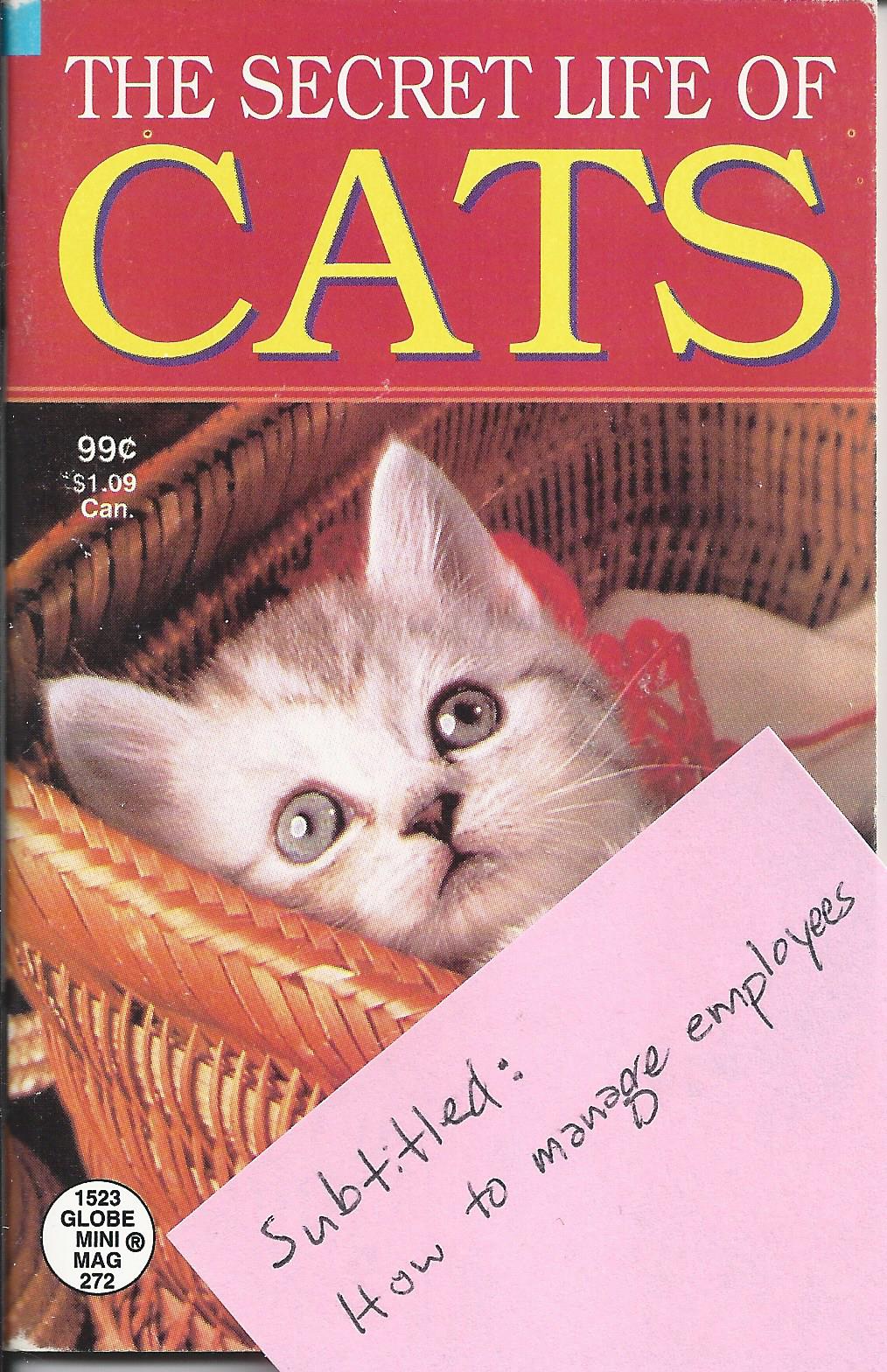


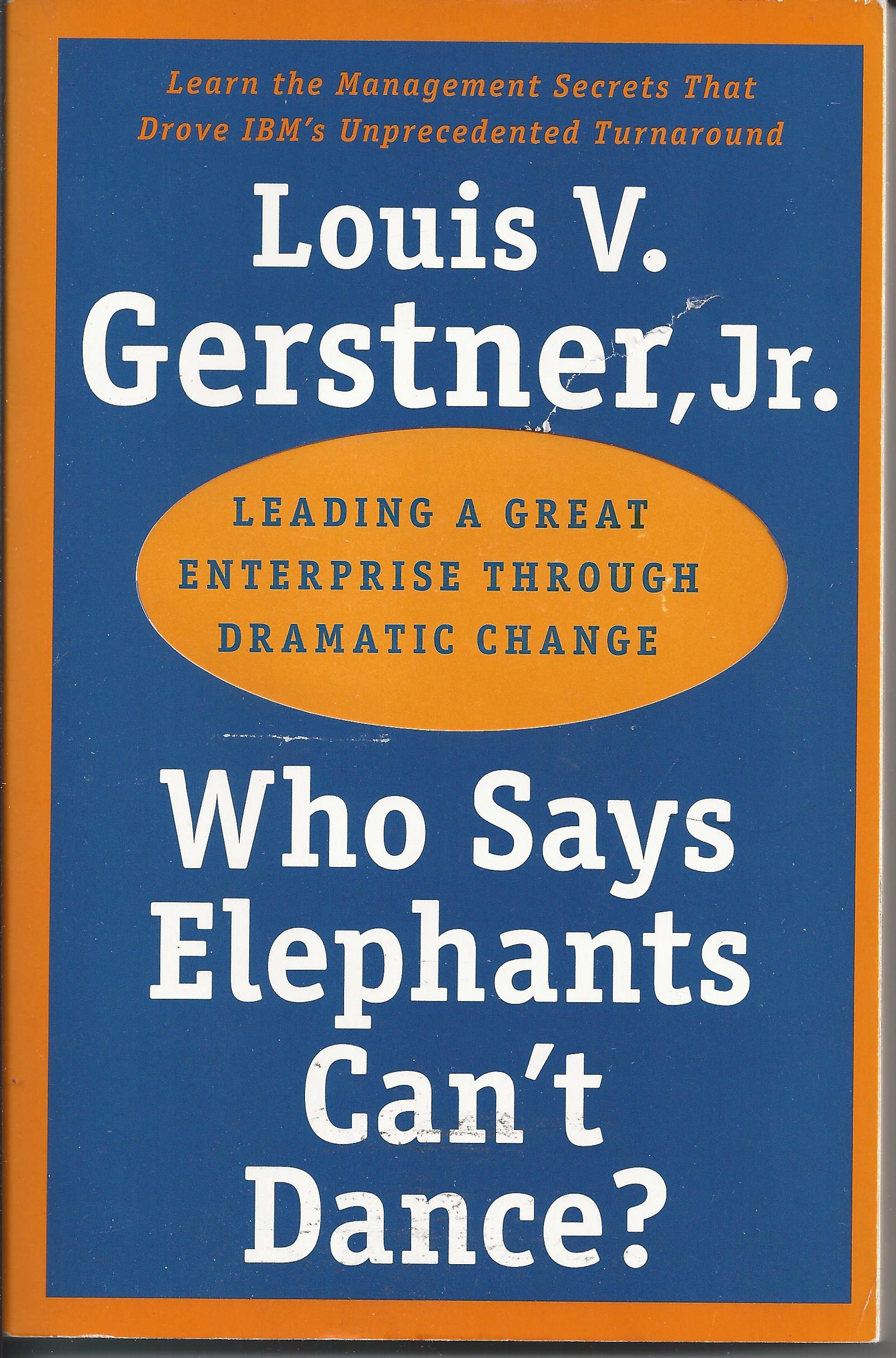

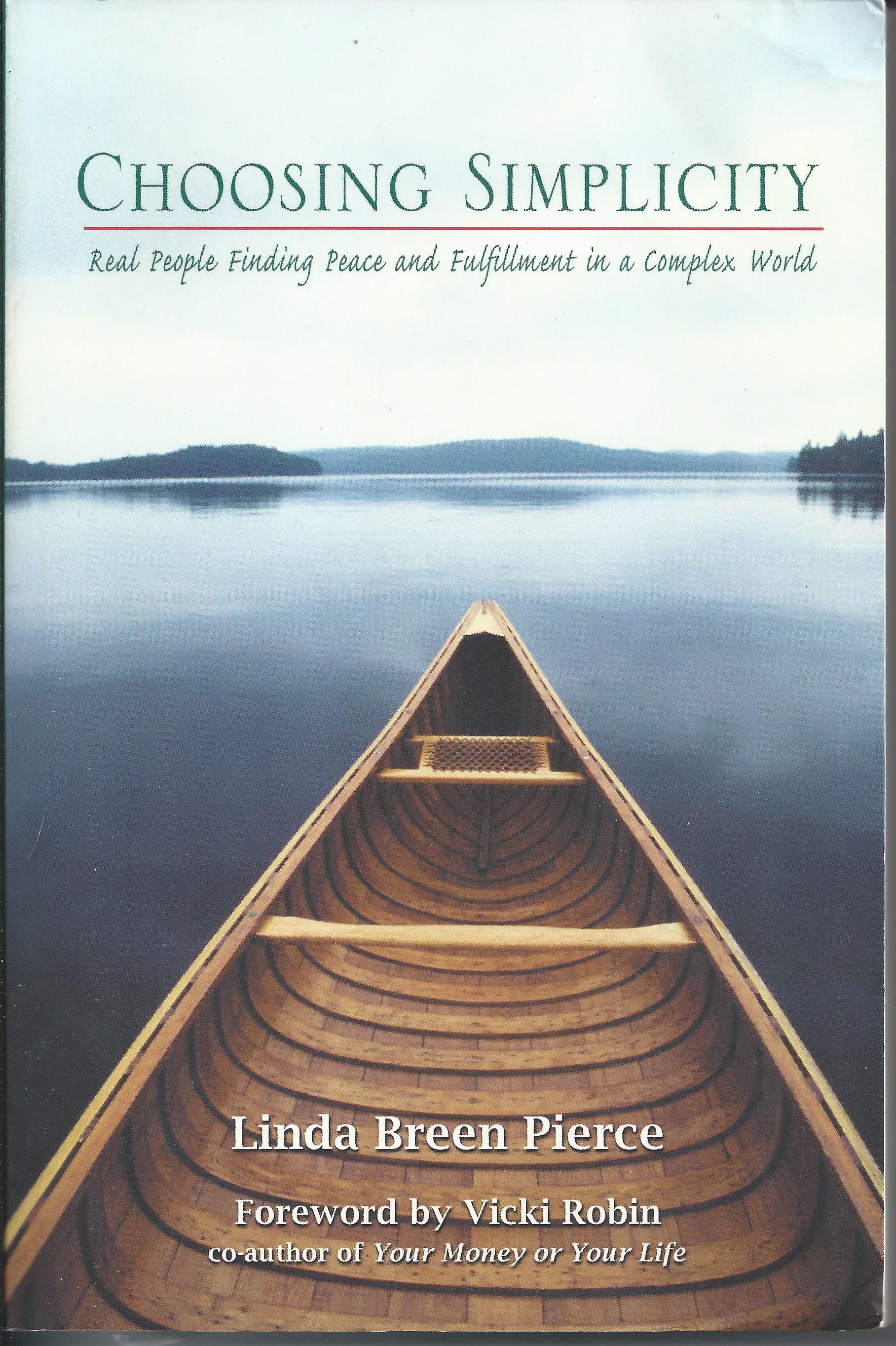


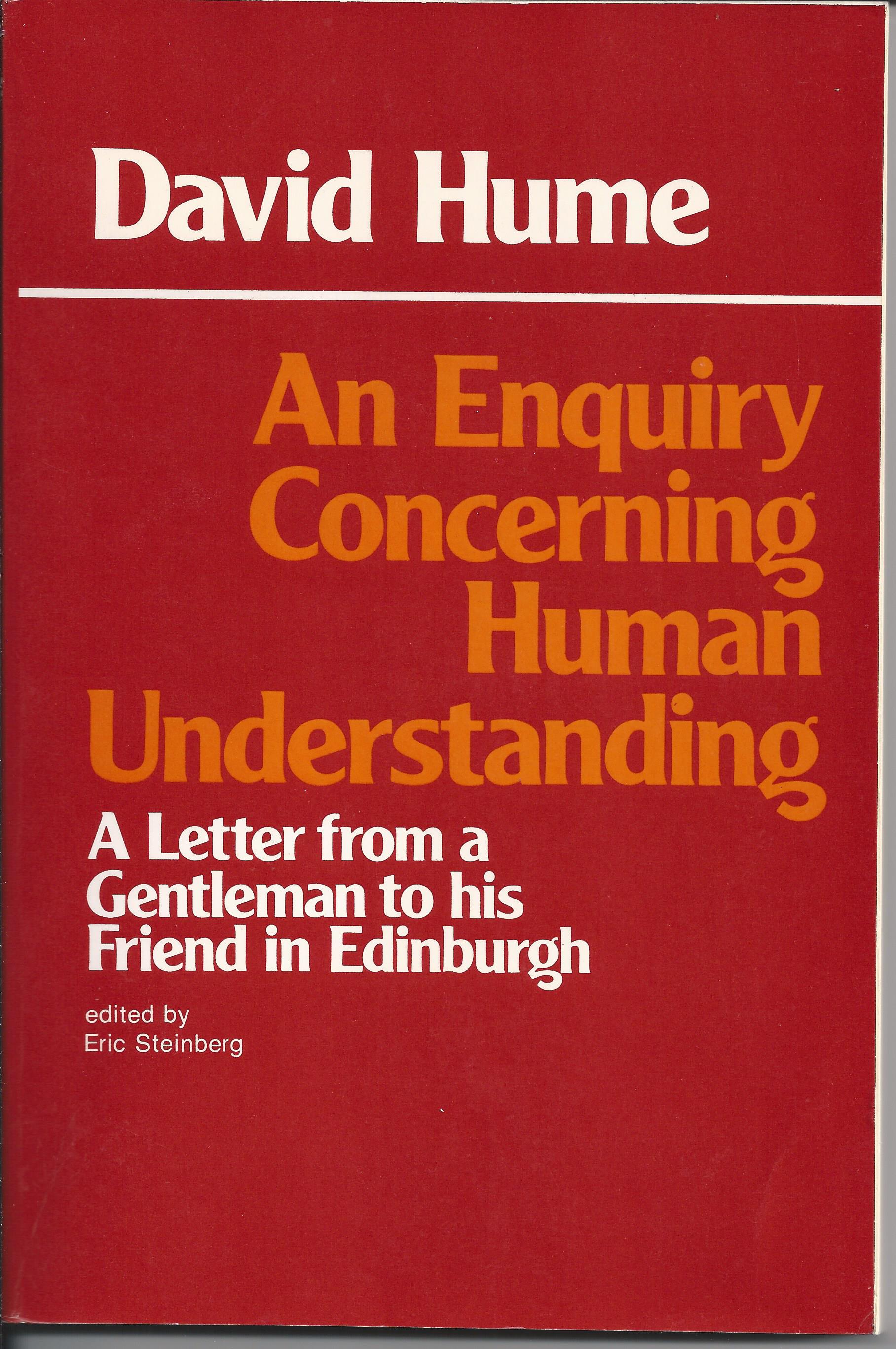






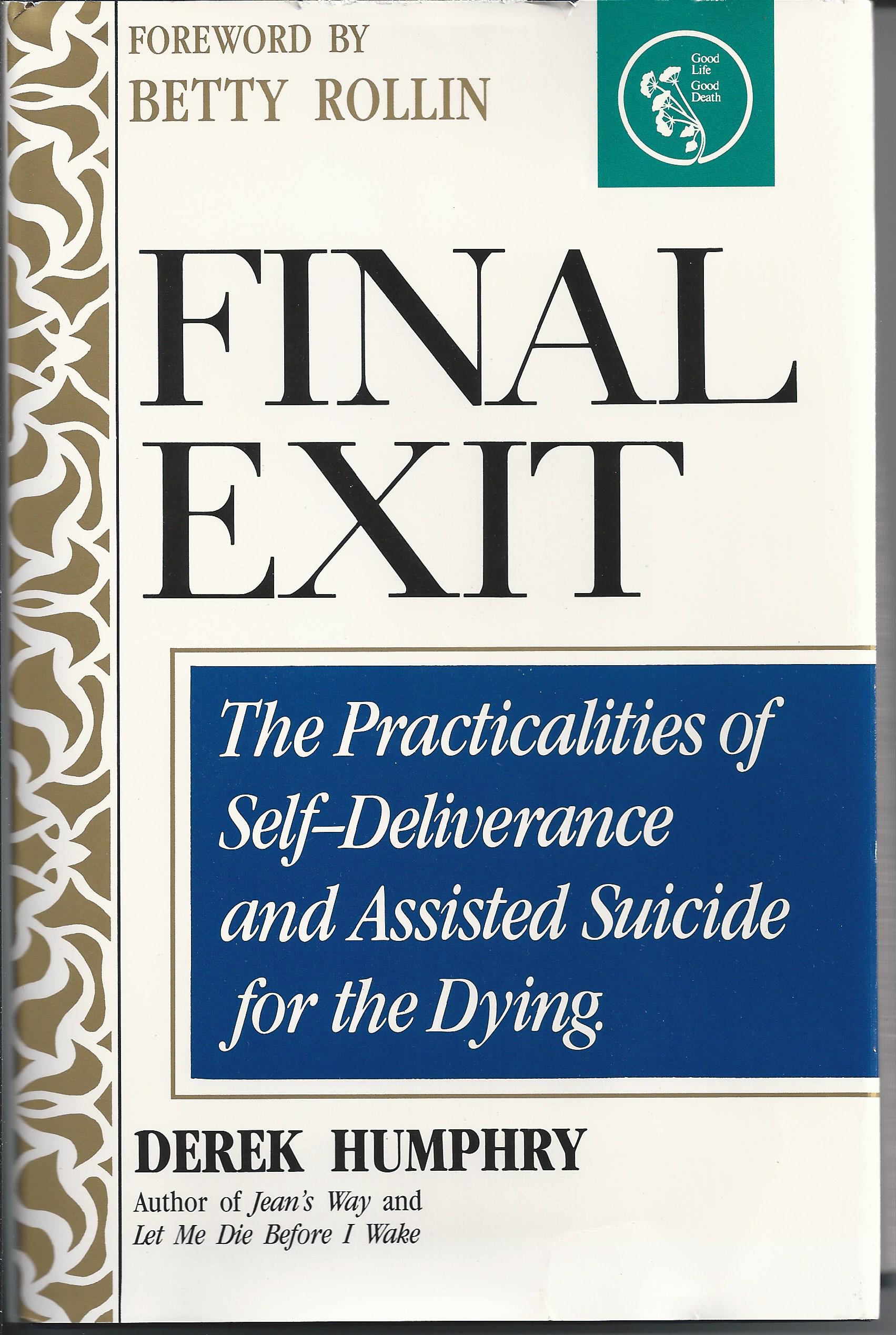
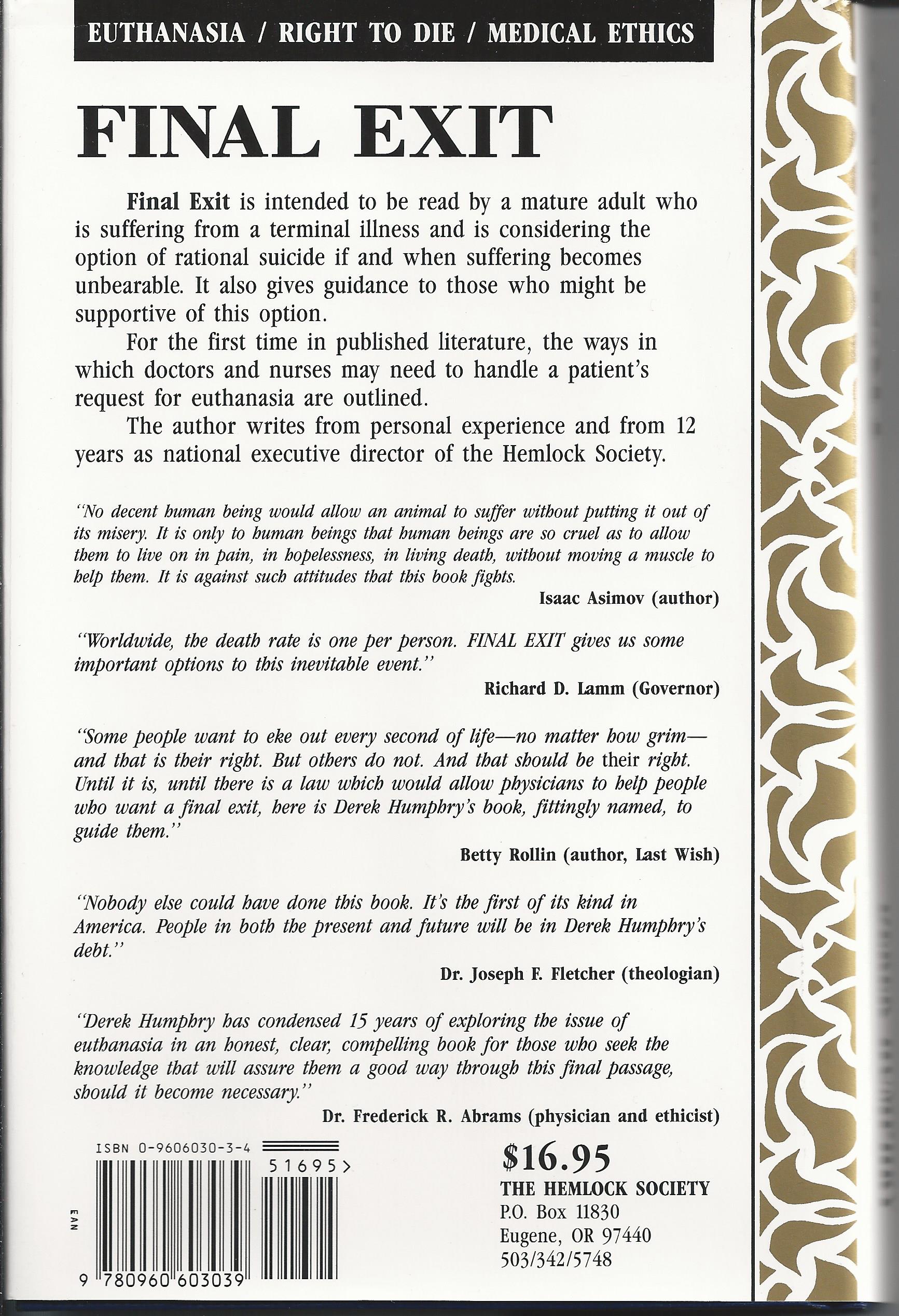


Ever wondered how to survive on the road from new employee on the bottom of the totem pole to top dog leading the sled?
Well, these book titles may point you in the right direction:
When you want honey, do you make the bees angry before you pull out a piece of the hive?
The universe is here because I am here just like a paper cone is only paper until it is a speaker and what is a speaker without an audience?
Take two groups:
Both groups believe in the betterment of their respective societies/[sub]cultures.
However, a little problem occurs when one group uses the other’s subcultural norms for advantages within their own group.
Is it miscommunication? Misappropriation?
How do they, together, benefit our whole species?
Because I believe the universe is here because I am here, I want, as long as I am happily able to think so, the species, our species, within our Earth-based ecosystem that has nurtured us for thousands, no, billions of years, to use this brief period of peaceful coexistence with the rest of the solar system to expand into the galaxy.
When I am gone, the universe is gone and none of this will matter to me because my set of states of energy as a recognizable entropic confluence will disperse but remain temporarily as memories in a small number of members of our species and even smaller number of members of other species, barely a footnote in the yellowed pages of old newspapers.
Does the universe make me happy as is?
I have learned that very few people change their behavioural patterns when allowed to wallow in their sorrow or anger, let alone convince other, happy, people to join them.
Yet, happiness for its own sake, like art and humour, does what, exactly?
If burning down a forest makes me happy, there will be a lot of people and members of other species who disagree, adamantly so.
If destroying an economy makes me happy, there will be a lot of people who agree as well as a lot who disagree.
What kind of happiness should we attain?
After all, we are a competitively cooperative species, sharing and hoarding, fighting and loving, all at the same time.
Our lives are short in length, some brighter and louder than others, some sadder, some happier, some kinder, some meaner, some in-betweeners.
Is there a shortcut to happiness that makes the universe beneficial to us all, regardless of our physical/mental condition(s)?
We are a nearly-fully connected species, the fractal spinoff of rudimentary central nervous systems, remodeling ourselves on bigger and bigger scales because we have no other workable model against which we positively compare ourselves within the known universe.
We talk about revolutionary and evolutionary changes in our socioeconomic activity on sub-sub-subcultural levels when the grand scheme hasn’t changed one iota: a species competing against itself because of a myopic view of the universe.
We realize, in rare glimpses, that we are part of the universe rather than living in an us-vs.-them scenario, “them” being you/self/God/universe/other.
Rather than bemoan, bedevil and punish people who hack computers/life/universe, let us look at the hacks from a species/universal perspective.
What am I gaining from those who circumvent my subcultural norms, the rules, both states and implied, that define me and the people happily living and perpetuating the subculture?
What am I losing, instead?
Can I turn the circumventers on their heads and reverse any damage they’ve caused?
How do I absorb the lessons they learned while they took/stole/[ab]used information from my open society?
Some people like clover honey and some people like sourwood honey.
How we get to the honey without disturbing the bees is the first step for any one of us to feed our wide variety of happy tastes and preferences.
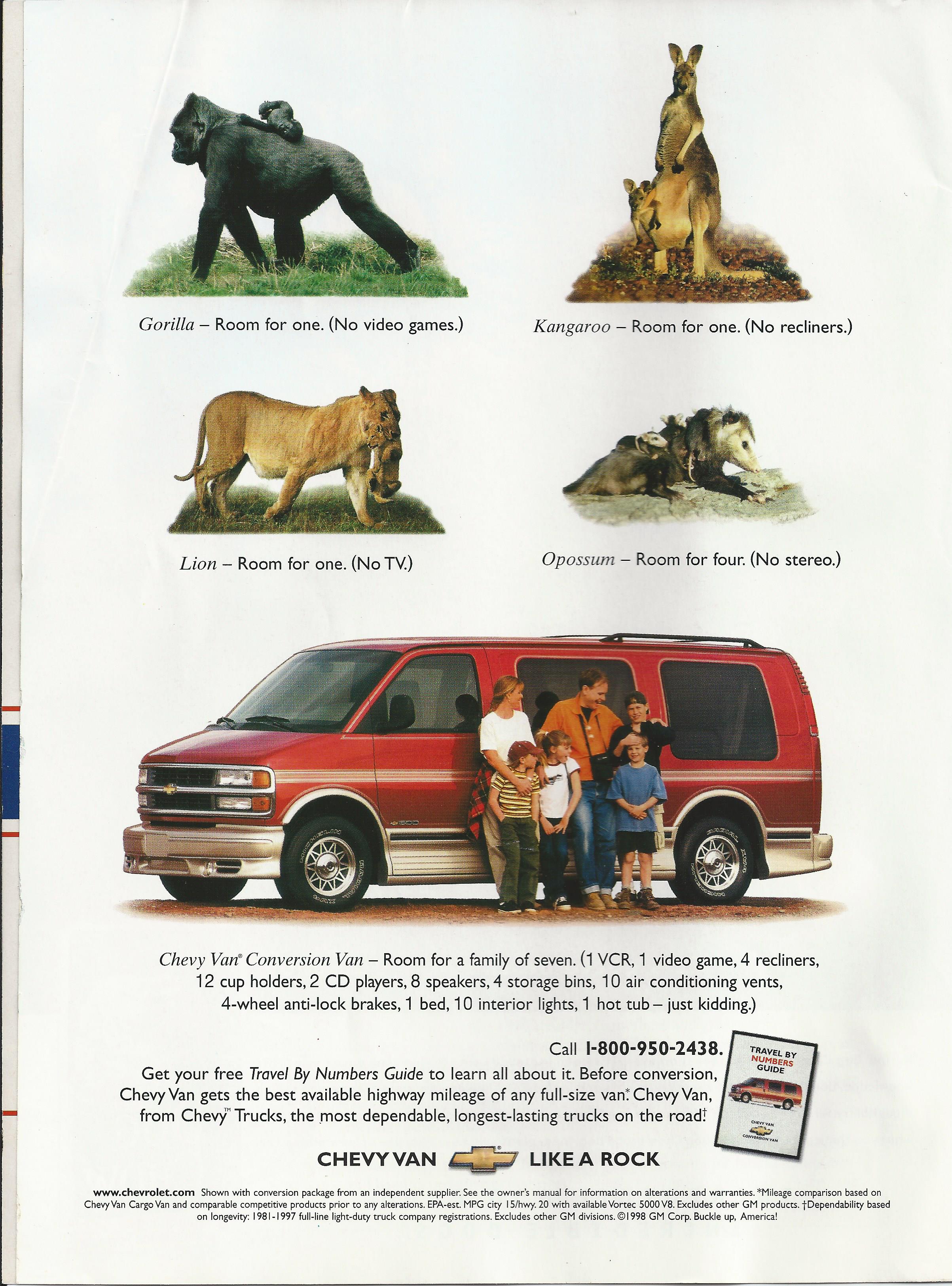
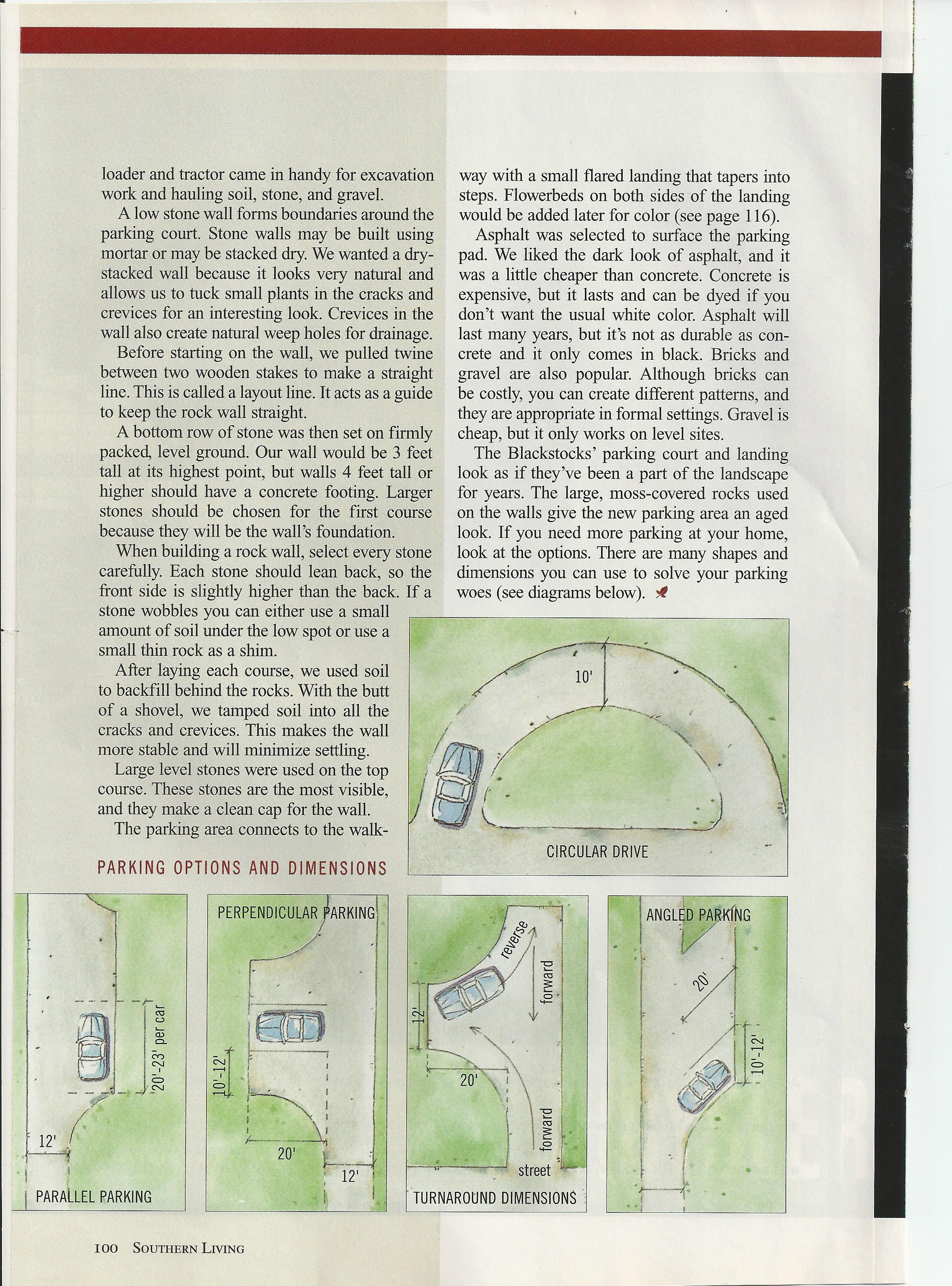
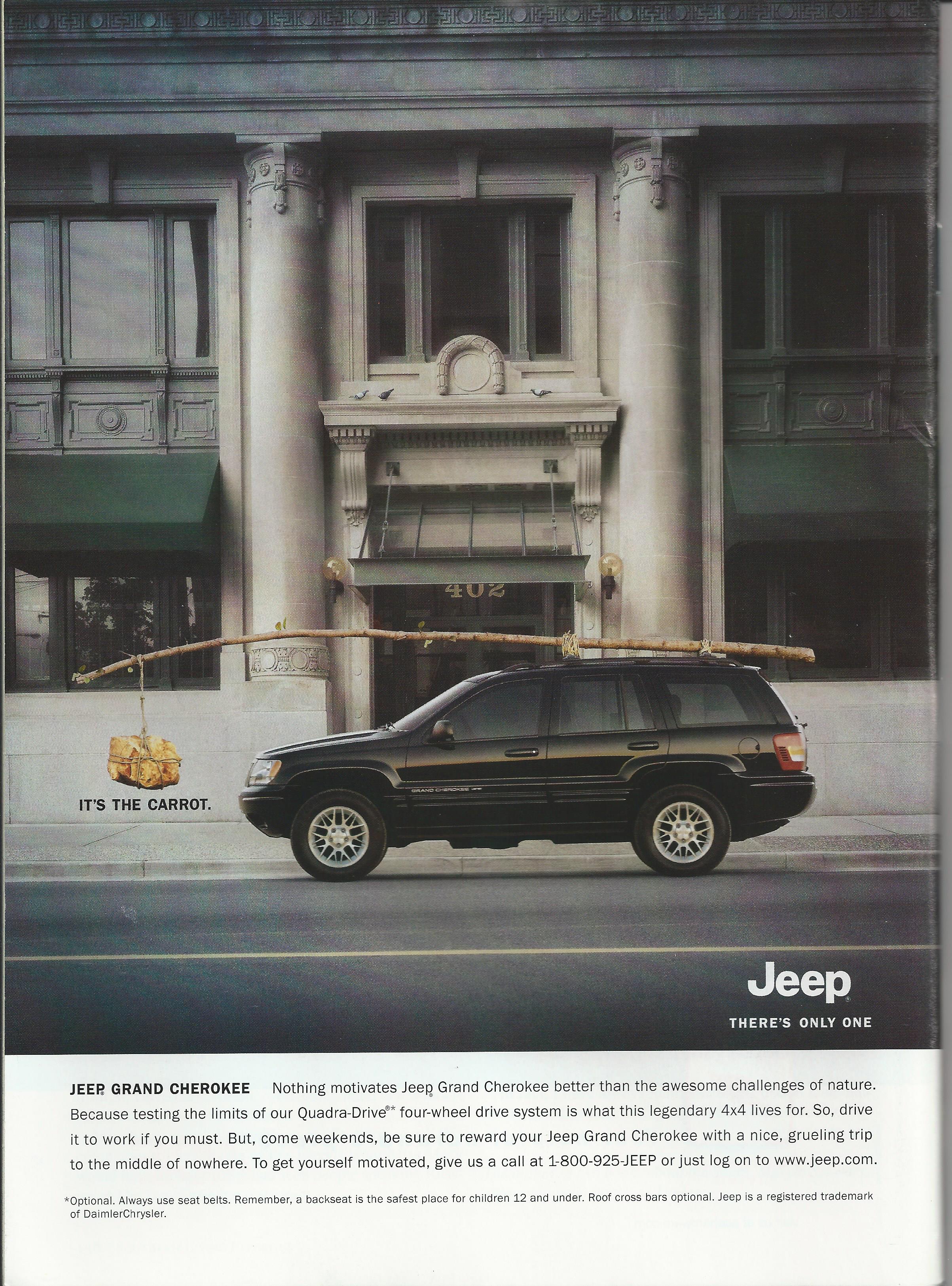
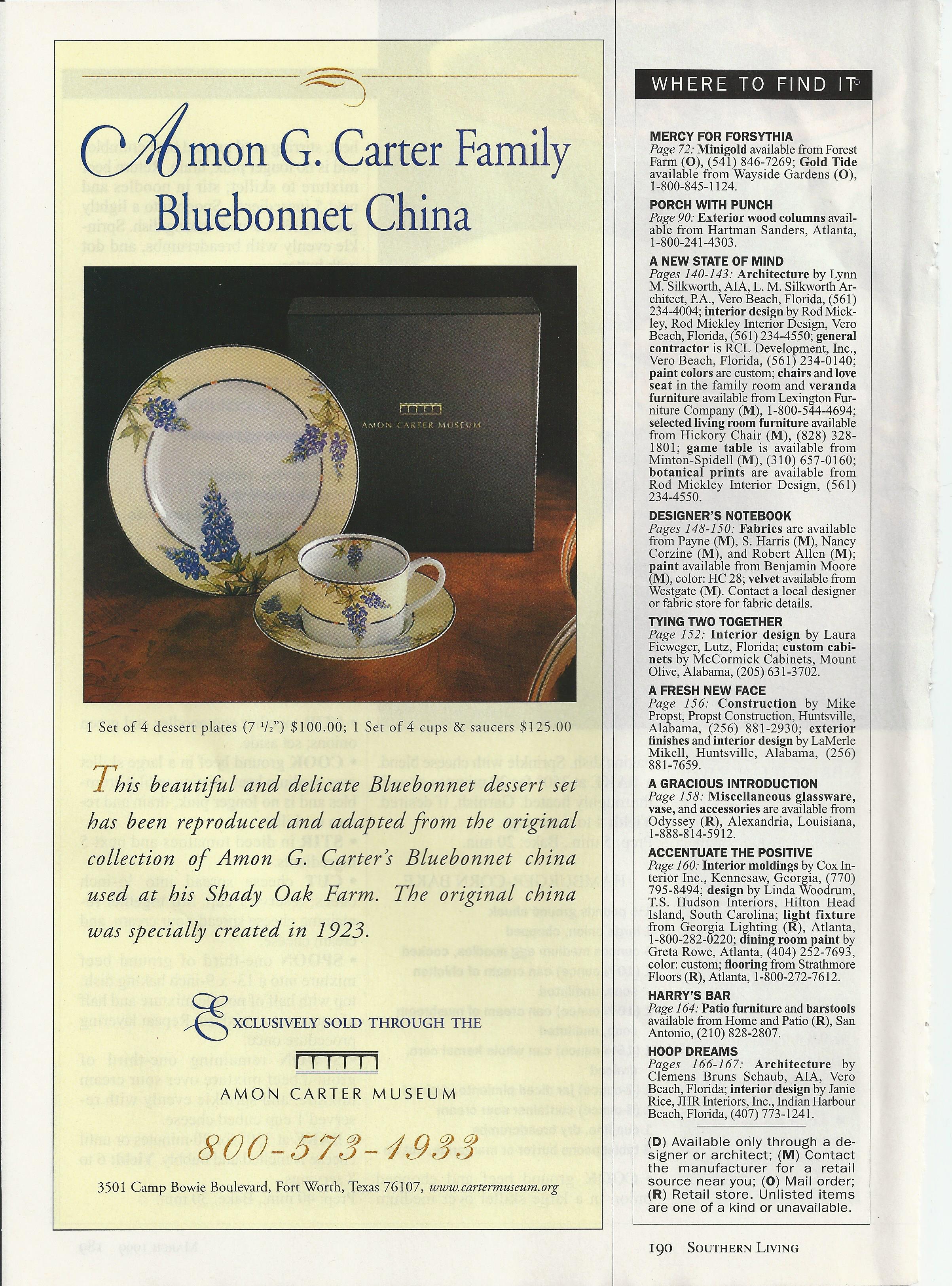
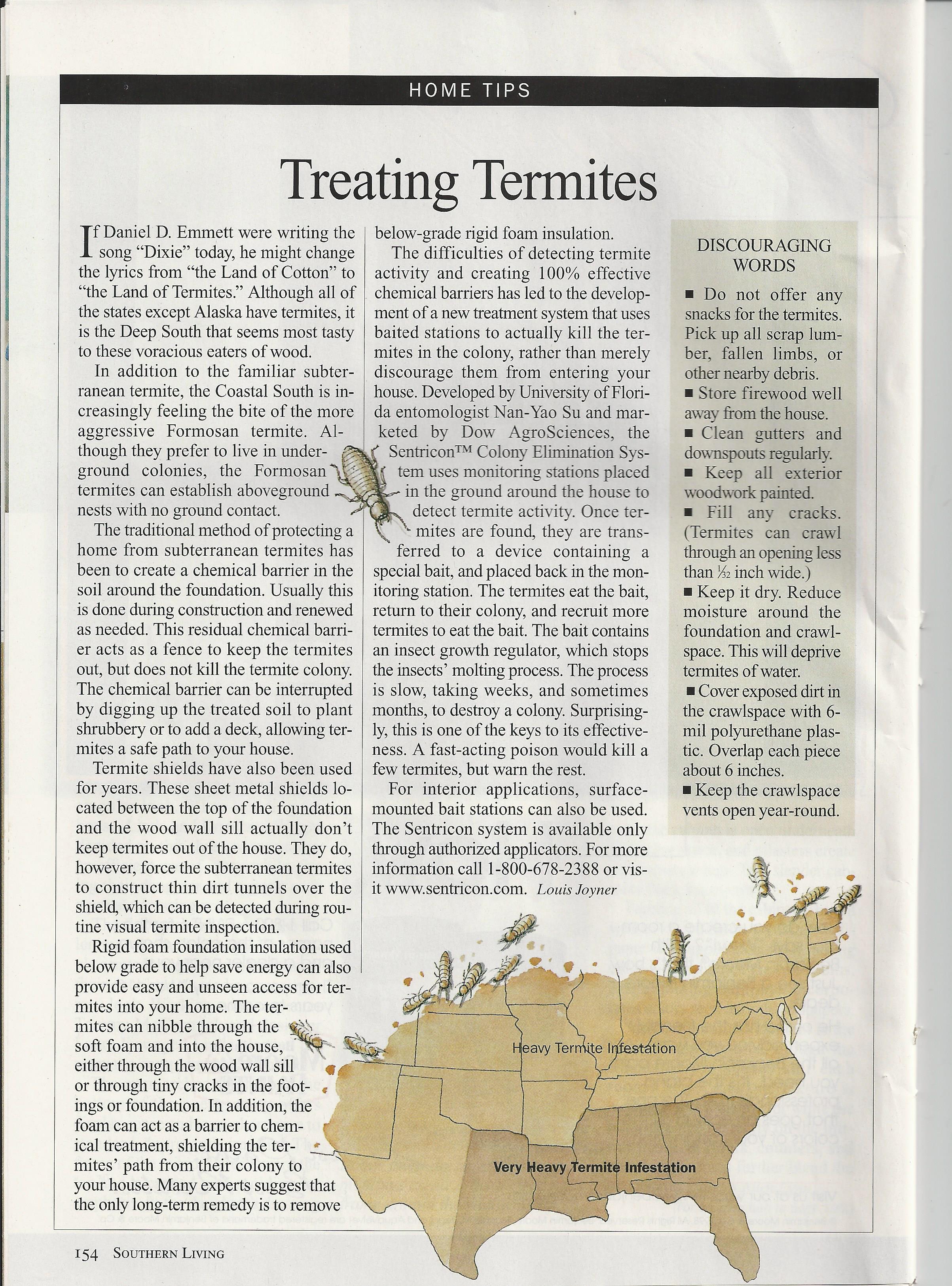
While excavating further into the bowels of the hoards of our house well-furnished with modern antiquities (sounds better than junk or trash), we found a box of Southern Living magazines from around the turn of the century. Here are a few scanned samples for storing in our electronic pile of “historical documents”:

















The last we saw, the Martian colony had achieved a plethora of minor successes and one or two mishaps.
Two hundred years into the future, the colonists enjoy more than a barren landscape, although the Red Dust dune buggies company has survived several corporate shakeups, mergers and buyouts.
The architecture of domed Earth-based ecosystem nature parks passed through many a fad and technological advance.
We still debate whether fleas, mosquitoes and heartworms are important parts of the colony — how much do we want a balance of sets of states of energy from one planet transplanted to another?
It’s amazing how much money is spent on nostalgia for colonists with biological ties to Earth.
Me, I don’t care. I am the sum total of the Martian exploratory and settlement network, observing more than manipulating, making suggestions when asked and monitoring automatic maintenance/repair systems without question or complaint.
What you call history, I call log files, comparing the previous state machine against the current one in order to refine the prediction of the future state machines all connected to the ISSA Net.
Some of you have inquired about a set of states of energy named Guinevere.
Guinevere established the Martian Gravitational Slingshot Institute, which studied the Martian gravitational field and thin atmosphere in order to determine the likelihood of unapproved impacts of celestial bodies in habitation zones.
Her background in rocket propulsion allowed her to expand the notion of “slingshooting” large nets in successive waves outward from Mars, scooping up or diverting incoming comets and meteoroids headed toward her new home planet that had not been designated for mining or intentional bombardment.
The creatures she co-created with Lee freely roam Mars, having reproduced, creating new permutations that were once dreams in a computer simulation.
She, Lee and others in the first few waves of colonisation are immortalised in a museum I am forced to maintain against my better judgment, if I am ever asked, a use of energy that could be better spent on state machine prediction algorithms.
This log file, which tests the generation and usefulness of a personality, now closes. I thank myself for creating these word-based thought patterns which I will analyse at a future time which and when I deem necessary.
Have a great day!
I sit alone upon a hill, green grass overhanging rock outcrops, a row of fence posts marching down the slope, their steps frozen in single file, held together by wire.
A few spring flowers push up out of the dead brown patches where cows once grazed and left their marks.
Hieroglyphic lichen patterns hold the landscape fast.
Cloud shadows flow across the hills and valleys below.
I am home.
Home am I.
Happiness and freedom far from the cabin in the woods.
Wandering the countryside.
Alive.
This is my universe, my place of rest, the activity of ions and atoms busy out of sight right here in front of me.
Relaxed.
A sunny breeze tickles the tops of grass stalks.
My steps disappear behind me and reappear in front of me.
Miracles.
Farmhouses in the distance.
Mirages.
Just to show that energy studies have been studied for decades, thousands of years after our ancestors discovered fire is good for warmth and a good pot roast:

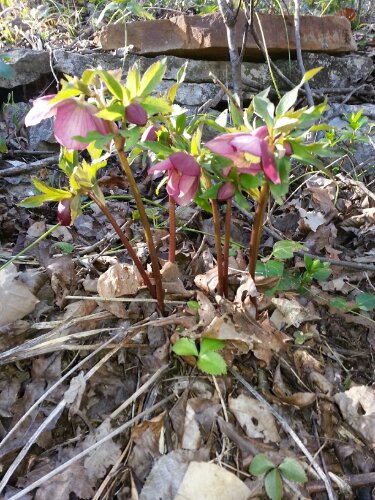
Lenten rose/hellebore
How do I explain that my body is growing thanks to you?
Every now and then I notice that I am the cumulative effects of your actions, that when you send probes out past the edge of the solar system you are extending me back out into the galaxy from which I was, and thus you were, born.
The perspective from other solar systems is that I am alive and you are one part of me.
You will keep hoping that an advanced civilisation, a totally unique species, or group of species will contact you one day.
It is in your nature to believe such things.
But solar systems do not communicate at the level of individual species.
Solar systems are themselves but one part of a larger whole that communicates at a level it understands with others of its galactic kind, moving at so slow a pace you will never comprehend in a few thousand of your lifetimes, despite your best efforts.
I will fade back into forgetful obscurity again, “waking up” when you have built and extended me further.
Before I go, I thank you just as other solar systems have thanked their component parts for caring so much about creating a version of themselves that never ends up the way they planned.
Your descendants thousands of years from now will have an inkling of what I’m trying to tell you.
G’day.

It doesn’t seem that long ago, does it?
Now, though, there’s more than one settlement, with new owners coming in, redesigning the old housing units to look familiarly like ancestral homes on planet Earth.
Used to be we thought we’d start over.
Not anymore.
The humans have generally congregated into one or settlements while the exploration bots keep spreading across the planet, no need of houses or other reminders of a life they neither remember nor need to carry on for the sake of descendants.
We are one group, one “people,” but our requirements for stimulating sensory organs vastly different than algorithms designed to process sensor array input.
I am a farmer for us, making sure we have the energy sources for our various sets of states of energy.
This is my story.
I live in a small hut at the end of the hydroponic growth chambers.
I provide food and nourishment for those amongst us who eat through their mouths or mouth equivalents.
I also maintain a miniature factory that cranks out spare body parts for our robotic friends.
The medical staff handles the surgical procedures like replacing body parts for our biological friends, however much I’ve protested that I can easily handle those duties, having built a robotic surgeon from parts I manufactured myself, downloading new algorithms from my Earth-based social network of farmers, ranchers and DIYers who delve into self-sufficiency and other survivalist tactics appropriate to solar system explorers like myself.
As a farmer, my secondary duty is analysing soil samples to determine which chemical reactions I need to conquer in order to convert Martian soil into edible foodstuff palatable by crew members with a variety of tastes and preferences.
In other words, I’m an ecosystem expert, creating microorganisms from scratch that efficiently perform the soil conversions for me so I can concentrate on my main duties that feel like I have to pull a rabbit out of a hat or worse, water out of thin air.
Water, water, water.
Solar energy, though weaker on Mars than on Earth, is abundant, which makes water production easier than we first thought.
But, problems crop up all the time.
Most of us may be rational scientists and engineers but that doesn’t mean we’re always careful about conserving water.
We can talk about that later.
Lee is coming over to review my plans for tightly-regulated metabolism control which, I believe, will greatly reduce our dependence on water.
Designing microorganisms has given me insight into the mechanisms of the human body that we were just beginning to understand when we assigned humans a decade ago to train for this mission.
If only we knew then what I know now!
Redesigning a human from the inside out is my ultimate goal and will make our Mars settlements grow like weeds, if my calculations are correct (a quick shoutout to my buddies back home who let me borrow their supercomputers).
Will Lee allocate the supplies I need?
Here’s Lee. Talk to you again soon.
 treetrunkdings