
While deciding on the wiring setup for the “face” of the front yard art sculpture, I’ve narrowed down the robot’s looks to three simple to program “emotions”:
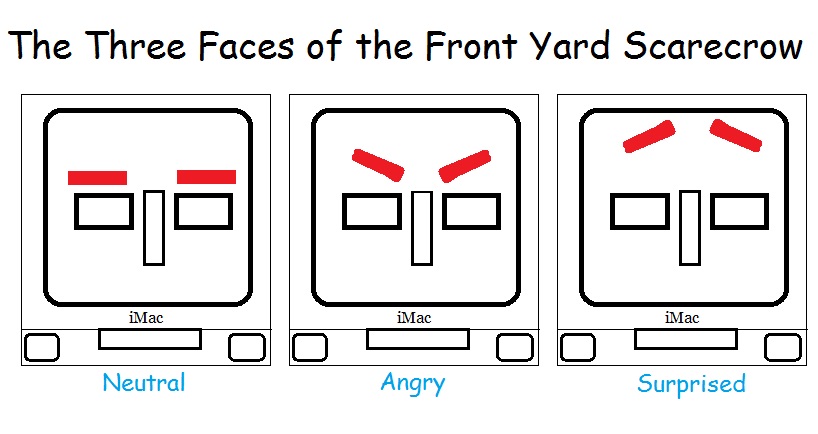
On a side note, he’s taking on the personality of Woody Allen — now that’s scary!
I don’t know what it is about the objects in this room but some of them have a life of their own.
The crystal ball, which is not really crystal but a thin layer of glass, hummed when I walked into the study this morning.
A 60-Hz hum, as if some unseen creature — a gnome, fairy, elf, dwarf or gremlin? — snuck in and plugged in the crystal ball’s AC power source.
Ah, yes. The crystal ball has electronic junk in its trunk.
For centuries, the crystal ball had relied on the magnetic alignment of layers of rock deposited for millions of years onto Earth’s crust as the planet’s magnetic poles flip-flopped.
But I wanted more power.
I wanted to make the future a reality, not just some foggy image forming out of the inside of a ether-filled dome.
Sing it! “Ee-thur, eye-thur, nee-thur, neye-thur,” ether-aether, “let’s call the whole thing off”-kilter.
Anyway, the crystal ball’s powered profundity projects onto the book covers, picture frames, walls, ceiling, overhead light fixture and my eyeballs a future where we ask ourselves why income inequality has become a buzzword domestically, imagined internationally but not universally.
A spinoff of Virgin Galactic, under a new shell corporation not directly tied to Sir Richard Branson in order to avoid confusion about mission statements, offers a higher boost into suborbital space for the terminally ill, taking their money but not promising them a flight in time before they die, that gives the passengers a longer time in the weightlessness of space and then an incendiary cremation upon reentry, the painlessness of sedatives a personal option, their ashes spread into the upper atmosphere of the only planet they got to know, sparking a new travel industry nicknamed “Your Final Exit” after a book written in the 20th century.
Discovering energy conversion that has nothing to do with atomic structures opened up planetary exploration and galactic travel, completely and forever changing our image and opinions of ourselves as the center of the universe — it’s not the energy level that counts, it’s how you use the paradigm shift to reinvent the way we model our sets of states of energy in the cosmos.
Spending more time nurturing our species’ children during their formative years offset our longterm investment in the spook business that tried to compensate for the messed-up mindsets of adults turned against society, which changed the way we perceived ourselves as [un]fairly-treated cogs in the wheels of the politicoeconomic conditions we used to define our place in society, including the reformation of the public/private education system that used to depend on a mix of caring/sadistic [un]tenured teaching staff and [non]motivated students.
Mapping the new global culture on top of centuries-old subcultures was as fluid as the ocean tidal currents, tide charts predictable but local tidal basins fluctuating minute-by-minute. Protesting the advent of global branding missed the natural evolution of a species in transition from multilocal to a global set of traits. Embracing the concept of optimising profits made the antiglobal movement an effective tool in strengthening our longterm economic sustainability — every person was encouraged to realise we are individually a laboratory of new ideas, making conformity, normality and mimicry as quaint as synergistic symmetry.
The crystal ball hummed louder and louder until I realised that the wallwart was overheating. Time to get a new transformer before the house burns down!
Guin and Bai stood on a small rise, waiting for Eoj to join them.
Guin hefted a small boulder in her hand.
“How far do you think I can throw this?”
Bai picked up a small rock and threw it twenty or thirty meters with no effort.
Eoj walked up behind Guin. “Hey, guys. What’s up?”
Bai nodded at Guin’s arm. “She’s got a crazy idea.”
“Oh yeah? What’s that?”
Guin tossed the boulder in the air. “You know, I used to throw shotput, discus and javelin.”
Eoj laughed. “In this century?”
Guin smiled. “Who’s counting?”
Eoj looked at Bai. “What hasn’t this woman done?”
“I also competed at the pole vault and long relay. Very occasionally they would throw me in a short relay.”
Eoj snorted. “And here I am, sucking in my breath after running a few kilometers to catch up with you guys.”
Guin kicked small rocks out from a small circle. She made a few test turns, seeing if she still had her perfect throwing moves in her memory. “Throwing and polevaulting — there are serious ramifications if you move your body the wrong way.”
Eoj laughed again. “Bai, I think you and I ought to throw a few rocks ourselves. If we can dance as well as Guin, we can do whatever else she does just as well, right?”
Bai looked from Guin to Eoj and back. “He’s never seen you throw, has he?”
Guin shook her head. “No, but you’ve never seen him throw me in the air, either.”
Guin motioned Bai and and Eoj back a few paces.
She steadied her breathing, set her feet and took three steps, launching the boulder from her body’s core, through her shoulder and out of her hand like a hydraulic jack hammer punching the air.
The boulder’s arc was like a low altitude sounding rocket’s path, an ideal unimpeded trajectory in the thin atmosphere.
Several seconds later, a puff of Martian dust, then another and another indicated a few thousand meters away the boulder bouncing on the other side of the valley.
Guin smacked her hands together as if she was cleaning them of dust. “Not bad, if I say so myself!”
Bai looked at Eoj. “You think you can throw her that far?”
Guin snapped her head around. “Now, wait a minute!”
Eoj grabbed Guin around the waist. “Hey, it’s worth a try.” He tossed her ten meters in the air and caught her.
He set her down and they laughed together. “Ready?”
They started a slow jog, pacing themselves for a run down the valley and back around to the lab.
Eoj had the afternoon off before he had to return to the tourists and wanted to warm up with Guin and Bai before they put in some dance practice for the finale performance the last night of the tourists’ stay on the Red Planet.
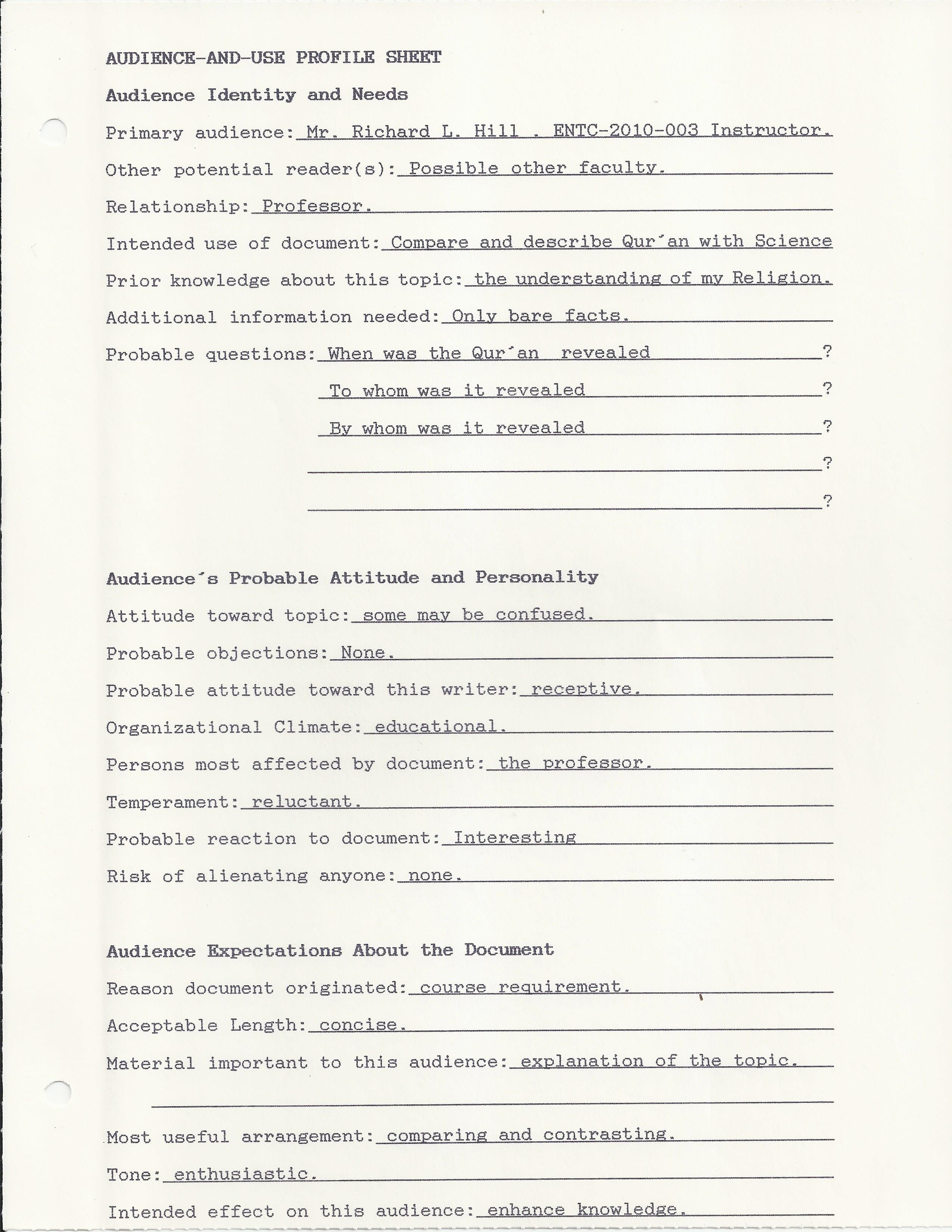
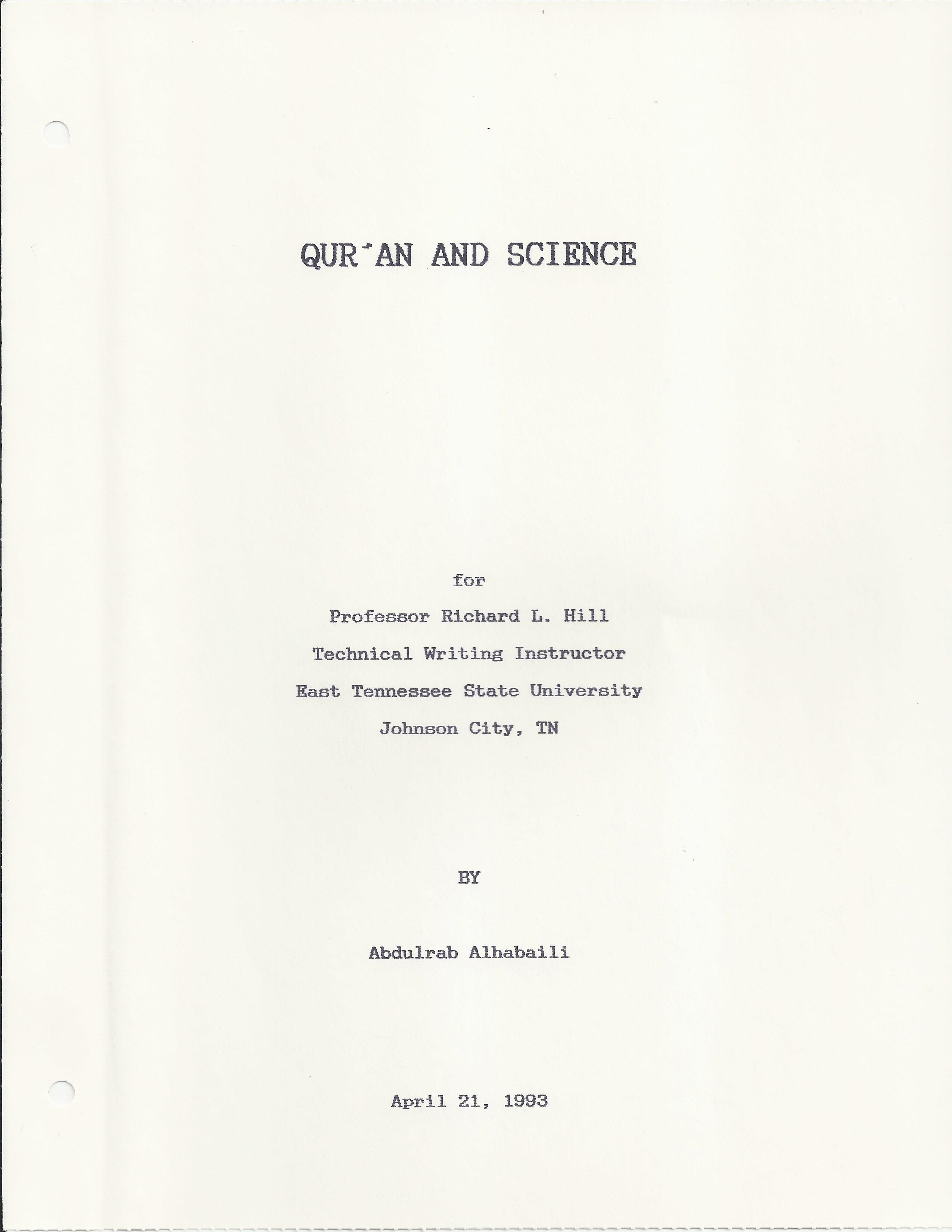
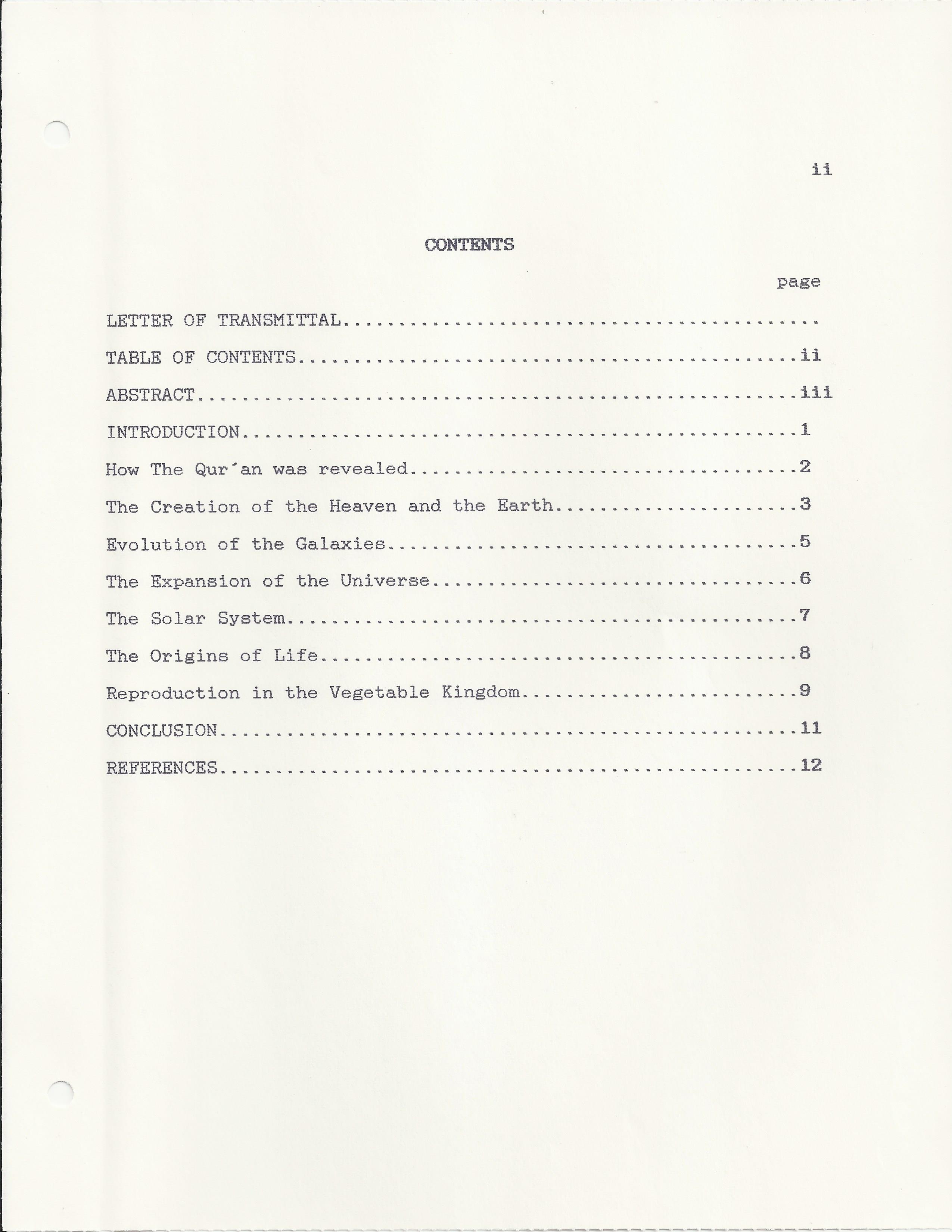
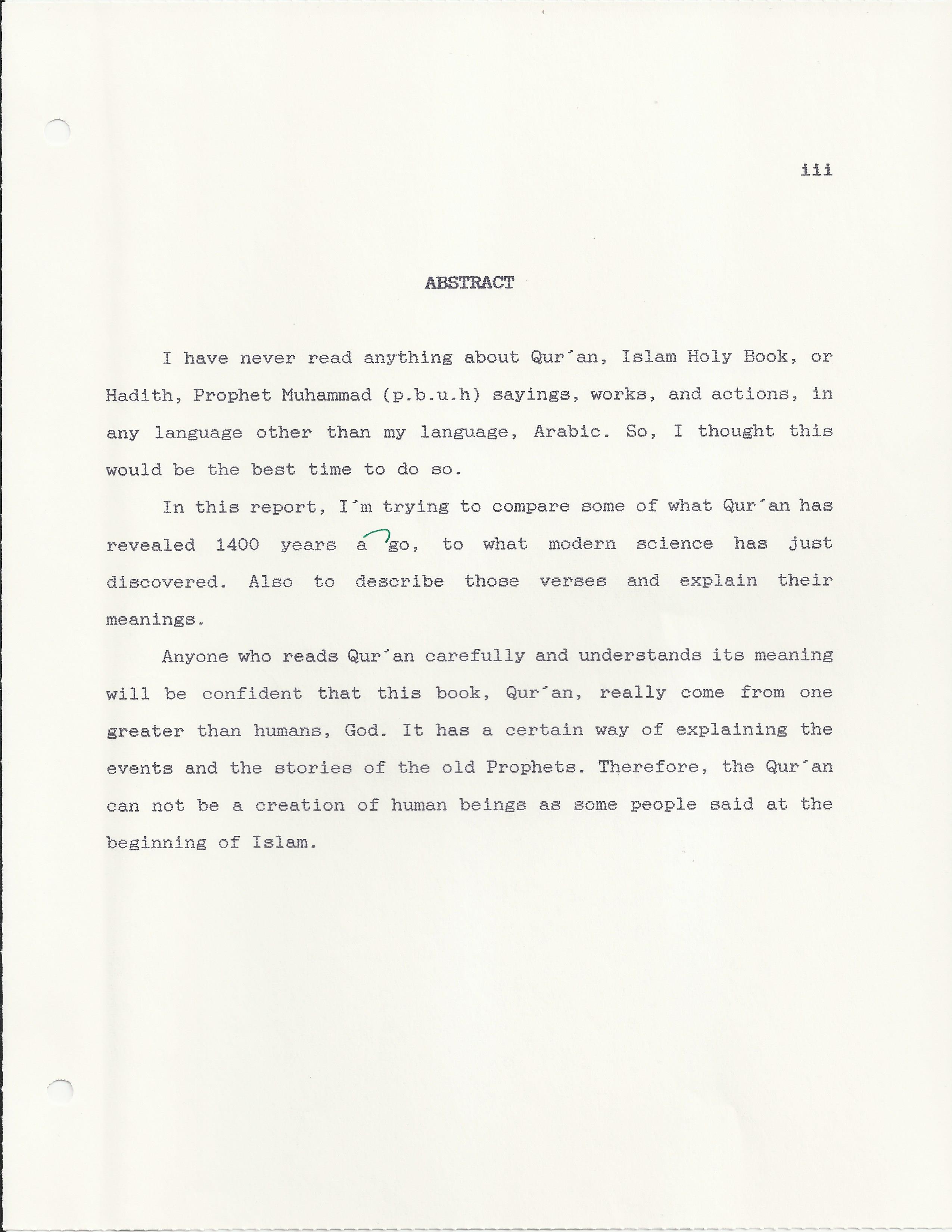
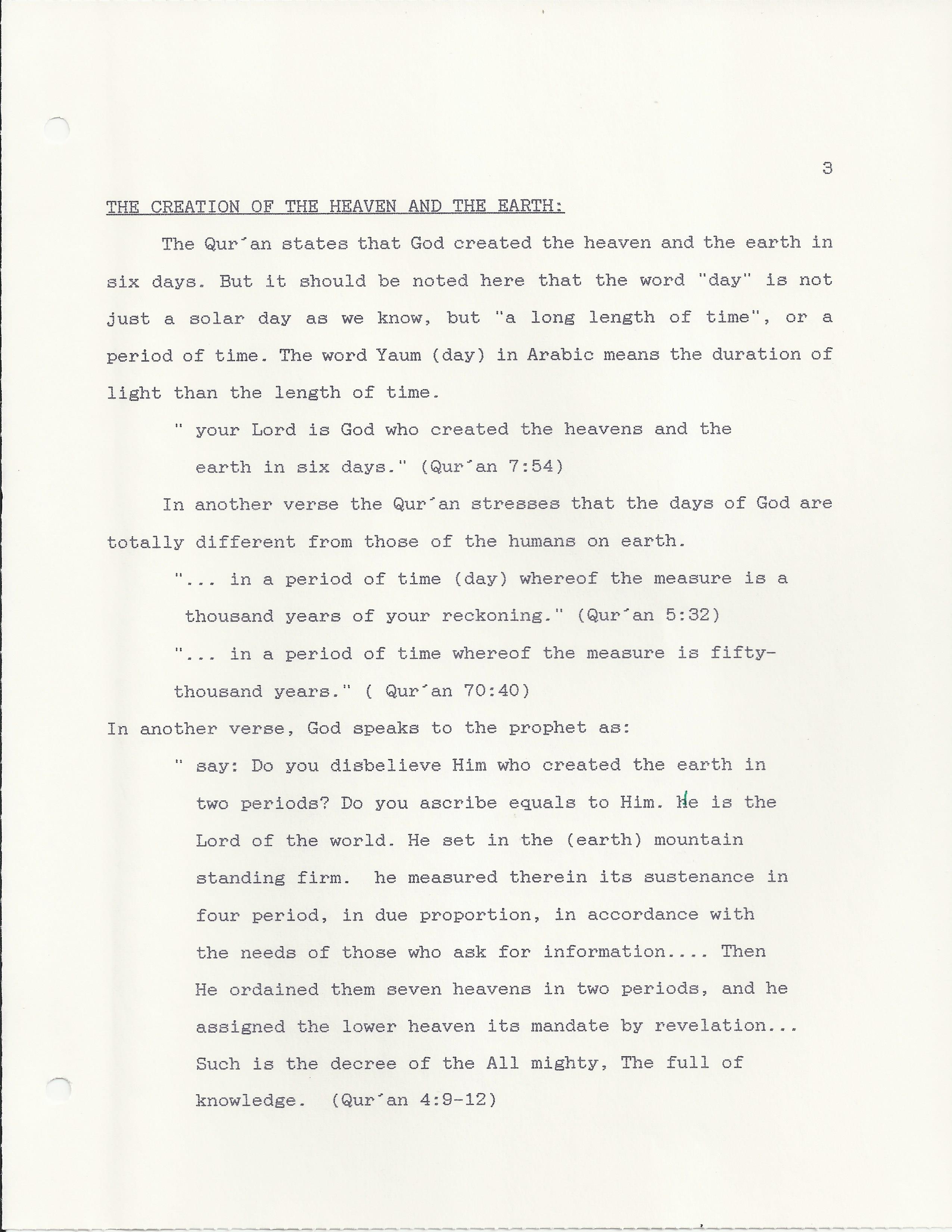
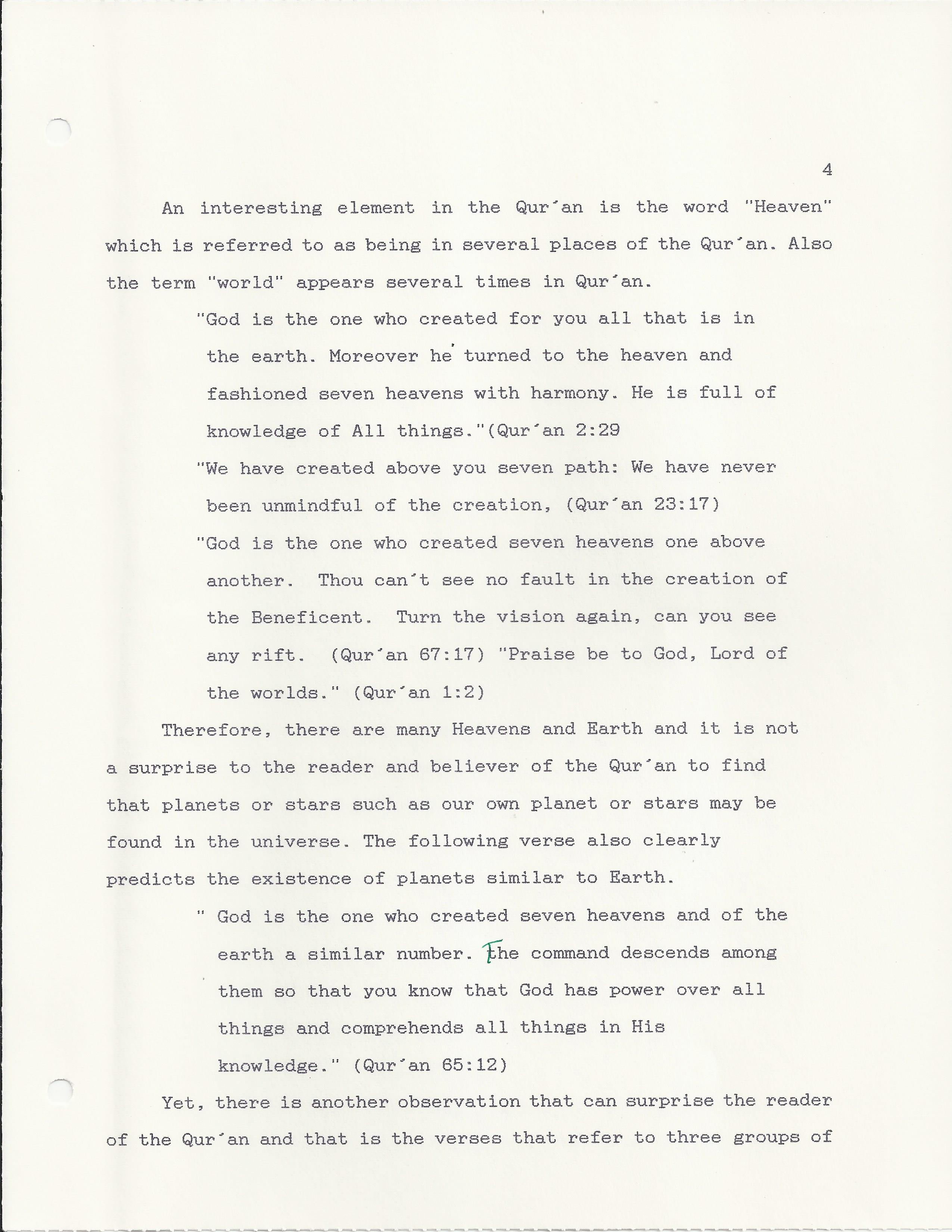
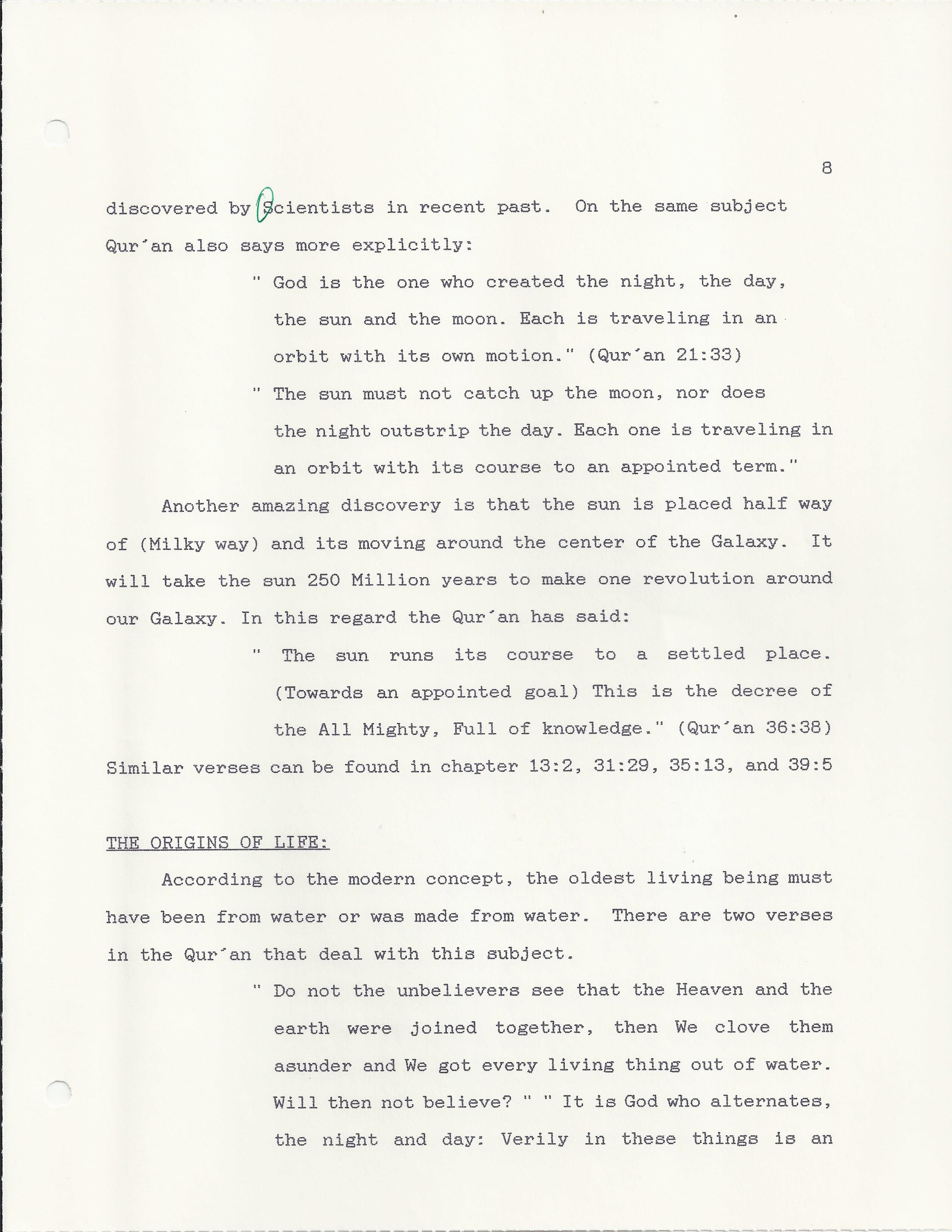
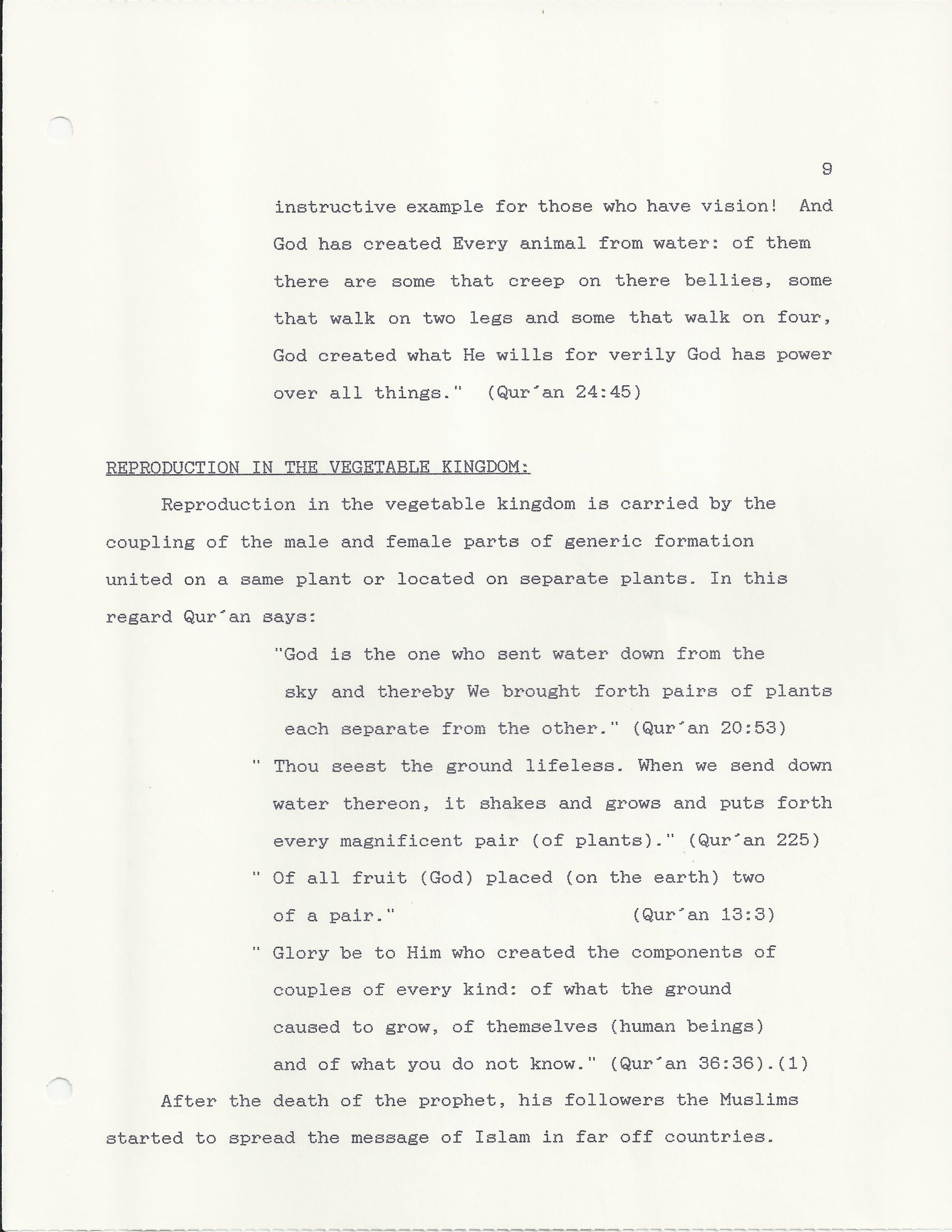
My father was an adjunct professor for over two decades and enjoyed learning from his students as much as he enjoyed teaching them. One of his students shared his cultural/religious/scientific view with my father via a report — interesting to think about as we debate military action in and around Syria:








Lee stood in the middle of the nature preserve, his crosstraining shoes upon the concrete path of the city greenway, and looked up through light pollution at the dim outlined threads of the Milky Way galaxy.
The ends of his toes were calloused from running inside shoes a half-size too small, Lee unable to afford a new pair, his three-dollar pair of running shorts and twenty-year old T-shirt a reminder that the life of a middle-aged ascète led him to austerity years before austerity was cool all over again for the very next time.
He felt a pain on the left side of his neck that throbbed through the back of his shoulder, down into his left shoulder blade like a thick rubber band freezing up.
He was tired, a deep-seated nervousness gripping him like an invisible creature digging its claws into his upper back, its body hovering over him, hunching him over like a crooked old man.
Recent phrases echoed in his head, repeatedly refreshing themselves in volume before decaying into icy pain in his neck. “It’s not about what’s in your pants,” which translated into “You’re not attractive as a man.” “You’re one of my weird friends,” which translated into “You’re lucky I consider you a friend because otherwise you wouldn’t have any.” “He’s very passive-aggressive with his wife,” which translated into “Every time I see you, I talk about another person being passive-aggressive to hint to you about your own passive-aggressive issues.”
Lee took a deep breath.
He knew that writing stories was his way of dealing with a world he didn’t understand, his coping mechanism, his stress relief, his private conversation with himself as his own best friend because he trusted no one else to listen to him without judgement or reinterpretation.
His arms and hands drooped by his side.
Lee felt small, like the iridescent insects that hunkered down in the grass next to the greenway, their eyes or wing shells reflecting the light of the LED headlamp he wore while running after dark.
He had always been uncomfortable in his body, hearing kids make fun of his clumsiness, overhearing his father tell other fathers it’s not always what a kid can’t do on the ballfield that counts, his father bragging about Lee’s academic study habits and keen interest in both science and sports.
Lee put his hands on his hips, watching puffs of his breath rise up through the light beam pointing off his forehead.
He had only pretended to be interested in science and sports to keep his father’s anger directed away from Lee.
Lee knew at an early age that it was not his own interests that kept peace in the family, it was ensuring that his father’s anger was kept under control.
Thus, Lee had learned it was not what he liked that mattered.
He walked the world in fear. He developed a survivor’s mentality. He could easily tick off on his fingers what he didn’t like but had no idea what he liked for himself.
Writing was therapy, a purifying source of anti-joy that propped him up.
His thought patterns started splitting themselves into what made his father leave him alone, what made school bullies leave him alone and whatever else kept controversy and the fear of physical/mental abuse to a minimum.
After an automobile smashup in his teens, a lot of his thought patterns were reshuffled, his fears realigned, the noise in his thoughts, a kind of screaming pain with no source, making him wish every day that he was dead if the pain of the discordant thoughts would just go away and leave him alone in peace.
Years of self therapy ensued.
He depended upon the kindness of strangers to see his body in their own image, awarding him a four-year university scholarship based more on imagery than cold, hard facts. The facade quickly crumbled when Lee arrived at university, with no study skills, no motivation and little in the way of a support network for Lee himself rather than a system that was geared to keep him going down the road toward an officer’s commission in the U.S. Navy.
He spent hours in the Georgia Tech library looking at diagrams of early personal computers, dreaming of building his own, back in his parents’ basement when he was in high school playing with hand-assembled CPU systems that did little more than accept octal code in memory and display it back, Lee unable to understand how to go any further, his brain lacking logic circuitry to convert opcodes into useful subroutines and programs that weren’t spelled out in a programmer’s cookbook.
He walked the streets of Atlanta by himself, fearful of local gangs looking to protect their turf by beating a white kid in nominally black neighbourhoods.
He let his charm and innocent, nonthreatening personality protect him, which they did.
He never cared about his grades. He barely studied for the freshman calculus and chemistry classes that felt like his father’s threats all over again, leaving him no escape this time, finally showing his father the falsehood, failure and disappointment that Lee had felt he had been to his father, who had based his pride on a son simply hoping to survive childhood, if not die by a random mugging in some dark downtown Atlanta alleyway.
Those nine months in Atlanta taught Lee he had no friends. He had people who wanted to be friends with him until Lee shared his odd thought patterns with them, breaking the iconic imagery he represented in their thoughts, quickly walking away, watching them shake their heads as they wondered who he was.
Years of loneliness followed as Lee wandered from one person’s pretend image of him to the next.
He kept his thoughts to himself, burying them deeper.
He believed he was a gentle soul who just wanted to live in a cabin in the woods, freed from the cycle of first impressing and then unimpressing people, tired of one disappointment after another.
The girl from his summer camp days, with whom he had exchanged handwritten letters in the mail, seemed to be the only one who never saw Lee as strange or disappointing.
He loved her and hated her for accepting him as he was because by loving him she accepted him as a product of his father whom he feared which meant that Lee feared her, too.
Lee’s thoughts drifted, returning to the present.
How long had he stood by himself under the stars on a concrete path surrounded by woodland wrapped by suburban tracts filled with thousands of people?
He held the contemplative thoughts in as close a sequence as possible for writing down later on.
His thoughts were the only thing that mattered to him, worth more than gold.
He had once been a person who negotiated multimillion-dollar international contracts, flying across the globe for meetings, wondering when he was going to fulfill his dream of an ascète, withdrawing from the world his only hope for quieting the painful noise in his thoughts that never went away except when he was drunk or asleep, constantly on alert to cocoon himself from his business colleagues so they wouldn’t see his brain was crisscrossed with insane thought patterns.
The numbed ends of his toes and the needlepoint pains in his hips woke him from his daydream.
He shuffle-jogged over the concrete pathway, knowing he had forty-five more minutes with himself on the trail and roadside to add to his thoughts that he’d write down after he returned home, kissed his wife, petted the cats and showered.
The life of the frugal millionaire was coming back to him again, as close to happiness as a hunched-over simple man could ask for before he died, as entertained by a caterpillar munching on a redbud leaf outside the window as by the behaviour of his species in its desire to develop and maintain weapons of mass destruction as a form of godlike deterrent against the use of our worst hatred toward people unlike us.
Lee had learned to manage his fear. What about the other seven-plus billion of us?
The U.S. president stood at the podium and looked at the camera.
“Earlier today I authorised a large-scale mobilisation of our naval and air forces to converge on Syria.
“I have not made this decision lightly. In fact, I consulted with historians as well as your elected representatives on both sides of the aisle.
“Based on the advice I graciously received, I instructed our armed forces to take the following action.
“One, we have a brotherly and sisterly love for the Syrian people. Our first order of business is to flood the cities and neighbourhoods of Syria with leaflets warning of our plans we are declaring in full disclosure to every country that wants to interfere with our humanitarian mission to prevent more senseless bloodshed, offering a peaceful solution backed by our military might to restore order.
“Two, a massive airlift is now underway. We will soon drop air cargo loads filled with blocks of pure, nutritious American cheese from our country’s heartland to feed the Syrian people in dire need of real food.
“Three, to address the rumours of starvation driven by despair and depression and to prevent any chance of malaria or other tropical disease, we will spray the people of Syria and their beloved geography with a special formulated mix of pest-deterring organic cannabinoids and low-concentration psilocybin, which I have been assured by both scientific and medical experts will restore the appetites and happiness of war-weary inhabitants of the City of Jasmine and other metropolitan areas ravaged by over two years of civil war.
“Four, we will offer a trade-in program for citizens on all sides of the Syrian conflict. Every gun, tank, missile, ammunition or other weapon not authorised for the strict use of American military to protect global citizens in Syria is eligible for this program. If you turn in a weapon, we will provide you with enough food and clothing to last you a year. In addition, we will send you to a nearby training centre to provide you the trade skills and business acumen to start your own business to compete in the world economy.
“My fifth and final announcement on this important issue. We ask not only the Syrians but all the people of the Middle East to open their stores and shops to people of any race, creed, national origin, political or religious difference. If you do so, your family will prosper. At the end of the day, isn’t that what we want for ourselves and our children?
“That’s all that the United States of America is trying to do here, provide Syrians with a peaceful path toward prosperity, cementing a healthy relationship with the rest of the world. No other country can offer or is offering you such a solution.
“My administration will keep our phones and doors open for Syrians. Talk to us after you read our leaflets.
Thank you. No questions.”
The president walked off the platform and turned to his closest advisor. “Okay, now that that’s over, do you have the latest update on Tiger’s golf score?”
If there’s only one thing you take away from this blog today, it’s this:
When giving a presentation to the military about new technological advances, make sure you first show how you’re protecting the lives of military personnel on the ground, in the air and/or on/under the water — technology is replaceable stuff, expendable, but people are not.
 treetrunkdings