Tag Archives: military
13 Sept 2013 Dr Emil Jovanov. UAH alumni lunch n learn
13 Sept 2013 Dr Emil Jovanov. UAH alumni lunch n learn. Opening by David Kingsbury, UAH Alumni president
BIO: Dr. Emil Jovanov, received bachelor and doctorate from Univ of Belgrade. http://www.ece.uah.edu/~jovanov; emil.jovanov@.edu
Dr. Jovanov teaches and supports realtime and embedded systems, wearable and ubiquitous monitoring, senior student design: education and playground, technology commercialization, new products and businesses such as SmartBottle…AdhereTech (www.adheretech.com)
Ubiquitous Health Monitoring – wireless body area network [WBAN] (2005) Journal of NeuroEngineering and Rehabilitation
WBAN via Zigbee connects to personal server (smartphone) integrates via GPRS/Bluetooth/WLAN with Internet for access to/by weather forecast, emergency, caregiver, medical server and physician
diabetics monitor blood sugar level, doctor can see if you walked as much as you said, when you ate, etc.; ECG
mHealth – http://portal.mhealth.uah.edu/public/index.php
— stress monitoring for nurses, etc.
WBAN includes SmartBottle approach:
in 1994, est. that $100B cost to economy for taking medicine incorrectly; $300B increased costs, $100B lost revenue
MDs/pharmacists need accurate monitoring method; patients need secure system.
— typical use: pill boxes don’t account for “Take on full/empty stomach”
— automated pill boxes based on time
— RFIDs — acid in stomach will activate chip in pill; smartphone will record info; expensive approach, good for specialised drugs
Great potential for smart pill bottle
— Robert Gold, R. Ph, MBA, Newburgh, Indiana
— Prototype development, senior design team:
=> Sreca Jovanov -HW and Sensor Dev
=> Charles Acker – Embedded and PC SW
=> Michael King – Embedded SW
UAH Patent; MBA Graduate project at Wharton School of Business
Completely wireless system; communication between SmartBottle, Reminder Unit, Home Server, and Remote Server; automated reminders and monitoring of medication
Approaches: initial idea – weight measurement but mechanical issues were potentially problematic; breakthrough – capacitive measurement of pills in bottle C=A*e/d (conductive plates (A) sandwiching dielectric medium (d)); measuring capacitive response of empty bottle; smart bottle prototype in spring 2007, connected CVS bottle with unit including wireless module — proof of concept worked – good linear plot of data with 2-3% error (e.g., 2 to 3 pills out of 100); US Patent issued in 2011; SmartBottle Development 2012 update: Test system, AD7745 capacitance to digital converter, accuracy: +/- 4 fF (femtofarads (10 to minus 15th power)); evaluation of patterns and designs – have to compromise total capacitance against accuracy of pill measurement
AdhereTech – winner of 2013 Healthcare Innovation World Cup
Reader’s Digest, September 2013, one of 20 MindBlowing Medical Breakthroughs, technology should be available by September of 2014
Wireless in the bottle (Verizon); measures and send open/close of bottle; 45 day battery = no charge
Nontech savvy – use bottle as regular bottle
Tech savvy – text/email reminder, etc.
Helps monitor: Forgetfulness; purposely omitted pill taking; low priority conduct
Pharma: captures percentage of increased revenues, especially for clinical trials of extremely-expensive medication
Hospitals: used to make money on readmissions but no more — want to reduce readmissions; hospitals penalised 1% CMS payments for readmissions (`$14000/year) with higher penalties in following years; poor adherence to drug plan is most common reason patients are readmitted. CHF: 25% readmission rate; heart attack: 20% readmission rate; pneumonia:18% readmission rate; more diseased states penalized every year
Provides aggregate adherence data for healthcare pros; personal data for patients
Examples of Secured deals: Walter Reed Natl Military Med Ctr; Weill Cornell Medical College; Univ of Michigan
Competitors: Vitality GlowCaps; Proteus Digital Health; plain/automated Pill boxes; Adherence smartphone/tablet apps
Pilot clinical trials start in 2014
Benefits include passive intrusion, no change to current pill users’ behaviour.
Strong IP, team, business models and traction in media!
==> info@AdhereTech.com: Featured in WSJ, TIME, WIRED, TEDMED, Fast Company, TechCrunch, MEDCITY, the Atlantic, StartUpHealth, Blueprint Health, GIGAOM, Xconomy
Sent from my iPad
Glass spherical atmospherical at most fear a gull
I don’t know what it is about the objects in this room but some of them have a life of their own.
The crystal ball, which is not really crystal but a thin layer of glass, hummed when I walked into the study this morning.
A 60-Hz hum, as if some unseen creature — a gnome, fairy, elf, dwarf or gremlin? — snuck in and plugged in the crystal ball’s AC power source.
Ah, yes. The crystal ball has electronic junk in its trunk.
For centuries, the crystal ball had relied on the magnetic alignment of layers of rock deposited for millions of years onto Earth’s crust as the planet’s magnetic poles flip-flopped.
But I wanted more power.
I wanted to make the future a reality, not just some foggy image forming out of the inside of a ether-filled dome.
Sing it! “Ee-thur, eye-thur, nee-thur, neye-thur,” ether-aether, “let’s call the whole thing off”-kilter.
Anyway, the crystal ball’s powered profundity projects onto the book covers, picture frames, walls, ceiling, overhead light fixture and my eyeballs a future where we ask ourselves why income inequality has become a buzzword domestically, imagined internationally but not universally.
A spinoff of Virgin Galactic, under a new shell corporation not directly tied to Sir Richard Branson in order to avoid confusion about mission statements, offers a higher boost into suborbital space for the terminally ill, taking their money but not promising them a flight in time before they die, that gives the passengers a longer time in the weightlessness of space and then an incendiary cremation upon reentry, the painlessness of sedatives a personal option, their ashes spread into the upper atmosphere of the only planet they got to know, sparking a new travel industry nicknamed “Your Final Exit” after a book written in the 20th century.
Discovering energy conversion that has nothing to do with atomic structures opened up planetary exploration and galactic travel, completely and forever changing our image and opinions of ourselves as the center of the universe — it’s not the energy level that counts, it’s how you use the paradigm shift to reinvent the way we model our sets of states of energy in the cosmos.
Spending more time nurturing our species’ children during their formative years offset our longterm investment in the spook business that tried to compensate for the messed-up mindsets of adults turned against society, which changed the way we perceived ourselves as [un]fairly-treated cogs in the wheels of the politicoeconomic conditions we used to define our place in society, including the reformation of the public/private education system that used to depend on a mix of caring/sadistic [un]tenured teaching staff and [non]motivated students.
Mapping the new global culture on top of centuries-old subcultures was as fluid as the ocean tidal currents, tide charts predictable but local tidal basins fluctuating minute-by-minute. Protesting the advent of global branding missed the natural evolution of a species in transition from multilocal to a global set of traits. Embracing the concept of optimising profits made the antiglobal movement an effective tool in strengthening our longterm economic sustainability — every person was encouraged to realise we are individually a laboratory of new ideas, making conformity, normality and mimicry as quaint as synergistic symmetry.
The crystal ball hummed louder and louder until I realised that the wallwart was overheating. Time to get a new transformer before the house burns down!
Found in my father’s papers
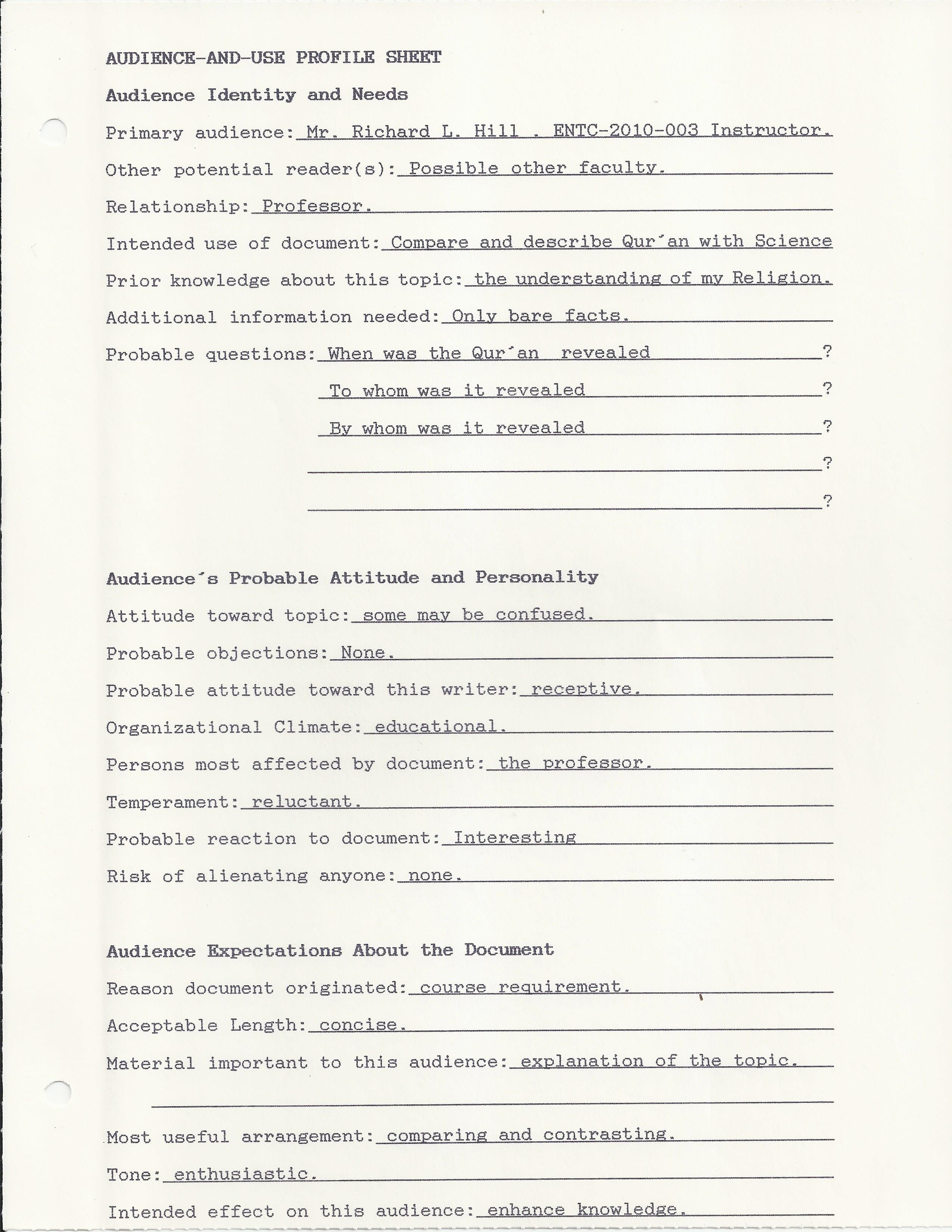
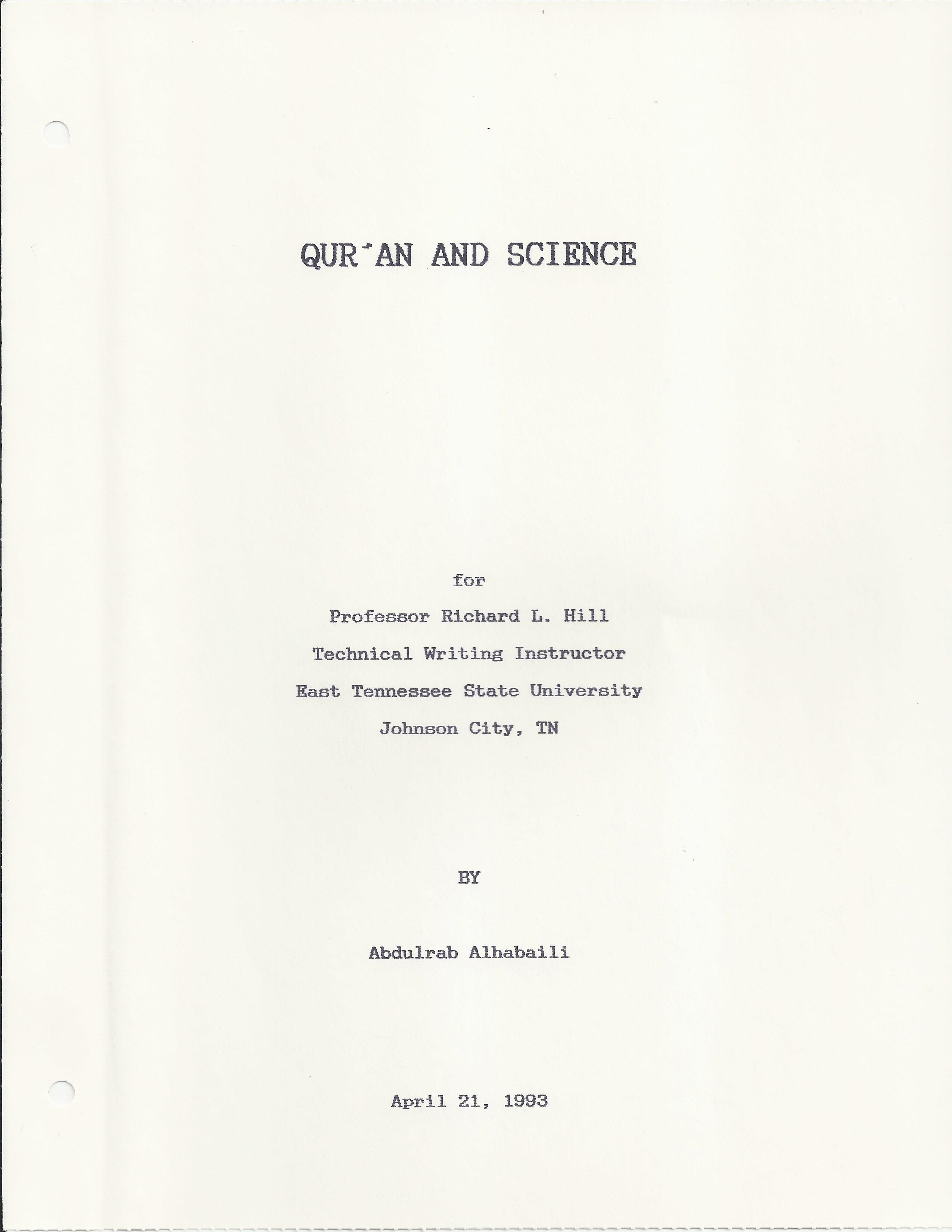
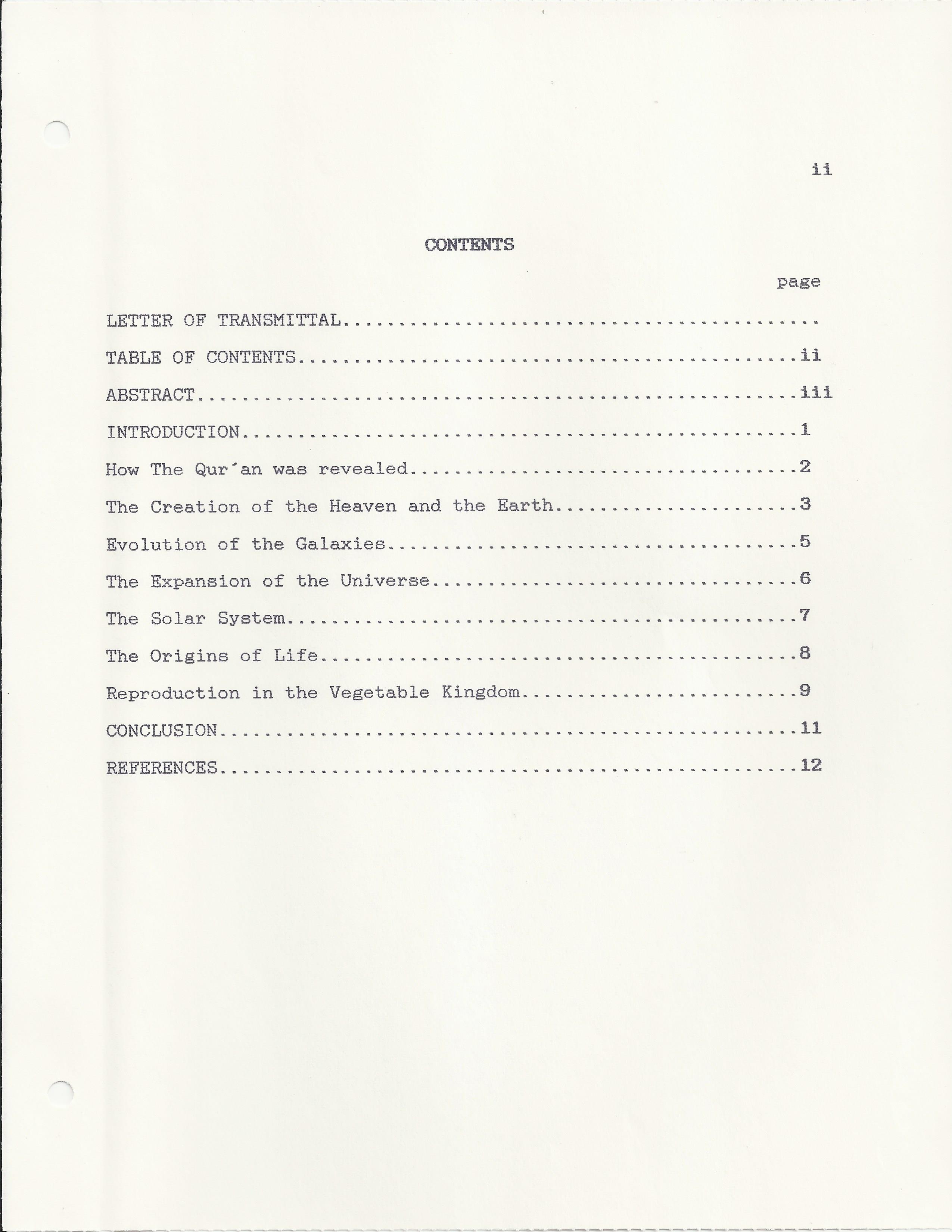
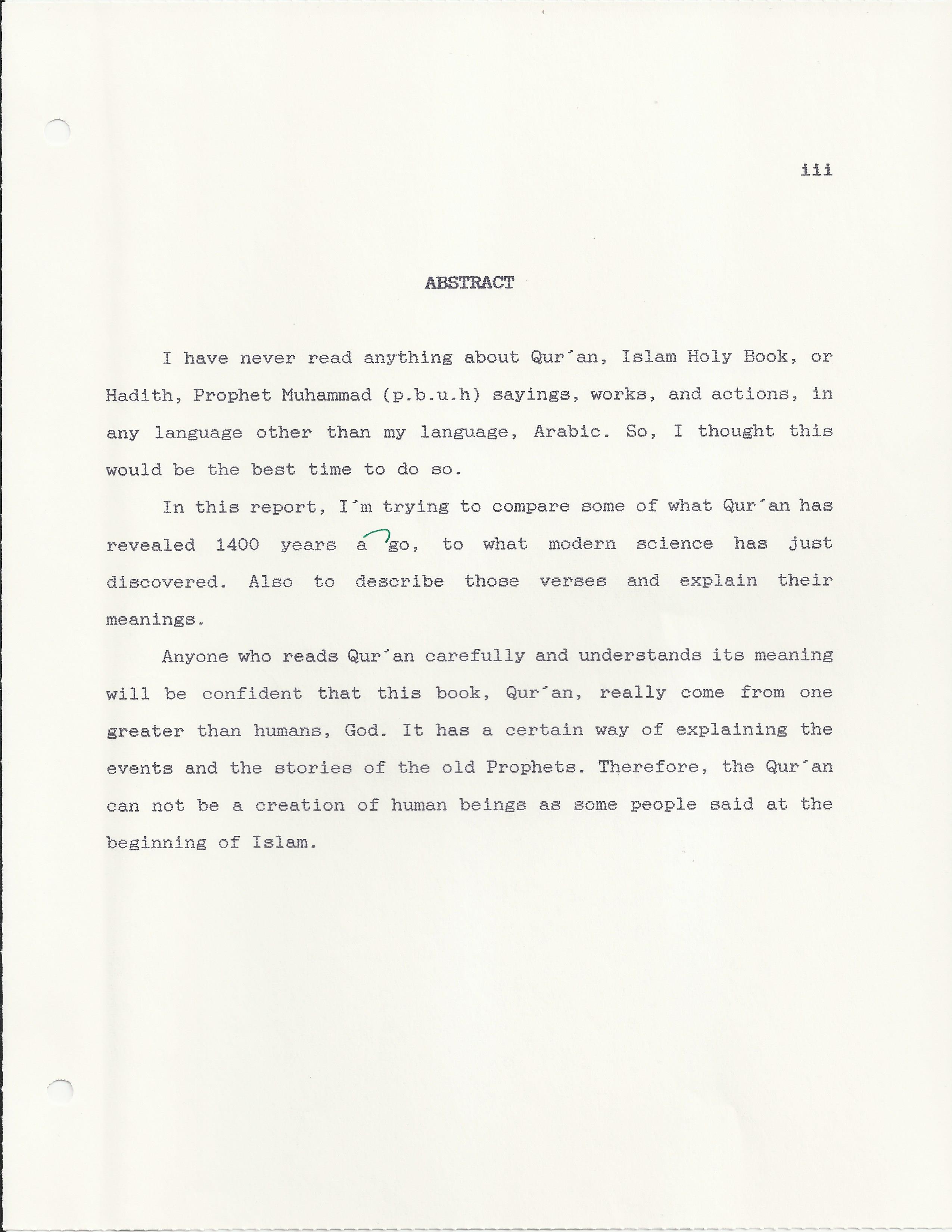
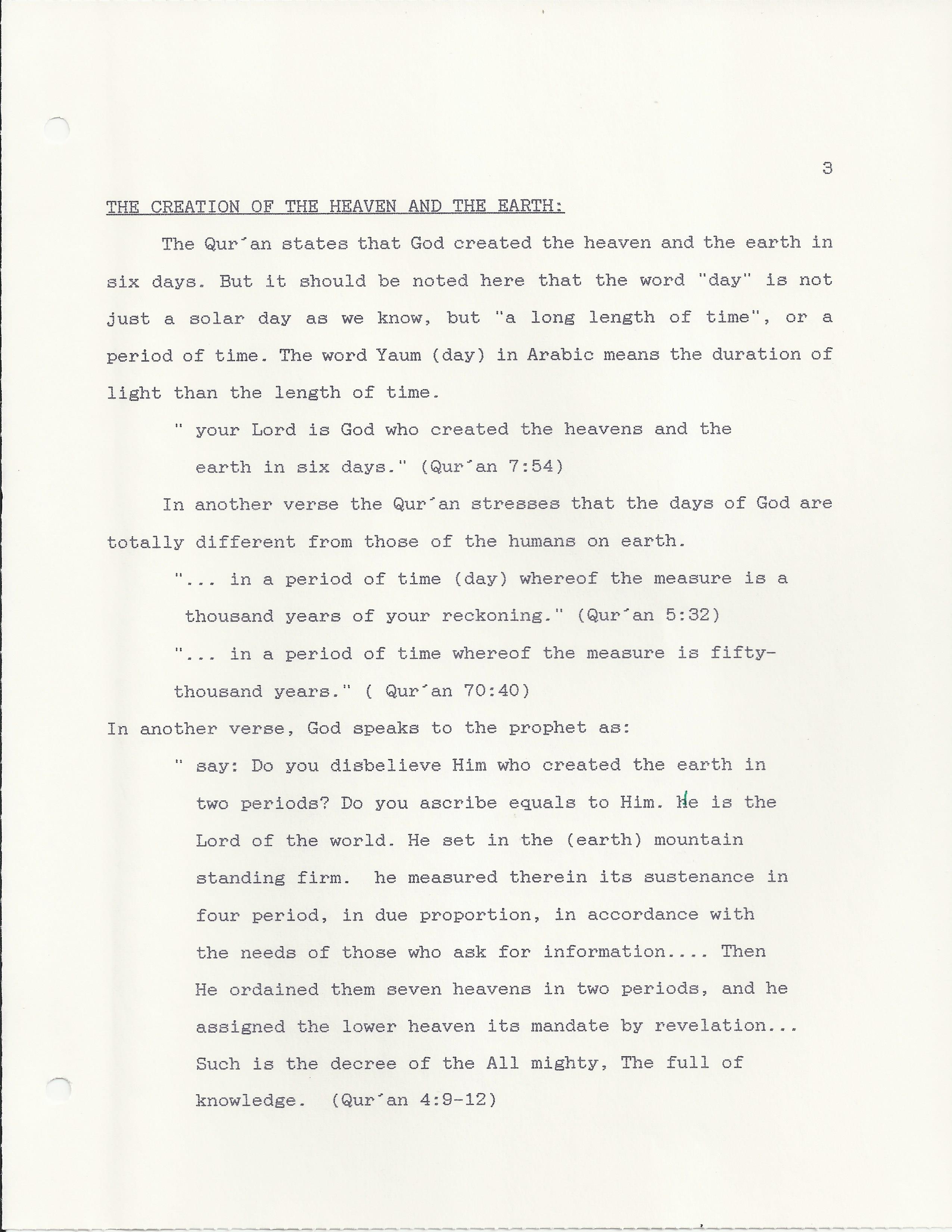
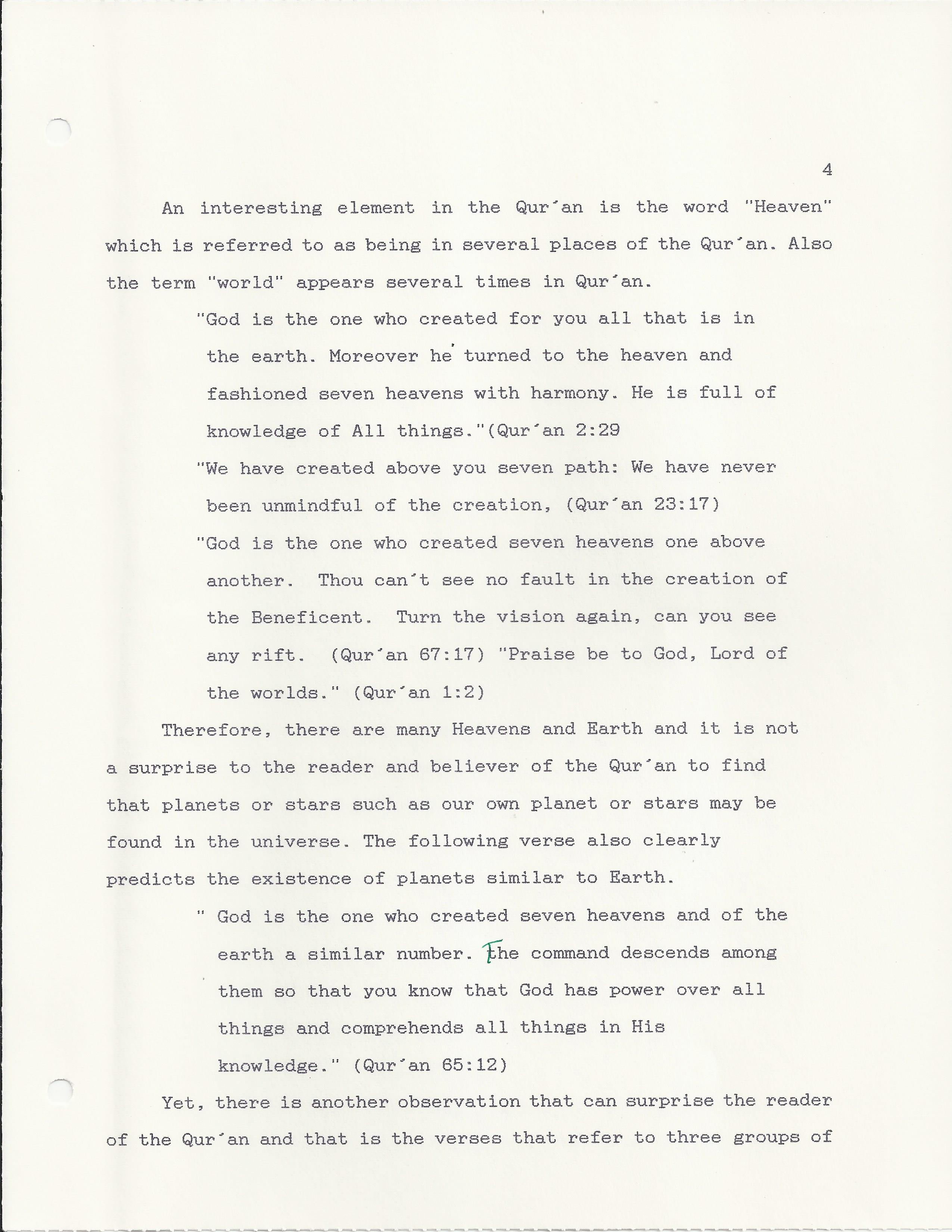
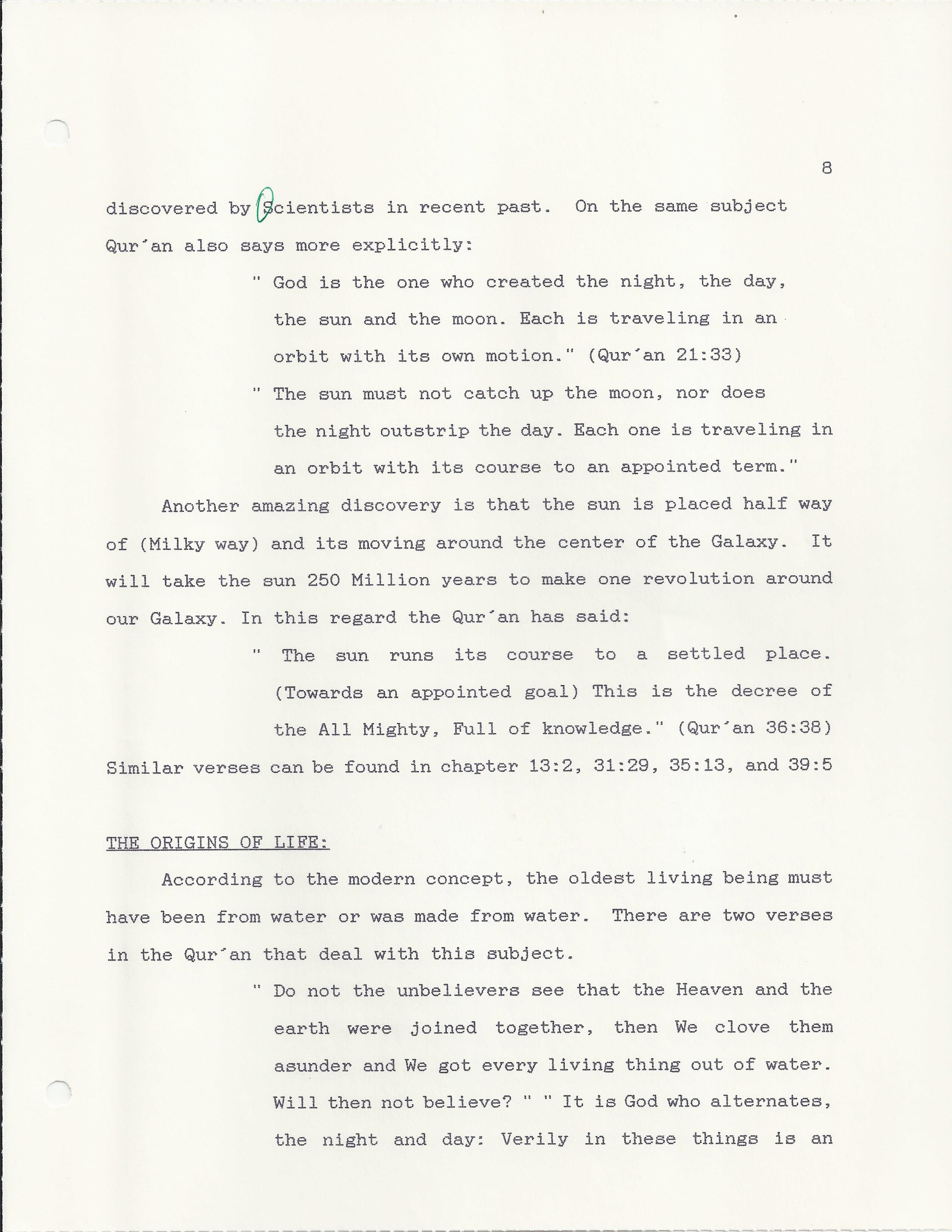
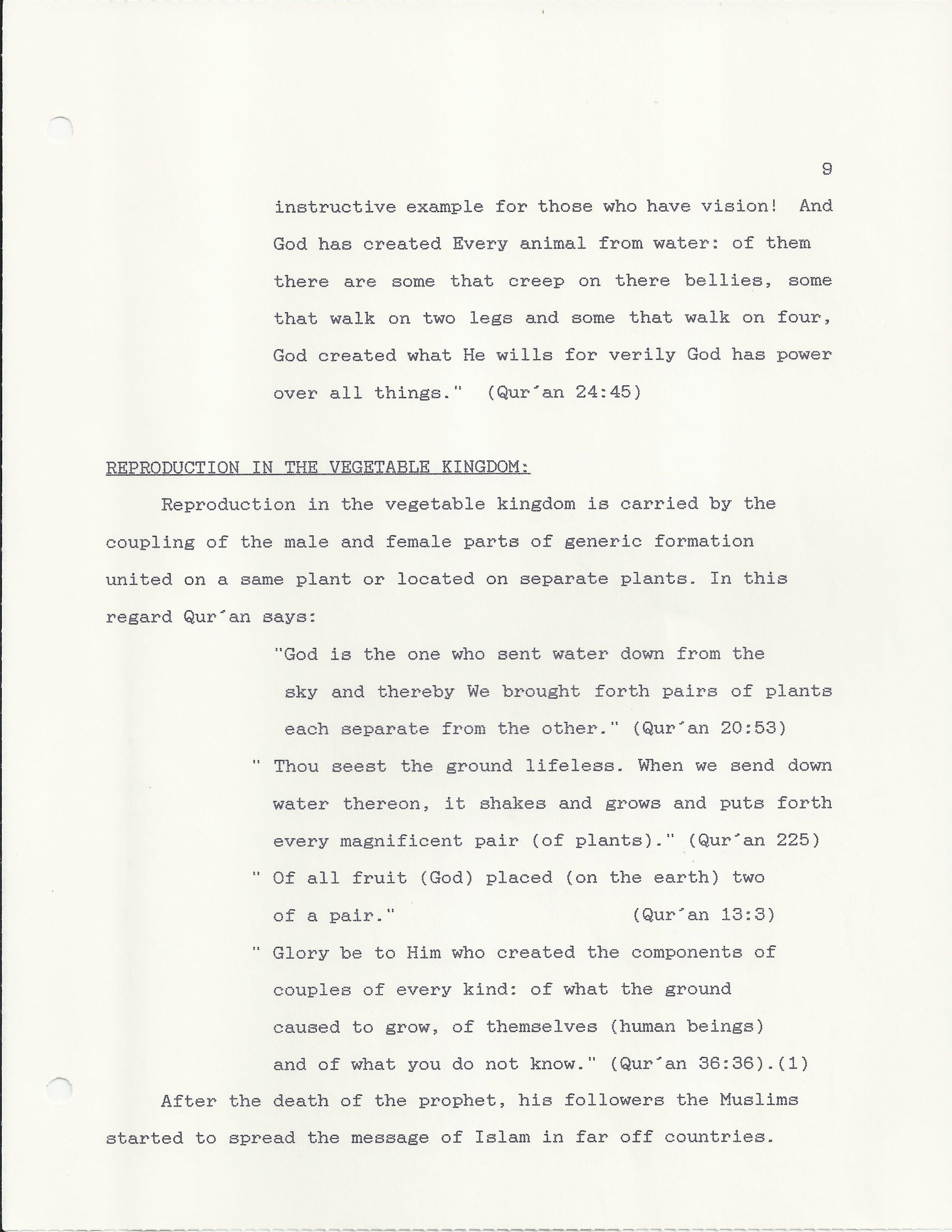
My father was an adjunct professor for over two decades and enjoyed learning from his students as much as he enjoyed teaching them. One of his students shared his cultural/religious/scientific view with my father via a report — interesting to think about as we debate military action in and around Syria:








Jhgf
Lee stood in the middle of the nature preserve, his crosstraining shoes upon the concrete path of the city greenway, and looked up through light pollution at the dim outlined threads of the Milky Way galaxy.
The ends of his toes were calloused from running inside shoes a half-size too small, Lee unable to afford a new pair, his three-dollar pair of running shorts and twenty-year old T-shirt a reminder that the life of a middle-aged ascète led him to austerity years before austerity was cool all over again for the very next time.
He felt a pain on the left side of his neck that throbbed through the back of his shoulder, down into his left shoulder blade like a thick rubber band freezing up.
He was tired, a deep-seated nervousness gripping him like an invisible creature digging its claws into his upper back, its body hovering over him, hunching him over like a crooked old man.
Recent phrases echoed in his head, repeatedly refreshing themselves in volume before decaying into icy pain in his neck. “It’s not about what’s in your pants,” which translated into “You’re not attractive as a man.” “You’re one of my weird friends,” which translated into “You’re lucky I consider you a friend because otherwise you wouldn’t have any.” “He’s very passive-aggressive with his wife,” which translated into “Every time I see you, I talk about another person being passive-aggressive to hint to you about your own passive-aggressive issues.”
Lee took a deep breath.
He knew that writing stories was his way of dealing with a world he didn’t understand, his coping mechanism, his stress relief, his private conversation with himself as his own best friend because he trusted no one else to listen to him without judgement or reinterpretation.
His arms and hands drooped by his side.
Lee felt small, like the iridescent insects that hunkered down in the grass next to the greenway, their eyes or wing shells reflecting the light of the LED headlamp he wore while running after dark.
He had always been uncomfortable in his body, hearing kids make fun of his clumsiness, overhearing his father tell other fathers it’s not always what a kid can’t do on the ballfield that counts, his father bragging about Lee’s academic study habits and keen interest in both science and sports.
Lee put his hands on his hips, watching puffs of his breath rise up through the light beam pointing off his forehead.
He had only pretended to be interested in science and sports to keep his father’s anger directed away from Lee.
Lee knew at an early age that it was not his own interests that kept peace in the family, it was ensuring that his father’s anger was kept under control.
Thus, Lee had learned it was not what he liked that mattered.
He walked the world in fear. He developed a survivor’s mentality. He could easily tick off on his fingers what he didn’t like but had no idea what he liked for himself.
Writing was therapy, a purifying source of anti-joy that propped him up.
His thought patterns started splitting themselves into what made his father leave him alone, what made school bullies leave him alone and whatever else kept controversy and the fear of physical/mental abuse to a minimum.
After an automobile smashup in his teens, a lot of his thought patterns were reshuffled, his fears realigned, the noise in his thoughts, a kind of screaming pain with no source, making him wish every day that he was dead if the pain of the discordant thoughts would just go away and leave him alone in peace.
Years of self therapy ensued.
He depended upon the kindness of strangers to see his body in their own image, awarding him a four-year university scholarship based more on imagery than cold, hard facts. The facade quickly crumbled when Lee arrived at university, with no study skills, no motivation and little in the way of a support network for Lee himself rather than a system that was geared to keep him going down the road toward an officer’s commission in the U.S. Navy.
He spent hours in the Georgia Tech library looking at diagrams of early personal computers, dreaming of building his own, back in his parents’ basement when he was in high school playing with hand-assembled CPU systems that did little more than accept octal code in memory and display it back, Lee unable to understand how to go any further, his brain lacking logic circuitry to convert opcodes into useful subroutines and programs that weren’t spelled out in a programmer’s cookbook.
He walked the streets of Atlanta by himself, fearful of local gangs looking to protect their turf by beating a white kid in nominally black neighbourhoods.
He let his charm and innocent, nonthreatening personality protect him, which they did.
He never cared about his grades. He barely studied for the freshman calculus and chemistry classes that felt like his father’s threats all over again, leaving him no escape this time, finally showing his father the falsehood, failure and disappointment that Lee had felt he had been to his father, who had based his pride on a son simply hoping to survive childhood, if not die by a random mugging in some dark downtown Atlanta alleyway.
Those nine months in Atlanta taught Lee he had no friends. He had people who wanted to be friends with him until Lee shared his odd thought patterns with them, breaking the iconic imagery he represented in their thoughts, quickly walking away, watching them shake their heads as they wondered who he was.
Years of loneliness followed as Lee wandered from one person’s pretend image of him to the next.
He kept his thoughts to himself, burying them deeper.
He believed he was a gentle soul who just wanted to live in a cabin in the woods, freed from the cycle of first impressing and then unimpressing people, tired of one disappointment after another.
The girl from his summer camp days, with whom he had exchanged handwritten letters in the mail, seemed to be the only one who never saw Lee as strange or disappointing.
He loved her and hated her for accepting him as he was because by loving him she accepted him as a product of his father whom he feared which meant that Lee feared her, too.
Lee’s thoughts drifted, returning to the present.
How long had he stood by himself under the stars on a concrete path surrounded by woodland wrapped by suburban tracts filled with thousands of people?
He held the contemplative thoughts in as close a sequence as possible for writing down later on.
His thoughts were the only thing that mattered to him, worth more than gold.
He had once been a person who negotiated multimillion-dollar international contracts, flying across the globe for meetings, wondering when he was going to fulfill his dream of an ascète, withdrawing from the world his only hope for quieting the painful noise in his thoughts that never went away except when he was drunk or asleep, constantly on alert to cocoon himself from his business colleagues so they wouldn’t see his brain was crisscrossed with insane thought patterns.
The numbed ends of his toes and the needlepoint pains in his hips woke him from his daydream.
He shuffle-jogged over the concrete pathway, knowing he had forty-five more minutes with himself on the trail and roadside to add to his thoughts that he’d write down after he returned home, kissed his wife, petted the cats and showered.
The life of the frugal millionaire was coming back to him again, as close to happiness as a hunched-over simple man could ask for before he died, as entertained by a caterpillar munching on a redbud leaf outside the window as by the behaviour of his species in its desire to develop and maintain weapons of mass destruction as a form of godlike deterrent against the use of our worst hatred toward people unlike us.
Lee had learned to manage his fear. What about the other seven-plus billion of us?
I hate Edward Snowden
I’ll say it again, I hate Edward Snowden. His whistleblowing has ruined my fantasies of leading the hidden, covert life of a doublecrossing secret agent. I wish him a miserable existence as a man without a country, forever on the run from haters like me, worse off than Salman Rushdie with a bounty on his head.
It’s from me it’s for you. It’s from you, it’s for me. It’s a worldwide symphony
The U.S. president stood at the podium and looked at the camera.
“Earlier today I authorised a large-scale mobilisation of our naval and air forces to converge on Syria.
“I have not made this decision lightly. In fact, I consulted with historians as well as your elected representatives on both sides of the aisle.
“Based on the advice I graciously received, I instructed our armed forces to take the following action.
“One, we have a brotherly and sisterly love for the Syrian people. Our first order of business is to flood the cities and neighbourhoods of Syria with leaflets warning of our plans we are declaring in full disclosure to every country that wants to interfere with our humanitarian mission to prevent more senseless bloodshed, offering a peaceful solution backed by our military might to restore order.
“Two, a massive airlift is now underway. We will soon drop air cargo loads filled with blocks of pure, nutritious American cheese from our country’s heartland to feed the Syrian people in dire need of real food.
“Three, to address the rumours of starvation driven by despair and depression and to prevent any chance of malaria or other tropical disease, we will spray the people of Syria and their beloved geography with a special formulated mix of pest-deterring organic cannabinoids and low-concentration psilocybin, which I have been assured by both scientific and medical experts will restore the appetites and happiness of war-weary inhabitants of the City of Jasmine and other metropolitan areas ravaged by over two years of civil war.
“Four, we will offer a trade-in program for citizens on all sides of the Syrian conflict. Every gun, tank, missile, ammunition or other weapon not authorised for the strict use of American military to protect global citizens in Syria is eligible for this program. If you turn in a weapon, we will provide you with enough food and clothing to last you a year. In addition, we will send you to a nearby training centre to provide you the trade skills and business acumen to start your own business to compete in the world economy.
“My fifth and final announcement on this important issue. We ask not only the Syrians but all the people of the Middle East to open their stores and shops to people of any race, creed, national origin, political or religious difference. If you do so, your family will prosper. At the end of the day, isn’t that what we want for ourselves and our children?
“That’s all that the United States of America is trying to do here, provide Syrians with a peaceful path toward prosperity, cementing a healthy relationship with the rest of the world. No other country can offer or is offering you such a solution.
“My administration will keep our phones and doors open for Syrians. Talk to us after you read our leaflets.
Thank you. No questions.”
The president walked off the platform and turned to his closest advisor. “Okay, now that that’s over, do you have the latest update on Tiger’s golf score?”
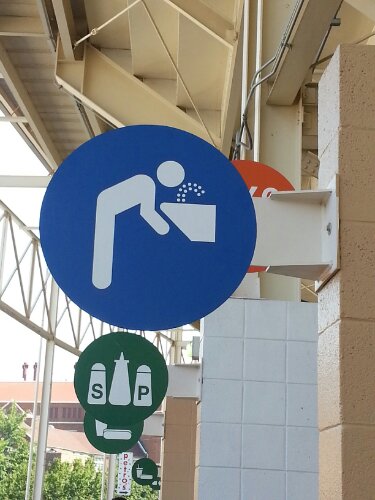
Stadium water torture?
Is civility civil in “civil war”? Does it matter if it’s Spanish or Syrian by nature?
Yesterday all the past. The language of size
Spreading to China along the trade-routes; the diffusion
Of the counting-frame and the cromlech;
Yesterday the shadow-reckoning in the sunny climates.
Spreading to China along the trade-routes; the diffusion
Of the counting-frame and the cromlech;
Yesterday the shadow-reckoning in the sunny climates.
Yesterday the assessment of insurance by cards,
The divination of water; yesterday the invention
Of cartwheels and clocks, the taming of
Horses. Yesterday the bustling world of the navigators.
Yesterday the abolition of fairies and giants,
the fortress like a motionless eagle eyeing the valley,
the chapel built in the forest;
Yesterday the carving of angels and alarming gargoyles;
The trial of heretics among the columns of stone;
Yesterday the theological feuds in the taverns
And the miraculous cure at the fountain;
Yesterday the Sabbath of witches; but to-day the struggle
Yesterday the installation of dynamos and turbines,
The construction of railways in the colonial desert;
Yesterday the classic lecture
On the origin of Mankind. But to-day the struggle.
Yesterday the belief in the absolute value of Greek,
The fall of the curtain upon the death of a hero;
Yesterday the prayer to the sunset
And the adoration of madmen. but to-day the struggle.
As the poet whispers, startled among the pines,
Or where the loose waterfall sings compact, or upright
On the crag by the leaning tower:
“O my vision. O send me the luck of the sailor.”
And the investigator peers through his instruments
At the inhuman provinces, the virile bacillus
Or enormous Jupiter finished:
“But the lives of my friends. I inquire. I inquire.”
And the poor in their fireless lodgings, dropping the sheets
Of the evening paper: “Our day is our loss. O show us
History the operator, the
Organiser. Time the refreshing river.”
And the nations combine each cry, invoking the life
That shapes the individual belly and orders
The private nocturnal terror:
“Did you not found the city state of the sponge,
“Raise the vast military empires of the shark
And the tiger, establish the robin’s plucky canton?
Intervene. O descend as a dove or
A furious papa or a mild engineer, but descend.”
And the life, if it answers at all, replied from the heart
And the eyes and the lungs, from the shops and squares of the city
“O no, I am not the mover;
Not to-day; not to you. To you, I’m the
“Yes-man, the bar-companion, the easily-duped;
I am whatever you do. I am your vow to be
Good, your humorous story.
I am your business voice. I am your marriage.
“What’s your proposal? To build the just city? I will.
I agree. Or is it the suicide pact, the romantic
Death? Very well, I accept, for
I am your choice, your decision. Yes, I am Spain.”
Many have heard it on remote peninsulas,
On sleepy plains, in the aberrant fishermen’s islands
Or the corrupt heart of the city.
Have heard and migrated like gulls or the seeds of a flower.
They clung like burrs to the long expresses that lurch
Through the unjust lands, through the night, through the alpine tunnel;
They floated over the oceans;
They walked the passes. All presented their lives.
On that arid square, that fragment nipped off from hot
Africa, soldered so crudely to inventive Europe;
On that tableland scored by rivers,
Our thoughts have bodies; the menacing shapes of our fever
Are precise and alive. For the fears which made us respond
To the medicine ad, and the brochure of winter cruises
Have become invading battalions;
And our faces, the institute-face, the chain-store, the ruin
Are projecting their greed as the firing squad and the bomb.
Madrid is the heart. Our moments of tenderness blossom
As the ambulance and the sandbag;
Our hours of friendship into a people’s army.
To-morrow, perhaps the future. The research on fatigue
And the movements of packers; the gradual exploring of all the
Octaves of radiation;
To-morrow the enlarging of consciousness by diet and breathing.
To-morrow the rediscovery of romantic love,
the photographing of ravens; all the fun under
Liberty’s masterful shadow;
To-morrow the hour of the pageant-master and the musician,
The beautiful roar of the chorus under the dome;
To-morrow the exchanging of tips on the breeding of terriers,
The eager election of chairmen
By the sudden forest of hands. But to-day the struggle.
To-morrow for the young the poets exploding like bombs,
The walks by the lake, the weeks of perfect communion;
To-morrow the bicycle races
Through the suburbs on summer evenings. But to-day the struggle.
To-day the deliberate increase in the chances of death,
The consious acceptance of guilt in the necessary murder;
To-day the expending of powers
On the flat ephemeral pamphlet and the boring meeting.
To-day the makeshift consolations: the shared cigarette,
The cards in the candlelit barn, and the scraping concert,
The masculine jokes; to-day the
Fumbled and unsatisfactory embrace before hurting.
The stars are dead. The animals will not look.
We are left alone with our day, and the time is short, and
History to the defeated
May say Alas but cannot help nor pardon.
Lesson for the day
If there’s only one thing you take away from this blog today, it’s this:
When giving a presentation to the military about new technological advances, make sure you first show how you’re protecting the lives of military personnel on the ground, in the air and/or on/under the water — technology is replaceable stuff, expendable, but people are not.
 treetrunkdings