
A big nod to Stan Kenton’s former trumpet player!
A big nod to Stan Kenton’s former trumpet player!
Blog entries of the day:
1. Cloudy with a chance of expats
2. Apartments are flat-out flooded flats.
Two news articles to prime the pump for future blog entries:
Thx to Penny, Rainy, Ferdie, and Rich at Thai Garden — Rainy, we’ll show up to play badminton with you soon!
Thx to the crew who keep the Big Cove greenway cleaned of debris; Wiregrass Construction Company; people who post tunes to YouTube.
Thx to the USPS office on Governor’s Drive; Jennifer of UAH Alumni Association.
13 Sept 2013 Dr Emil Jovanov. UAH alumni lunch n learn. Opening by David Kingsbury, UAH Alumni president
BIO: Dr. Emil Jovanov, received bachelor and doctorate from Univ of Belgrade. http://www.ece.uah.edu/~jovanov; emil.jovanov@.edu
Dr. Jovanov teaches and supports realtime and embedded systems, wearable and ubiquitous monitoring, senior student design: education and playground, technology commercialization, new products and businesses such as SmartBottle…AdhereTech (www.adheretech.com)
Ubiquitous Health Monitoring – wireless body area network [WBAN] (2005) Journal of NeuroEngineering and Rehabilitation
WBAN via Zigbee connects to personal server (smartphone) integrates via GPRS/Bluetooth/WLAN with Internet for access to/by weather forecast, emergency, caregiver, medical server and physician
diabetics monitor blood sugar level, doctor can see if you walked as much as you said, when you ate, etc.; ECG
mHealth – http://portal.mhealth.uah.edu/public/index.php
— stress monitoring for nurses, etc.
WBAN includes SmartBottle approach:
in 1994, est. that $100B cost to economy for taking medicine incorrectly; $300B increased costs, $100B lost revenue
MDs/pharmacists need accurate monitoring method; patients need secure system.
— typical use: pill boxes don’t account for “Take on full/empty stomach”
— automated pill boxes based on time
— RFIDs — acid in stomach will activate chip in pill; smartphone will record info; expensive approach, good for specialised drugs
Great potential for smart pill bottle
— Robert Gold, R. Ph, MBA, Newburgh, Indiana
— Prototype development, senior design team:
=> Sreca Jovanov -HW and Sensor Dev
=> Charles Acker – Embedded and PC SW
=> Michael King – Embedded SW
UAH Patent; MBA Graduate project at Wharton School of Business
Completely wireless system; communication between SmartBottle, Reminder Unit, Home Server, and Remote Server; automated reminders and monitoring of medication
Approaches: initial idea – weight measurement but mechanical issues were potentially problematic; breakthrough – capacitive measurement of pills in bottle C=A*e/d (conductive plates (A) sandwiching dielectric medium (d)); measuring capacitive response of empty bottle; smart bottle prototype in spring 2007, connected CVS bottle with unit including wireless module — proof of concept worked – good linear plot of data with 2-3% error (e.g., 2 to 3 pills out of 100); US Patent issued in 2011; SmartBottle Development 2012 update: Test system, AD7745 capacitance to digital converter, accuracy: +/- 4 fF (femtofarads (10 to minus 15th power)); evaluation of patterns and designs – have to compromise total capacitance against accuracy of pill measurement
AdhereTech – winner of 2013 Healthcare Innovation World Cup
Reader’s Digest, September 2013, one of 20 MindBlowing Medical Breakthroughs, technology should be available by September of 2014
Wireless in the bottle (Verizon); measures and send open/close of bottle; 45 day battery = no charge
Nontech savvy – use bottle as regular bottle
Tech savvy – text/email reminder, etc.
Helps monitor: Forgetfulness; purposely omitted pill taking; low priority conduct
Pharma: captures percentage of increased revenues, especially for clinical trials of extremely-expensive medication
Hospitals: used to make money on readmissions but no more — want to reduce readmissions; hospitals penalised 1% CMS payments for readmissions (`$14000/year) with higher penalties in following years; poor adherence to drug plan is most common reason patients are readmitted. CHF: 25% readmission rate; heart attack: 20% readmission rate; pneumonia:18% readmission rate; more diseased states penalized every year
Provides aggregate adherence data for healthcare pros; personal data for patients
Examples of Secured deals: Walter Reed Natl Military Med Ctr; Weill Cornell Medical College; Univ of Michigan
Competitors: Vitality GlowCaps; Proteus Digital Health; plain/automated Pill boxes; Adherence smartphone/tablet apps
Pilot clinical trials start in 2014
Benefits include passive intrusion, no change to current pill users’ behaviour.
Strong IP, team, business models and traction in media!
==> info@AdhereTech.com: Featured in WSJ, TIME, WIRED, TEDMED, Fast Company, TechCrunch, MEDCITY, the Atlantic, StartUpHealth, Blueprint Health, GIGAOM, Xconomy
Sent from my iPad


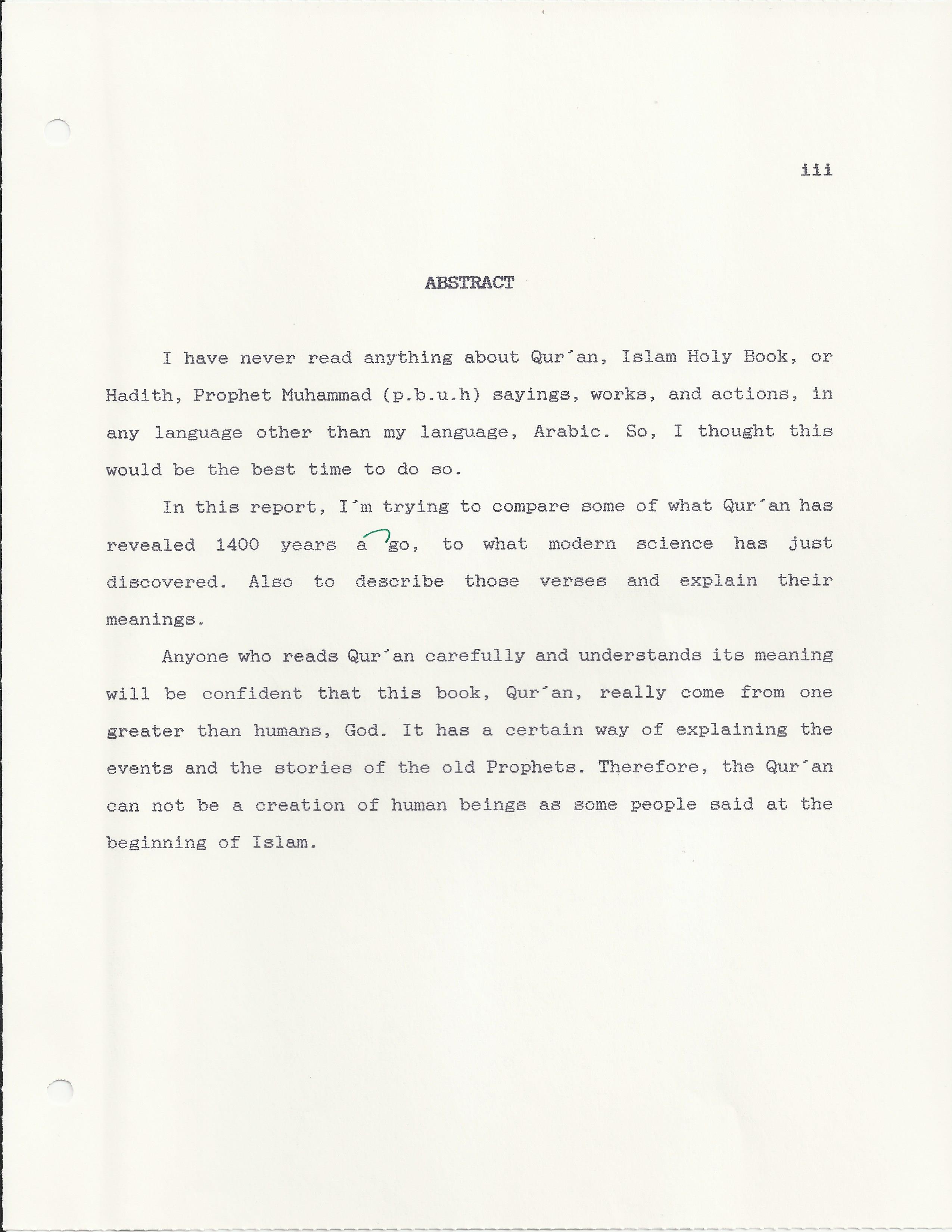
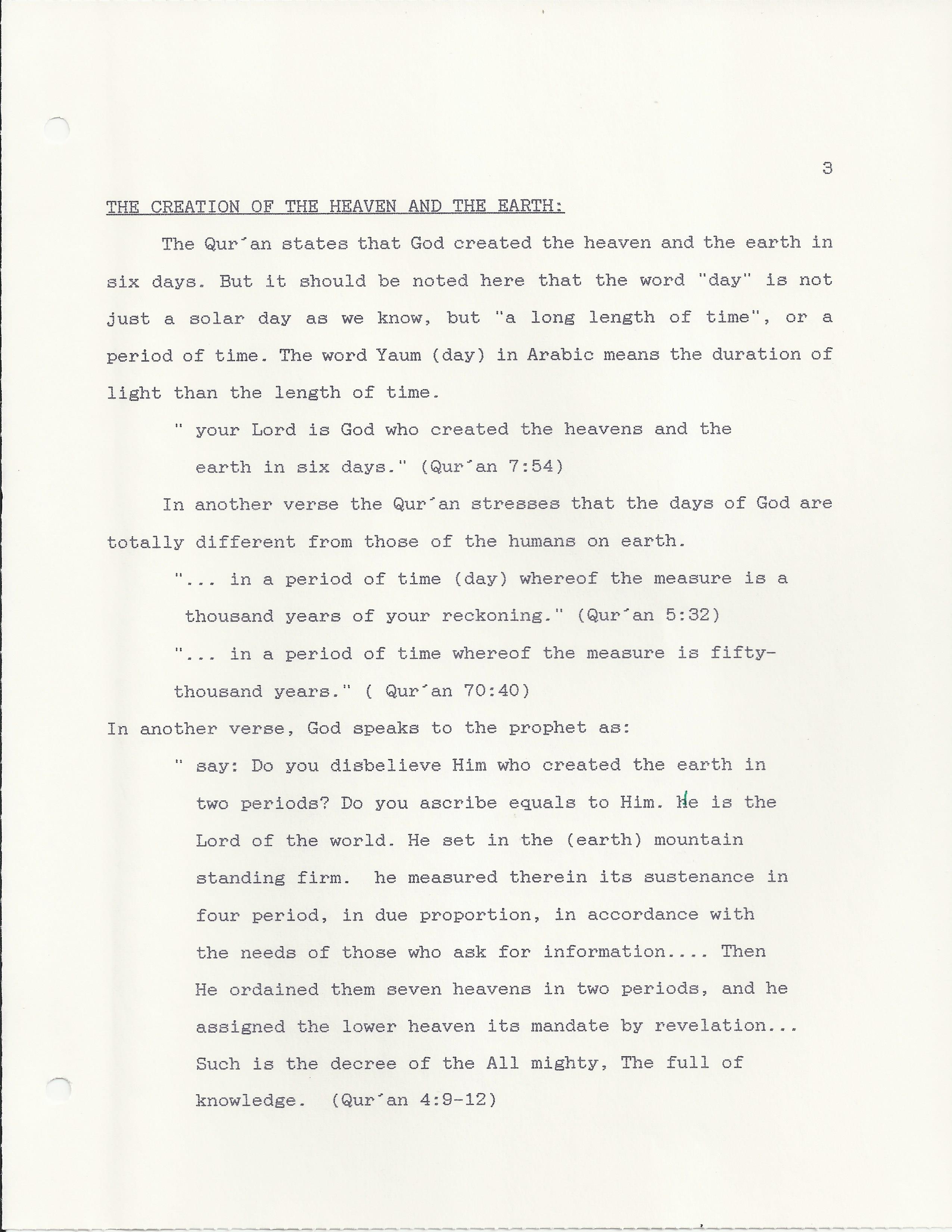
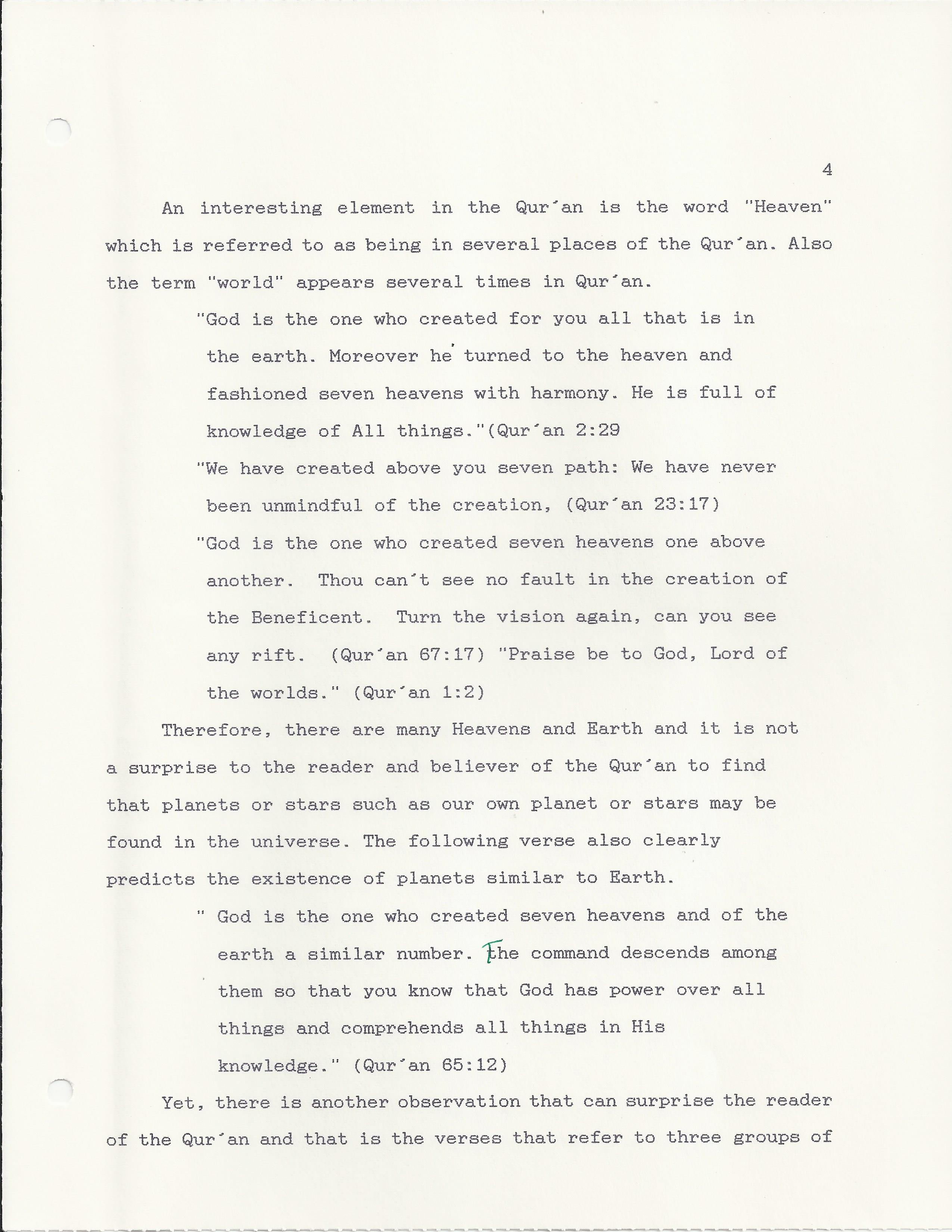
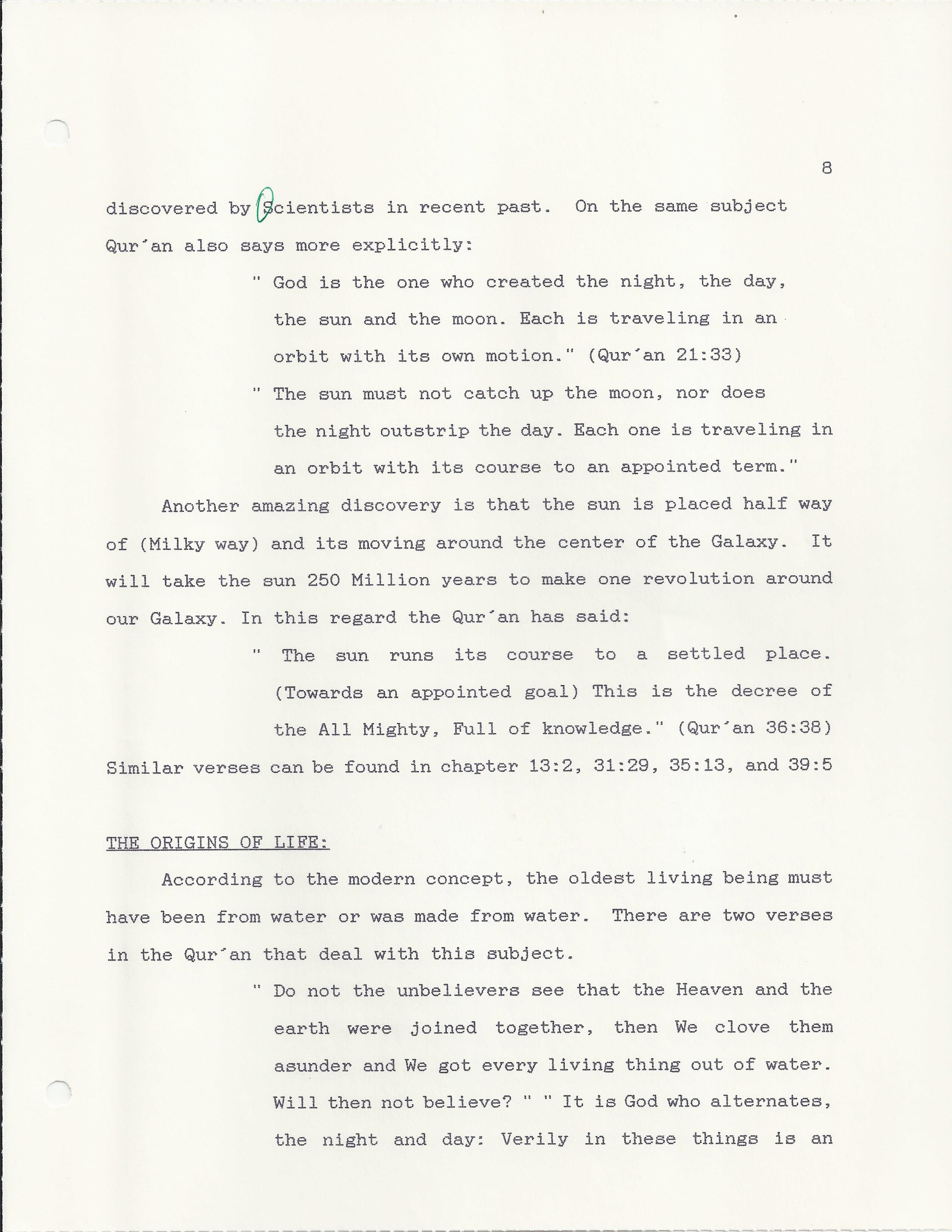
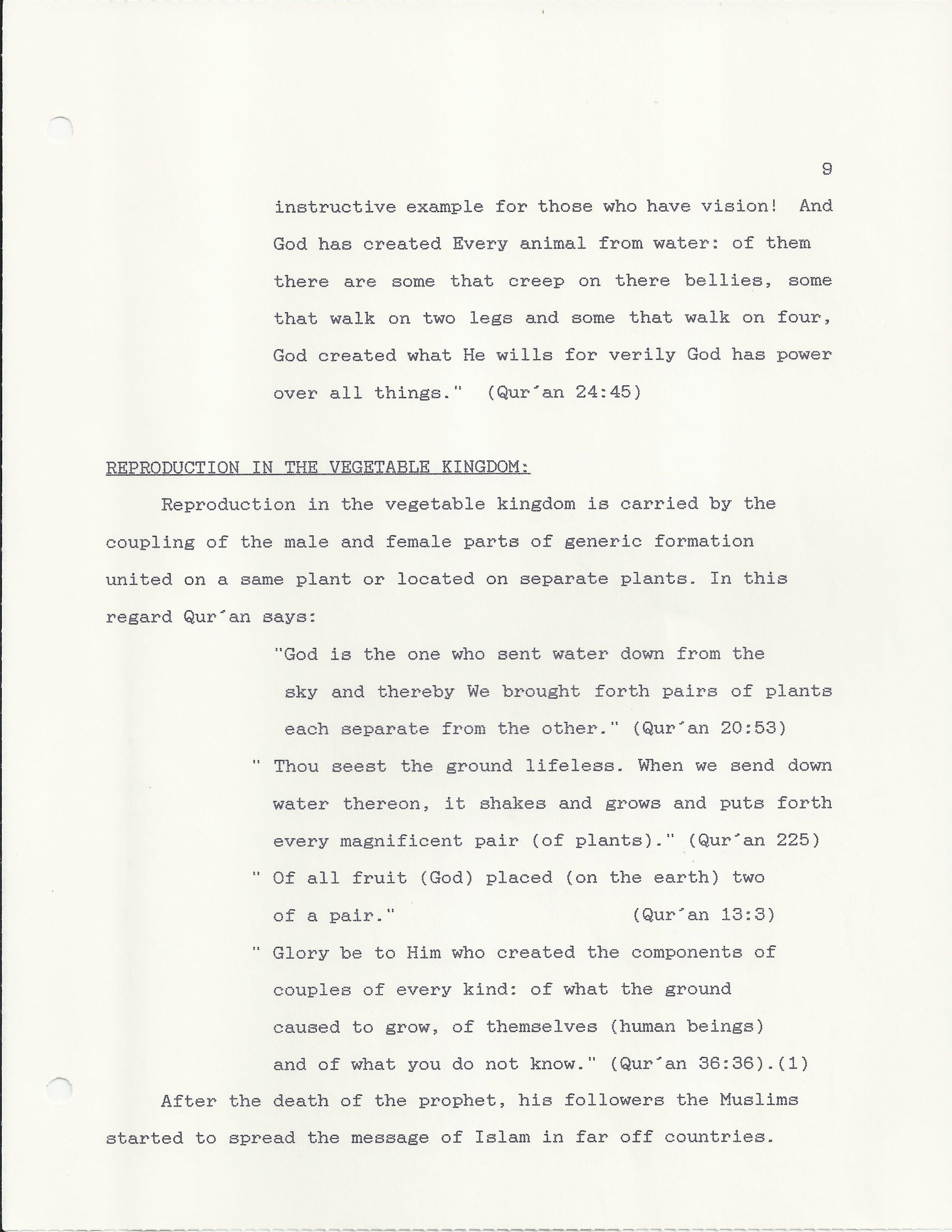
My father was an adjunct professor for over two decades and enjoyed learning from his students as much as he enjoyed teaching them. One of his students shared his cultural/religious/scientific view with my father via a report — interesting to think about as we debate military action in and around Syria:








Lee stood in the middle of the nature preserve, his crosstraining shoes upon the concrete path of the city greenway, and looked up through light pollution at the dim outlined threads of the Milky Way galaxy.
The ends of his toes were calloused from running inside shoes a half-size too small, Lee unable to afford a new pair, his three-dollar pair of running shorts and twenty-year old T-shirt a reminder that the life of a middle-aged ascète led him to austerity years before austerity was cool all over again for the very next time.
He felt a pain on the left side of his neck that throbbed through the back of his shoulder, down into his left shoulder blade like a thick rubber band freezing up.
He was tired, a deep-seated nervousness gripping him like an invisible creature digging its claws into his upper back, its body hovering over him, hunching him over like a crooked old man.
Recent phrases echoed in his head, repeatedly refreshing themselves in volume before decaying into icy pain in his neck. “It’s not about what’s in your pants,” which translated into “You’re not attractive as a man.” “You’re one of my weird friends,” which translated into “You’re lucky I consider you a friend because otherwise you wouldn’t have any.” “He’s very passive-aggressive with his wife,” which translated into “Every time I see you, I talk about another person being passive-aggressive to hint to you about your own passive-aggressive issues.”
Lee took a deep breath.
He knew that writing stories was his way of dealing with a world he didn’t understand, his coping mechanism, his stress relief, his private conversation with himself as his own best friend because he trusted no one else to listen to him without judgement or reinterpretation.
His arms and hands drooped by his side.
Lee felt small, like the iridescent insects that hunkered down in the grass next to the greenway, their eyes or wing shells reflecting the light of the LED headlamp he wore while running after dark.
He had always been uncomfortable in his body, hearing kids make fun of his clumsiness, overhearing his father tell other fathers it’s not always what a kid can’t do on the ballfield that counts, his father bragging about Lee’s academic study habits and keen interest in both science and sports.
Lee put his hands on his hips, watching puffs of his breath rise up through the light beam pointing off his forehead.
He had only pretended to be interested in science and sports to keep his father’s anger directed away from Lee.
Lee knew at an early age that it was not his own interests that kept peace in the family, it was ensuring that his father’s anger was kept under control.
Thus, Lee had learned it was not what he liked that mattered.
He walked the world in fear. He developed a survivor’s mentality. He could easily tick off on his fingers what he didn’t like but had no idea what he liked for himself.
Writing was therapy, a purifying source of anti-joy that propped him up.
His thought patterns started splitting themselves into what made his father leave him alone, what made school bullies leave him alone and whatever else kept controversy and the fear of physical/mental abuse to a minimum.
After an automobile smashup in his teens, a lot of his thought patterns were reshuffled, his fears realigned, the noise in his thoughts, a kind of screaming pain with no source, making him wish every day that he was dead if the pain of the discordant thoughts would just go away and leave him alone in peace.
Years of self therapy ensued.
He depended upon the kindness of strangers to see his body in their own image, awarding him a four-year university scholarship based more on imagery than cold, hard facts. The facade quickly crumbled when Lee arrived at university, with no study skills, no motivation and little in the way of a support network for Lee himself rather than a system that was geared to keep him going down the road toward an officer’s commission in the U.S. Navy.
He spent hours in the Georgia Tech library looking at diagrams of early personal computers, dreaming of building his own, back in his parents’ basement when he was in high school playing with hand-assembled CPU systems that did little more than accept octal code in memory and display it back, Lee unable to understand how to go any further, his brain lacking logic circuitry to convert opcodes into useful subroutines and programs that weren’t spelled out in a programmer’s cookbook.
He walked the streets of Atlanta by himself, fearful of local gangs looking to protect their turf by beating a white kid in nominally black neighbourhoods.
He let his charm and innocent, nonthreatening personality protect him, which they did.
He never cared about his grades. He barely studied for the freshman calculus and chemistry classes that felt like his father’s threats all over again, leaving him no escape this time, finally showing his father the falsehood, failure and disappointment that Lee had felt he had been to his father, who had based his pride on a son simply hoping to survive childhood, if not die by a random mugging in some dark downtown Atlanta alleyway.
Those nine months in Atlanta taught Lee he had no friends. He had people who wanted to be friends with him until Lee shared his odd thought patterns with them, breaking the iconic imagery he represented in their thoughts, quickly walking away, watching them shake their heads as they wondered who he was.
Years of loneliness followed as Lee wandered from one person’s pretend image of him to the next.
He kept his thoughts to himself, burying them deeper.
He believed he was a gentle soul who just wanted to live in a cabin in the woods, freed from the cycle of first impressing and then unimpressing people, tired of one disappointment after another.
The girl from his summer camp days, with whom he had exchanged handwritten letters in the mail, seemed to be the only one who never saw Lee as strange or disappointing.
He loved her and hated her for accepting him as he was because by loving him she accepted him as a product of his father whom he feared which meant that Lee feared her, too.
Lee’s thoughts drifted, returning to the present.
How long had he stood by himself under the stars on a concrete path surrounded by woodland wrapped by suburban tracts filled with thousands of people?
He held the contemplative thoughts in as close a sequence as possible for writing down later on.
His thoughts were the only thing that mattered to him, worth more than gold.
He had once been a person who negotiated multimillion-dollar international contracts, flying across the globe for meetings, wondering when he was going to fulfill his dream of an ascète, withdrawing from the world his only hope for quieting the painful noise in his thoughts that never went away except when he was drunk or asleep, constantly on alert to cocoon himself from his business colleagues so they wouldn’t see his brain was crisscrossed with insane thought patterns.
The numbed ends of his toes and the needlepoint pains in his hips woke him from his daydream.
He shuffle-jogged over the concrete pathway, knowing he had forty-five more minutes with himself on the trail and roadside to add to his thoughts that he’d write down after he returned home, kissed his wife, petted the cats and showered.
The life of the frugal millionaire was coming back to him again, as close to happiness as a hunched-over simple man could ask for before he died, as entertained by a caterpillar munching on a redbud leaf outside the window as by the behaviour of his species in its desire to develop and maintain weapons of mass destruction as a form of godlike deterrent against the use of our worst hatred toward people unlike us.
Lee had learned to manage his fear. What about the other seven-plus billion of us?
 treetrunkdings