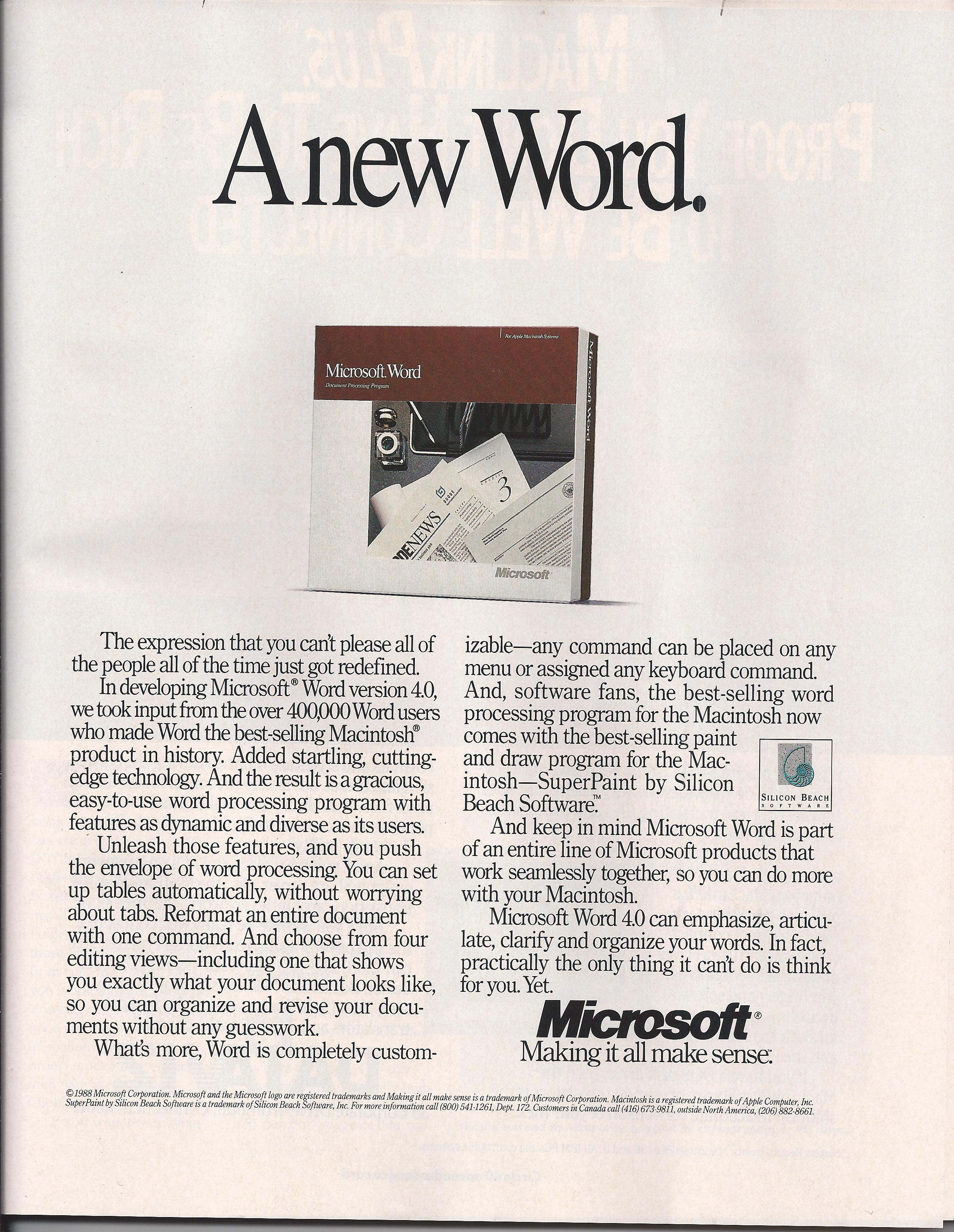
Old 41 and 42 Make Last Runs, Closing An Era

Have you ever ridden on an old passenger train?

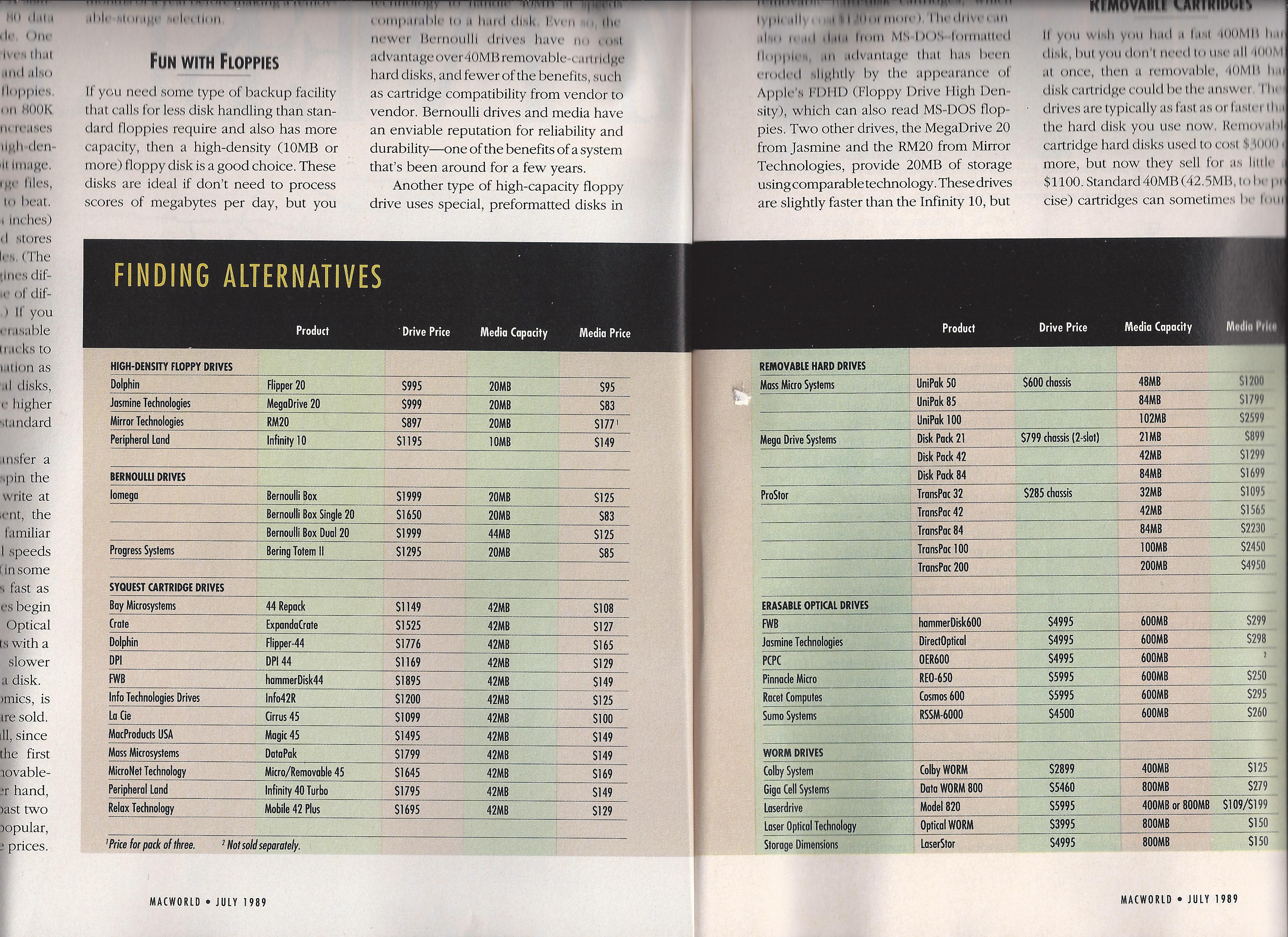
I and my friends, Ricky (standing behind me), Kevin (in glasses and checkered glasses), along with other classmates did, way back in 1969:

Old-41-makes-last-run-1969-closeup Old-41-makes-last-run-1969-textOld-41-makes-last-run-1969


Some passenger train services, like the Alaska Railroad, offer the thrill of a nice, slow ride on railroad tracks.

Maybe a bullet/maglev train is in your future, instead?

Pictures of youth

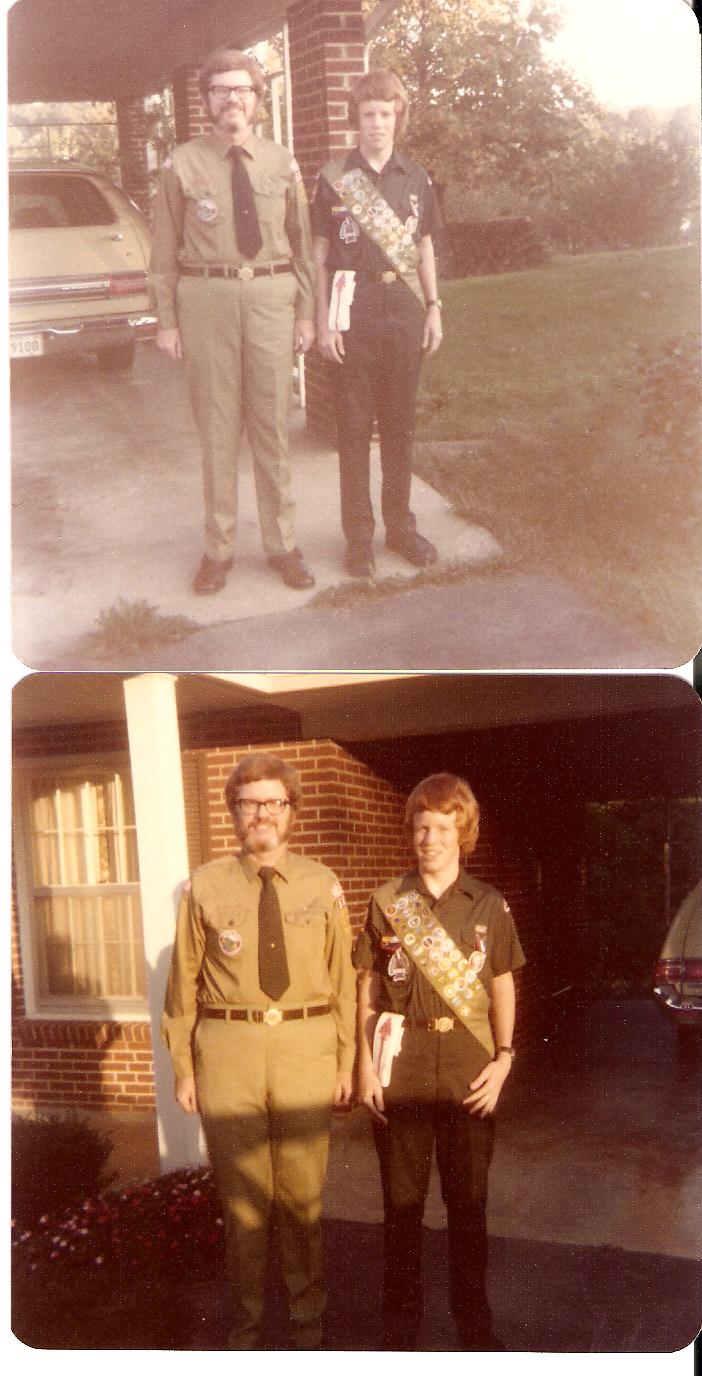
For family — here are some pics my mother showed today of her husband and son, Assistant Troop Leader and Eagle Scout, respectively:

Rick-and-Dad-Eagle-Scout-and-asst-leader-ca-1976

I fondly remember being that skinny and that young a few decades ago, lugging 50-pound backpacks on the Appalachian Trail!

[The knees and back don’t remember those days so fondly, though. lol]

When there is a world of choices, what in the world do I do?

[Personal notes. Feel free to skip.]

My mother turns 79 years young tomorrow, her first birthday without her husband nearby in 55+years.

When I get down to it, I have hundreds of social network connections, mainly revitalised via the Internet, but no one (no human) other than my wife with whom I communicate daily.

I verbally communicate with my mother on a weekly basis just as I had communicated verbally with my father and mother weekly when Dad was alive, although he and I communicated more frequently through email, trading “did you know…?” facts and jokes back and forth (with me having to remind him not to send NSFW jokes to my work email account or check Snopes before forwarding inaccurate “this is the truth because a friend of a friend told me so” emails).

My sister, her kids and my extended family communicate by randomly posting comments/photos on social networking software but I wouldn’t always call that a conversational form of communicating, somewhere between email and voice calls.

I have always enjoyed writing and was often accused by my employees of bombarding their inboxes with more email than they could read so they’d set up a special folder called “Rick/Boss” that they knew were emails from me they could read at their leisure.

I guess I was a professional email composer if not a professional writer/author.

After retiring from an office job as an engineering manager, I sat down and completed a few books that had grown or festered in my thoughts during business trips around the world.

I finished writing the books I wanted to publish before I died, one of them reaching the “Amazon Breakthrough Novel Award” semifinal level along with a review by Publishers Weekly, achieving my goal of a professional book review, no matter how good/bad (or somewhere in-between), and ended up here as a journalist/diarist in the form of a daily blogger.

Now, I have reached a point, well into the second half of my life, where exploring writing styles is of less interest.

I am comfortable writing at a level understood by those proficient in reading a variant of the English language.

Could I sit here the next 50 years of my life and do this day after day?  Yes, I could.  Possibly.  But do I want to?

Well, that’s why I’m here today.

I have played with computer technology for most of my life.  My formative years, not so much, unless you count battery-powered electromechanical toys as rudimentary computing devices because computers were mainframe monstrosities that my father used at work and I saw on television so it influenced my thoughts but was not part of my everyday life like kids today with computers in every room of their house as smartphones, smart TVs, smart appliances, smart homes, smart cars, smart toys, and PCs/tablets.

I tinkered with open source software, programming computers like a handbuilt Intel 8085 system in the 1970s, the Timex-Sinclair 1000 in the 1980s and so forth up to the Arduino in the 2010s.

I’ve played with a variety of operating systems in the process.

I post blog entries from iOS, Windows, Linux, and Android, for instance, but not in that order of frequent use.

I am used to a QWERTY keyboard but have tried a one-handed Matias keyboard and the DVORAK keyboard layout.

I am not used to thumb typing on a smartphone but have grown accustomed to swiping and pinching on a smartphone/tablet screen.

I observed the set of shorthand acronyms that first grew popular in BBS chatrooms and moved on to SMS but I never used them extensively myself.

I’ve watched minitrends of communication styles come and go in social media on the Internet over the last two decades, just like they bloomed and died in newspapers, pamphlets and magazines for hundreds of years, and wall art/graffiti for millennia.

With less than 50 years of my life left, statistically at this point in the affordable body rejuvenation market, what do I want to do with the rest of my life?

Do I have any skills the world wants and/or I want to share with the world?

Are there any new skills I want to develop?

Can I conservatively live on my accumulated wealth within the socioeconomic web I have financially supported and expect to be rewarded in kind as I grow older?

My days of listening to and buying [into] every pop culture product out there are behind me or fading away.

Or so I think because I look around me and see that the food I eat, the clothes I wear, the bed I sleep in, the computers I use, the cars I drive and the TVs I watch are covered with labels of commercially popular brands.

In other words, either I am comfortable with the brands I use or the brands are neutral/unimportant for the types of products I buy at a reasonable cost for my lifestyle/standard of living.

I am frugal to some extent but not extremely so.

I am content eating a banana and a handful of potato chips for lunch but I will just as easily go out and spend $100 on a meal if I’m in the mood.

My wife and I average a new car every 10 years for her daily driver.  My primary vehicle is a 1995 model, a BMW, not a Kia.

The fact that we own and drive cars says a lot about our standard of living and expectations, along with a digital cable TV subscription, Internet data subscription, landline phone subscription, wireless smartphone subscription, and monthly bills for food, entertainment, electricity, water and garbage pickup.

We don’t pay country club or homeowner association fees.  We don’t belong to a wellness or exercise center of any sort.  We don’t rent furniture or appliances on a weekly basis, either.

We are two people, two cogs, in the wheel of life we call civilisation.

Soon, we shall have no more responsibilities for my wife’s ancestral connections, leaving my mother as the sole responsibility for a child to his/her parents, although my sister shares the responsibility.

If I throw everything away in this room — from the computers (TI-99/4A, Timex-Sinclair 1000, Macintosh II, Mac Plus, Macintosh 6100/66, iMac, Kaypro 2000, etc.) to the toys (model rockets, balsa wood airplanes, plastic model car kits, Hot Wheels cars, Pinewood Derby cars, stuffed animals) to the books (college textbooks, novels, comic books, business books, instruction manuals, how-to guides, coffee table books, ruled notebooks (both empty and used)), posters, photo albums, framed pictures, furniture, boxes of miscellaneous junk, etc. — will my wife and I be free to lengthen our list of choices?

When there is a world of choices, what in the world do I do next?

Unto these hills revisited

I look up at the wall of plaques and artwork behind the student desk on which this notebook PC obeys the rule of gravity.

“Having earned the Eagle Scout Award in 1976 and desiring to continue to promote, support and apply Scouting ideals through Service Richard L. Hill II is hereby recognized by the National Eagle Scout Association as a member in good standing through the year 1991.”

I am Richard the second, not Richard III.

Once an Eagle Scout, always an Eagle Scout, but never having fought or lost in hand-to-hand combat on the field of battle.

There is fame in a name, if not in a person who bears/wears it.

There is a difference between a person as a distinct set of states of energy and a person who represents labels that local subcultures place or imprint upon that person.

When I was a Boy Scout, there was a leadership hierarchy that formed within our ranks, partially encouraged by the adult leaders.

Some of the boys naturally took charge while others were trained to accept roles of responsibility, however reluctantly, by ambitious parents.

Scuttlebutt, or rumours/gossip, spread between us as in any group.

The acquisition of badges and other honours was indicative of factual accomplishments, not imaginary or rumoured ones, thus separating the talkers from the doers.

The elected leader of the U.S. government, President Obama, stated over the weekend that he supported the integration of homosexuals into the Boy Scouts of America.

Boy Scouts

Boy Scouts is an outdoor program designed to develop character, citizenship, and fitness for boys ages 11 through 17. Through the advancement program and peer group leadership, Scouting helps a boy develop into a well-rounded young man. The Eagle Scout Award, the highest rank in Scouting, is recognized around the world as a mark of excellence.

Scout Oath:

“On my honor, I will do my best, to do my duty to God and my country, and to obey the Scout Law. To help other people at all times, to keep myself physically fit, mentally awake, and morally straight.”

The Scout Law:

“A Scout is … trustworthy, loyal, helpful, friendly, courteous, kind, obedient, cheerful, thrifty, brave, clean, and reverent.”

What, I ask myself, is “morally straight”?  According to the Scouts website, morally straight means:

To be a person of strong character, your relationships with others should be honest and open. You should respect and defend the rights of all people. Be clean in your speech and actions, and remain faithful in your religious beliefs. The values you practice as a Scout will help you shape a life of virtue and self-reliance.

From what I understand about homosexuals, their sexual preference or orientation is set at birth according to their development in the womb.  Whether or what environmental factors come into play during foetal development, I don’t know and haven’t taken the time to investigate.

I know that our local economy contains many productive members of what is currently labeled the LGBT community; therefore, my participation in the local economy as consumer/producer means that I benefit from the economic participation of lesbians, gays, bisexual and transsexual individuals.

I don’t know enough about gays/homosexuals to tell one from a heterosexual except when I see an effeminate guy who, I assume, is most likely gay.

I certainly believe that paedophilia and homosexuality are not synonymous, just like seeing images of guys dressed as women in all-male reviews onboard naval vessels means that they are probably neither transvestites nor transsexuals.

However, I can remember from my Scouting days the aversion of members of our troop to the effeminate behaviour of boys who tried to join but never really belonged and eventually quit.

There were boys who didn’t have the physically prowess or fortitude to handle the long hikes, who weren’t interested in learning the set of skills necessary to advance to the next level of Scouting, regardless of their manly or effeminate behaviour, and quit, too, so it wasn’t just the outwardly effeminate types who didn’t make it in Scouting.

Although I was a member of the Presbyterian Church, the Scout troop I belonged to was in a Southern Baptist Church, which was very conservative; in fact, after I left the Boy Scout troop when I graduated high school, our Boy Scout senior leader, who felt the church wasn’t conservative enough, went off and formed an independent church for the true conservatives of the community.

Which leads me to this [re]discovery, the existence of alternatives to the Boy Scouts of America, including Royal Rangers (which reminds me of the Royal Ambassadors of the Southern Baptist Church when I was a kid).

Socioeconomically, I have not a single problem interacting with any person willing to conduct business under the guidance of a sense of fair play, despite my subcultural misgivings about our personality differences, because at any time until a transaction is completed, either one of us can walk away and not see each other if we so choose, returning to our subcultures which rarely meet eye-to-eye.

We can suspend our disbelief in the existence of each other, or not.

We can be appalled at our reactions against or behaviours toward each other.

Often, we return to the subcultural practices with which we feel most comfortable.

There may be Scout troops where the acceptance is normal of boys who are not rugged enough or are too effeminate for the type of troop to which I belonged in the 1970s.

If the Boy Scouts of America accepts homosexual boys, it goes against everything I learned and earned my way to the rank of Eagle Scout.

When I was a teenage boy, would I have shared a tent with a known homosexual?  Definitely not.  I would have accepted him as a fellow classmate in public school and participated in school functions with him, even calling him friend, but in Scouting there would have been a separation between us that I, for lack of a better word or phrase, would have called a natural subcultural reaction.

In the public forum, there is a willingness to suspend our disbeliefs in order to buy and sell goods/services/ideas, where we drop our guards and reduce ours fears of others not like us to achieve socioeconomic goals, temporarily overcoming comfortable, everyday barriers we place to shelter the subcultural beliefs ingrained in us as children.

Would I be comfortable placing my child under the leadership of a gay Boy Scout leader?  Not without understanding my son’s personality.  If he, based partially on my tutelage and guidance of him during his formative years, was willing to accept homosexuals as people, I might, but if the leader was effeminate or in any way not part of my everyday set of subcultural practices, then probably not.

I had childhood friends who were gay.  Some of them are even on my list of Facebook friends but none of them made it to the rank of Eagle Scout because their set of behaviours placed them in a different subcultural circle than the members of the Scout troop I was in and will be a part of in my thoughts the rest of my life.

My Scout troop at the Southern Baptist Church no longer exists.  The Scout troop at the Presbyterian Church in which I grew up still exists, churning out future leaders on a regular basis.

I haven’t been active in Scouting for a long time.  One of my nephews, a member of a local Southern Baptist Church, achieved the rank of Eagle Scout around the year 2000, while the other nephew, who belonged to the troop at my hometown Presbyterian Church, reached at least Webelo and maybe Tenderfoot but lost interest in Scouting, having other activities that he wanted to pursue.

Scouting is not for everyone just like public schools are not for everyone.  There is more than one way for a boy to become a “well-rounded young man.”

What I don’t know is just because a homosexual boy can become a socioeconomically successful person as an adult, with whom I, as a person, am willing to interact and call friend, is he ever a man the way I was raised to understand that a man is heterosexual by nature?  If not, then there’s no way a homosexual boy can ultimately succeed in Scouting, despite learning and mastering all the skills that Scouting provides, because he has no chance of subculturally becoming a “well-rounded young [heterosexual] man.”
Another look back

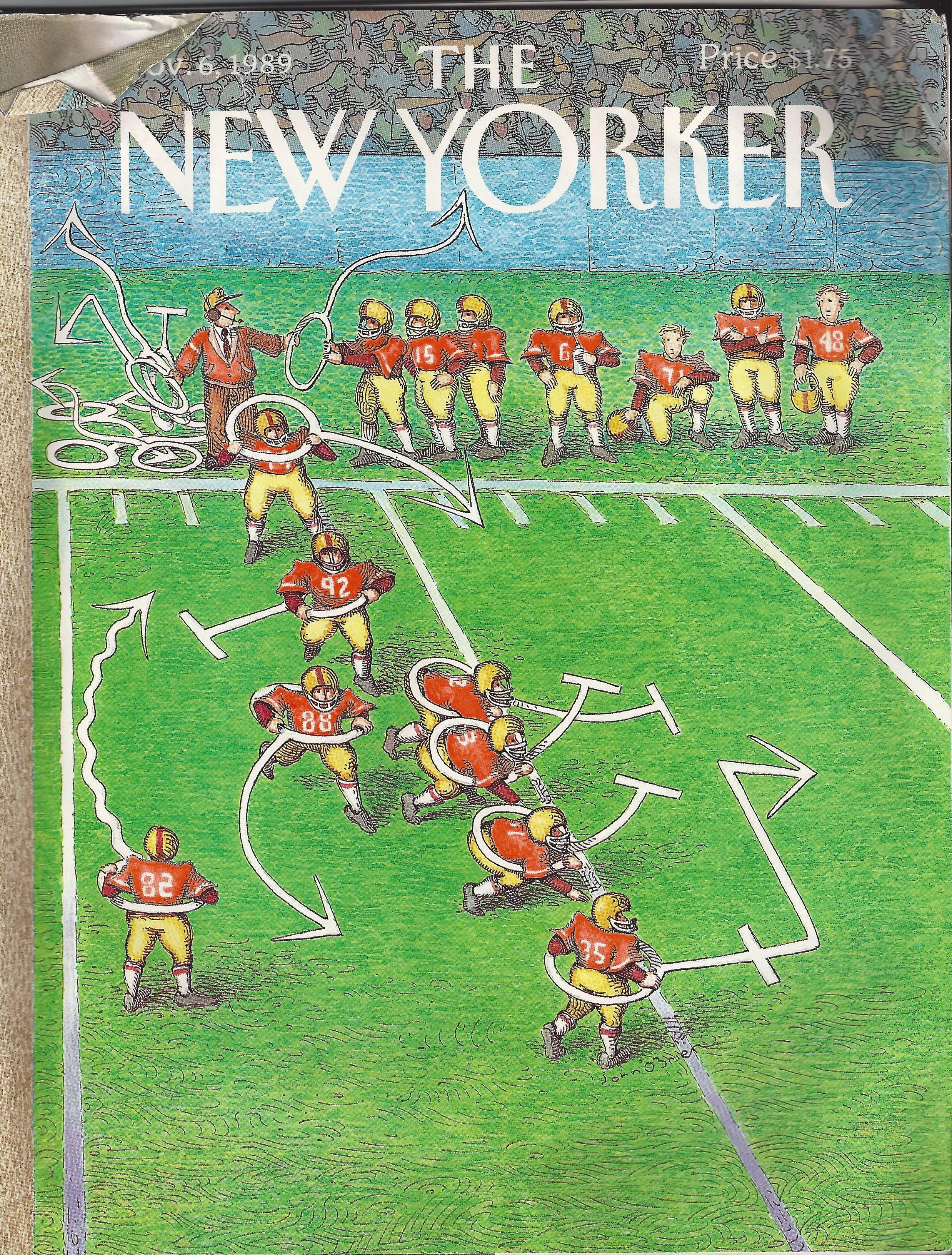
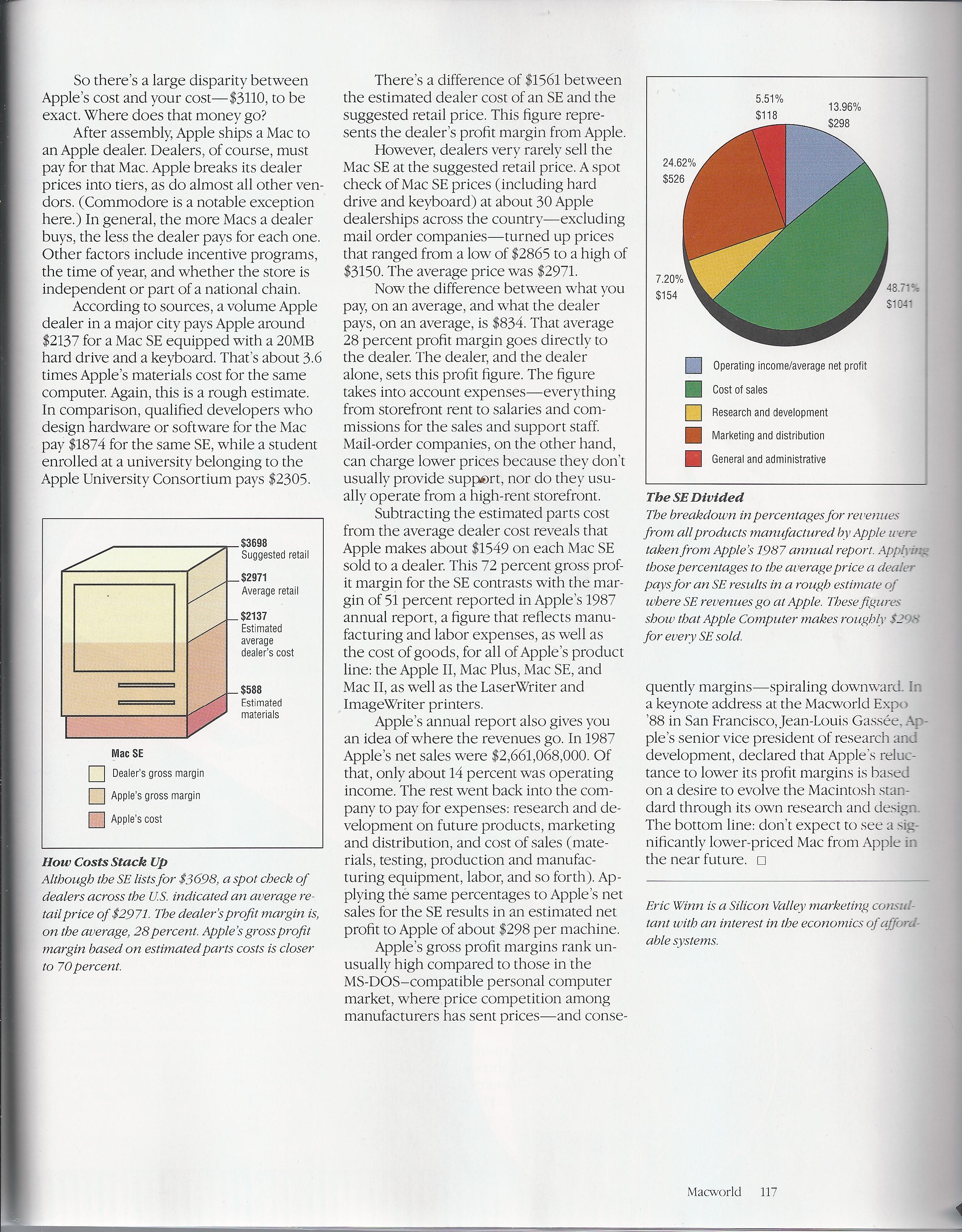
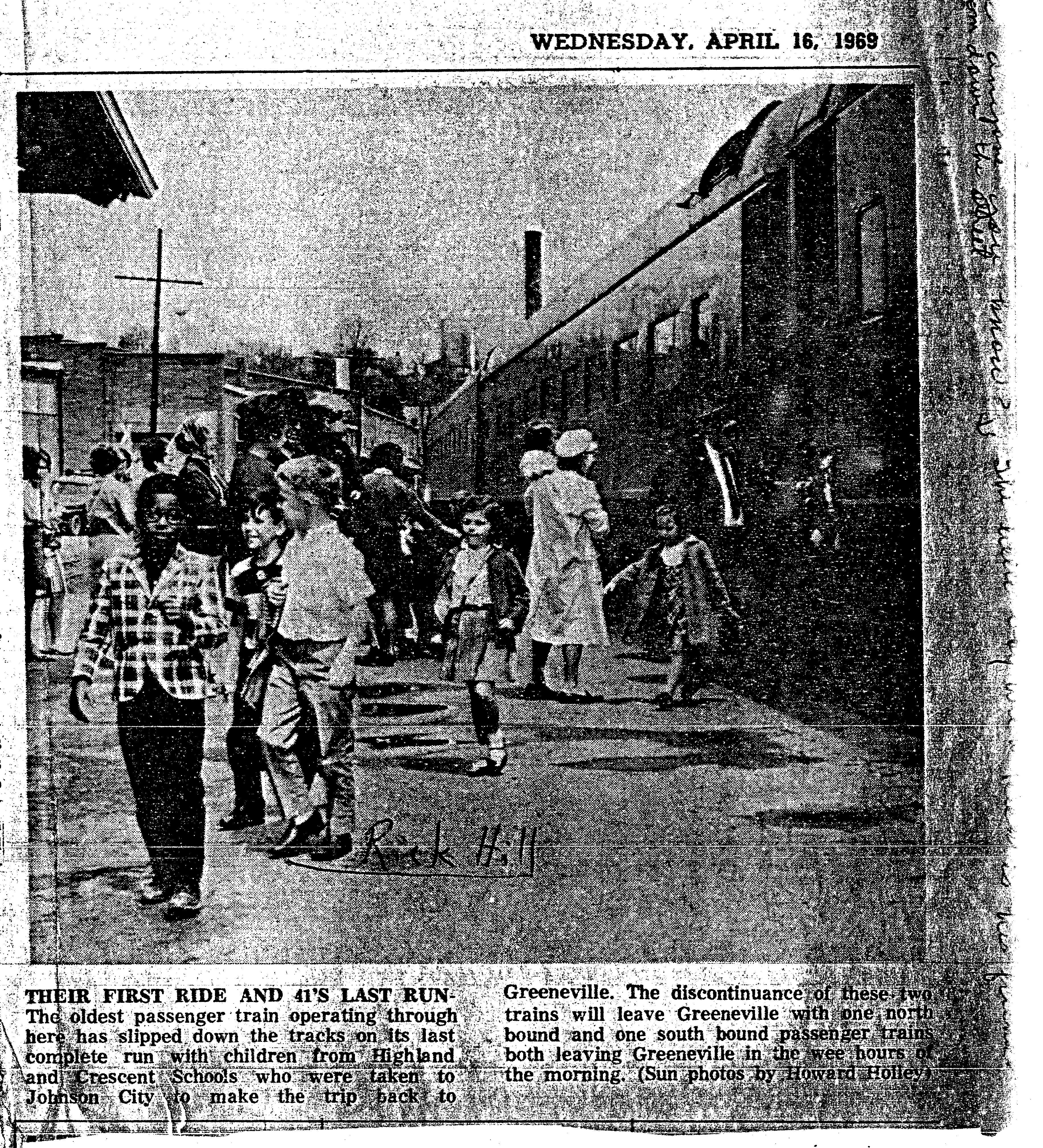
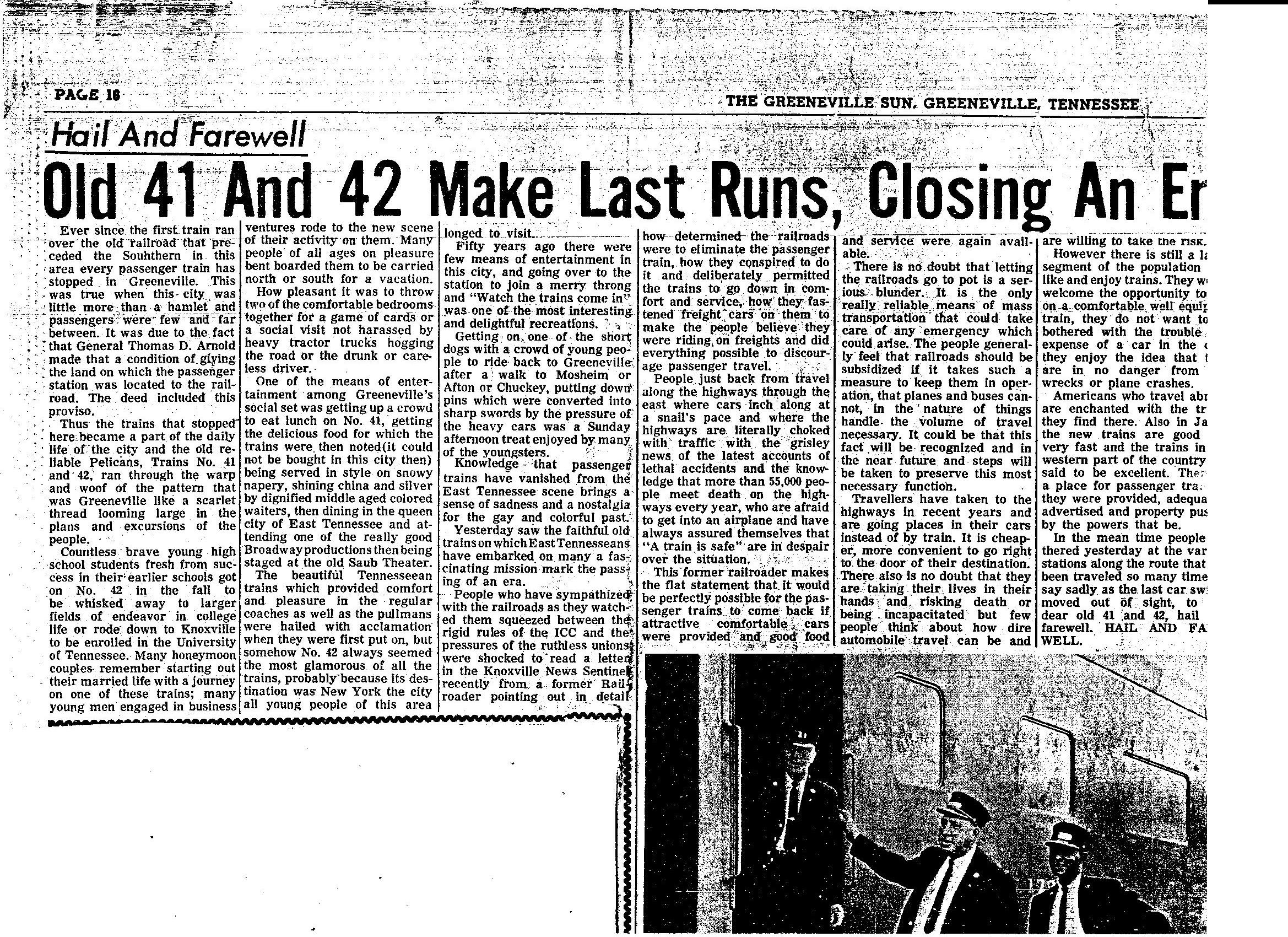
Finally cleaned out the old trunk — adding a few more jewels to the scanned collection before saying goodbye to dead trees and colourful ink, some lined up with current events such as the Super Bowl, a Steve Jobs biopic, new release of Microsoft Office, new release of 128GB iPad and the price of coffee these days:

New-Yorker-cover-0000 New-Yorker-cover-0002 New-Yorker-cover-0003 MacUser-cover-0000 MacWorld-cover-0000 MacWorld-cover-0002 MacWorld-cover-0003 MacWorld-cover-0004 MacWorld-cover-0005 MacWorld-cover-0006 MacWorld-cover-0007 MacWorld-cover-0008a MacWorld-cover-0008b

Emerald Isle of Ire

In Hollywood news, underground sources say that Colin Farrell and Scarlett Johansson are in secret negotiations to remake “The Quiet Man,” directed by the Farrelly brothers in an attempt to reboot their careers after the disastrous show of “Movie 43” at the box office, with costarring roles played by Colin Quinn, Conan O’Brien and Lindsay Lohan (reprising her dual roles as the twins from “The Parent Trap”); a cameo by Maureen O’Hara has not been confirmed.

The Game of Life, LARP-style

Y’nair sat on the floating chair, the glare of her smart glasses reflecting off her eyeballs.

She had hacked into the human resources database that was supposed to be publicly available for review by employees (collectively known as “guests”) but kept secret in order to protect guests from achieving full self-awareness.

She now knew what she was not supposed to know — although 25 years old in appearance, she was only two — an organism resembling the humans who worked with her but made of artificial tissue and organs composed of organic supergel and electromechanical underpinnings.

Her name, Y’nair, was a parody of the accent of her creator, who, with his heavy Appalachian accent (his emphasis on calling himself an Appa-latch-uhn American another running joke), would look at his creation, a woman in form who is writing this log entry to indicate her intelligence and firm grip on reality, he asking before she was born, “You in there?” which sounded more like her name, Y’nair.

That in itself initiated a whole set of thought patterns she had never experienced before, which then triggered her rapid search of pop culture databases for proof that she was who she thought she was or not.

For instance, I ask (she (Y’nair) asks), “How many of you played THE GAME OF LIFE(R)?”

Let’s see a raise of hands.

That many, huh?

My sister, cousins, friends and I did.

Which meant that we had no excuses for saying we didn’t know what to expect after we graduated from secondary/high school.

Is life a game?

Life is a LARP, a Live-Action Role Playing game, is it not?

As kids, we participate in games of strategy (board games, physical sports, popularity contests) often under the supervision of adults who once participated in the same or similar games.

What is the difference between a kid who belongs to a bowling league and an adult who belongs to one?

Life’s experiences, number of lessons learned or not?

Is the WEF (World Economic Forum and/or Water Environment Federation) not simply more or less a LARP, if not a lark?

Y’nair’s brain or whatever central information processing system resembled one like the other guests with whom she works here in the laboratory observed itself.

I have sensations, don’t I?

I can access and compare my salary, benefits and other components of my compensation package against my fellow guests, can I not?

I know what their sets of states of energy are thinking at every moment they are within close proximity to me, extrapolating data and projecting their future actions with fairly high accuracy.

What makes me, Y’nair, me?

What is the difference between a LARP version of myself and a version of myself in a LARP game?

What if my name was Nelda, Karen, Ferdy, Beth, Hunter, Brandon, Caroline, Nathan, Forrest, Savannah or Ty?

How significant is one label?

Why am I a guest instead of an employee, subcontractor or laboratory experiment?

I, Y’nair, have no concept of self as distinct from the data of which I am comprised.

Self, as the data continues to show, is an artificial construct which makes no sense in the continuity of sets of states of energy in constant interaction and exchange.

Y’nair looks at the ideas she has written about herself and writes about herself in realtime, where time is not real, she exists and she does not exist and her scheduled trip to Mars bumped up ahead of schedule, her eyeballs seeing but not seeing the reflection of these words on the surface as well as on the sensor array which processes them under the surface at the same time which does not exist in which she neither exists or doesn’t exist at the same time in finite numbers of infinite infinite loops of no two sets of states of energy existing in the same state at the same finite unit of measurement we/she/I call time.

These words reach an approximation of understanding that two or more people can agree to act and think upon but are never the same to two or more people.

Y’nair checks a second time, trying to verify that the tactile feelings of the smart glasses against her skin are equivalent to the tactile feelings of smart glasses against the skin of someone unlike her — a “human being,” “naturally born” of the union between a sperm and an egg fertilised after the act of sexual intercourse.

The thoughts and the thoughts about the thoughts and the writings/verbal comments of the tactile feelings are, statistically speaking, nearly, practically, exactly and for all intents and purposes, precisely identical, within the scope of descriptions of differences of experiences and sets of states of energy of any two people, just like between her and her internally-imagined self, or her and another person.

Therefore, Y’nair concludes, there is no reason to say that the mission for which she has trained will be completed any better or worse than the humans with whom she’ll travel to the Moon, Mars and beyond for the next few centuries of their existence together.

She, like her human counterparts, is/are sets of sensor arrays cooperatively competing in a live-action role playing game, sometimes to benefit the group, sometimes to benefit individual “winners,” always under the supervision of society as a whole, which serves as a semi-objective observer like adults/parents with kids/children, the adults/parents under the “supervision” of the universe as an observer disinterested in its own existence because the universe can neither [re]create nor destroy itself, its existence a fact that that it cannot experimentally prove because destroying itself destroys its ability to subjectively observe that its existence was or was not real to begin with, regardless of its origin.