Do you know what your neuronal connections look like?
I think I know mine:




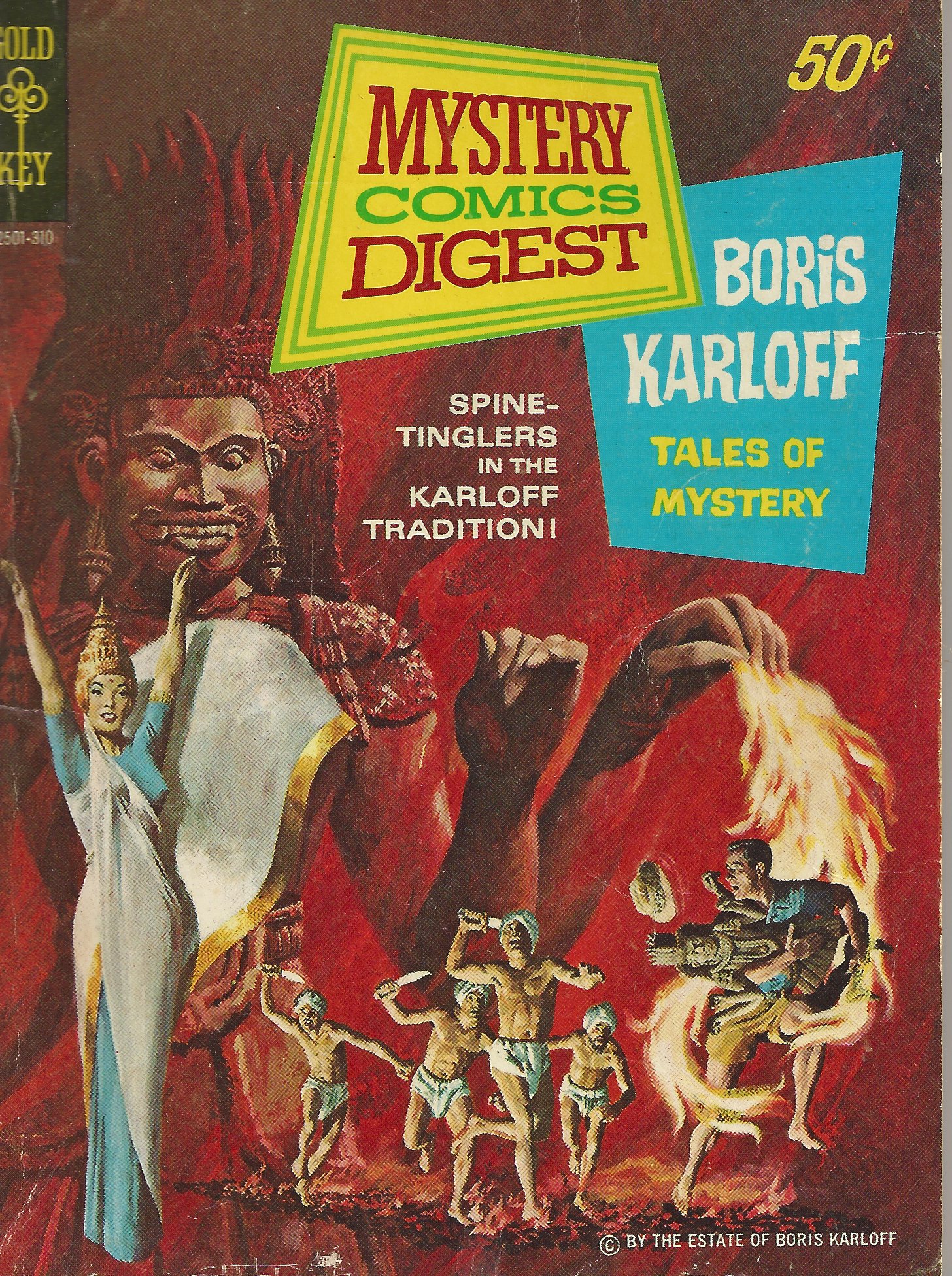


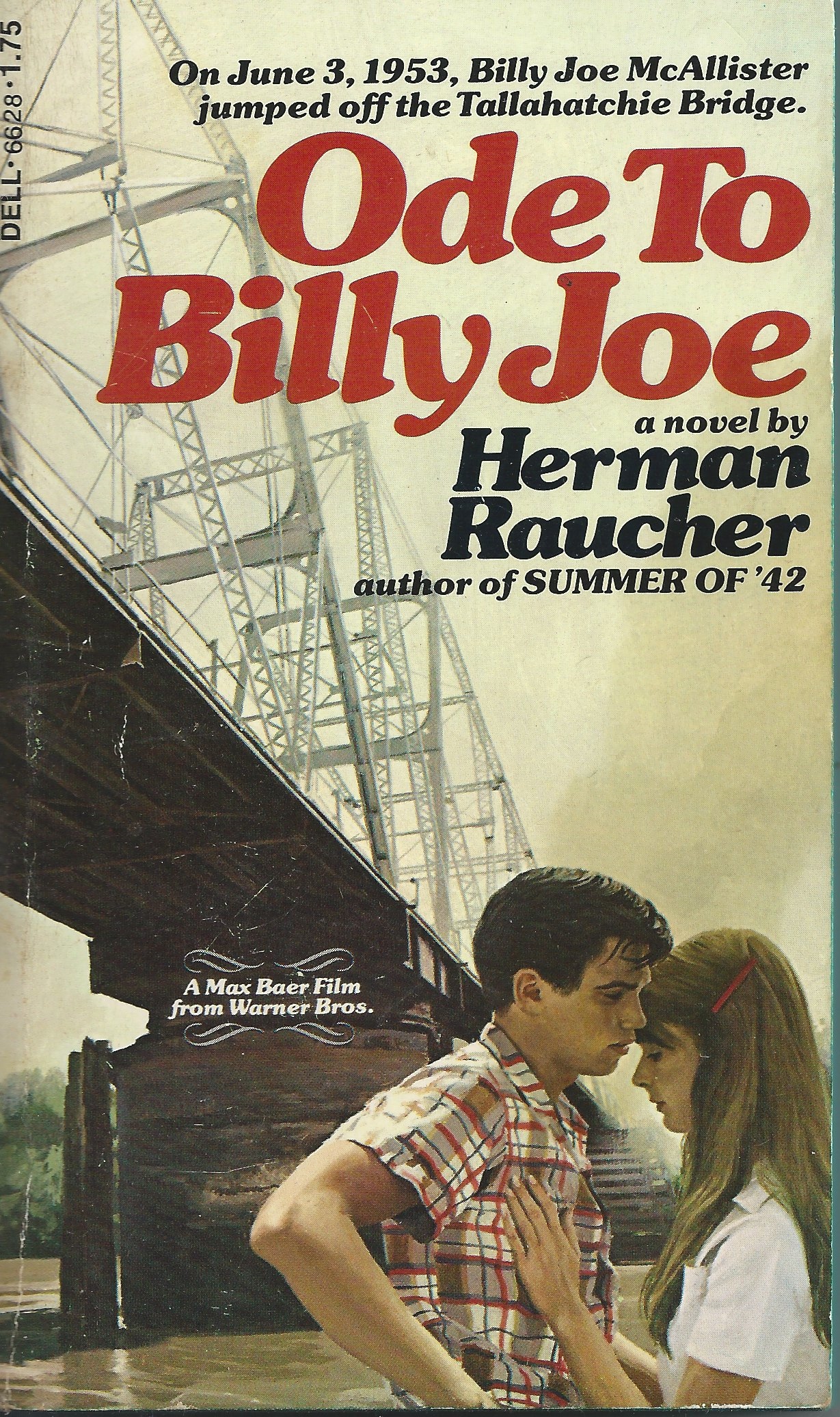

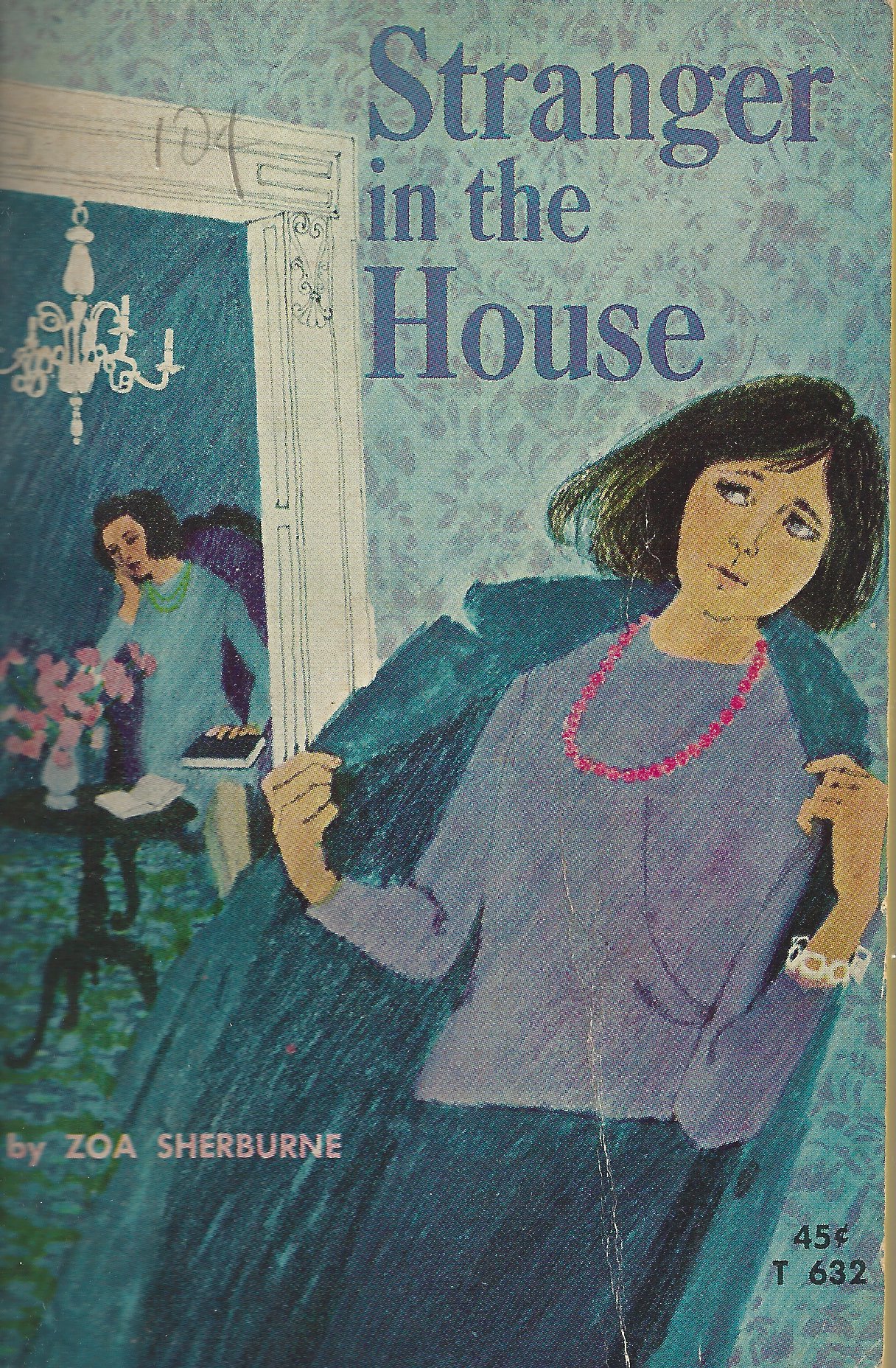


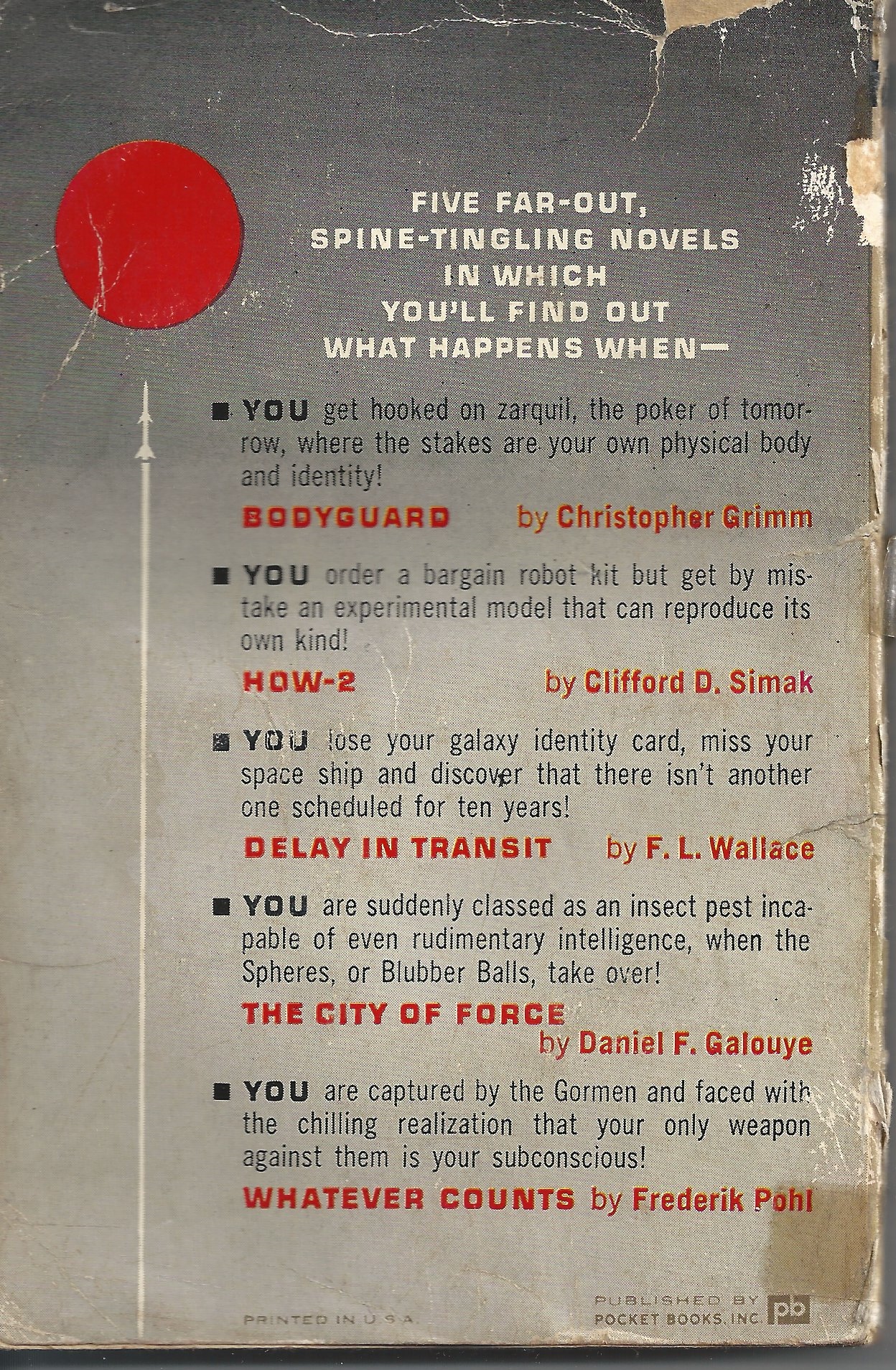
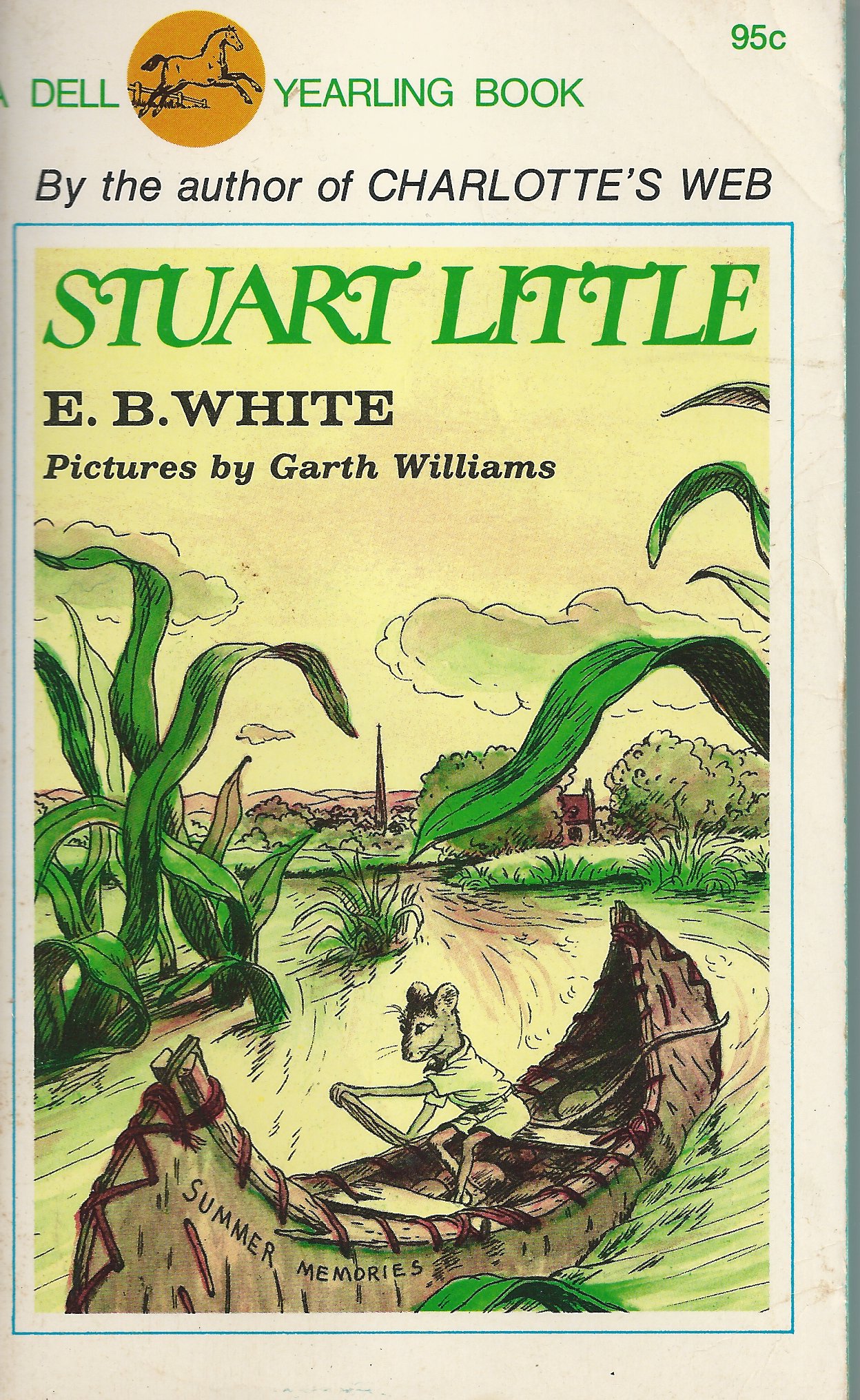

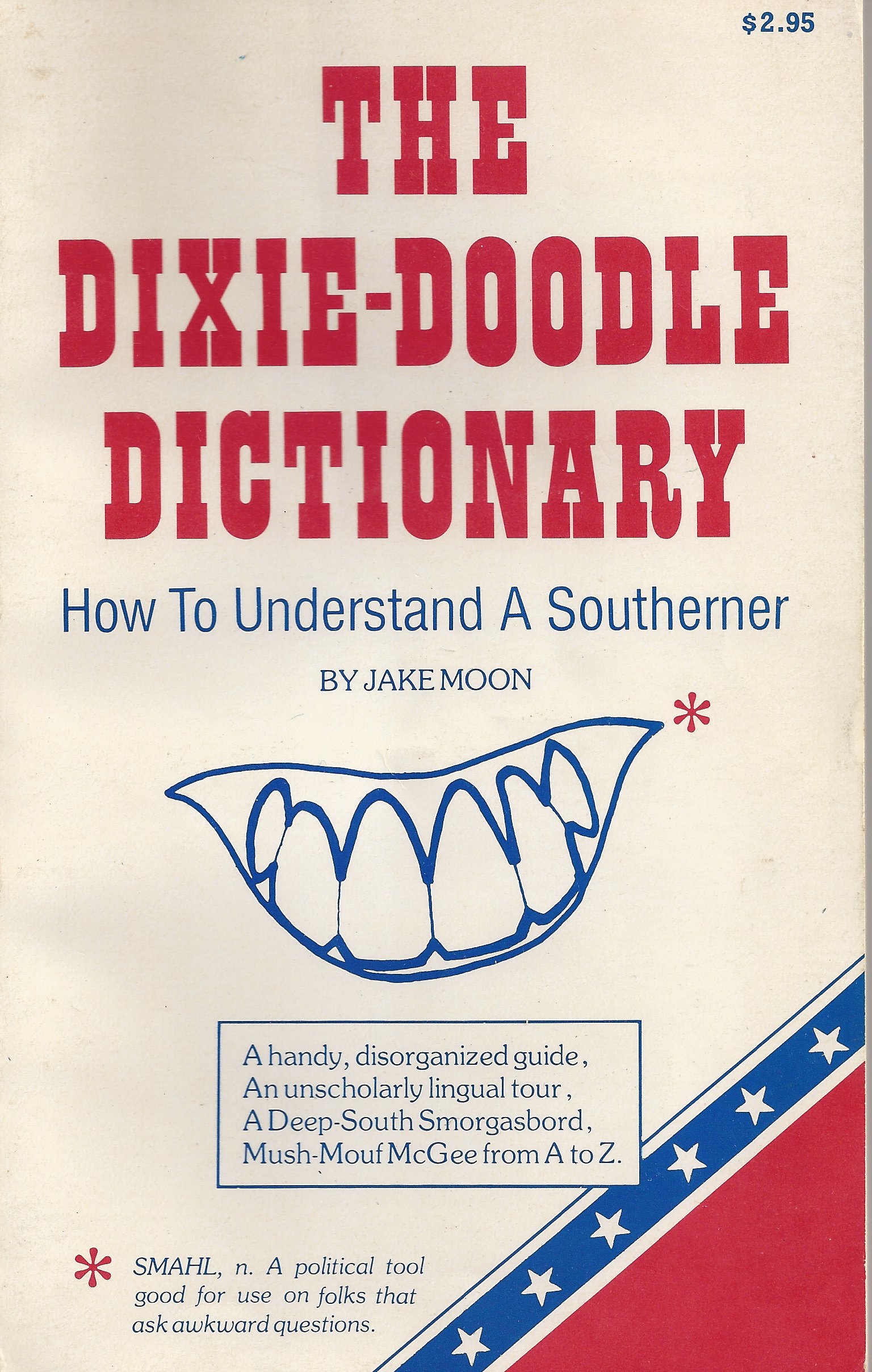



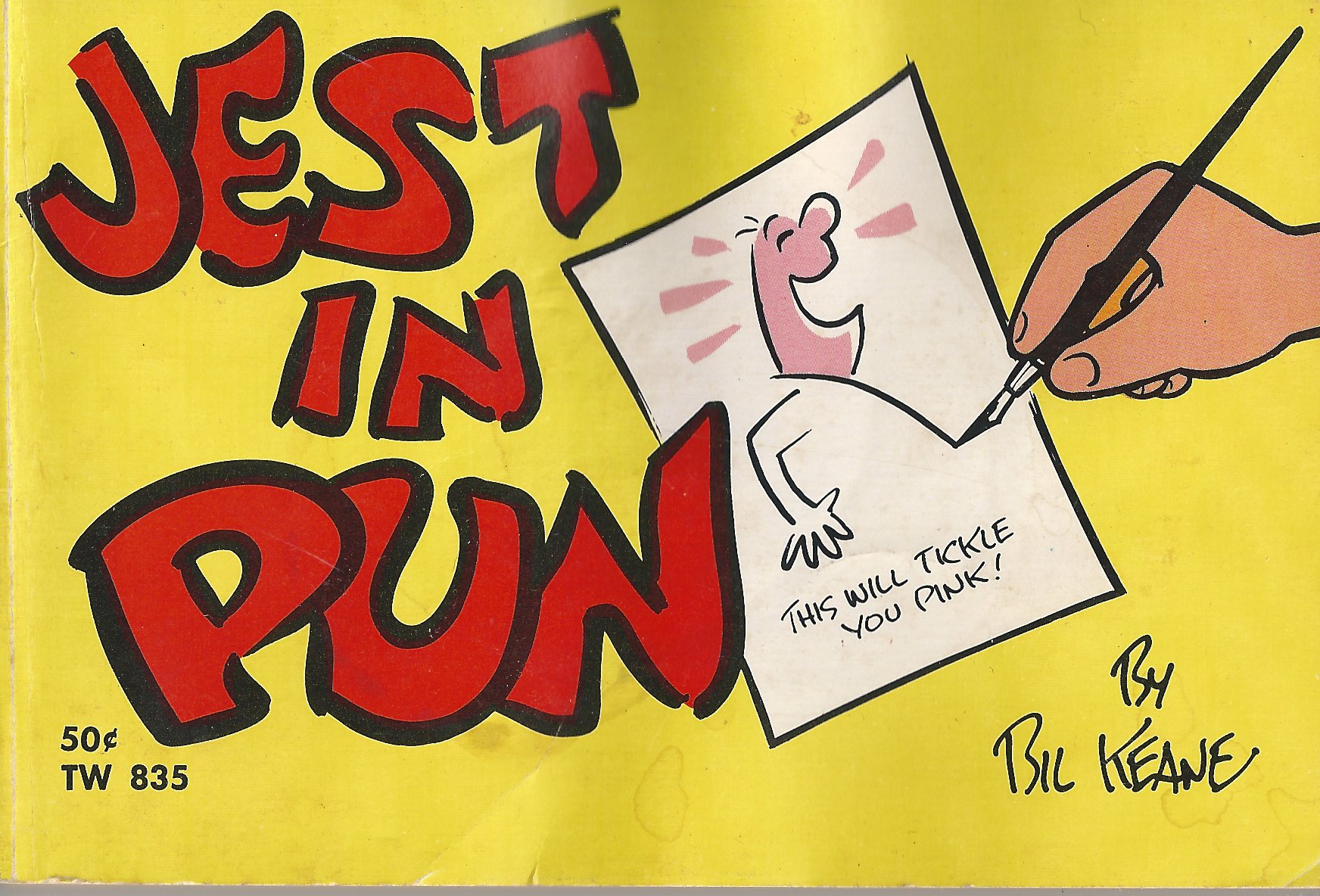
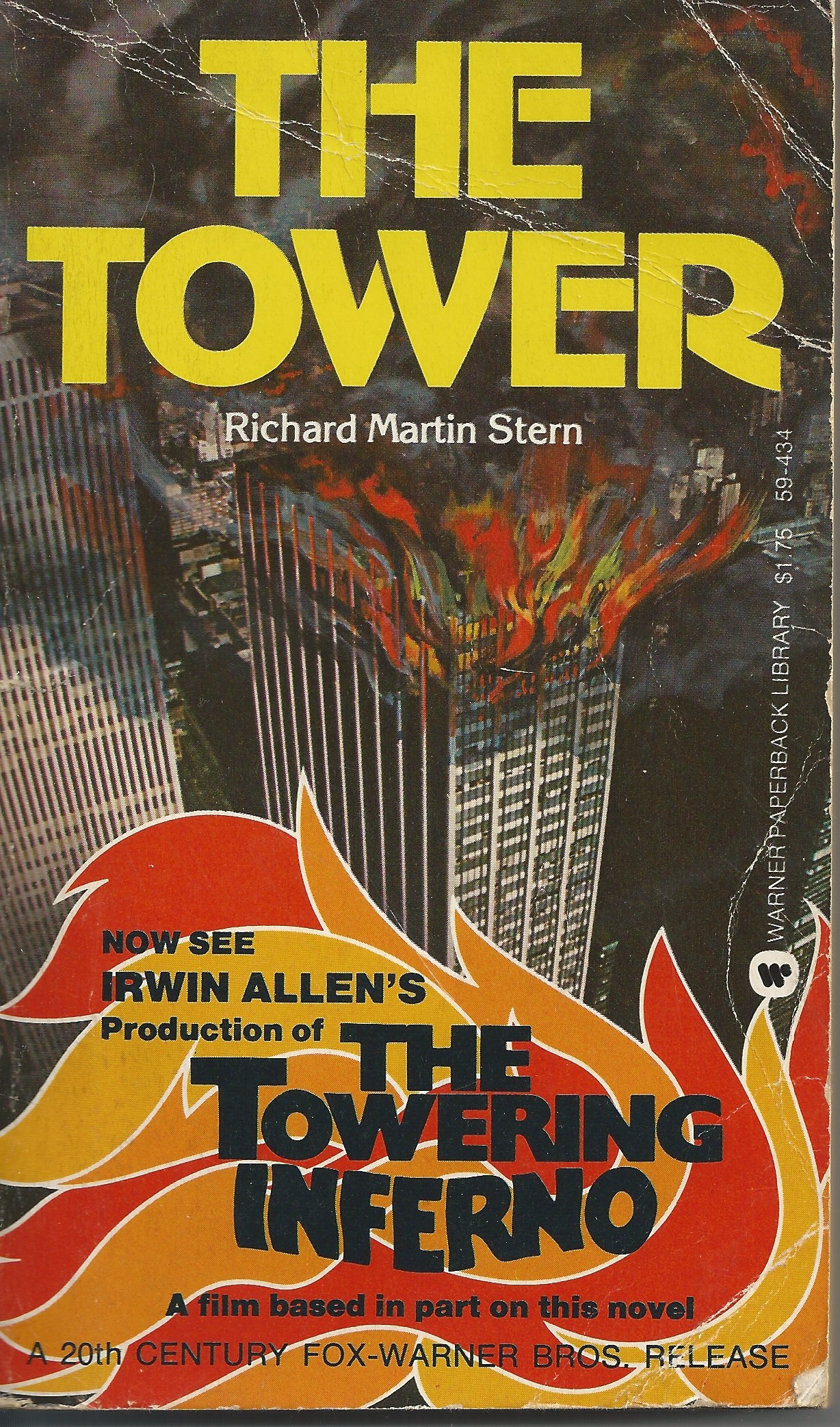
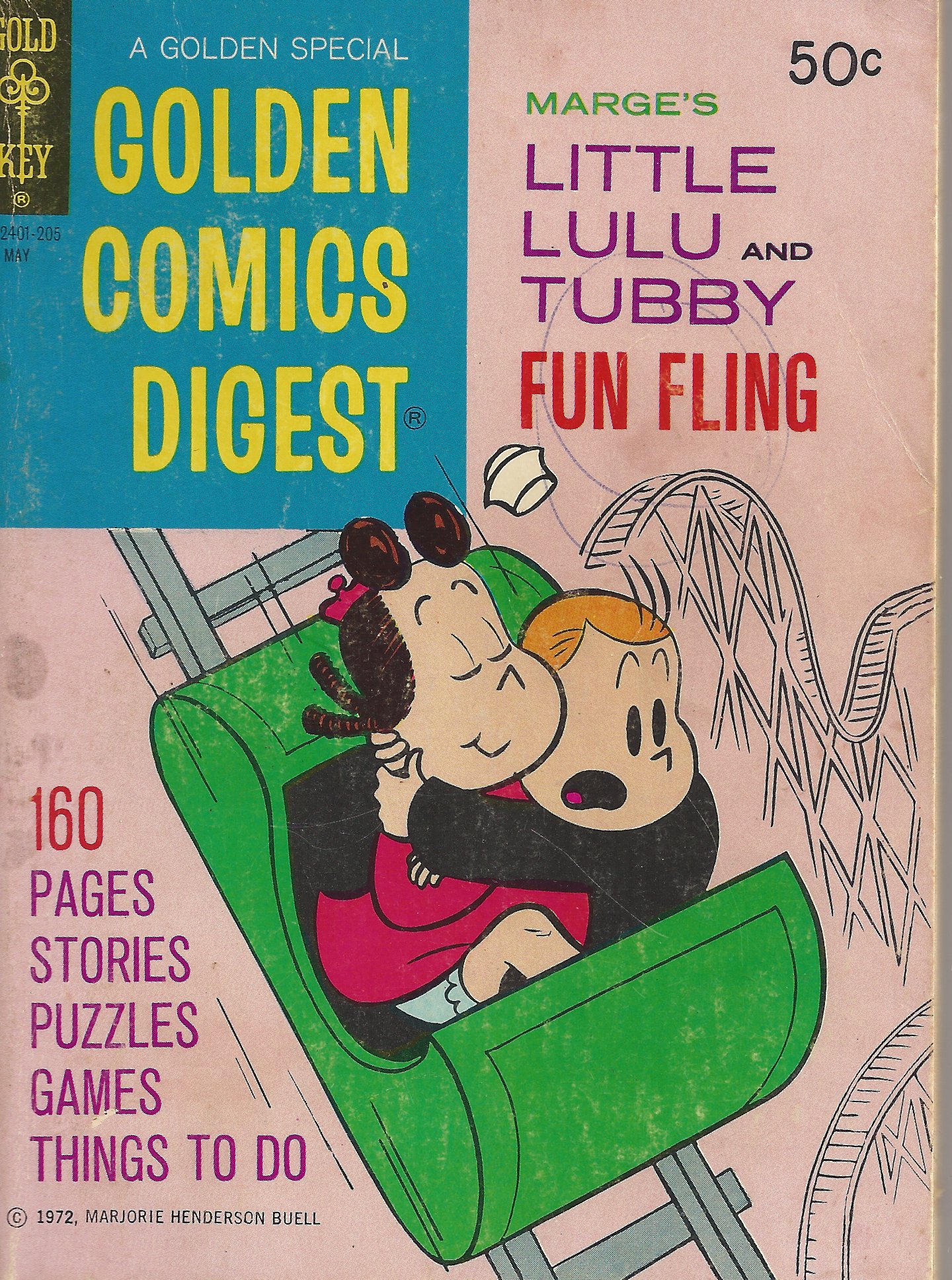
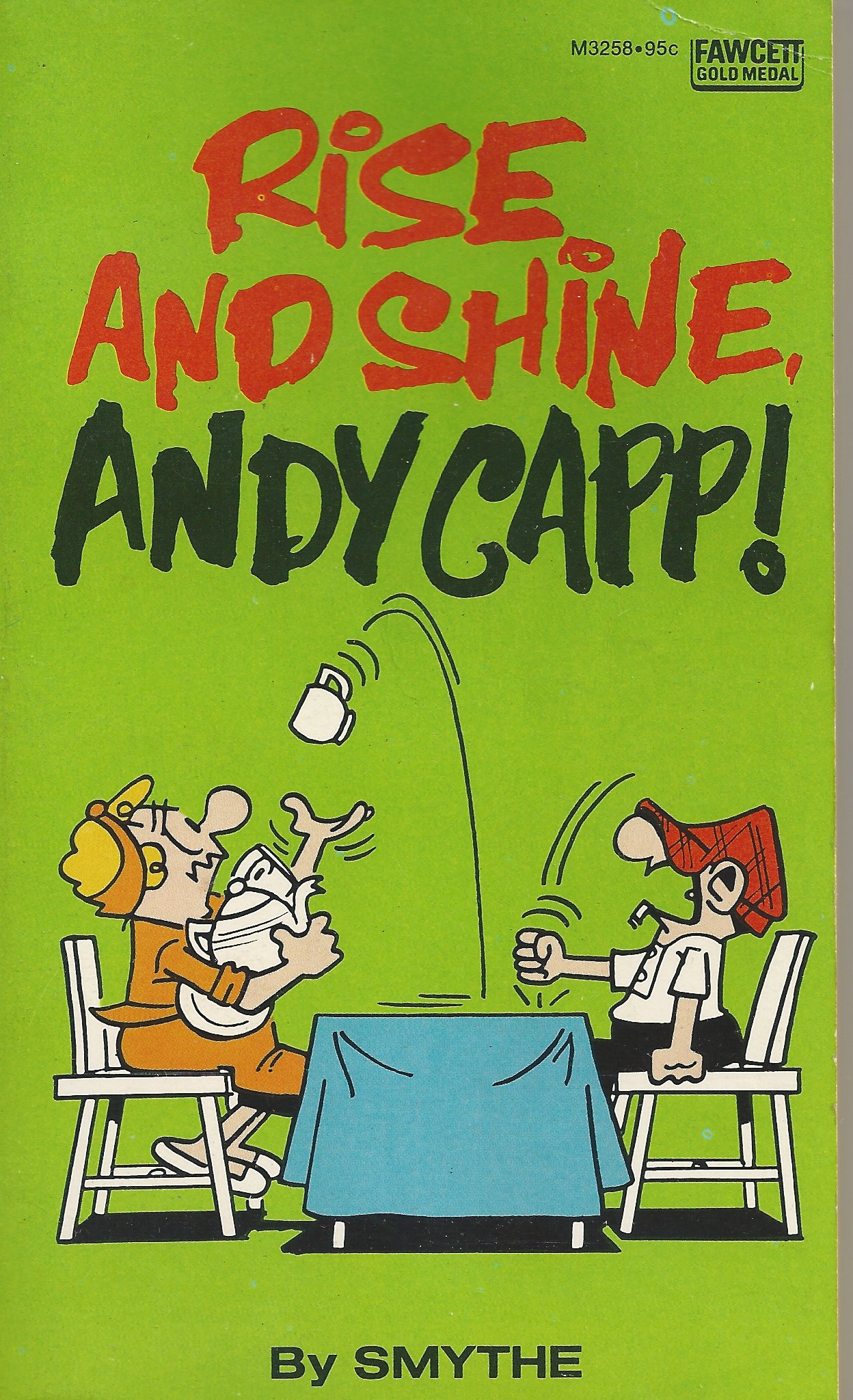
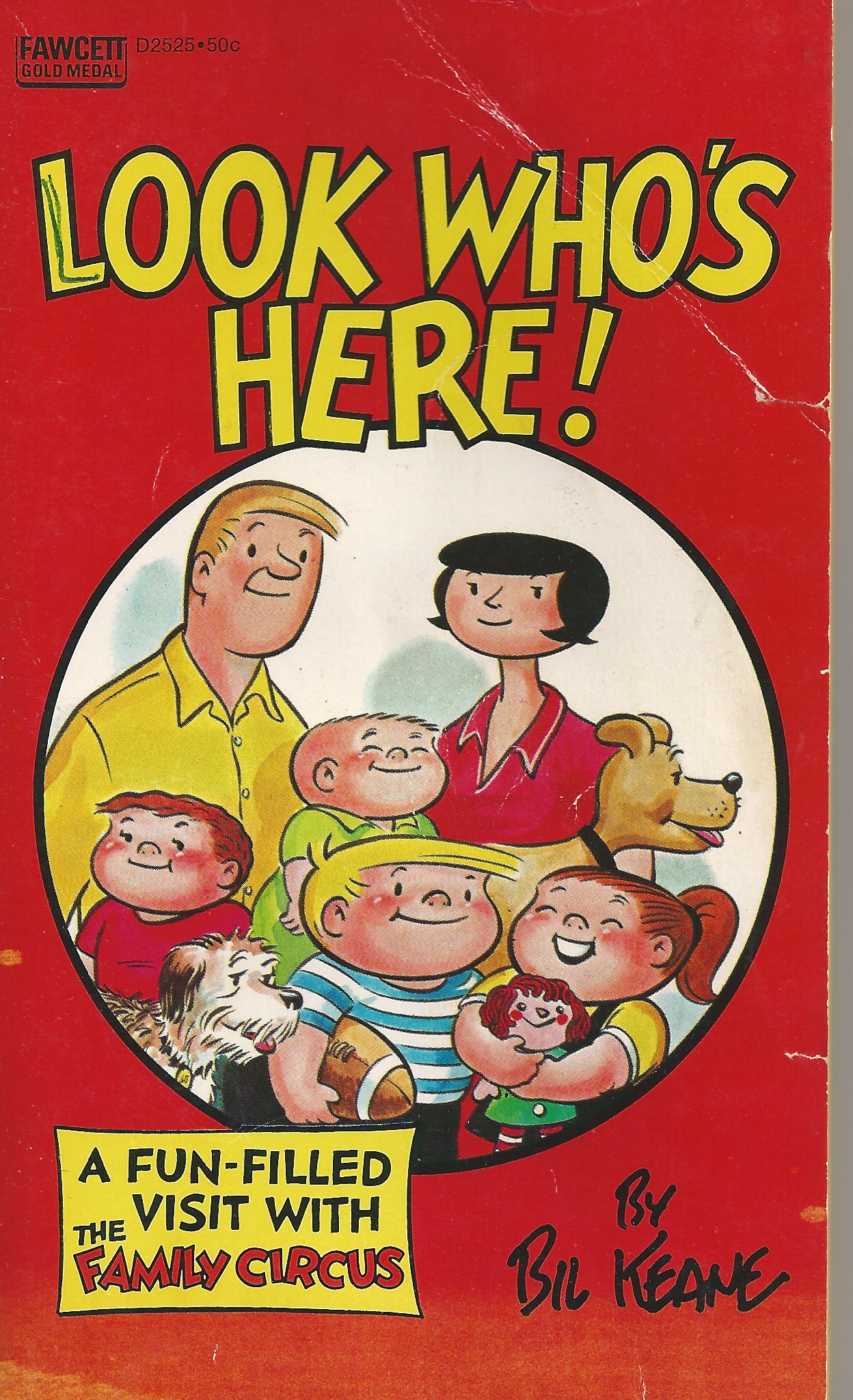

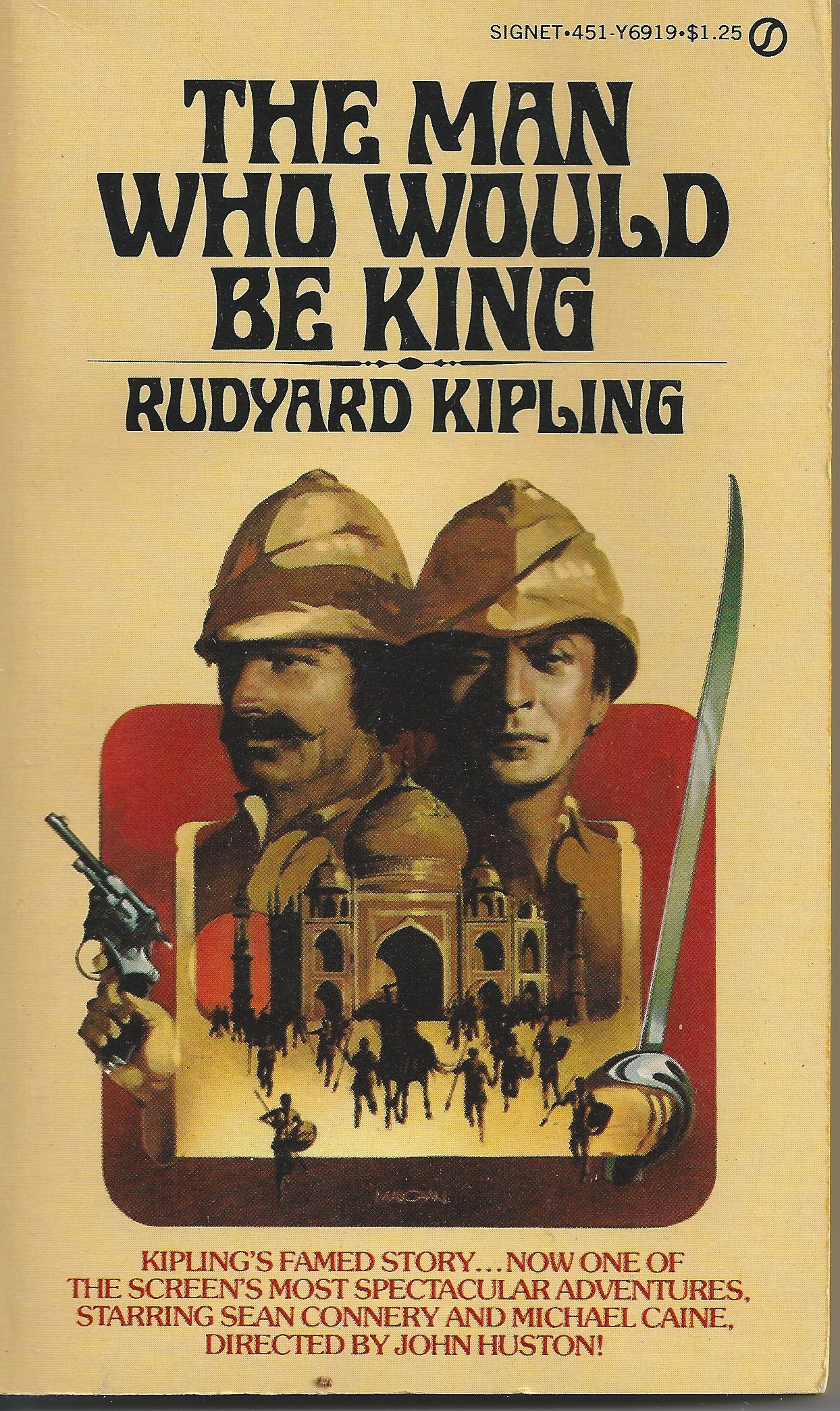

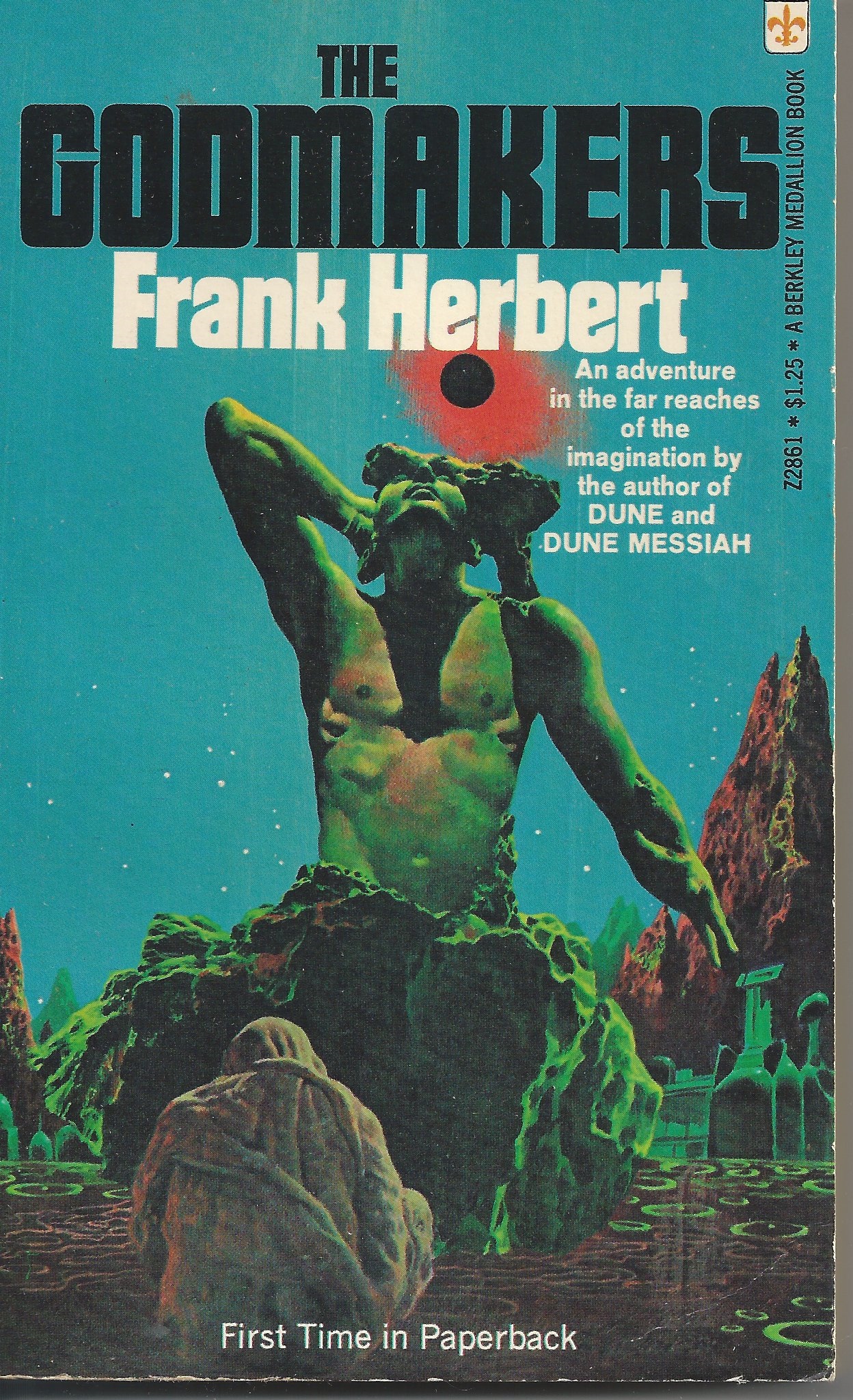

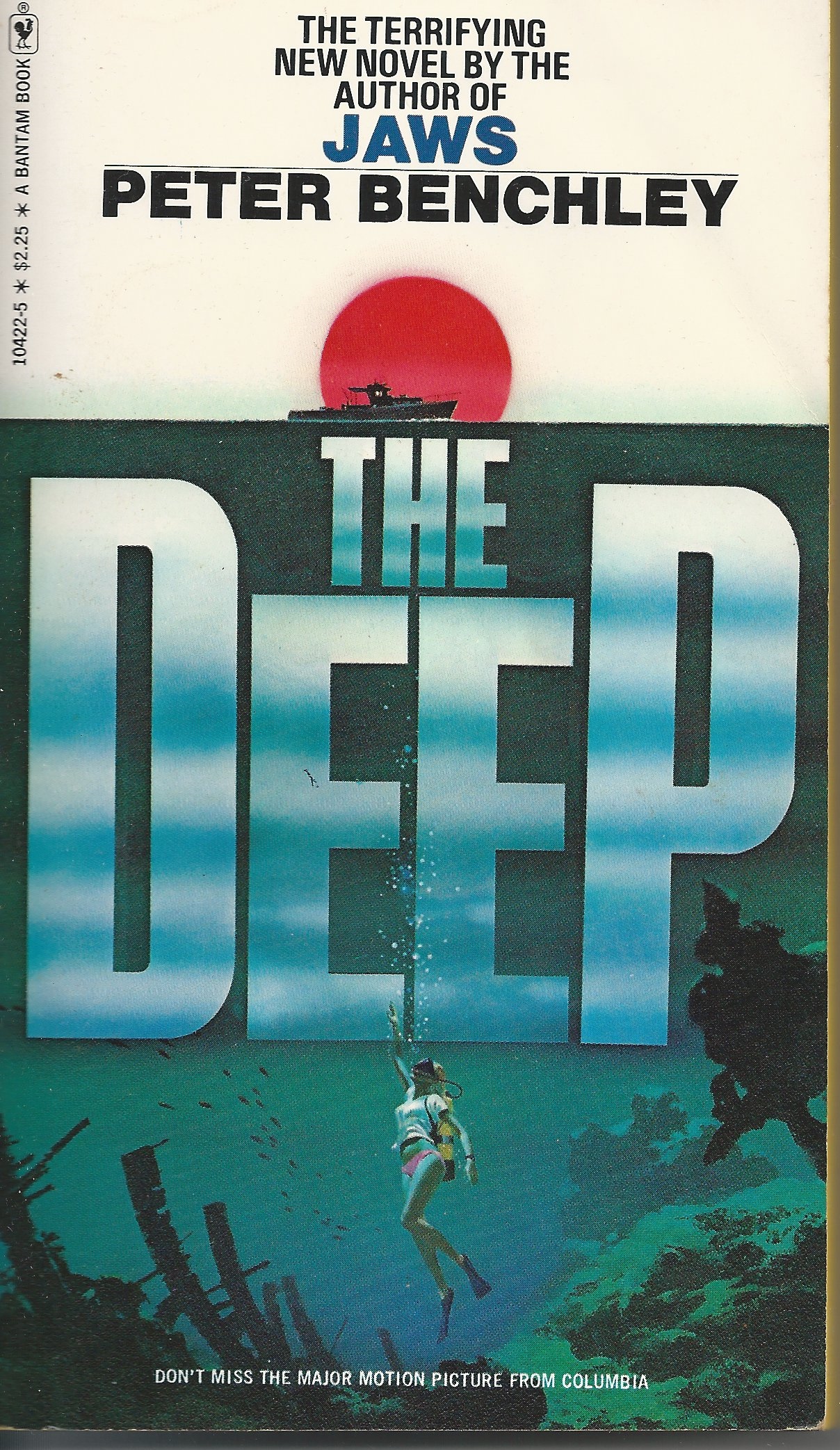
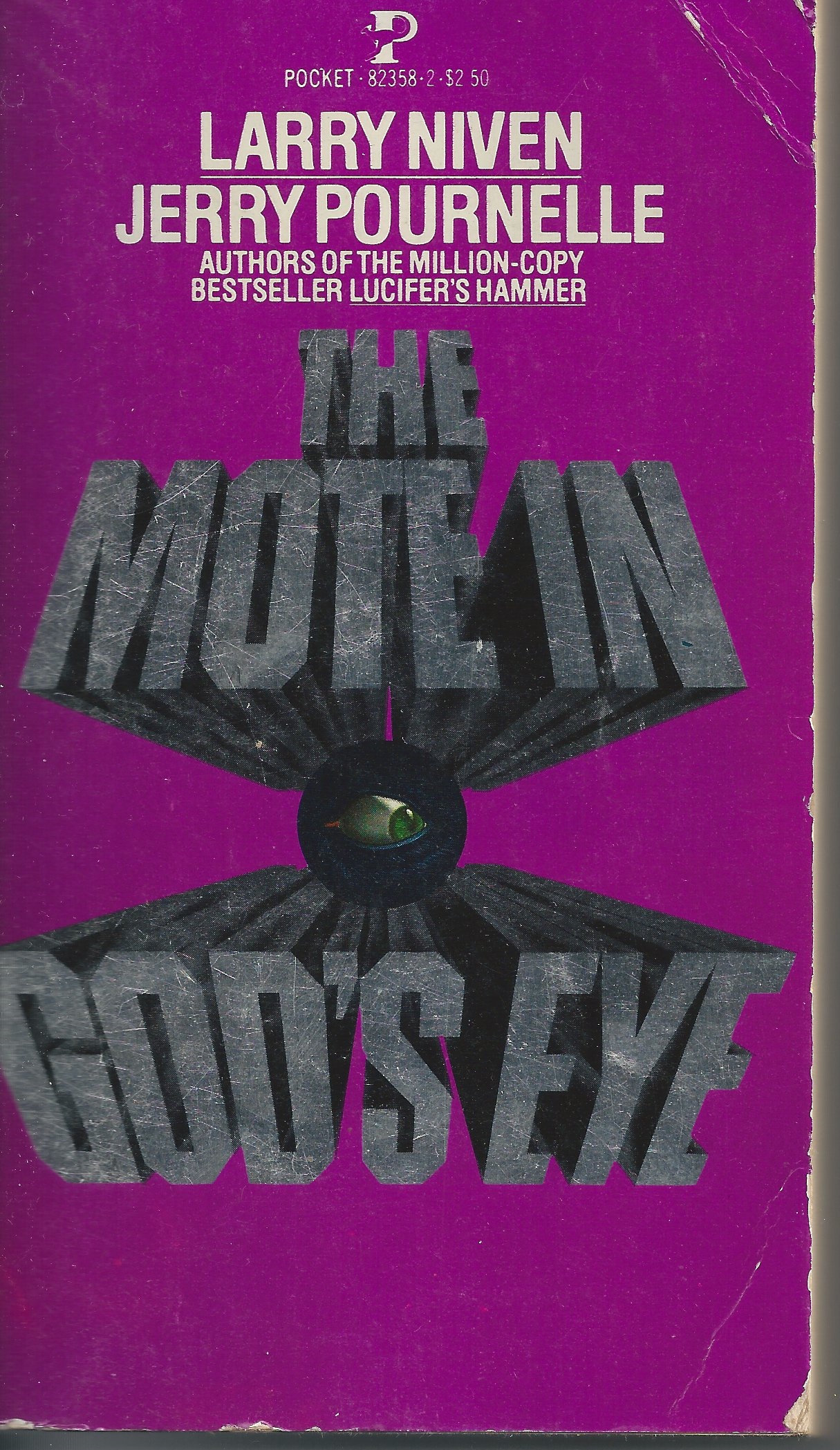

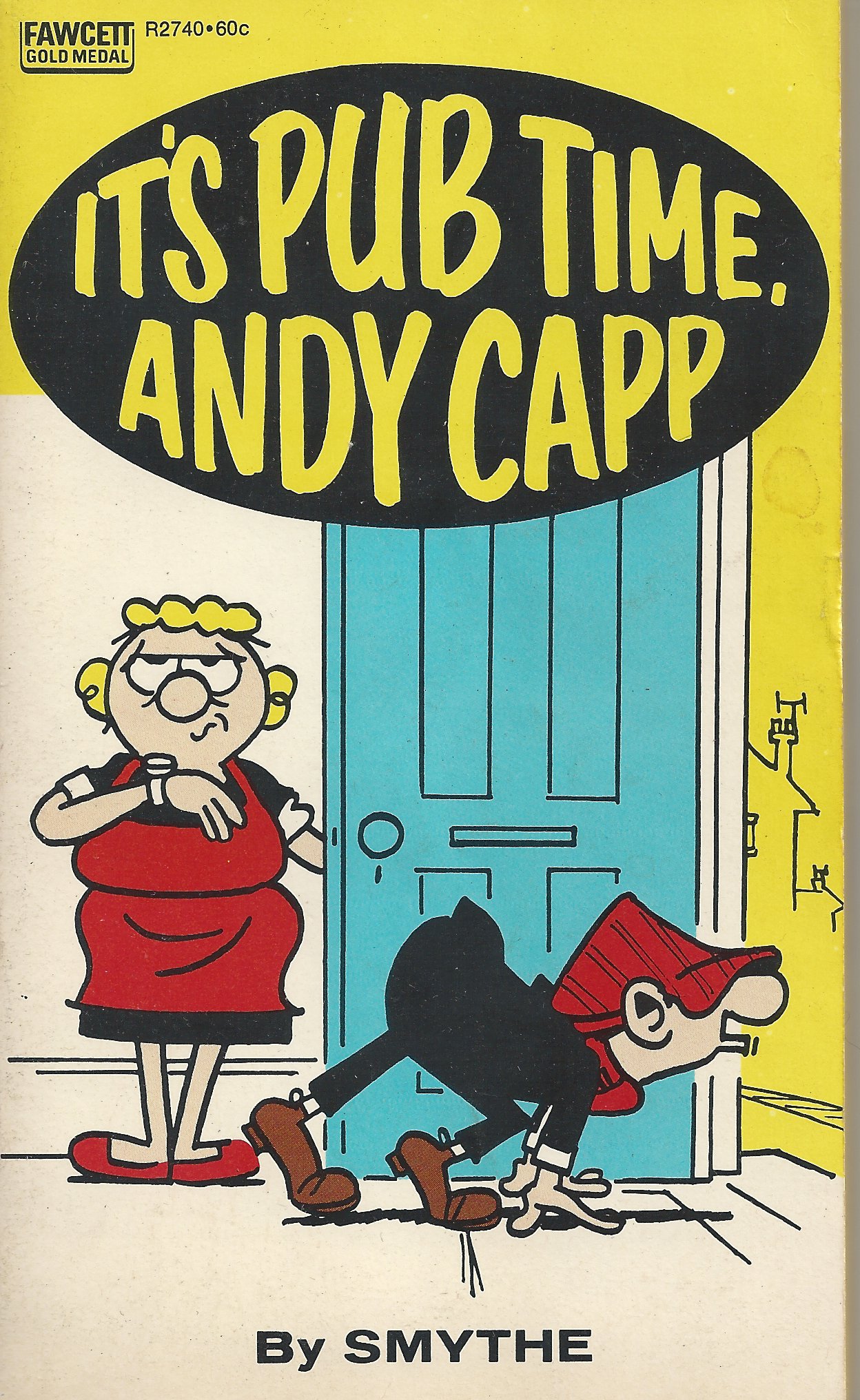





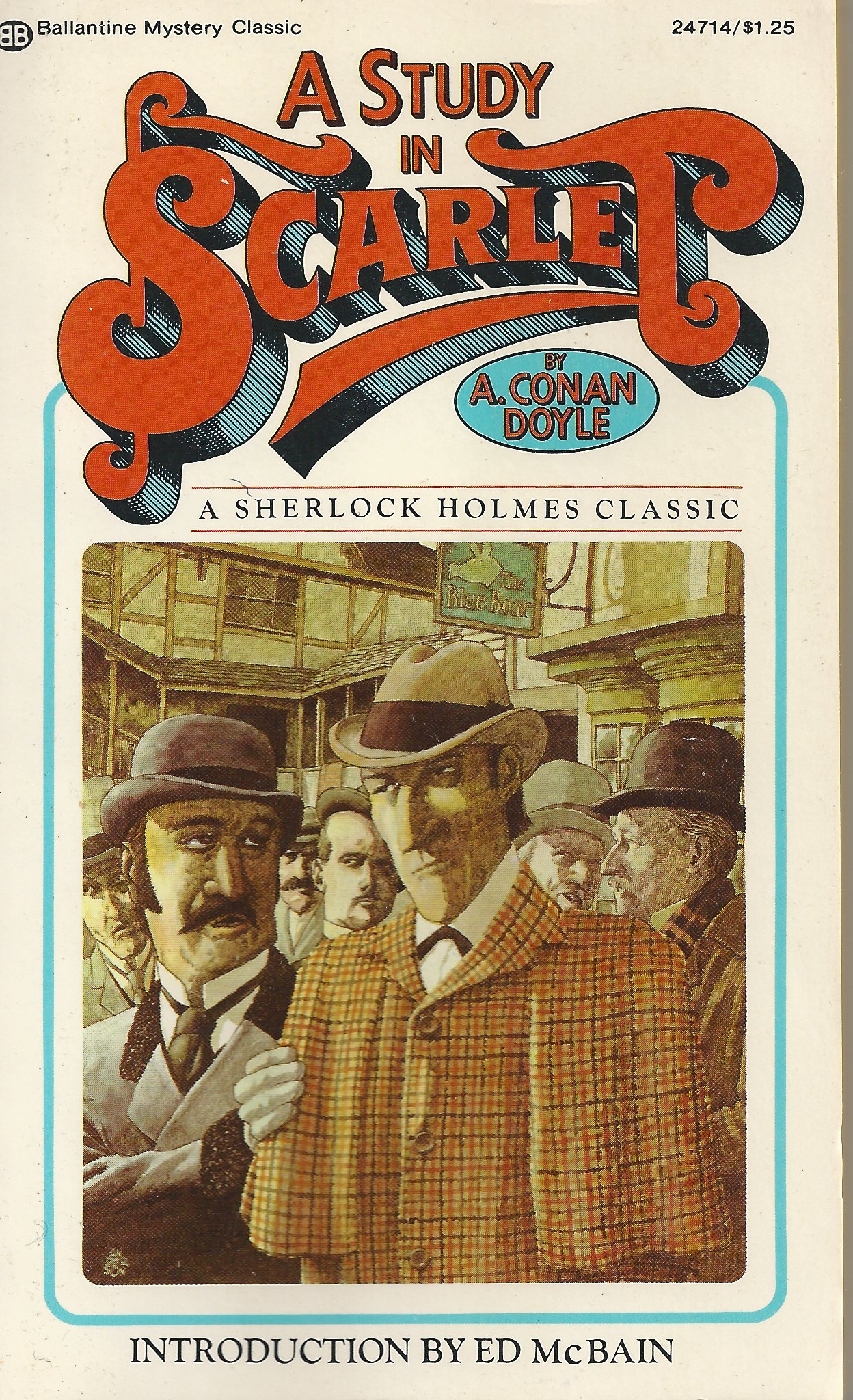

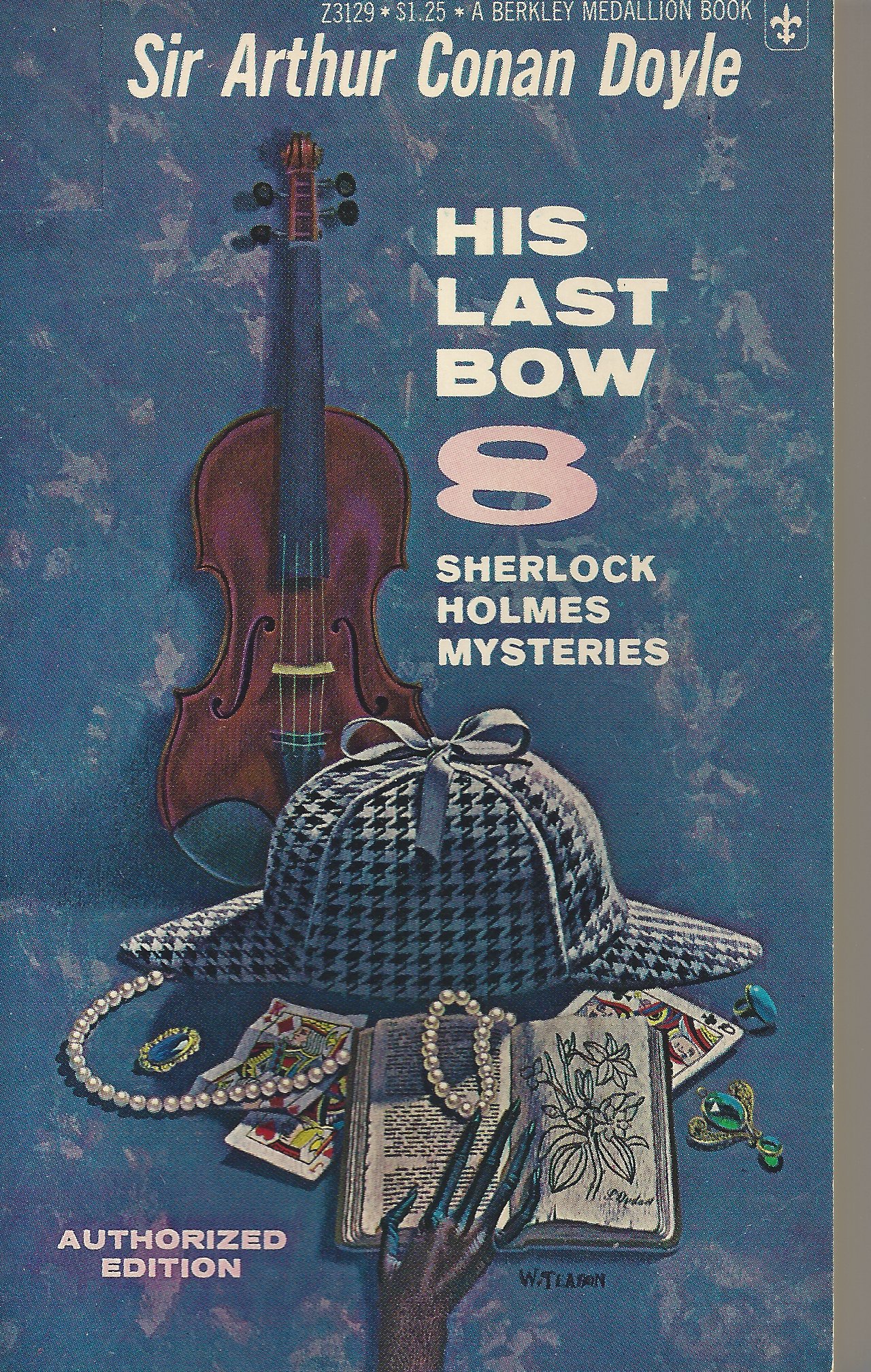
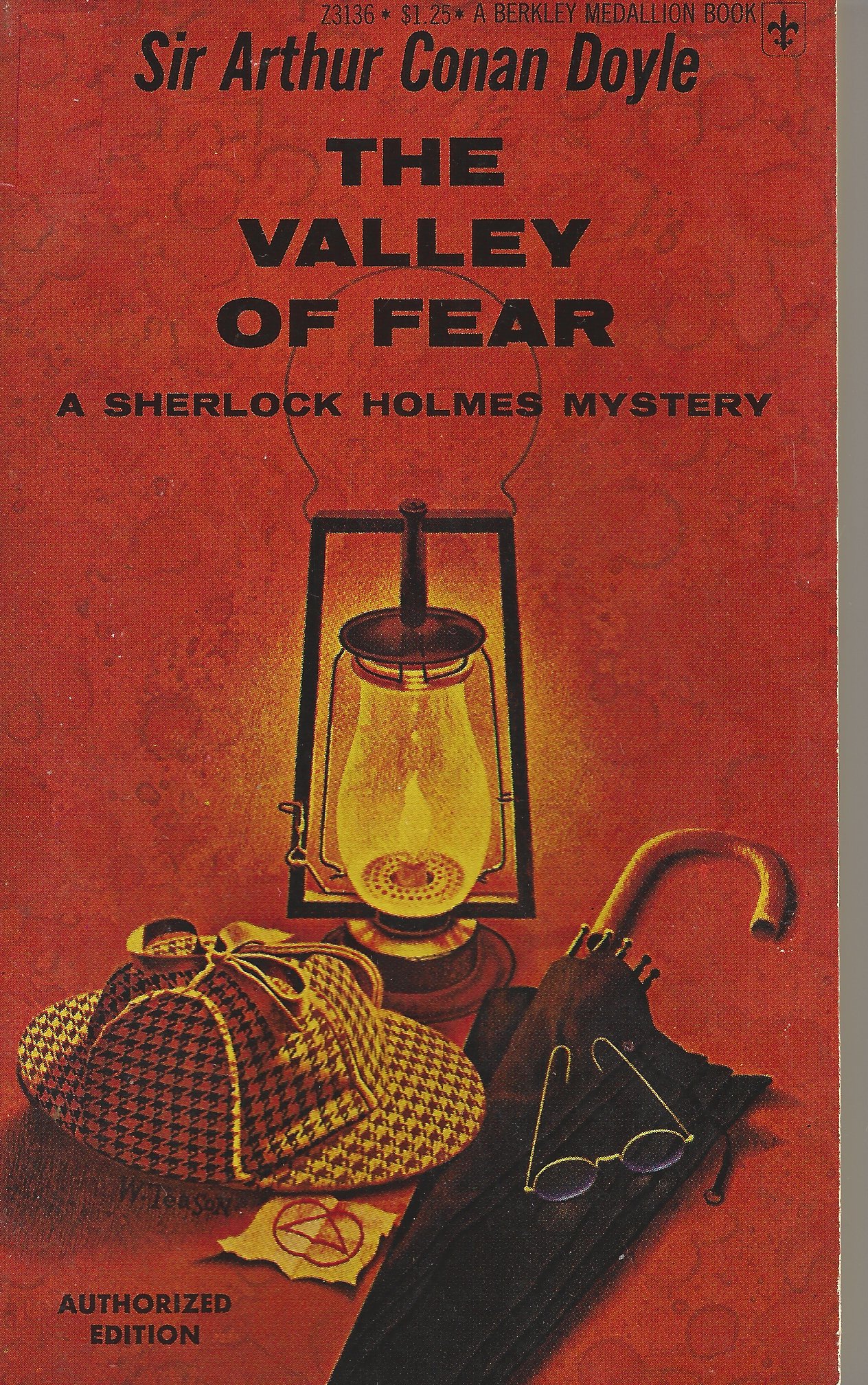
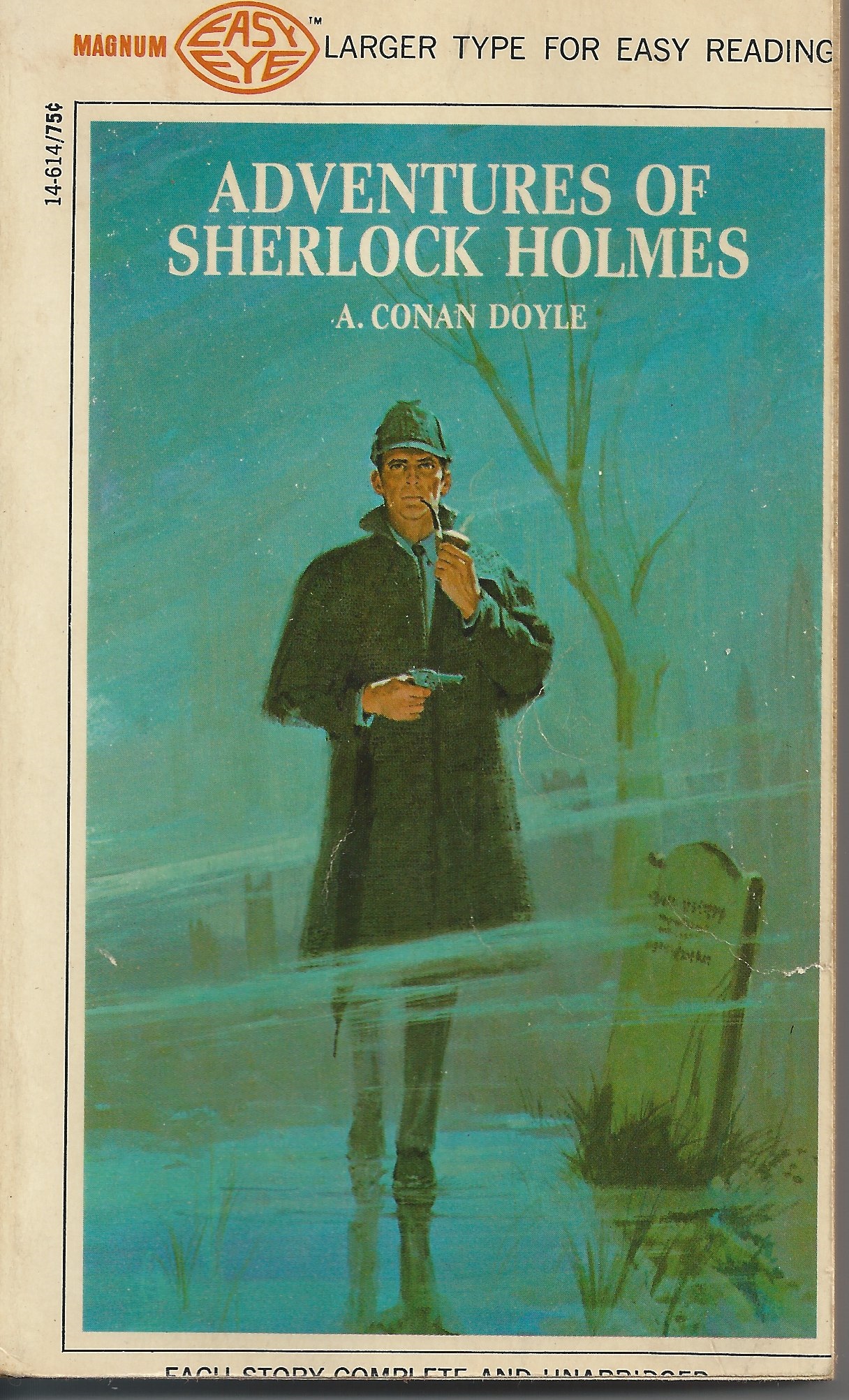
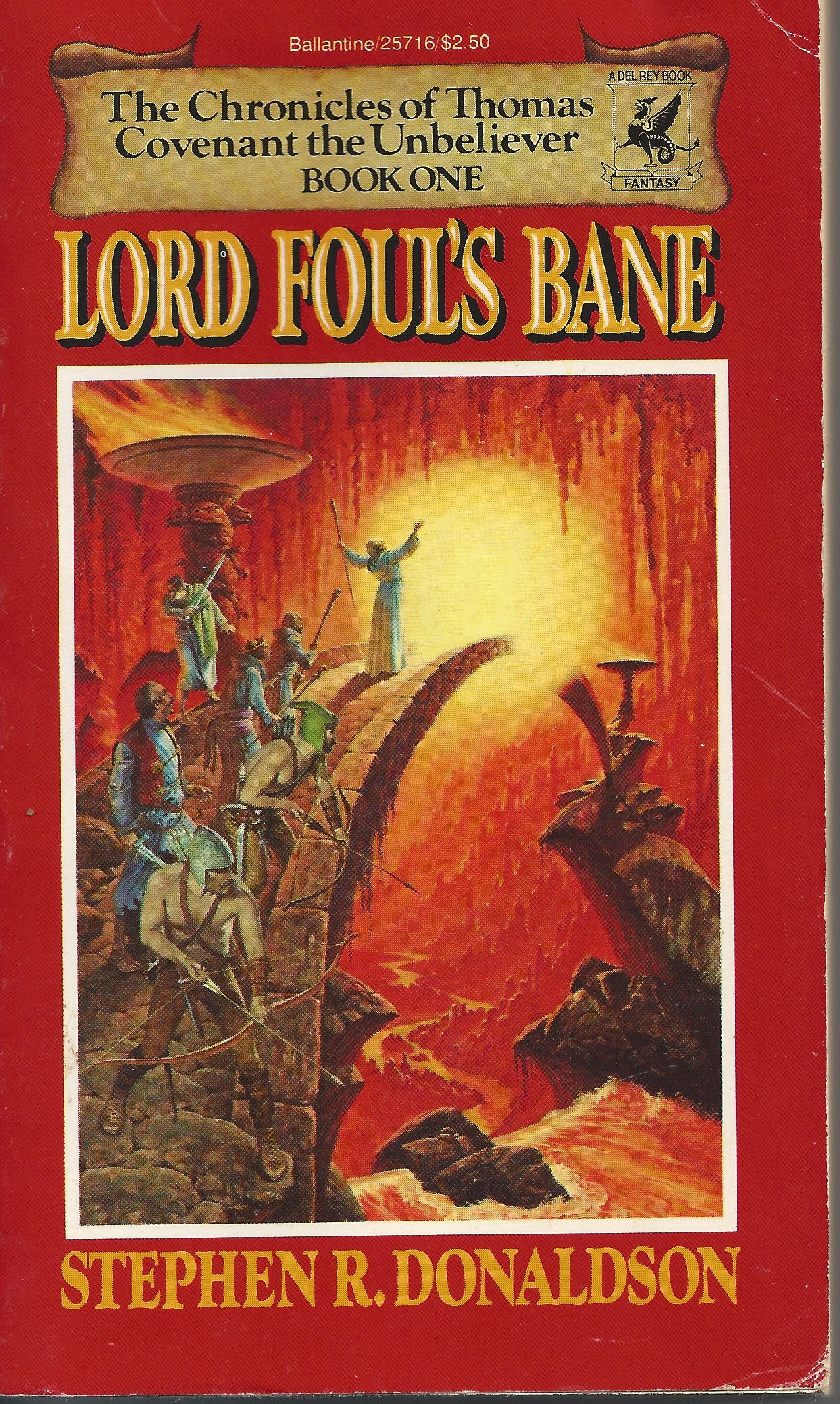


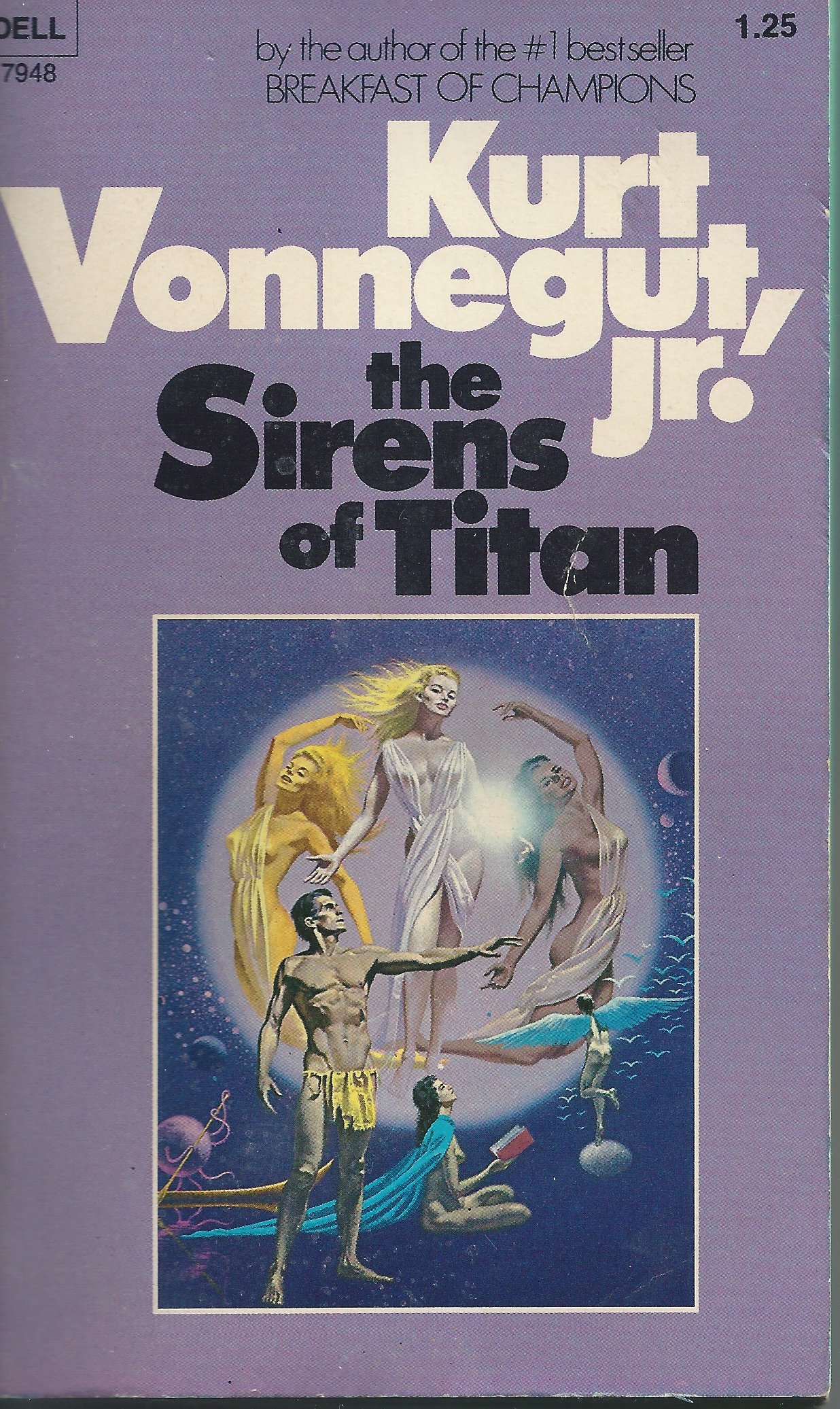
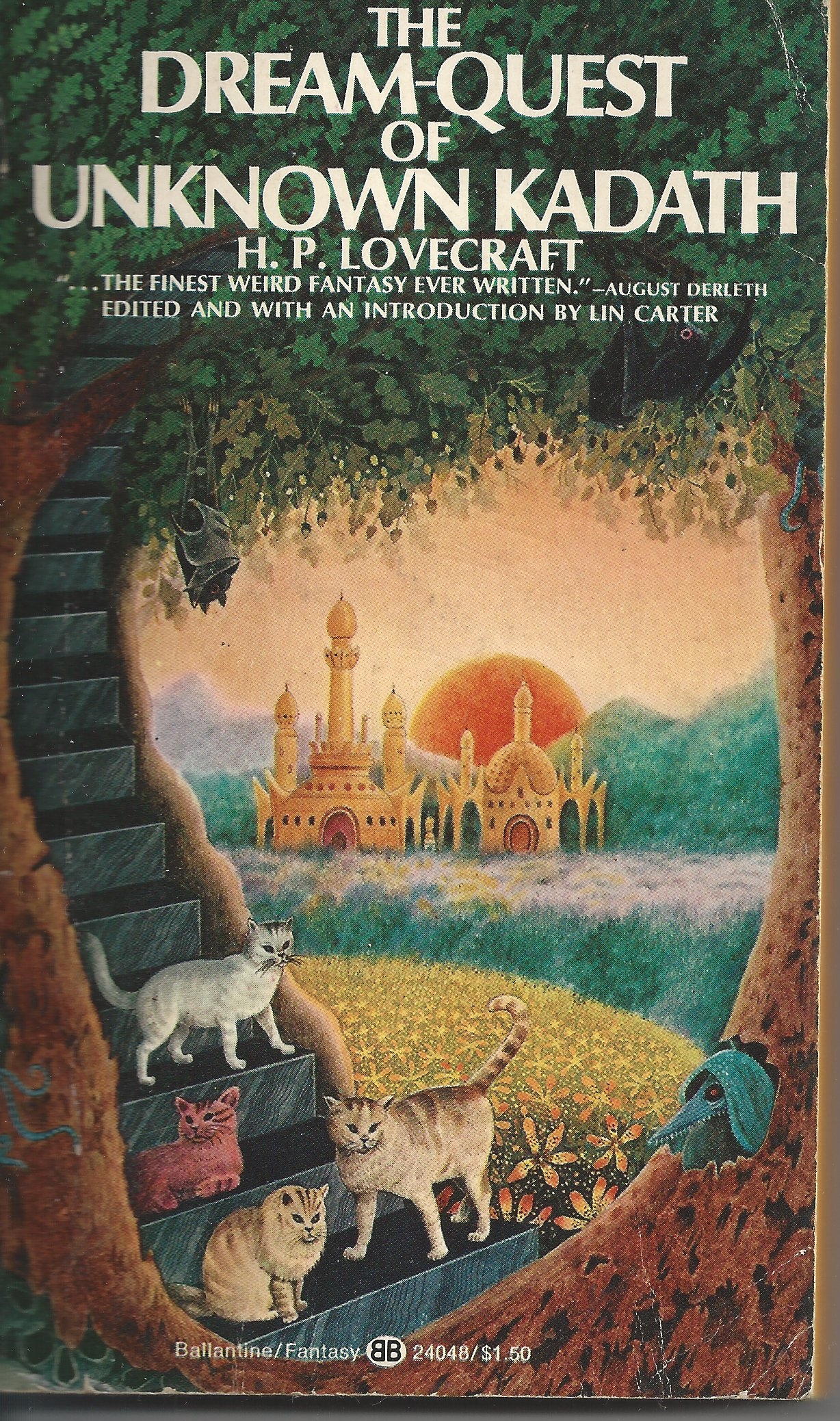
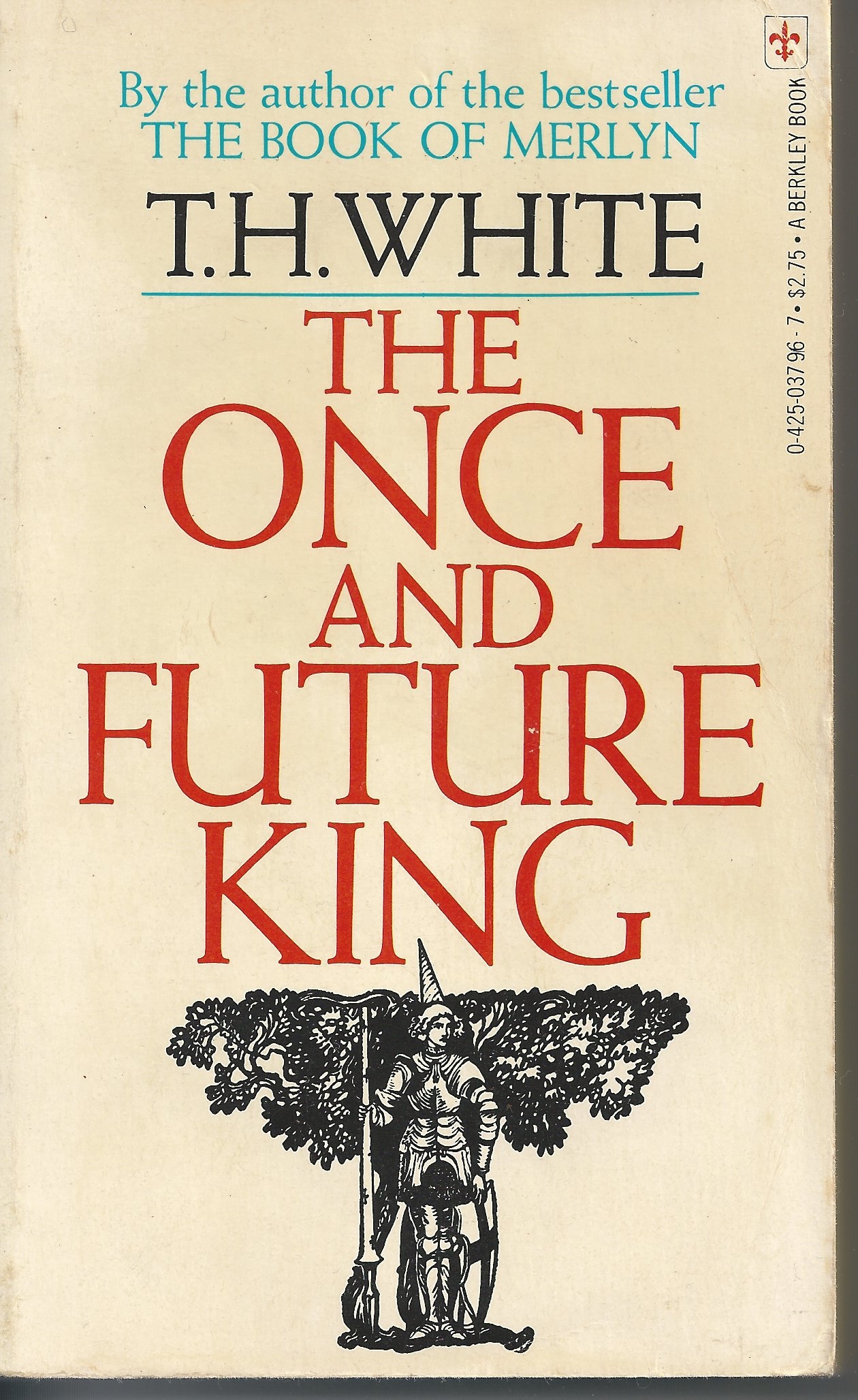

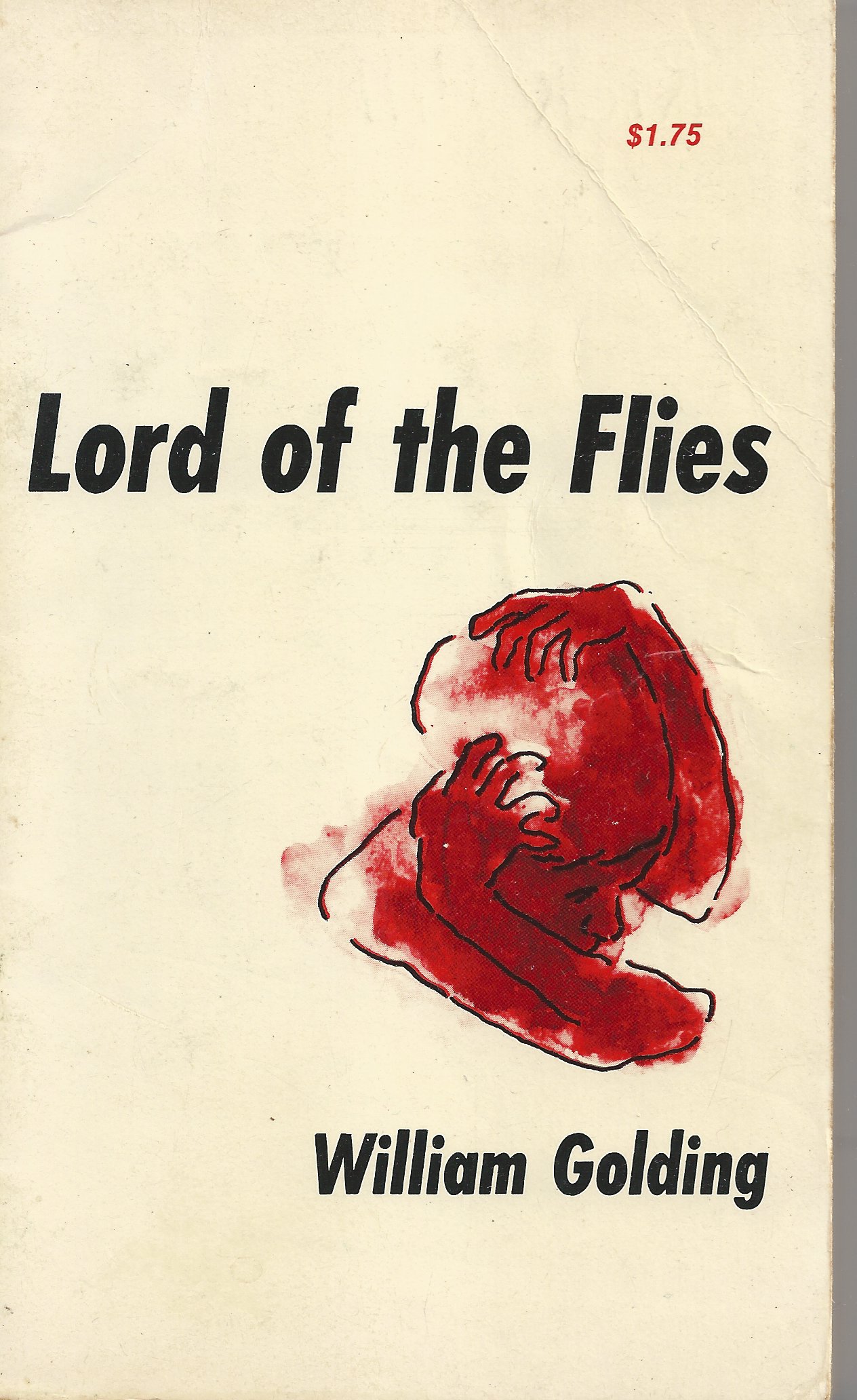


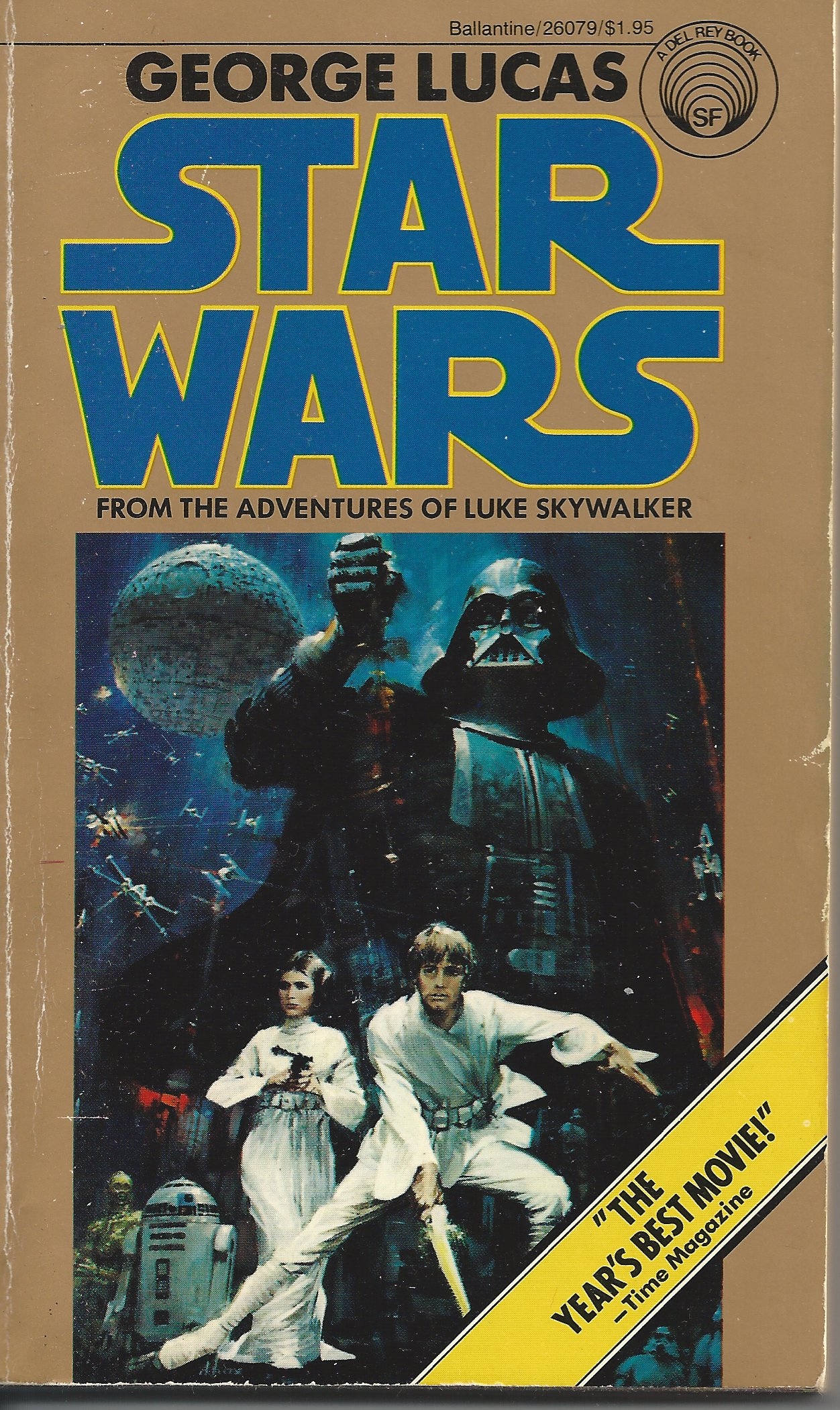
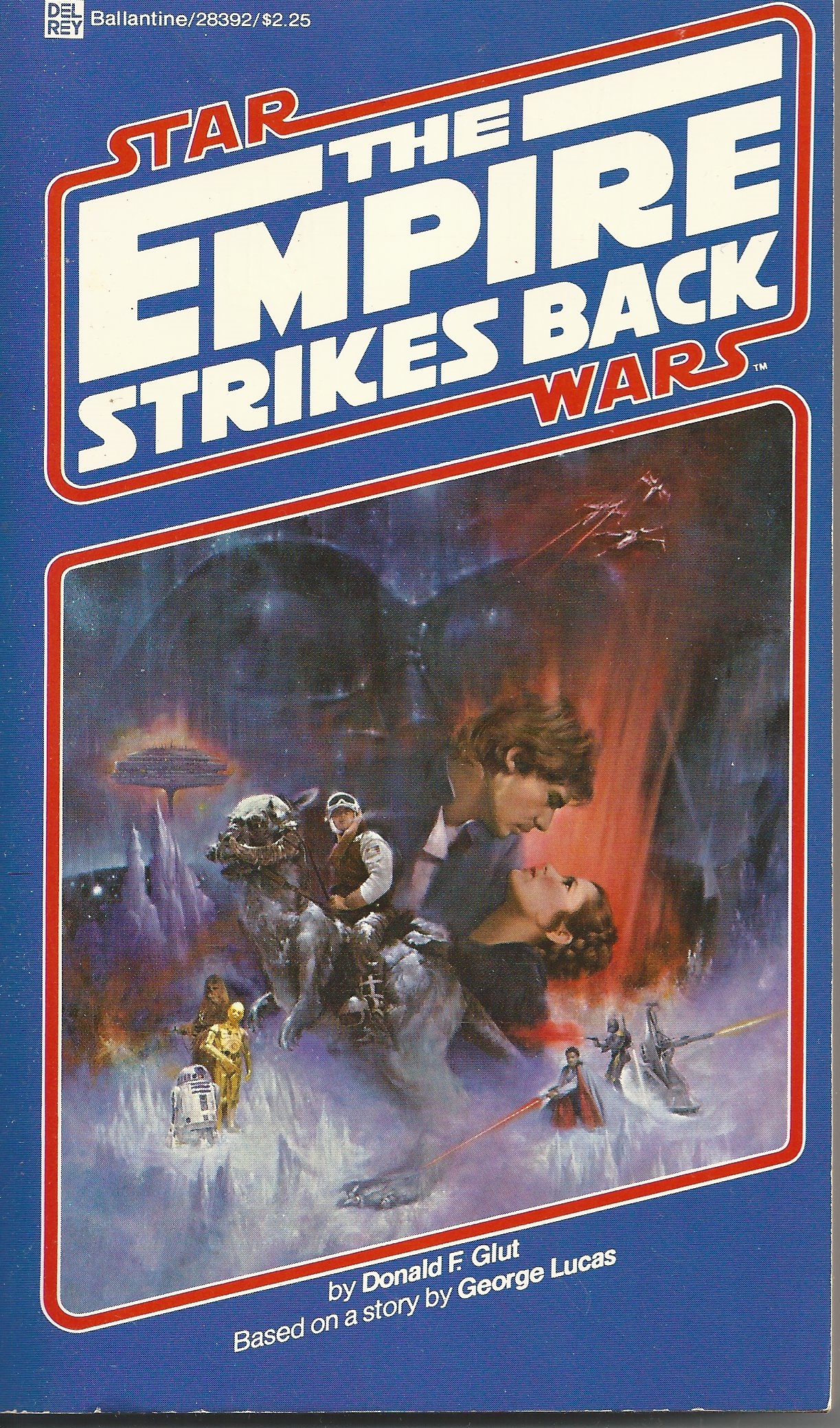
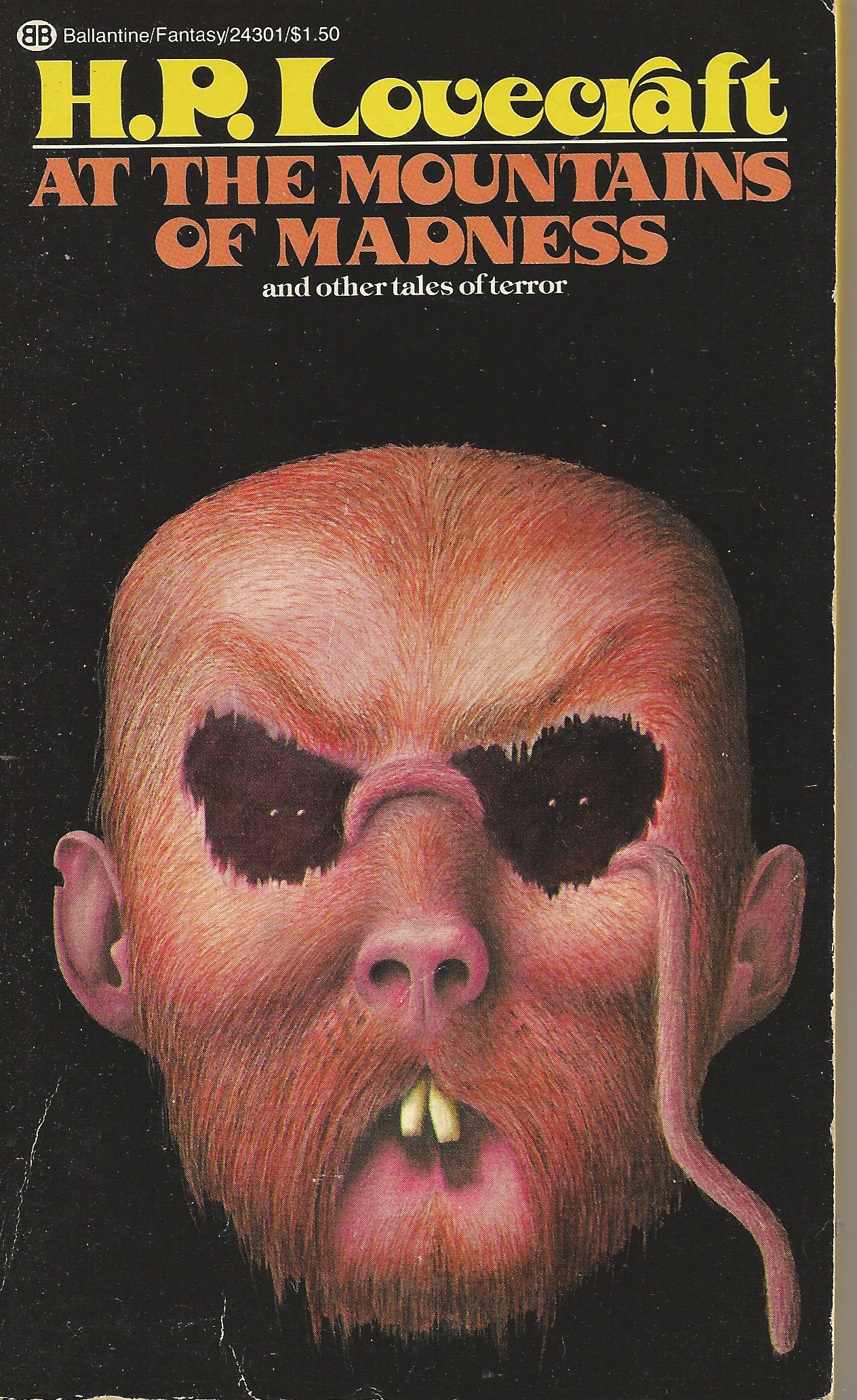

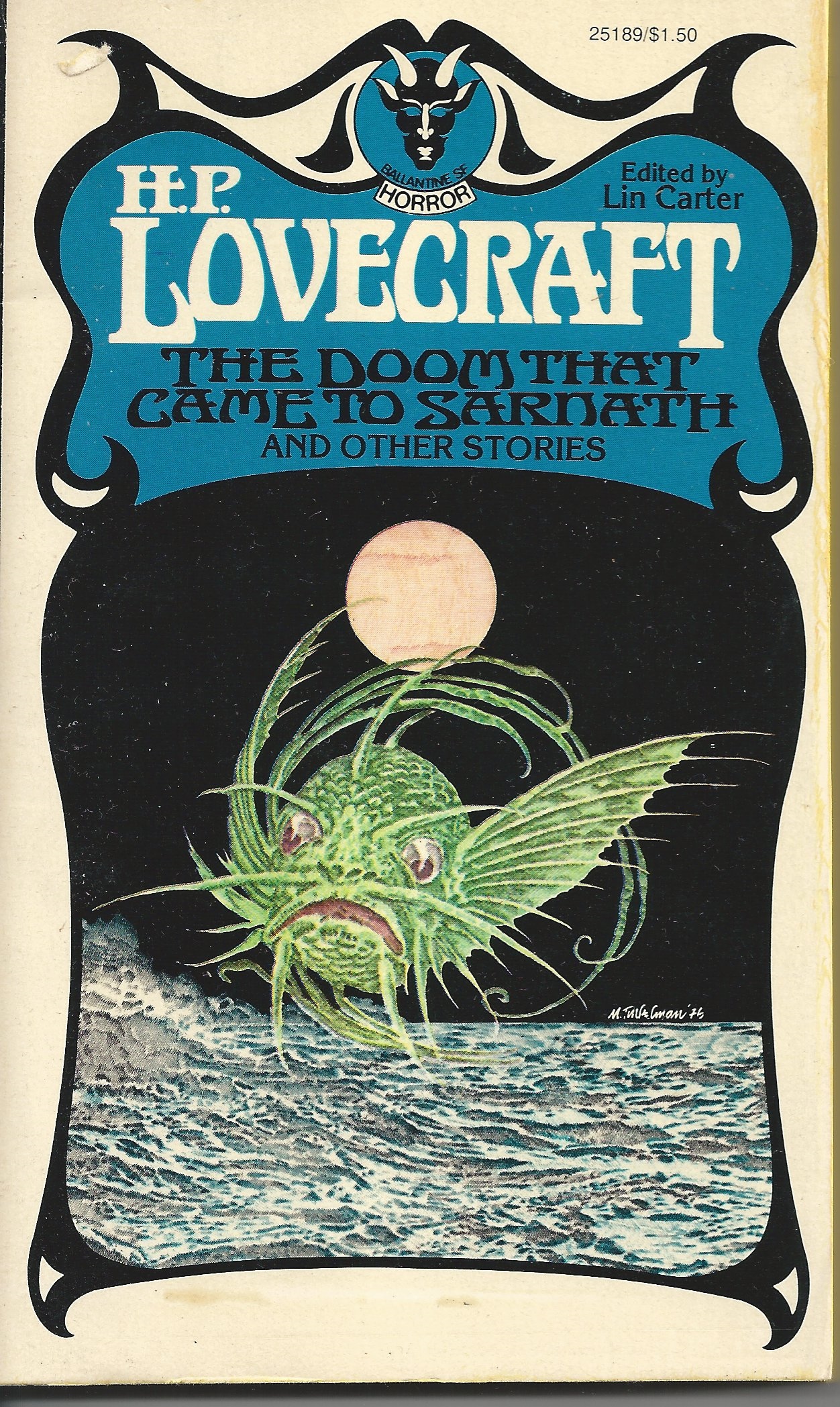
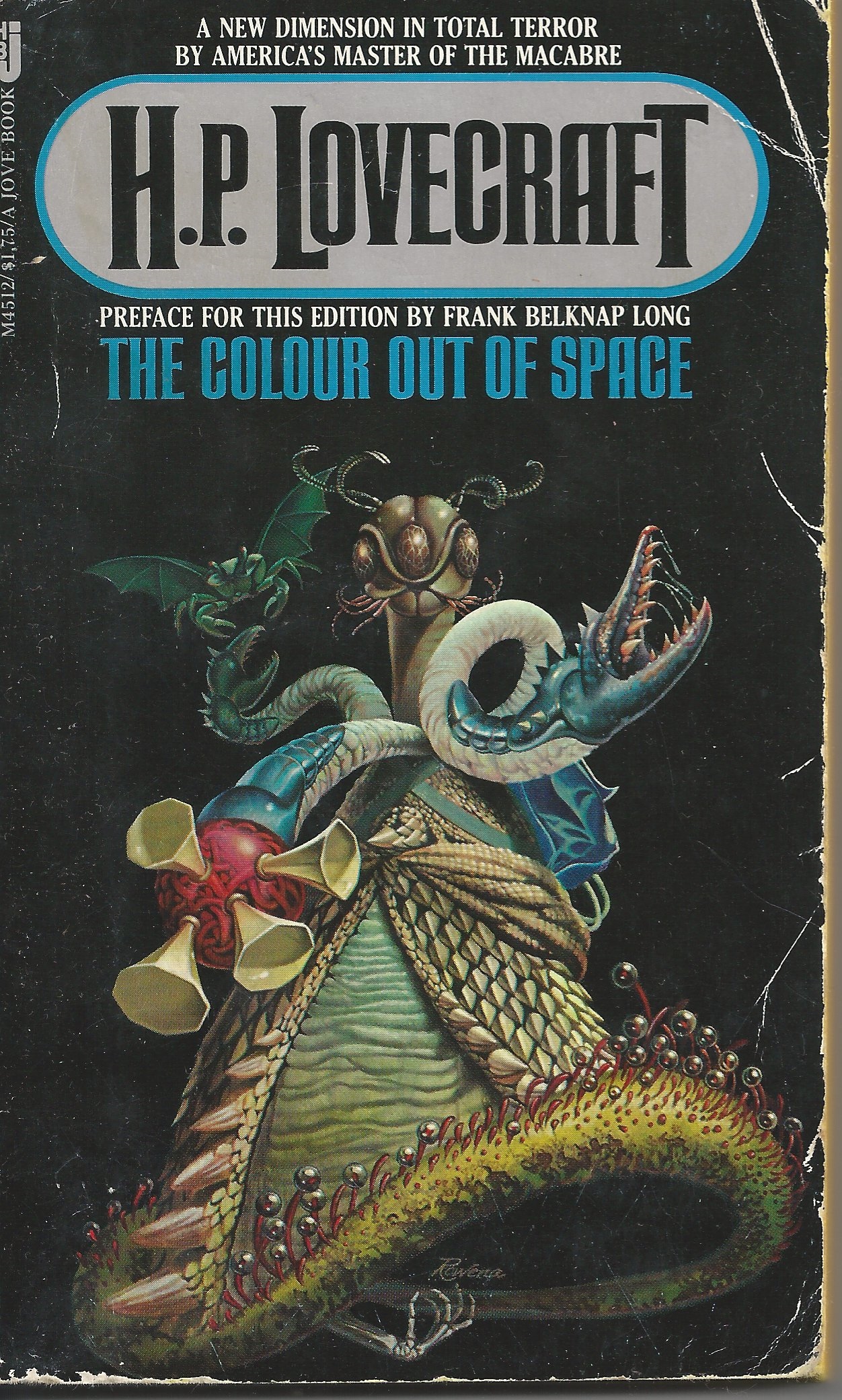



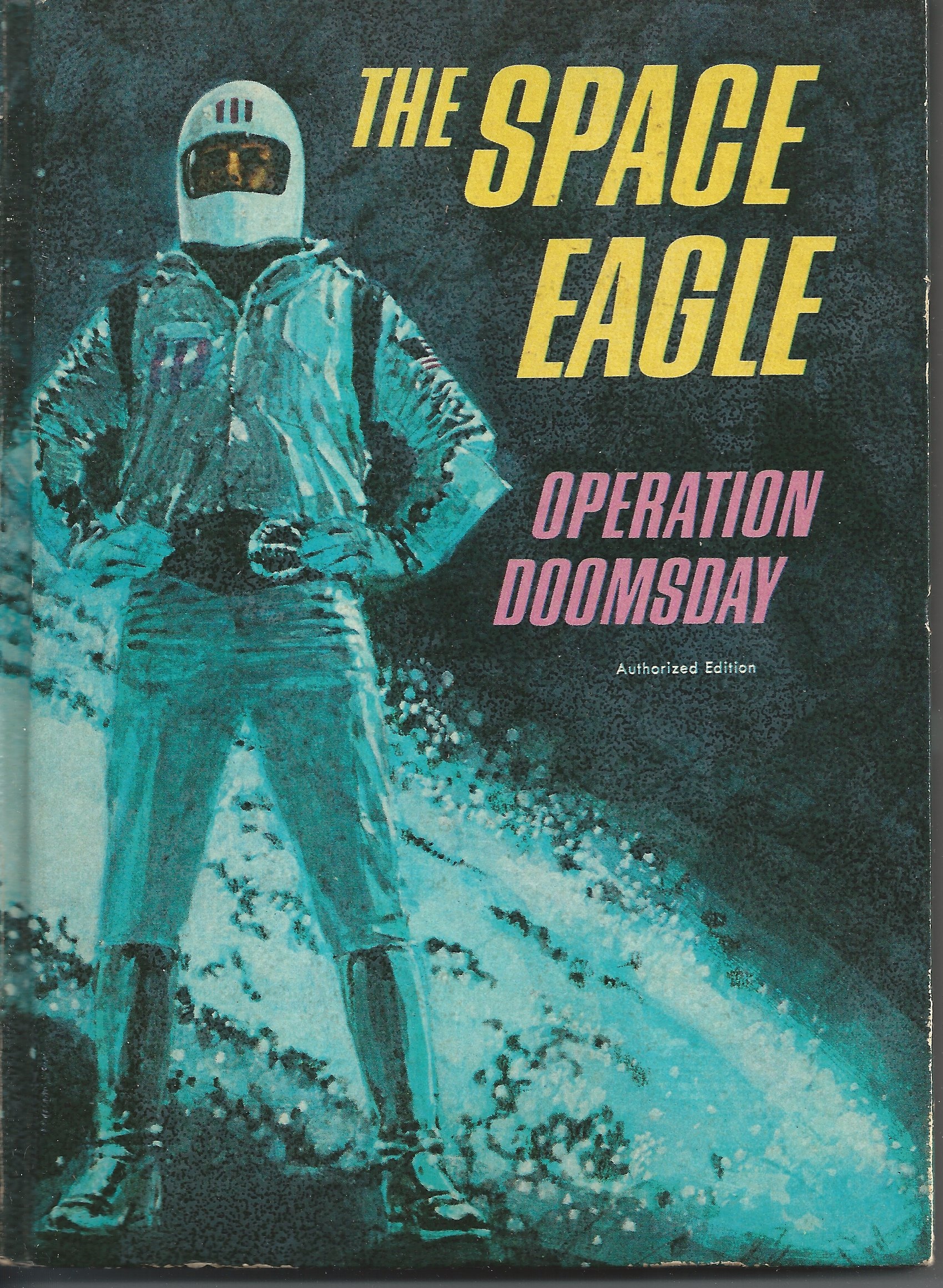

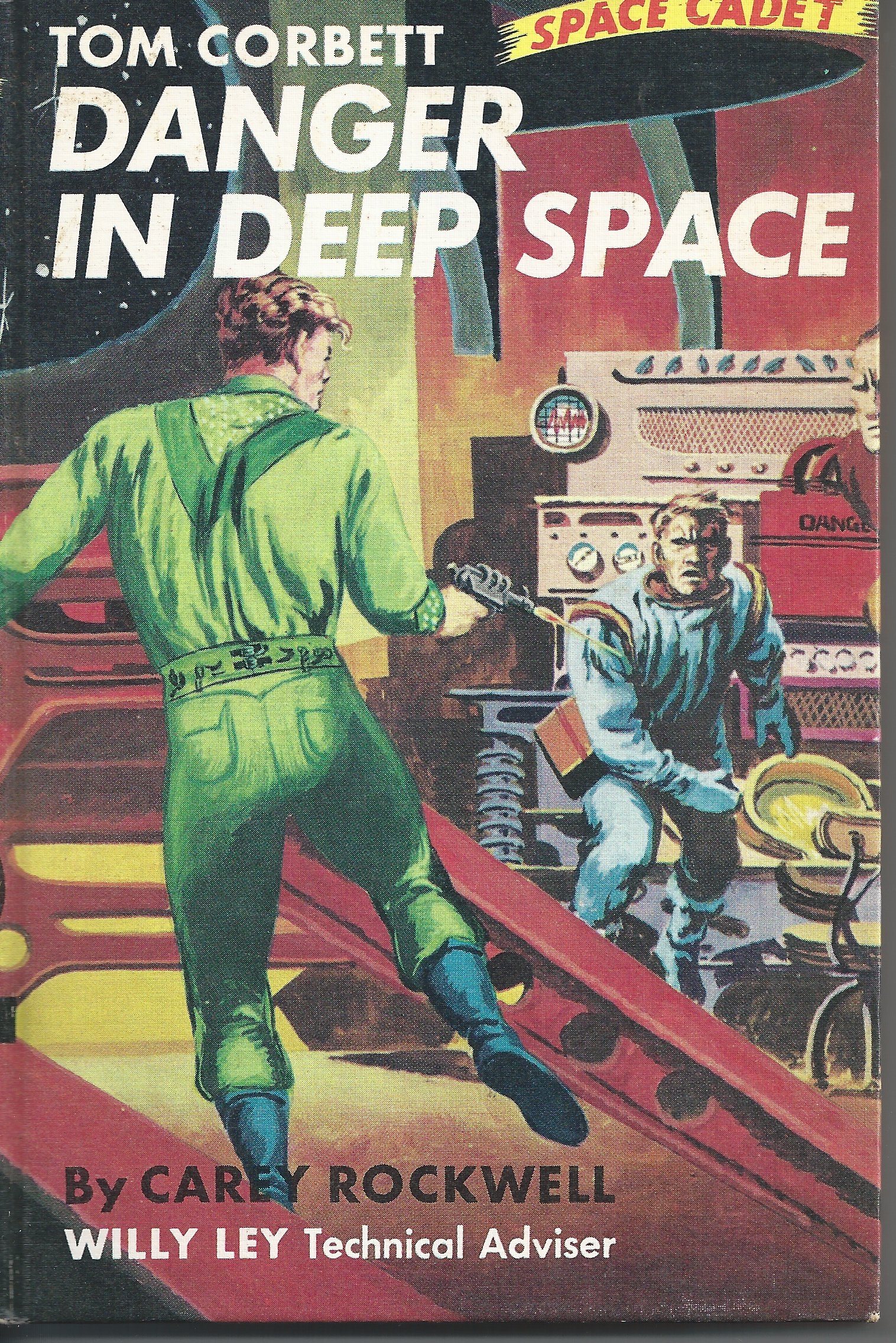
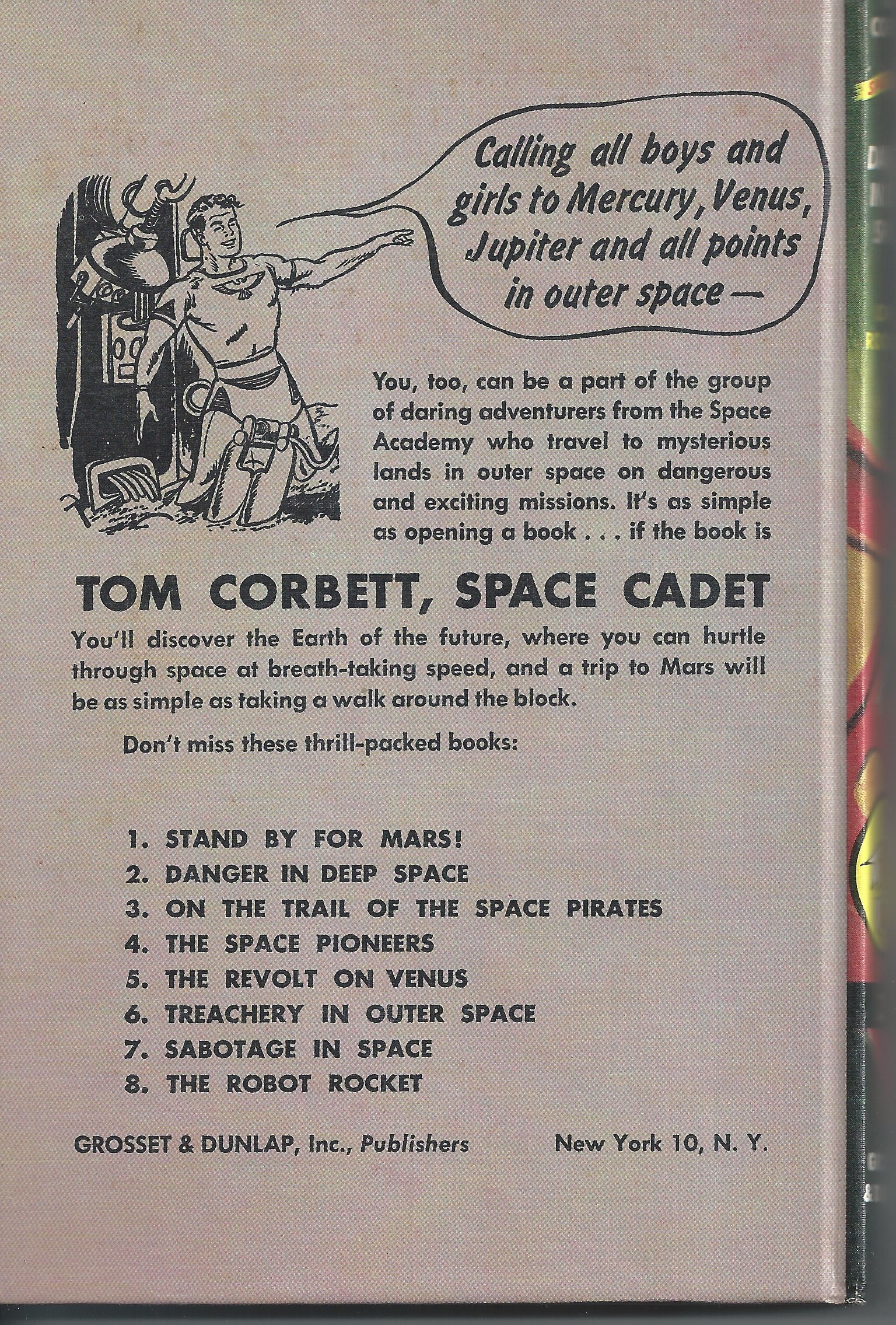

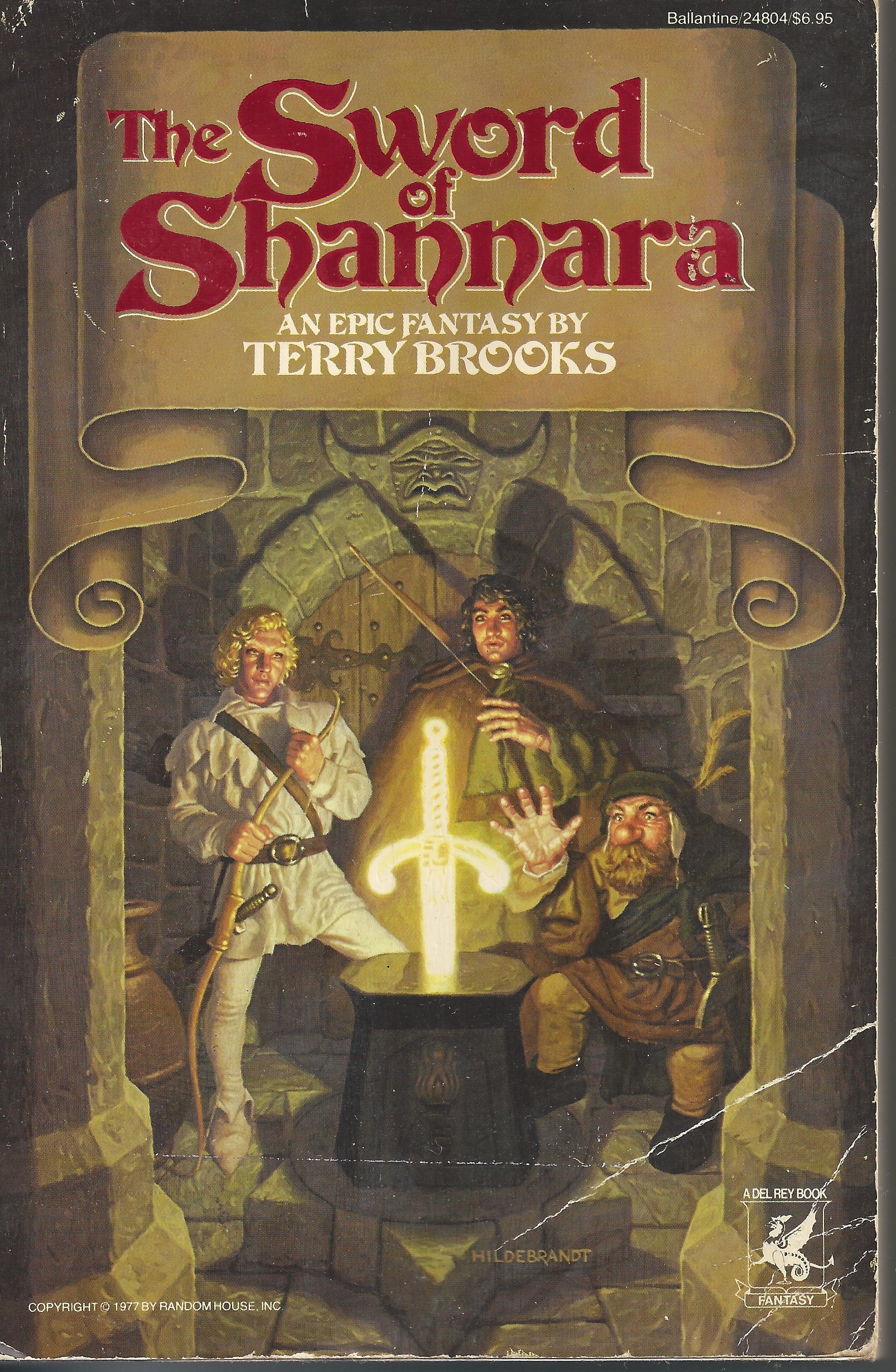
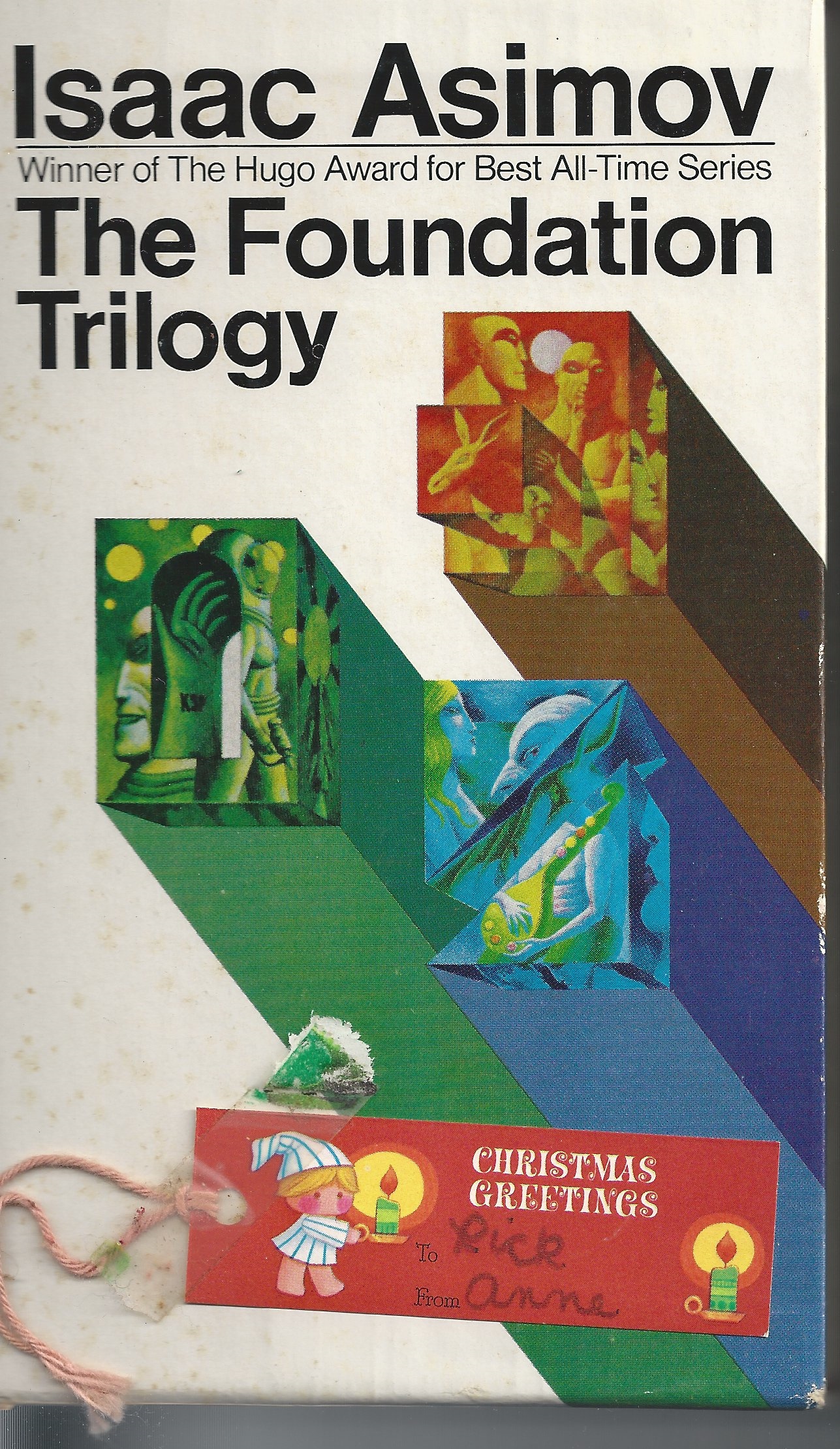

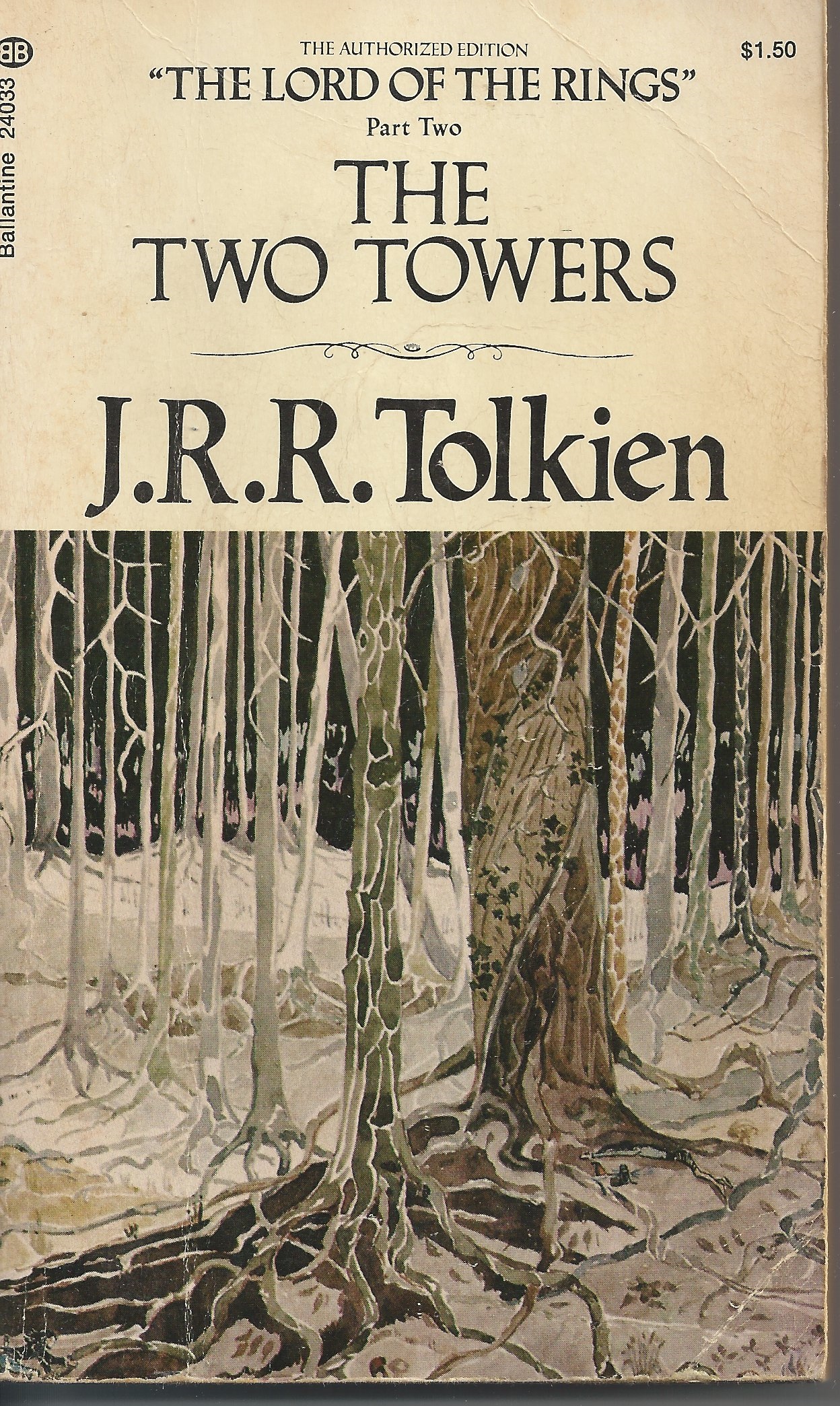
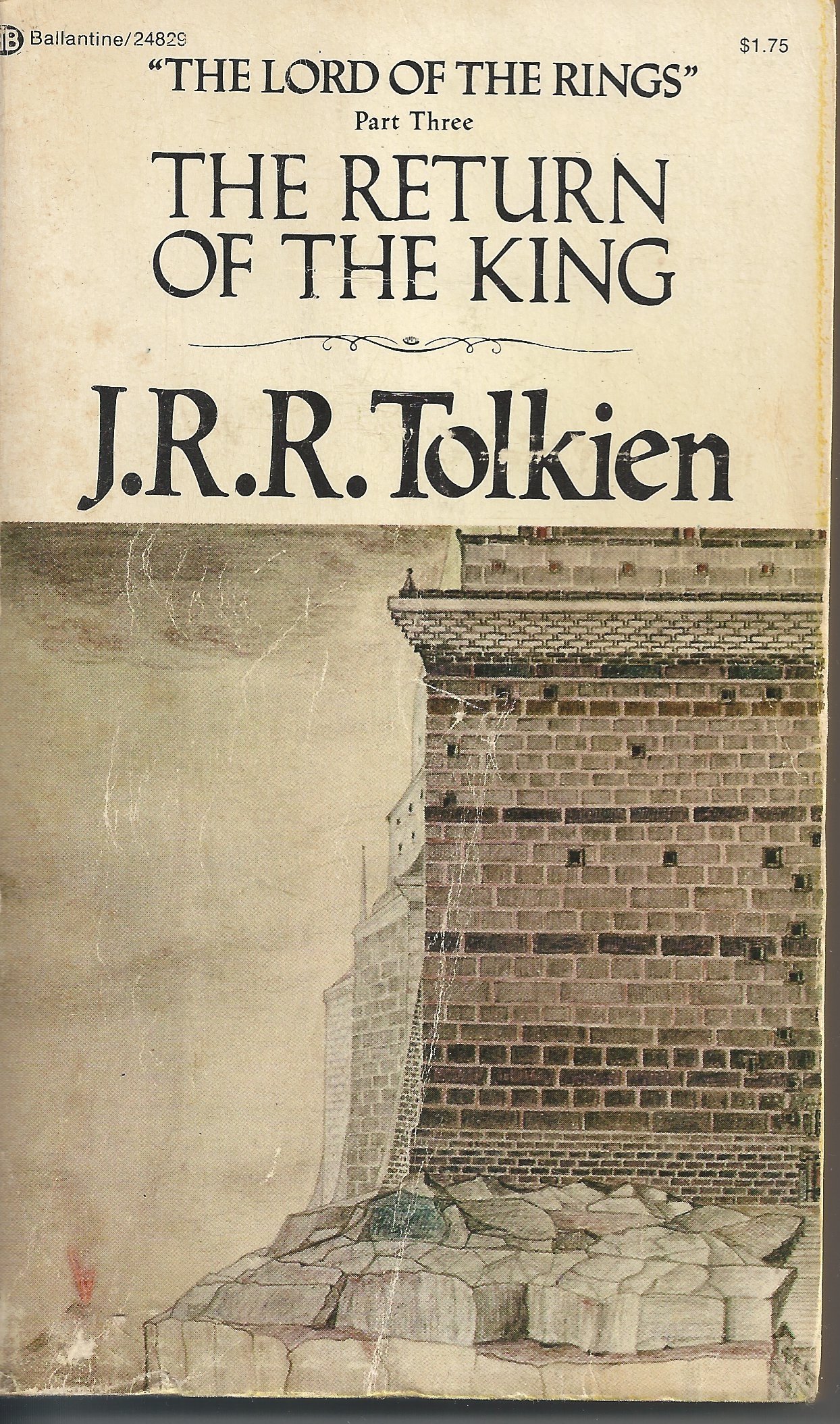
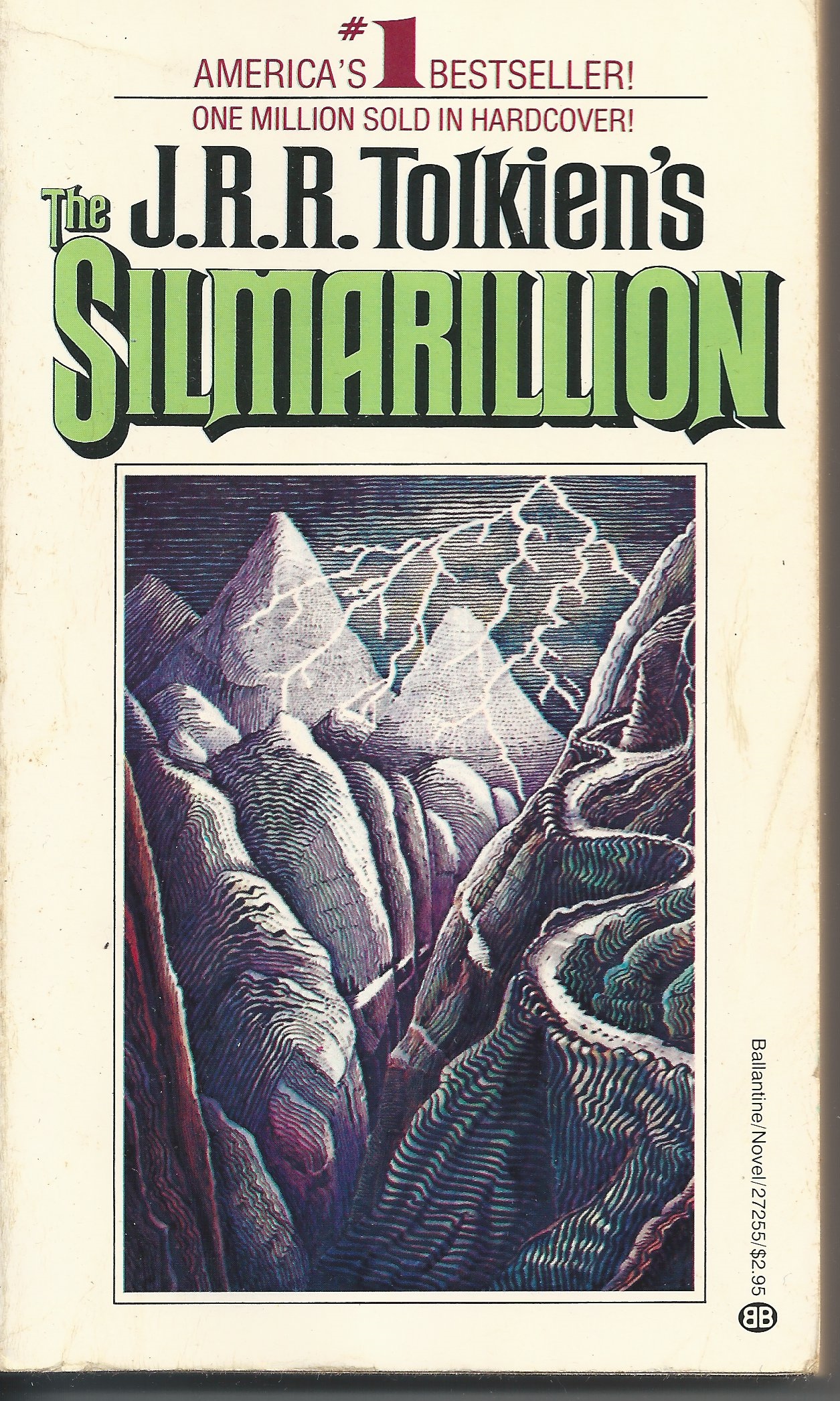

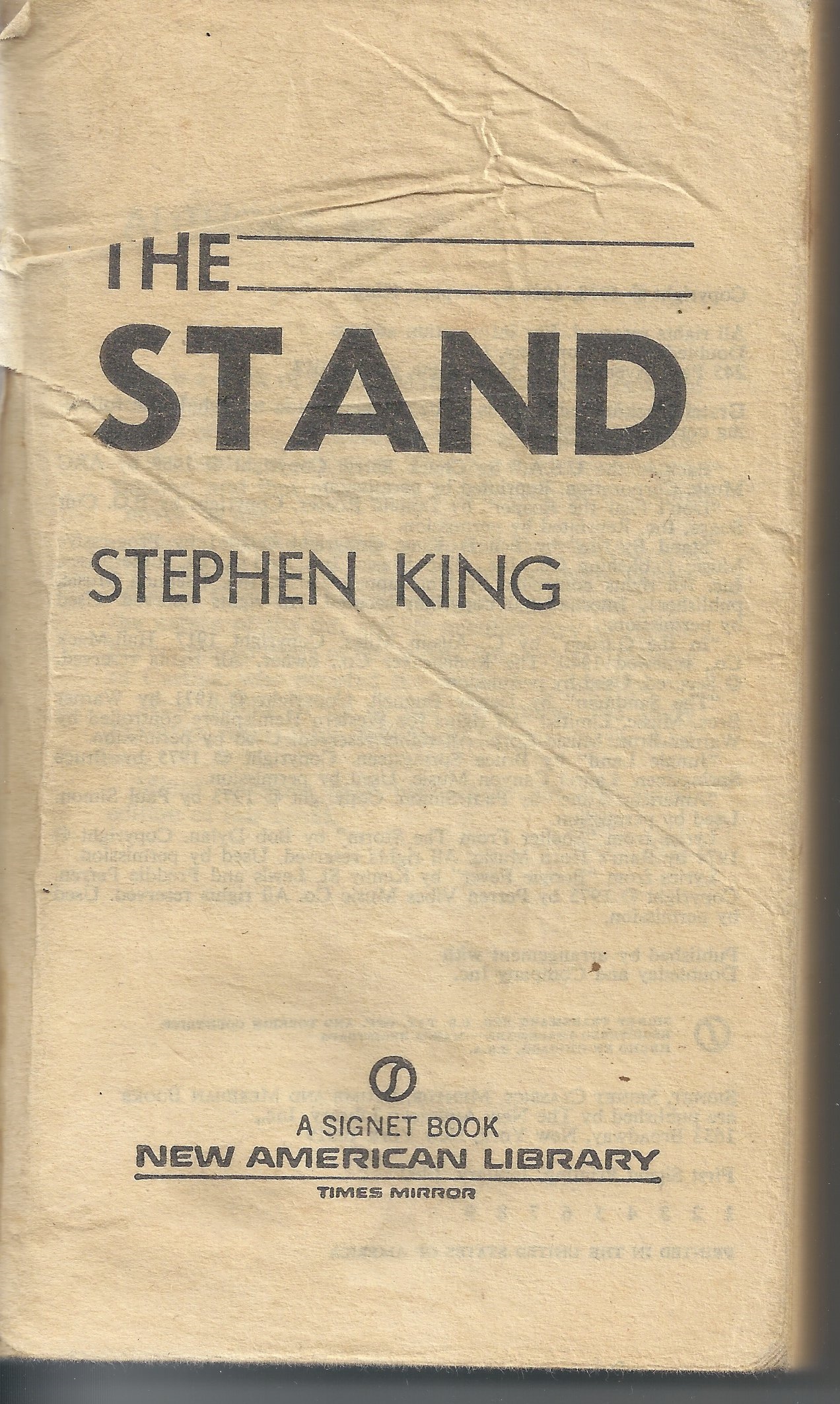


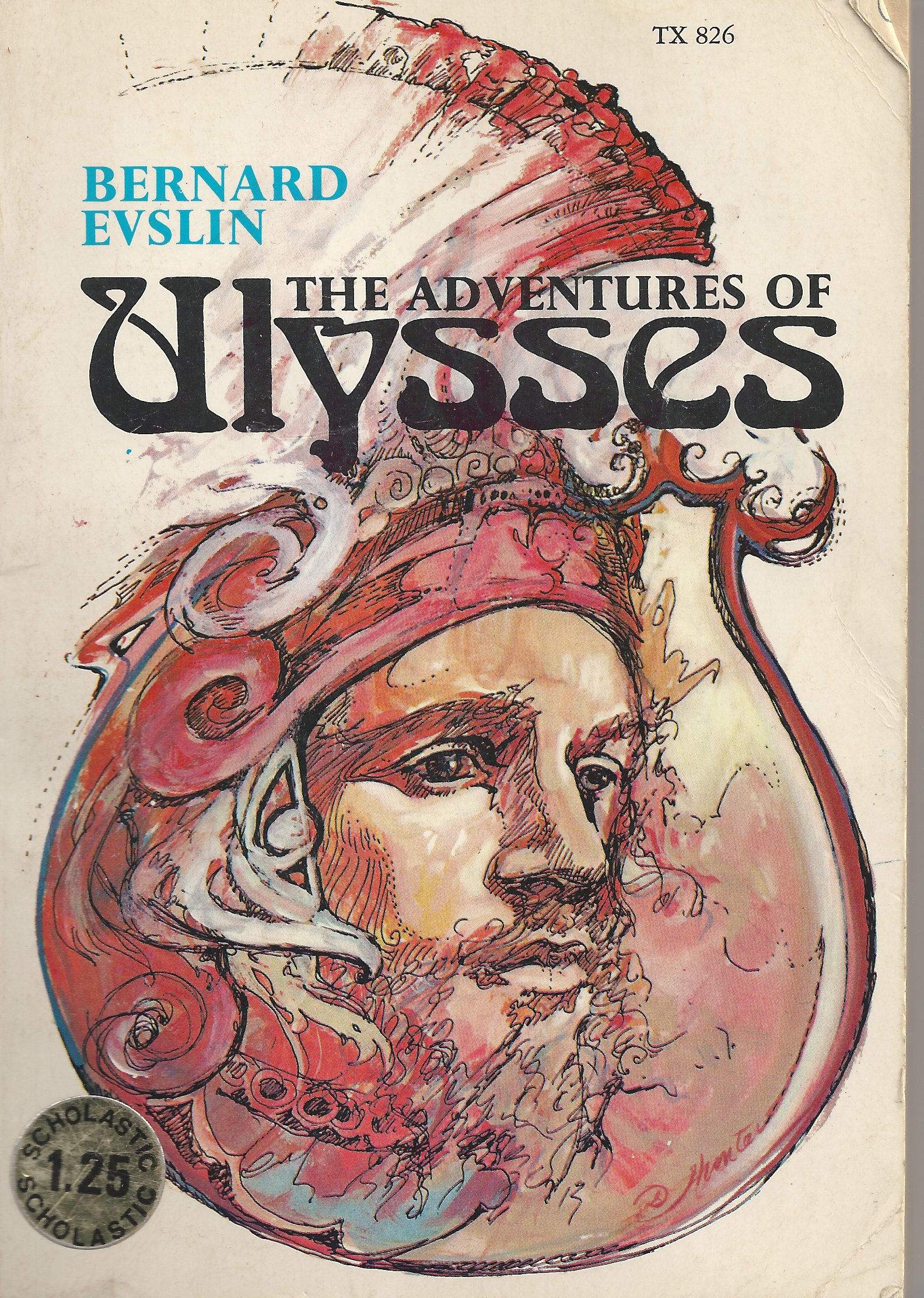

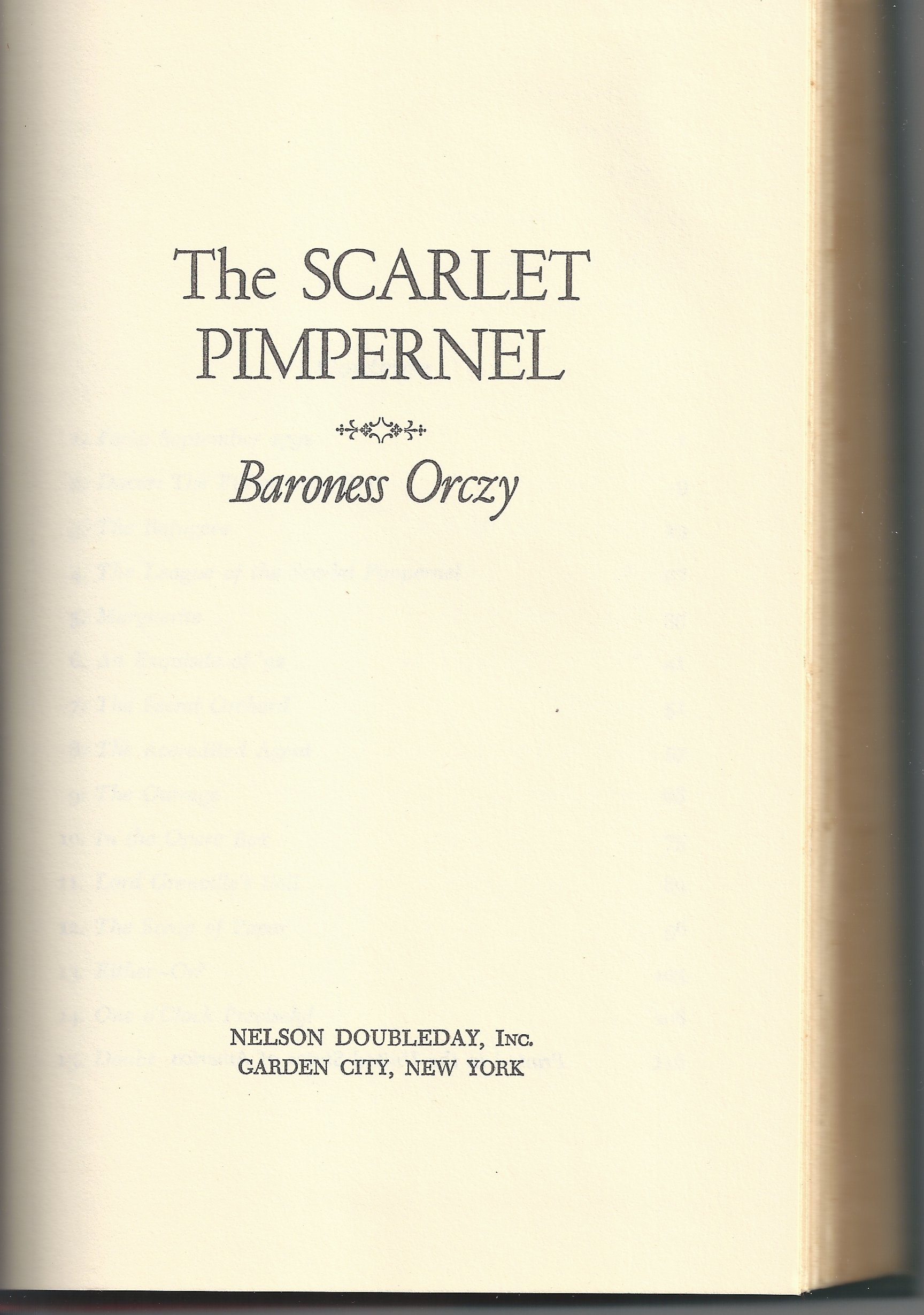

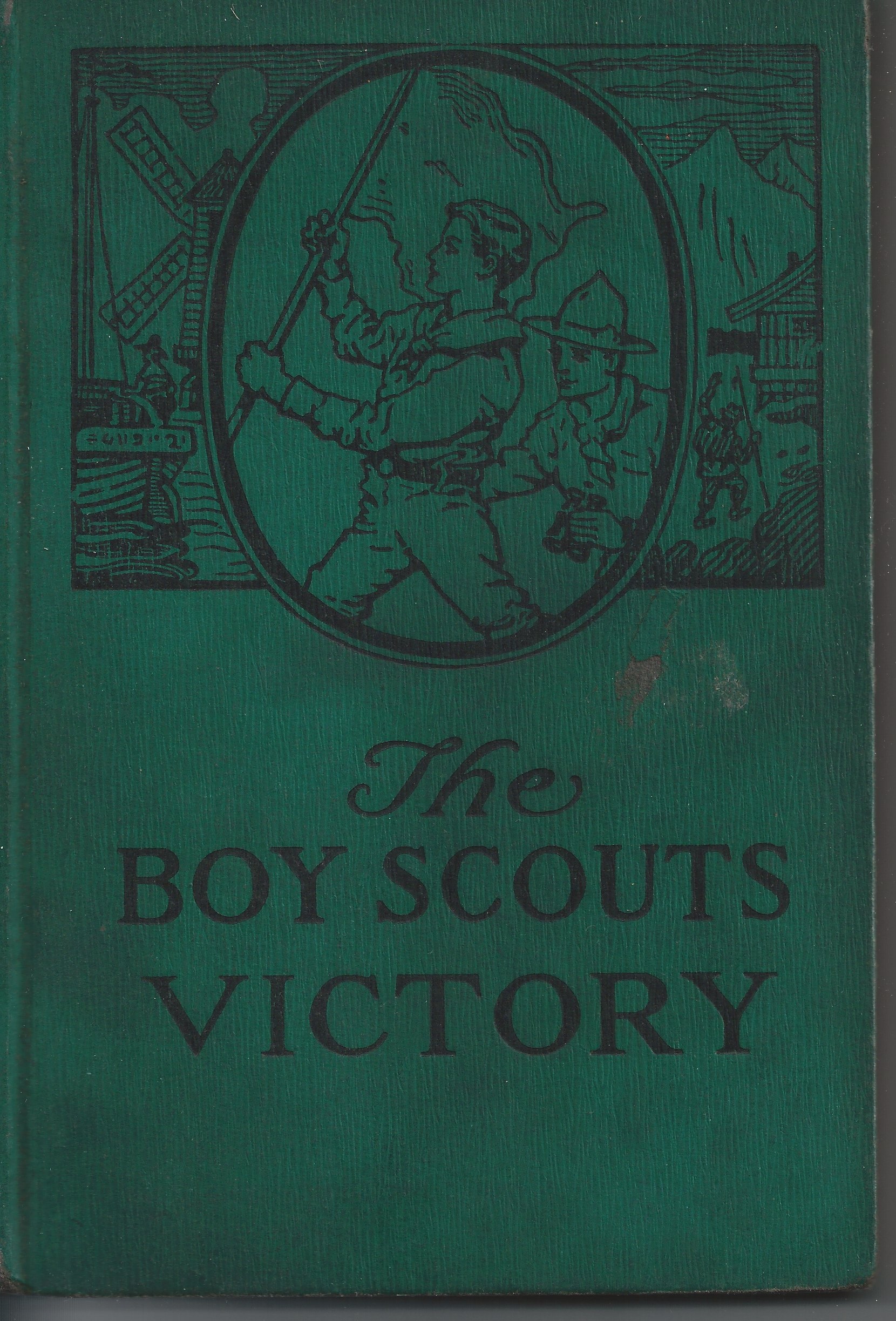


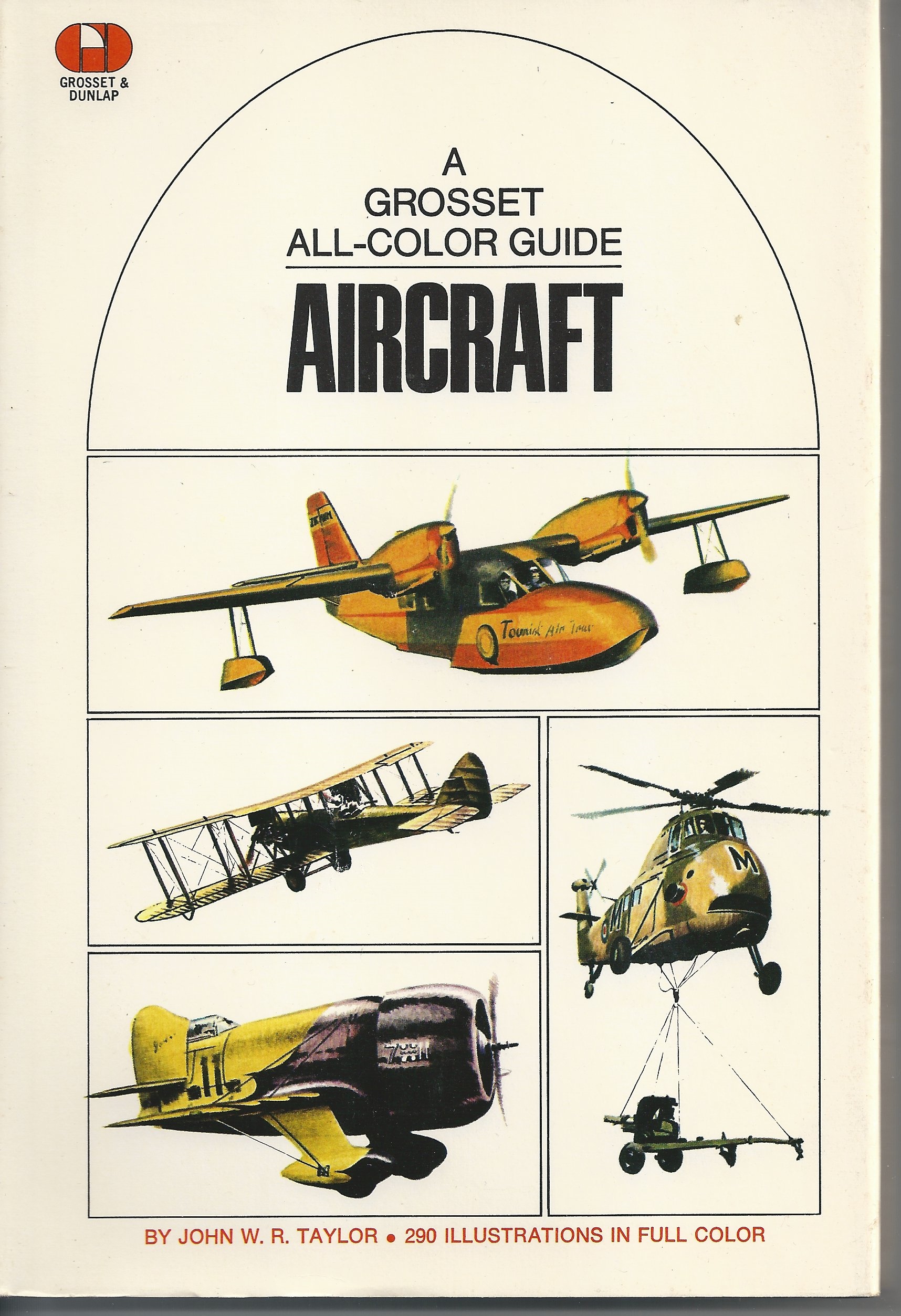
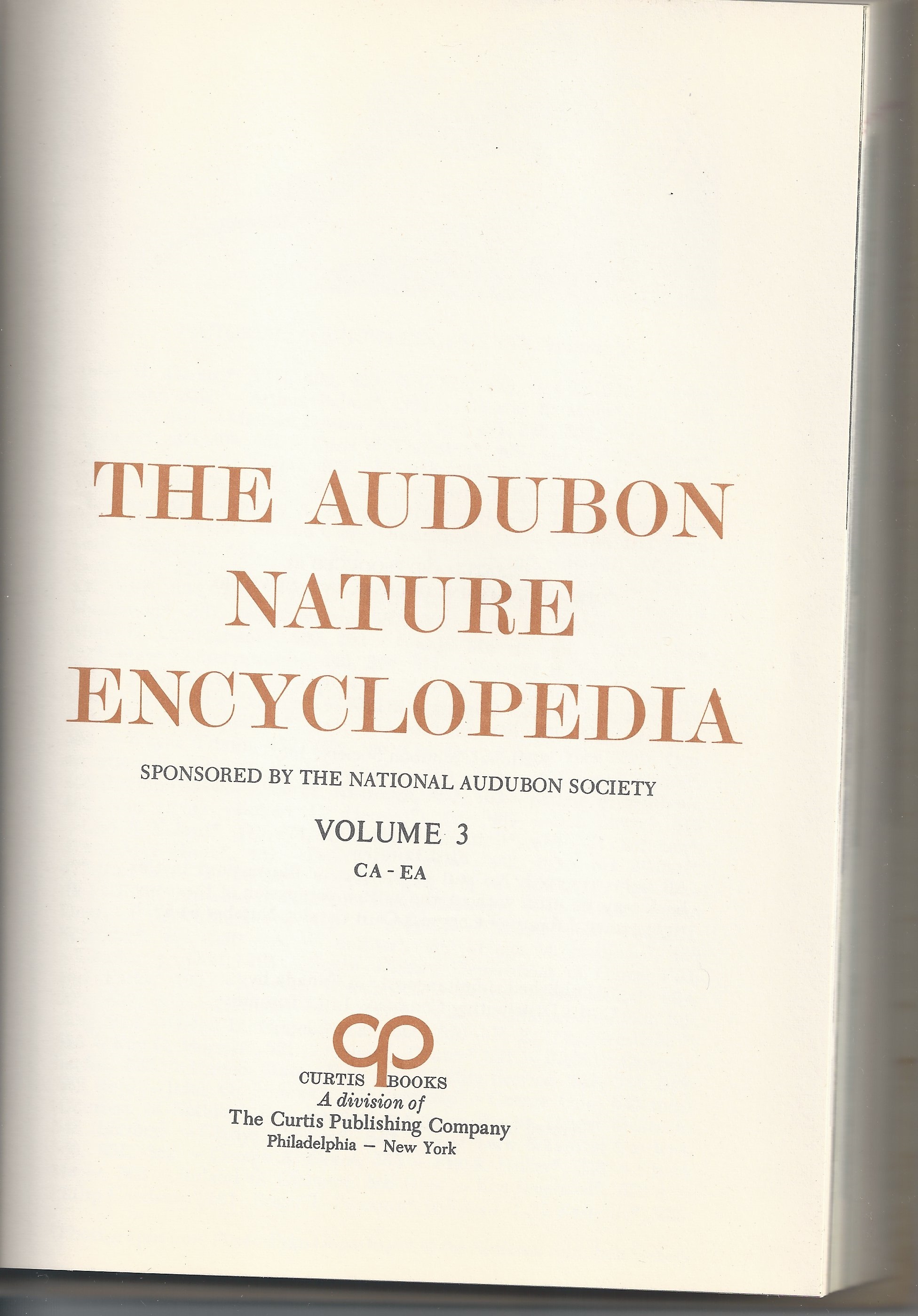
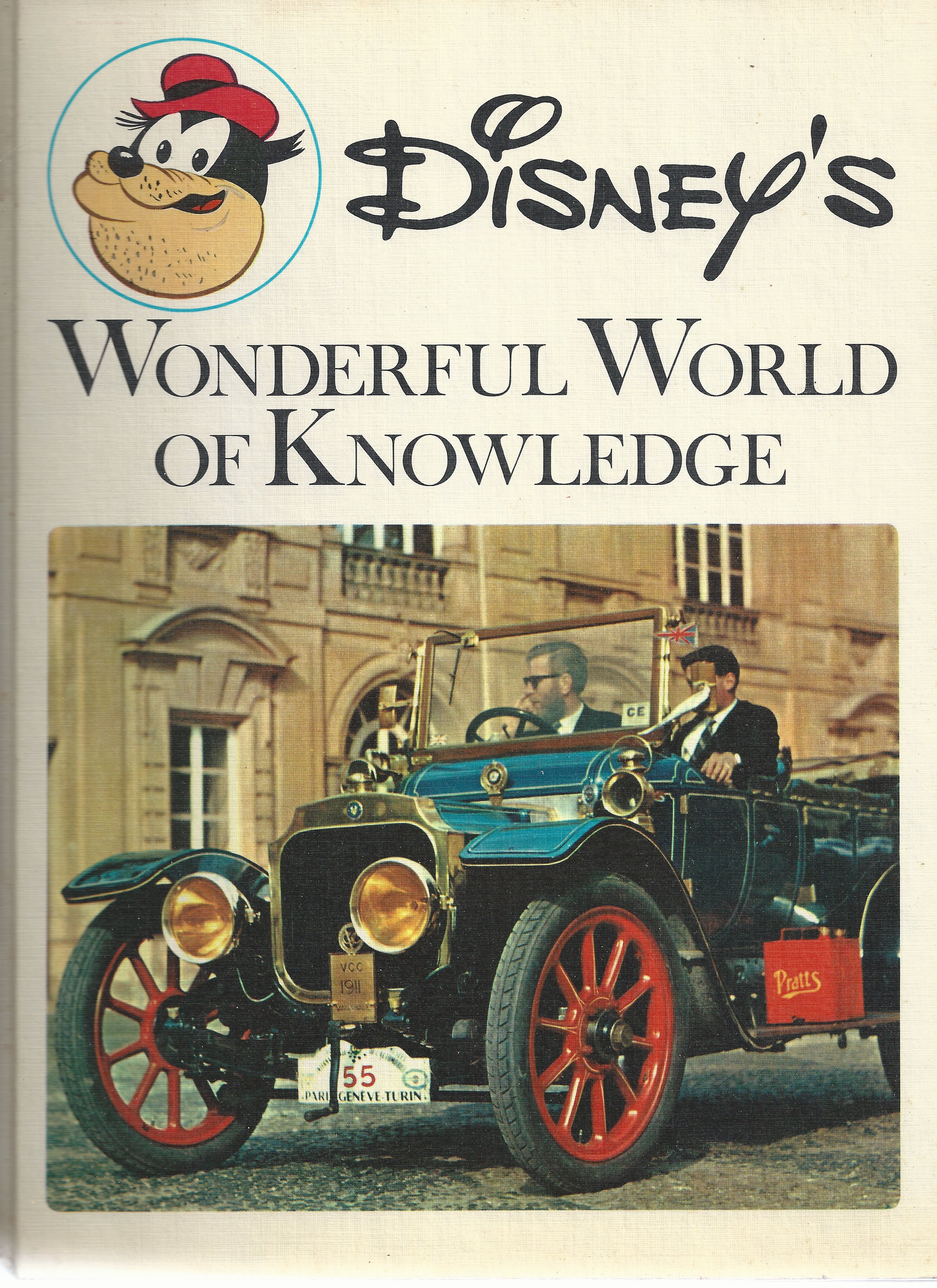
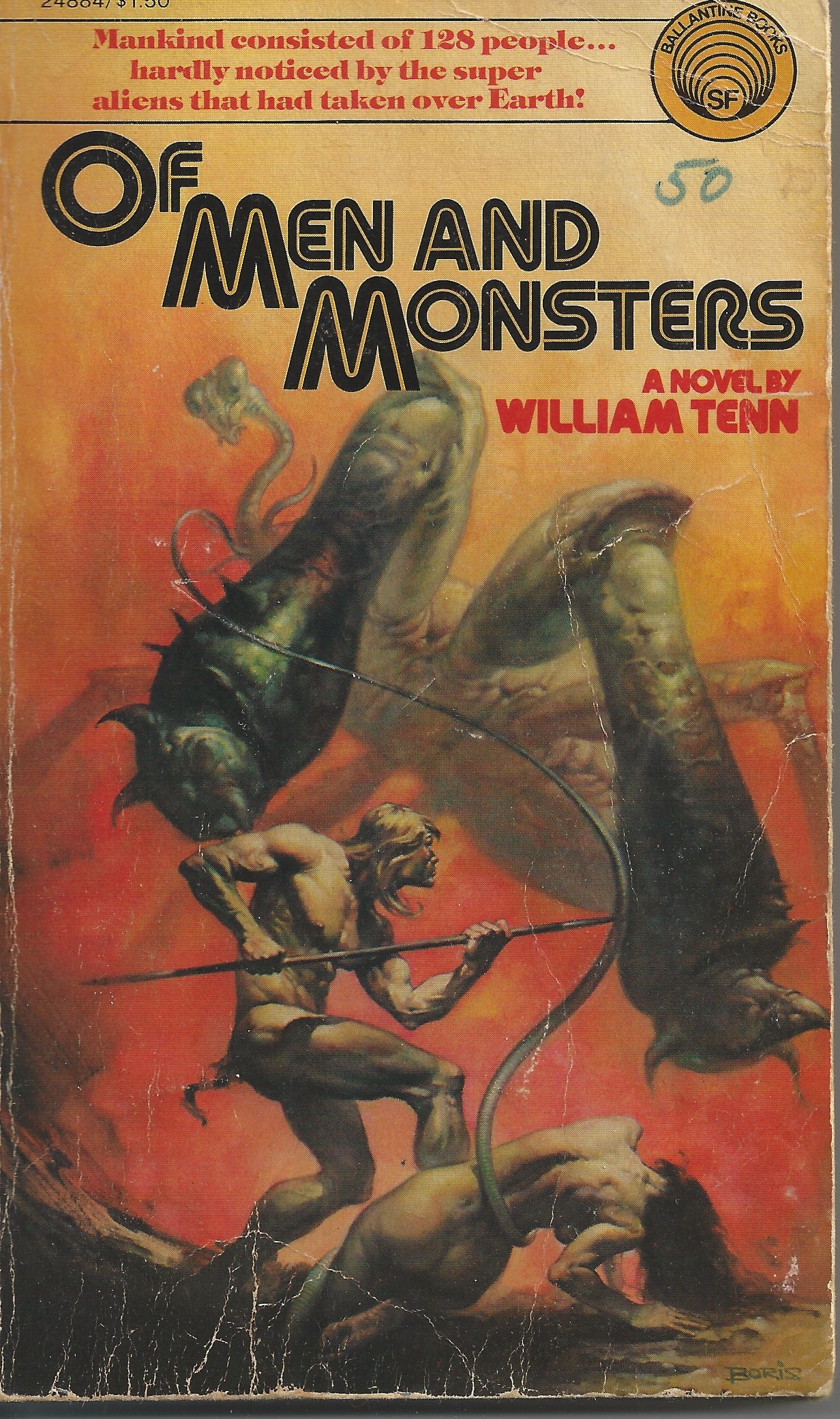

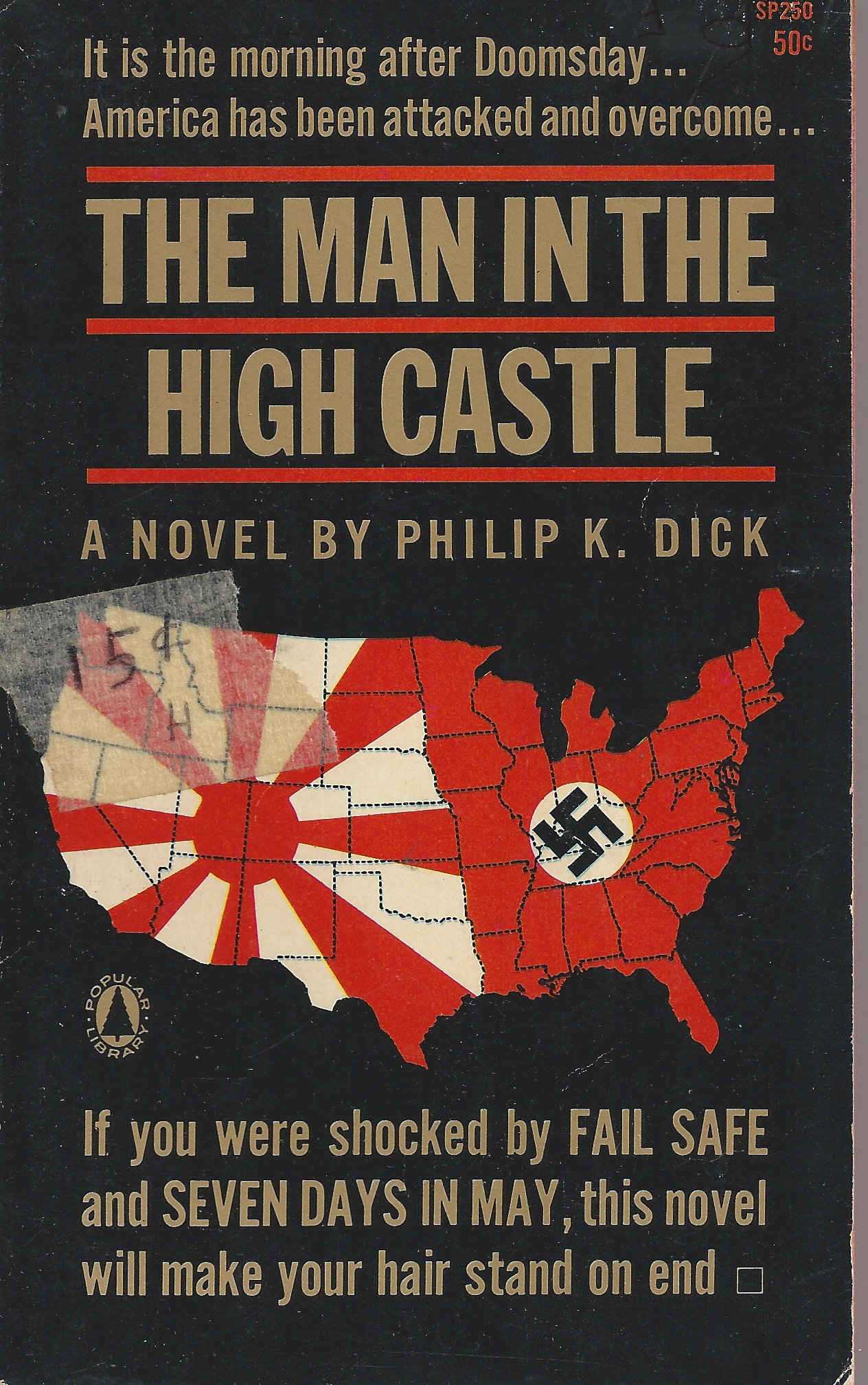
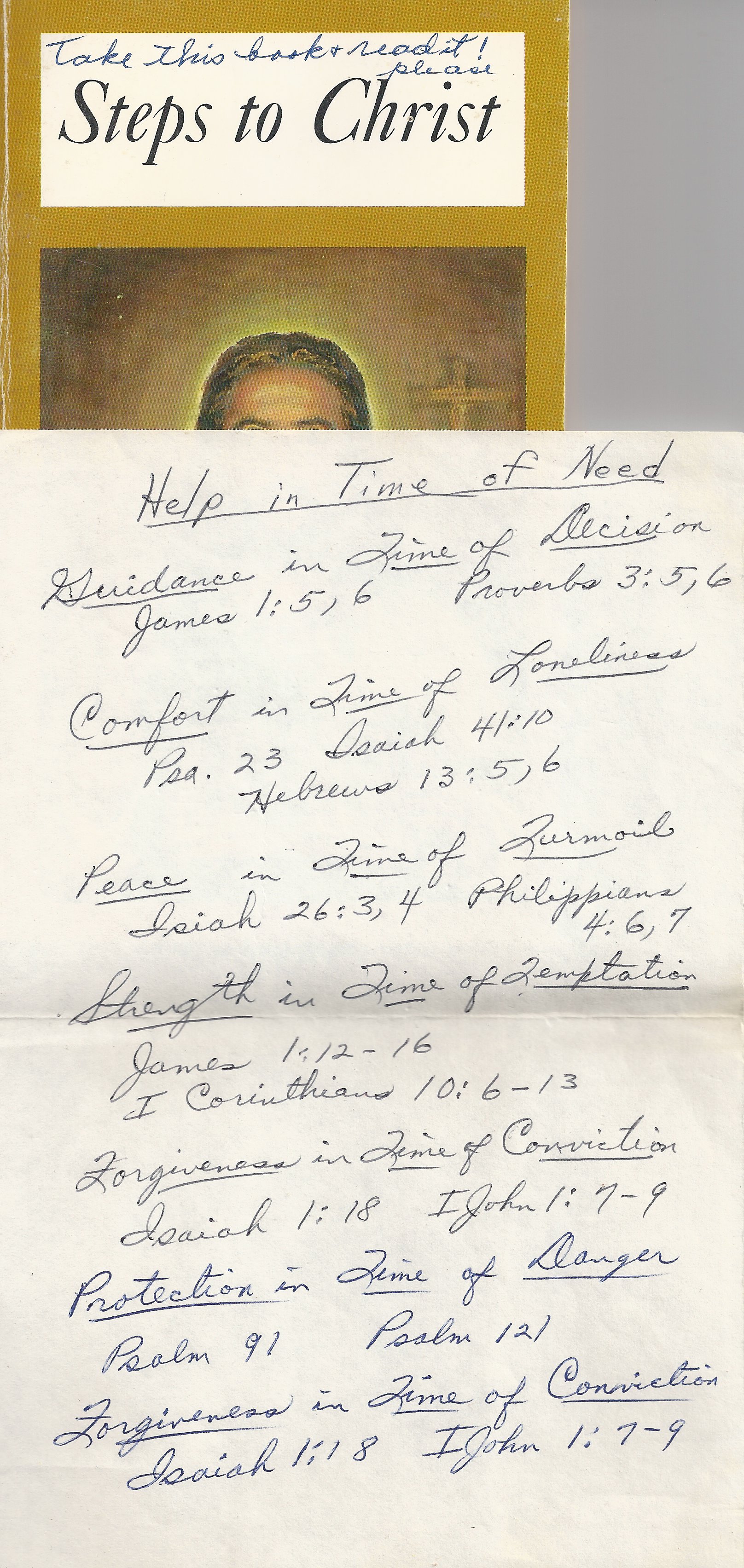


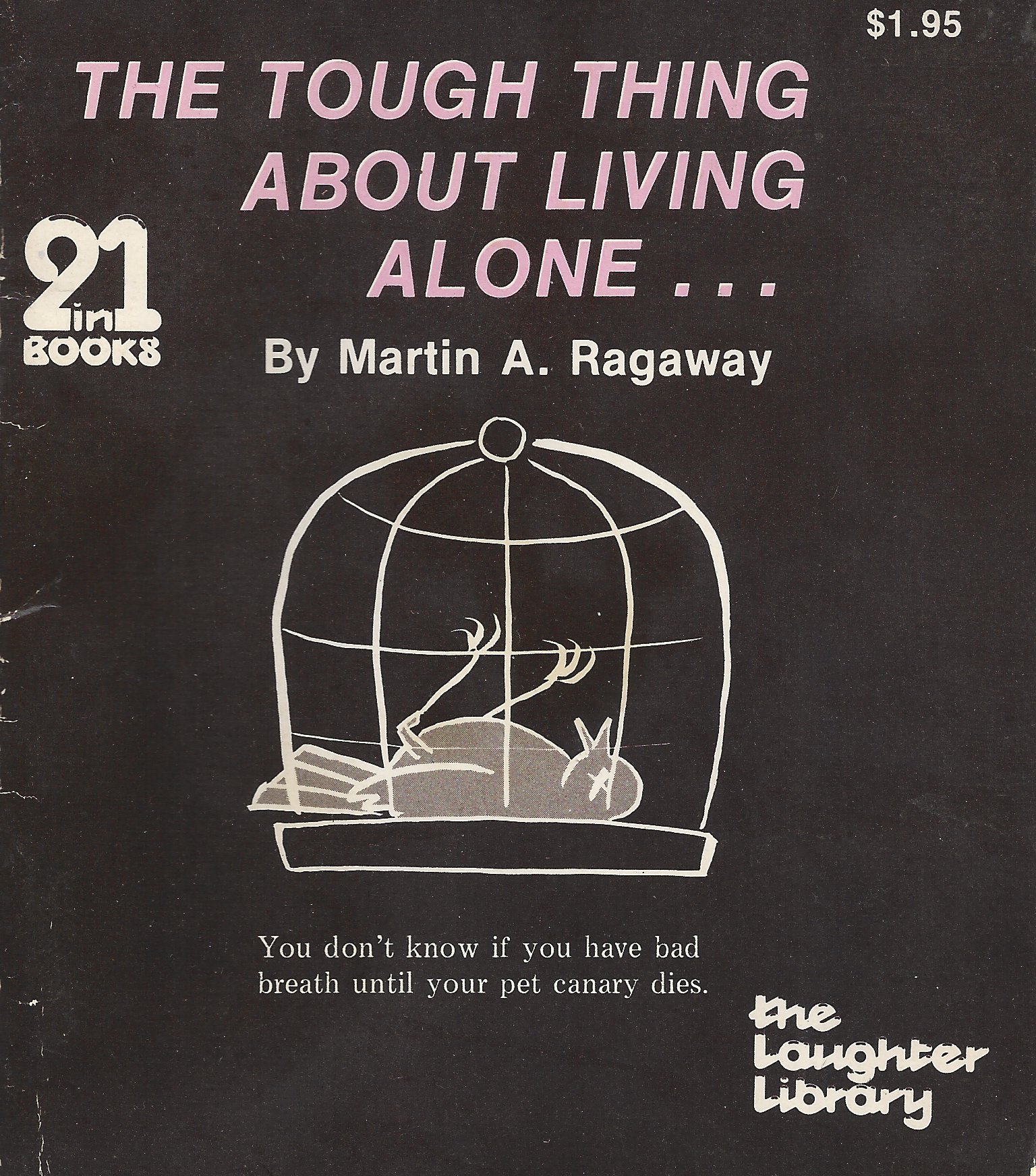



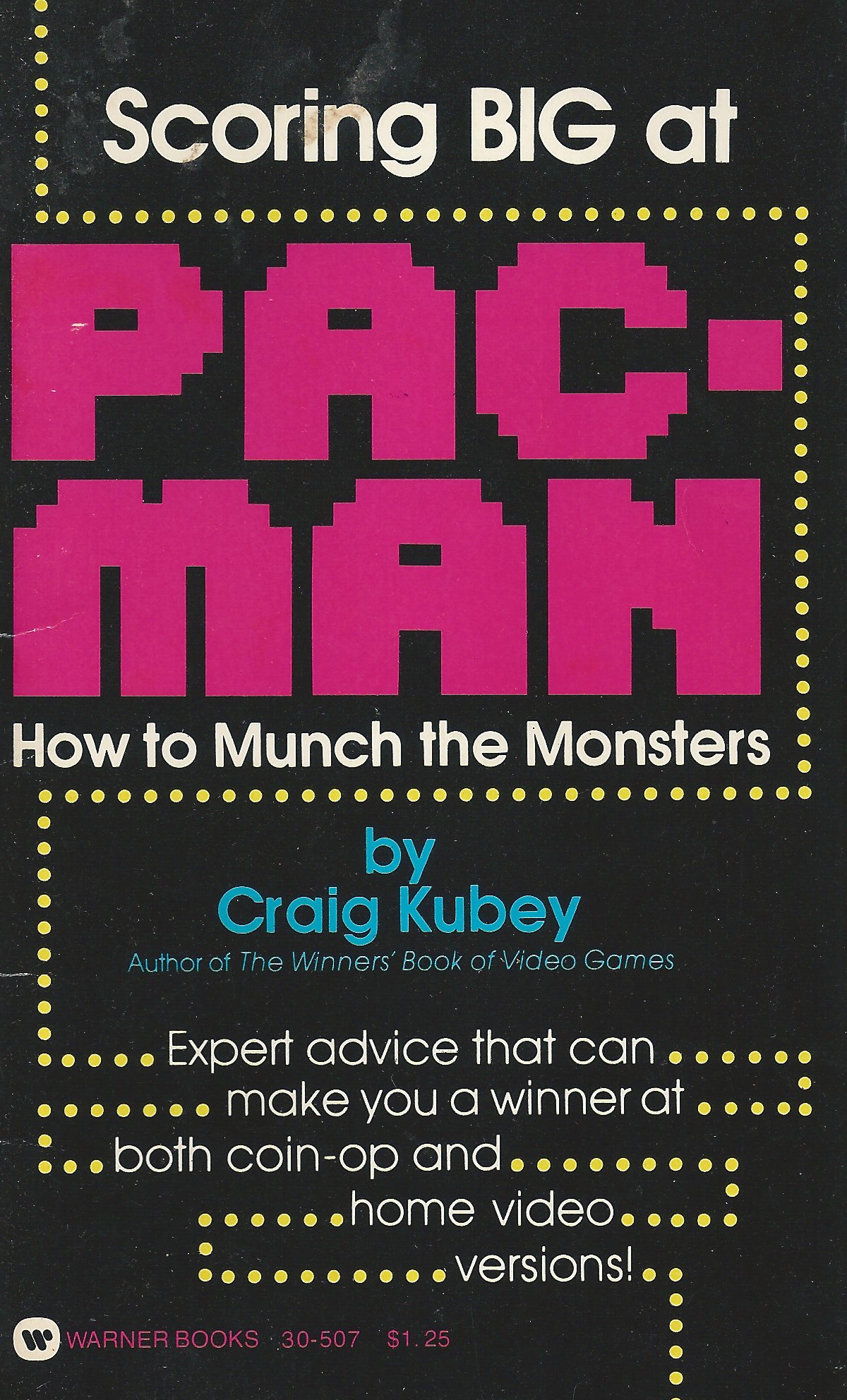
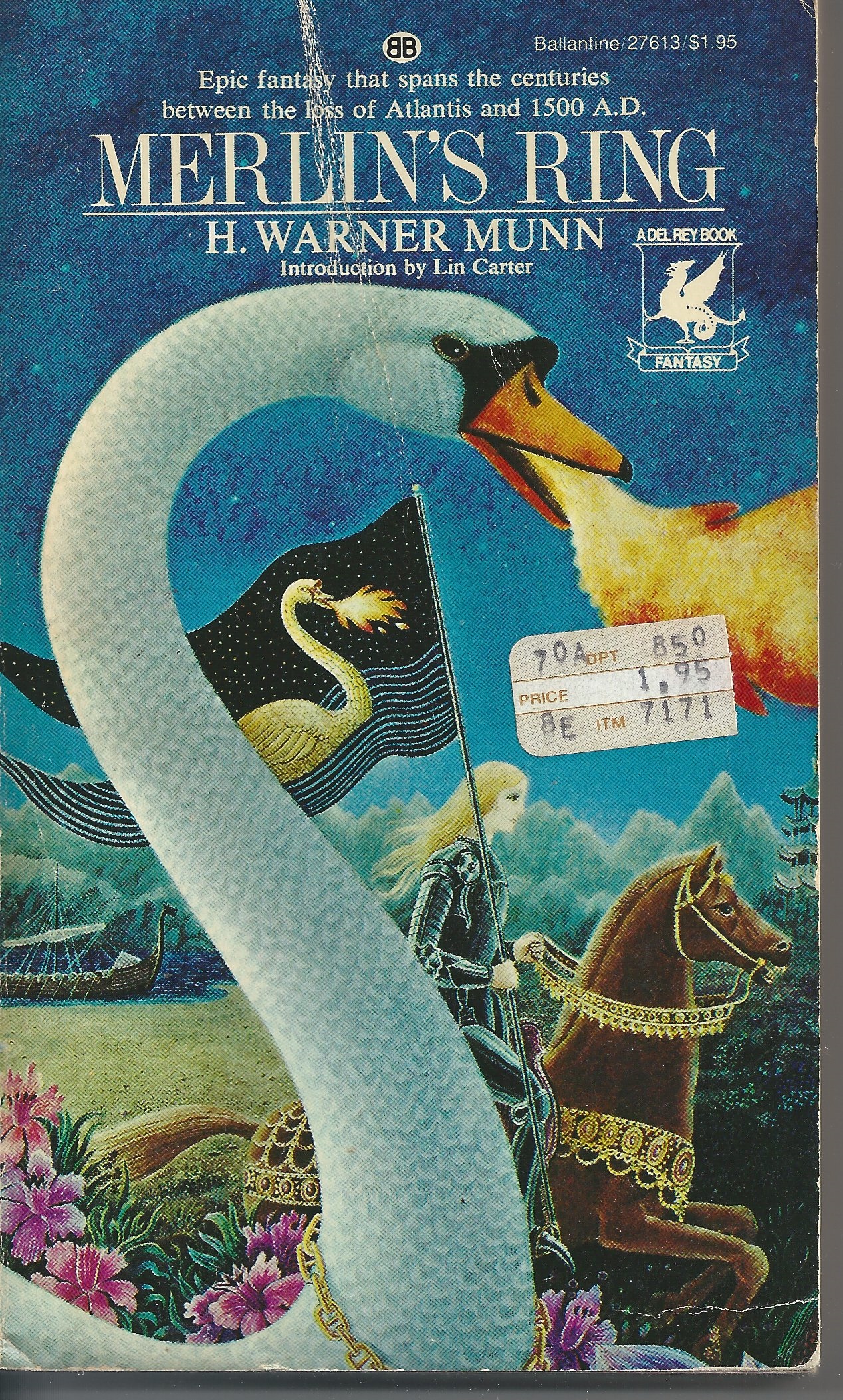

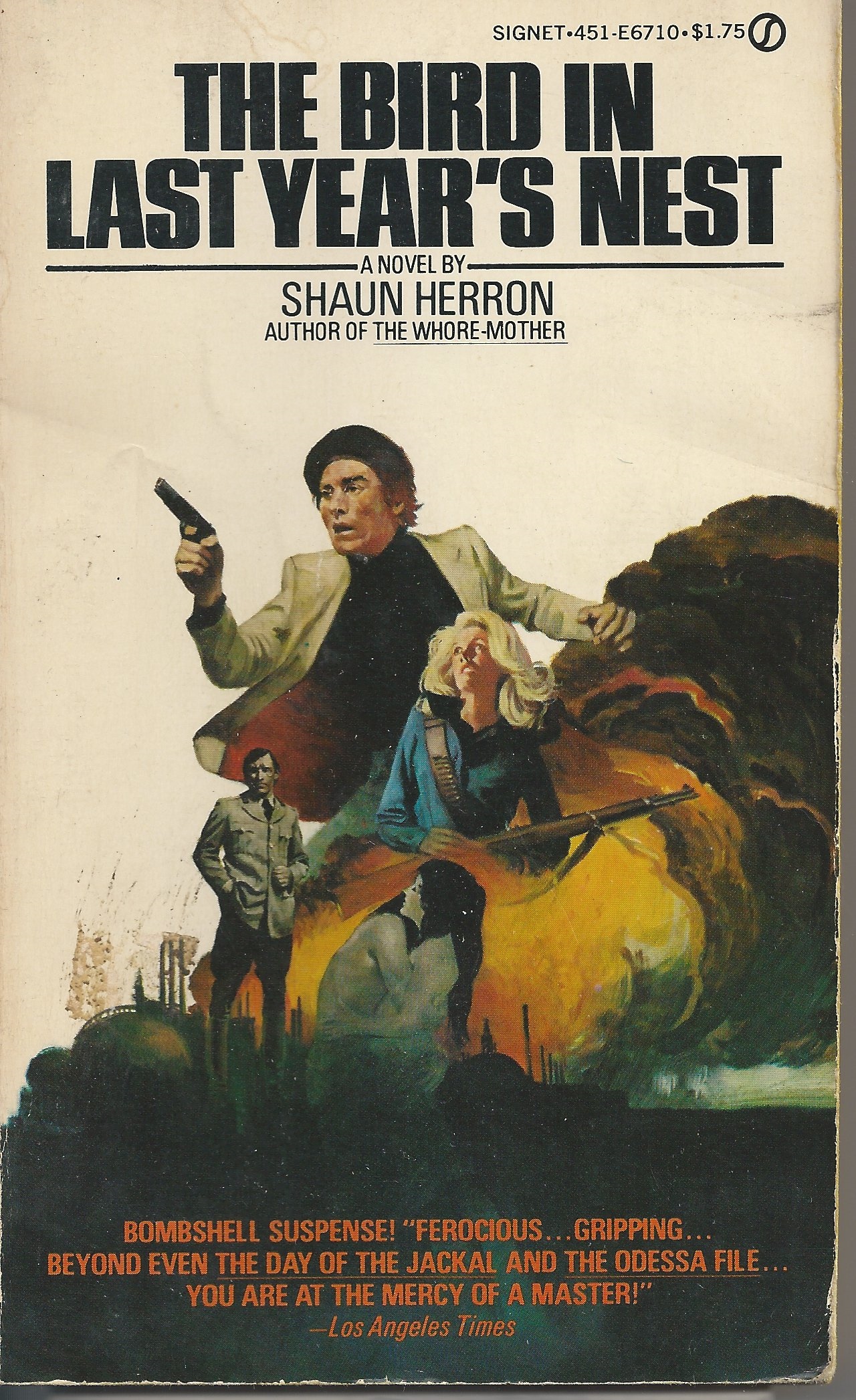



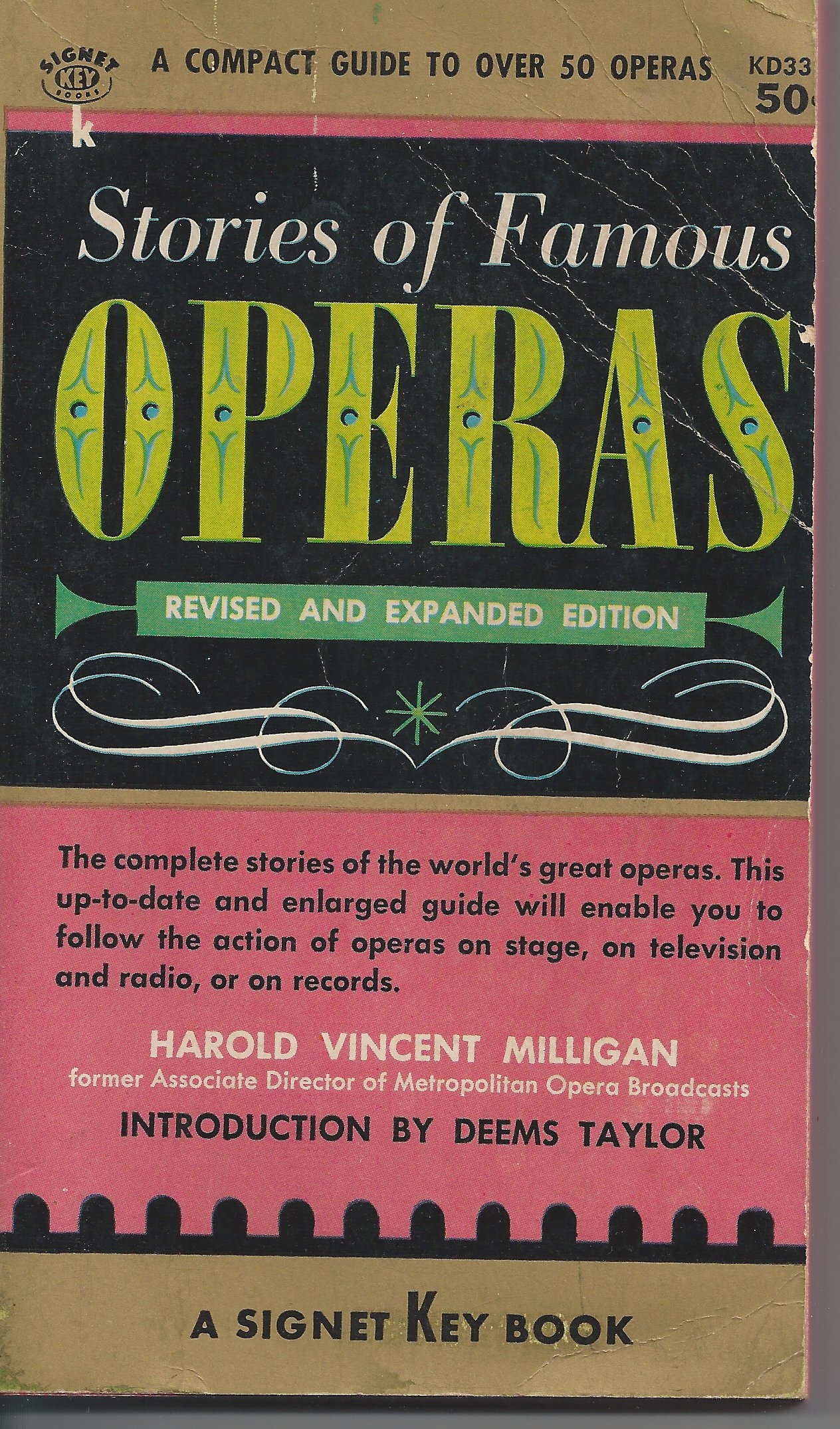
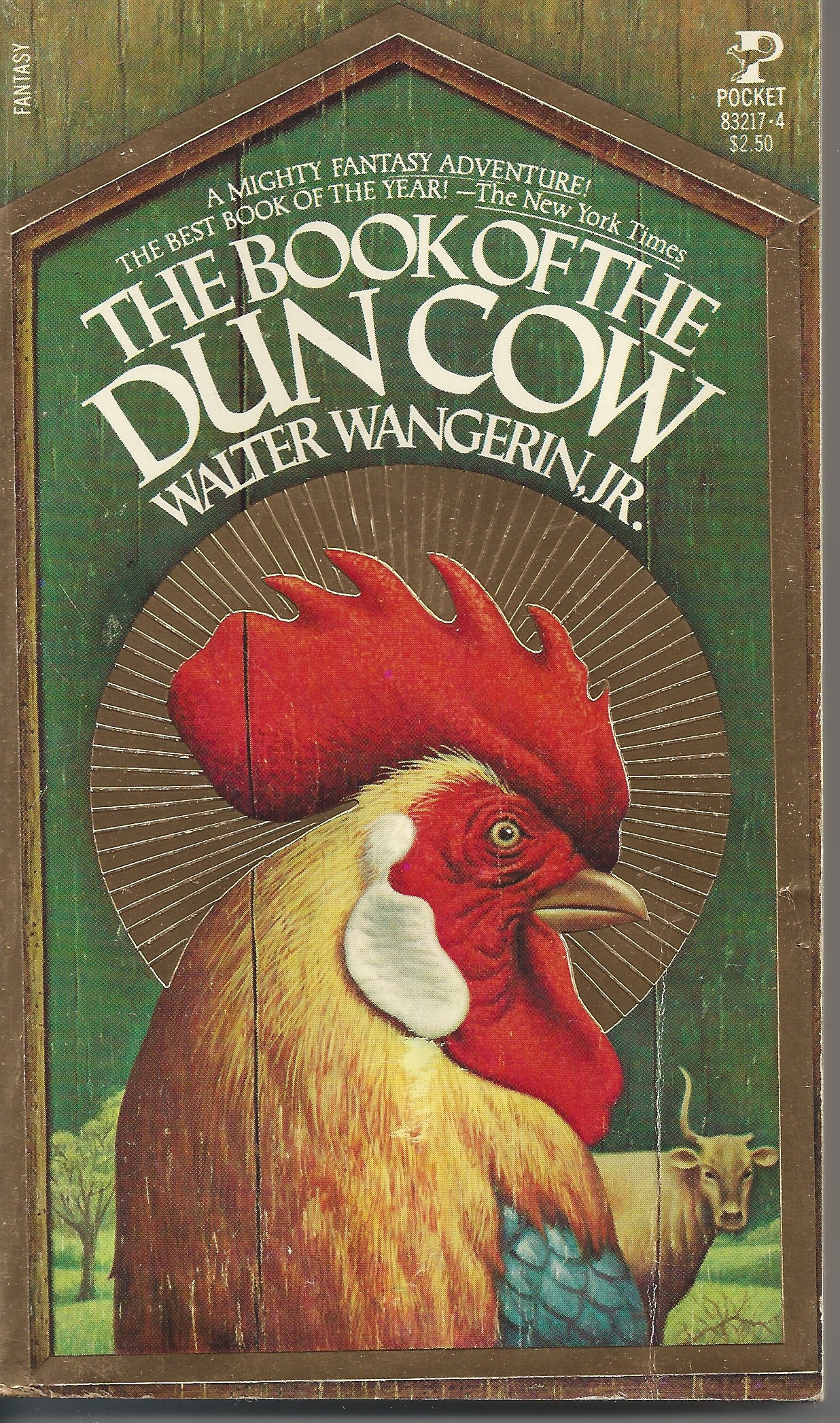
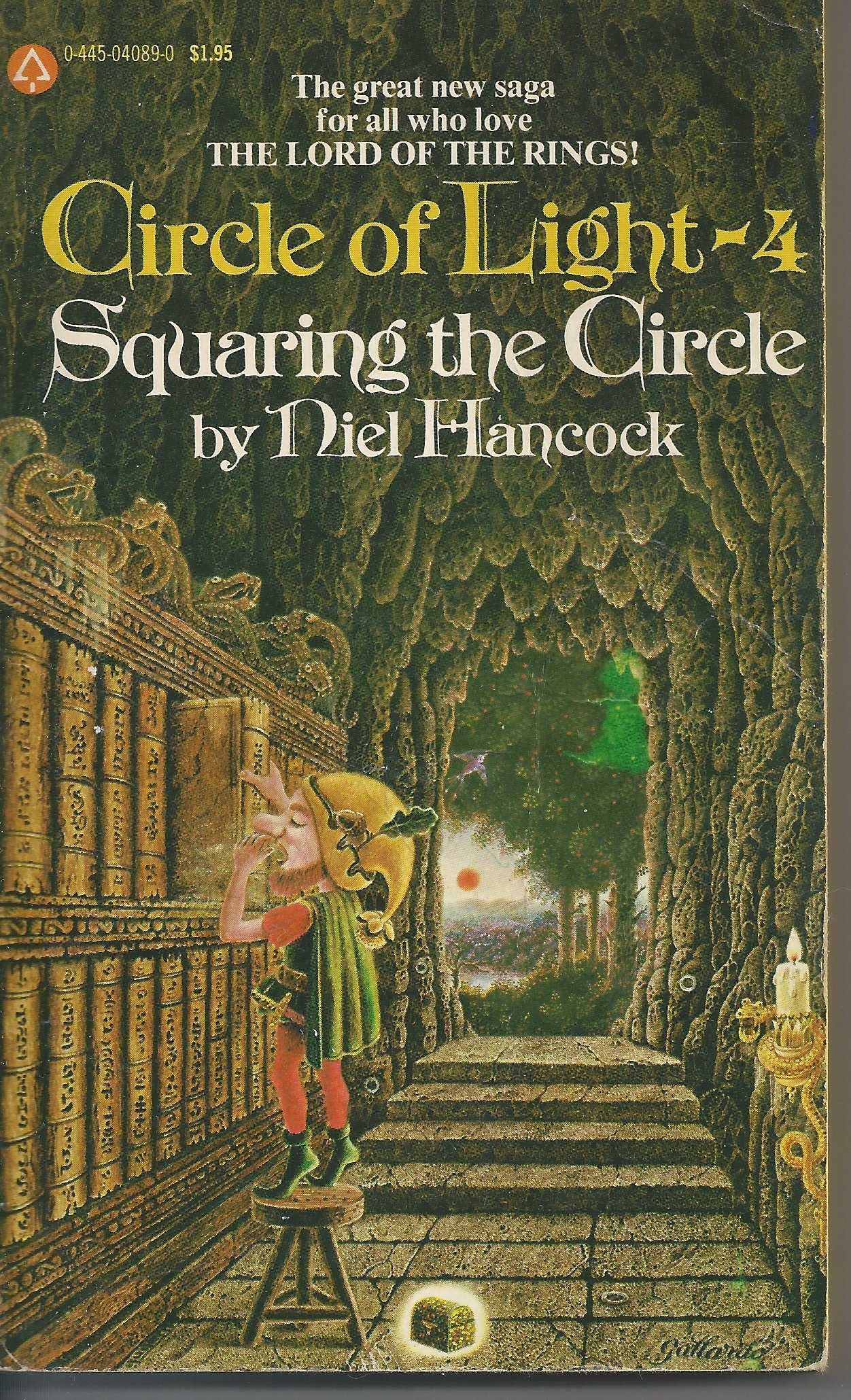
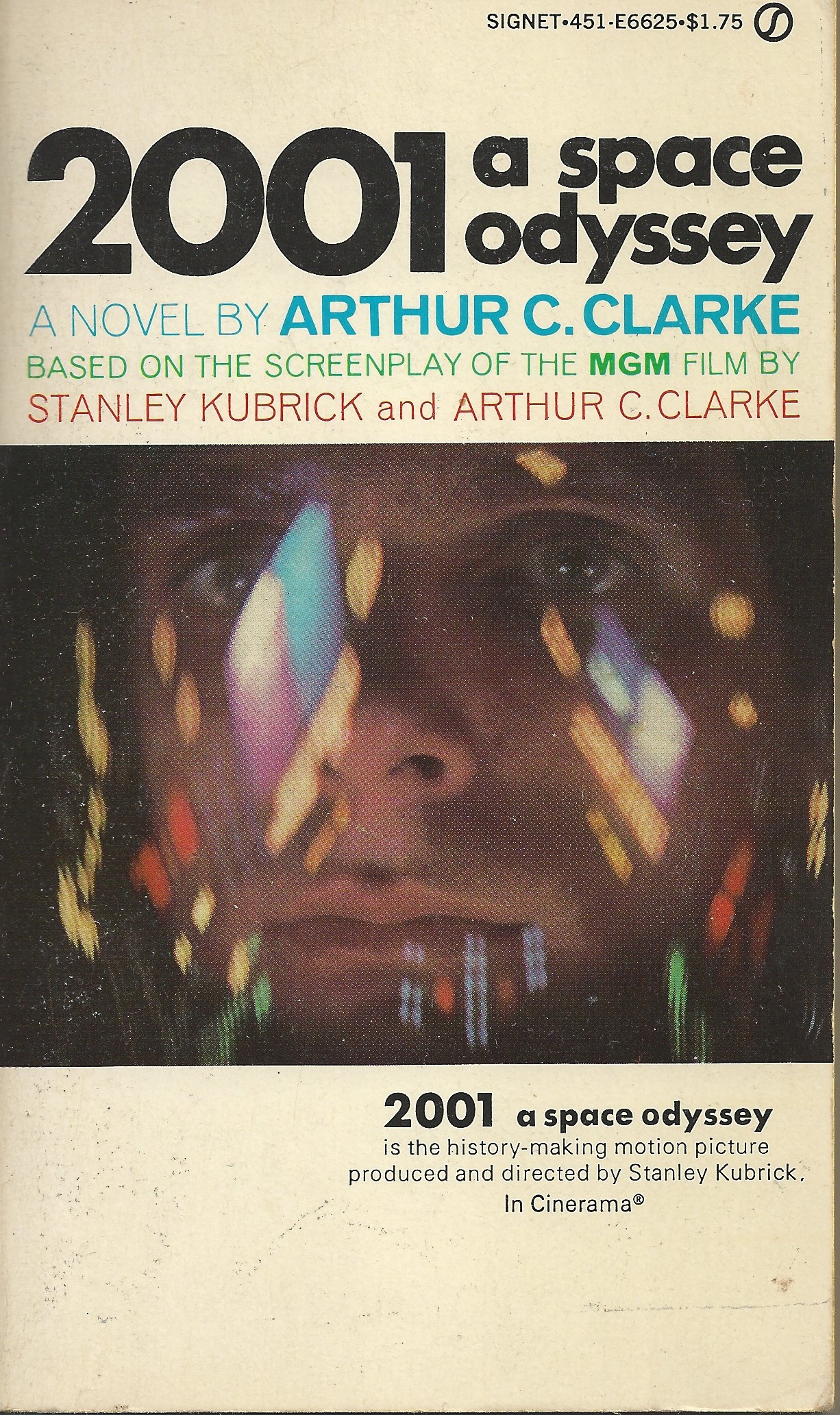
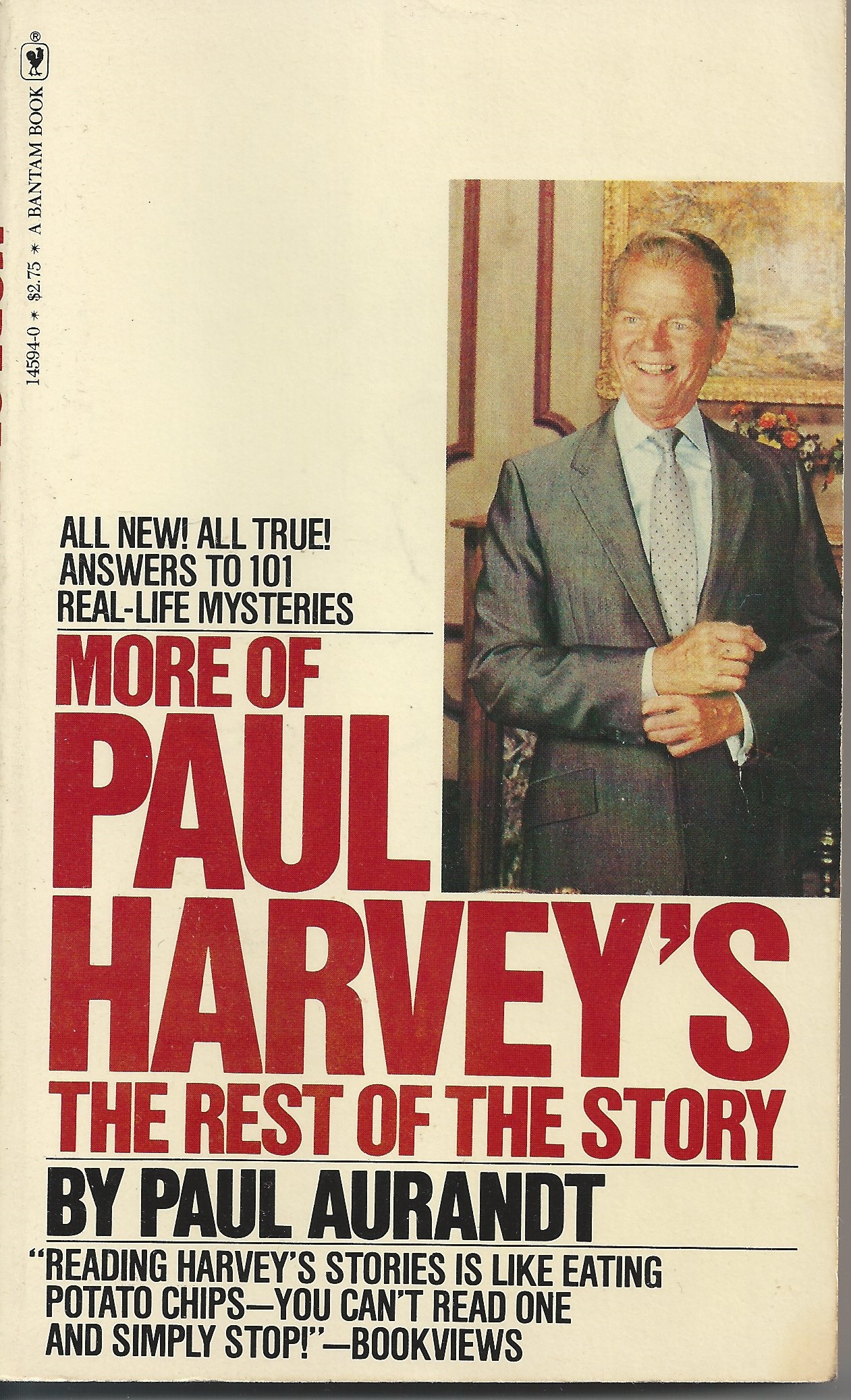


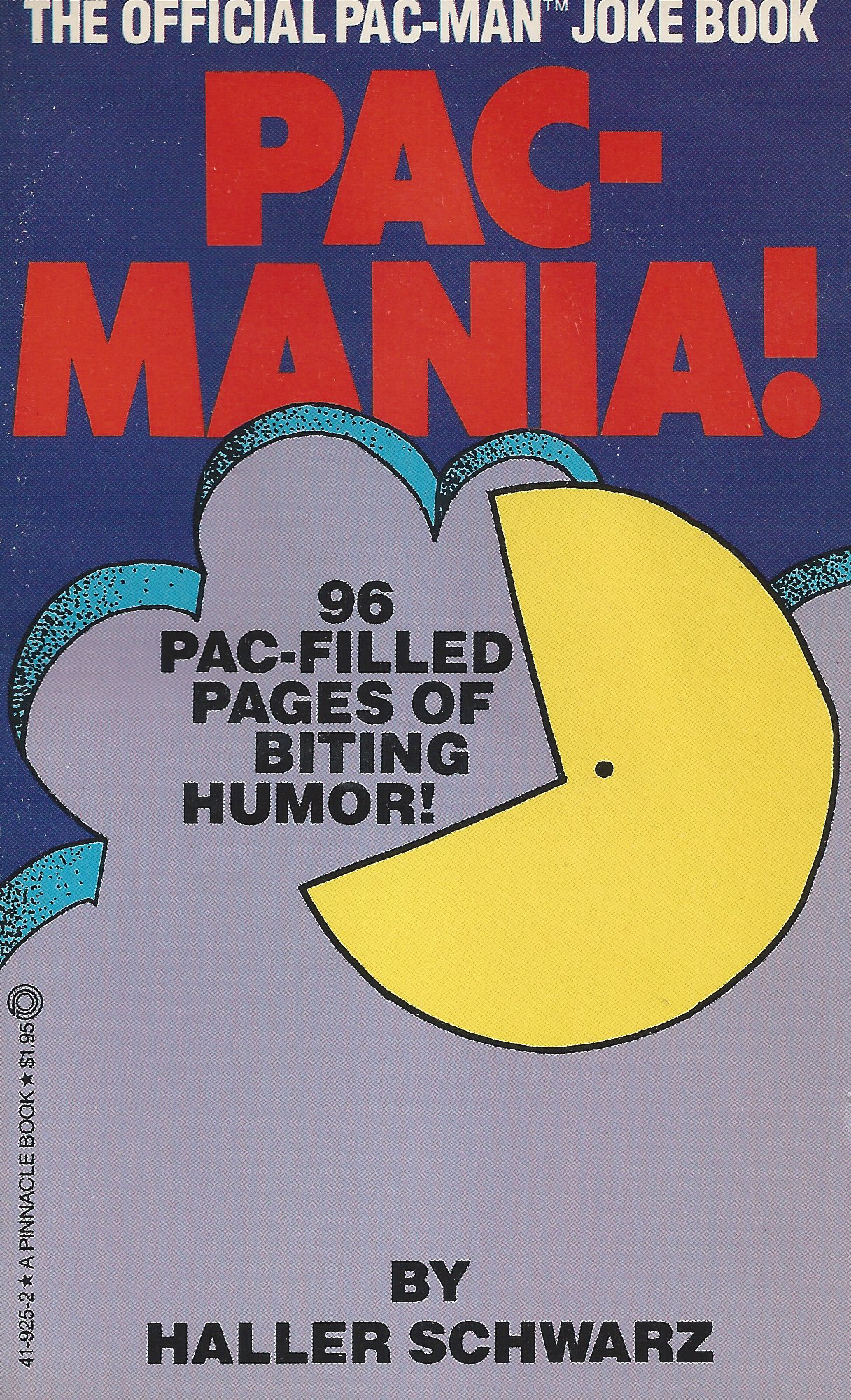





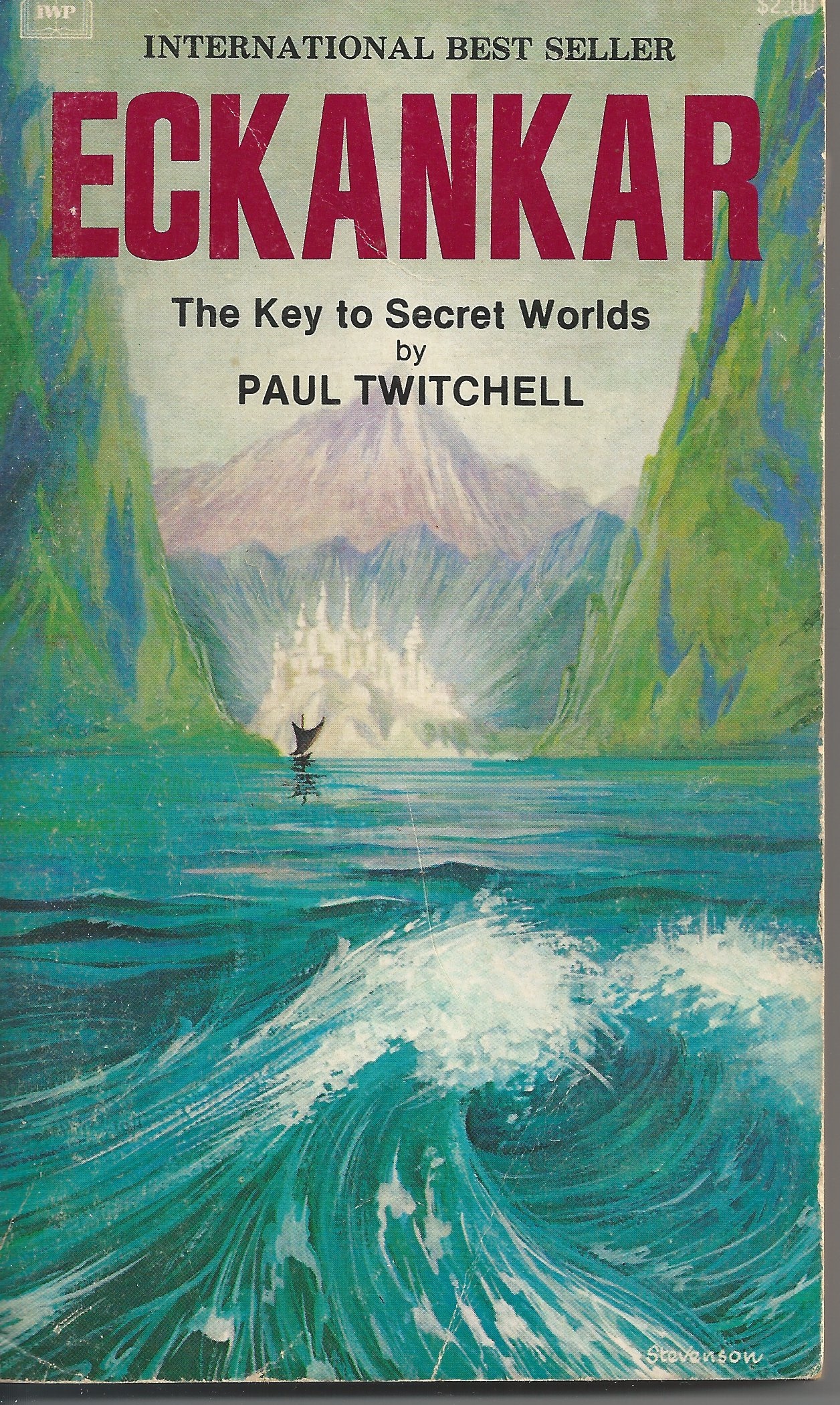


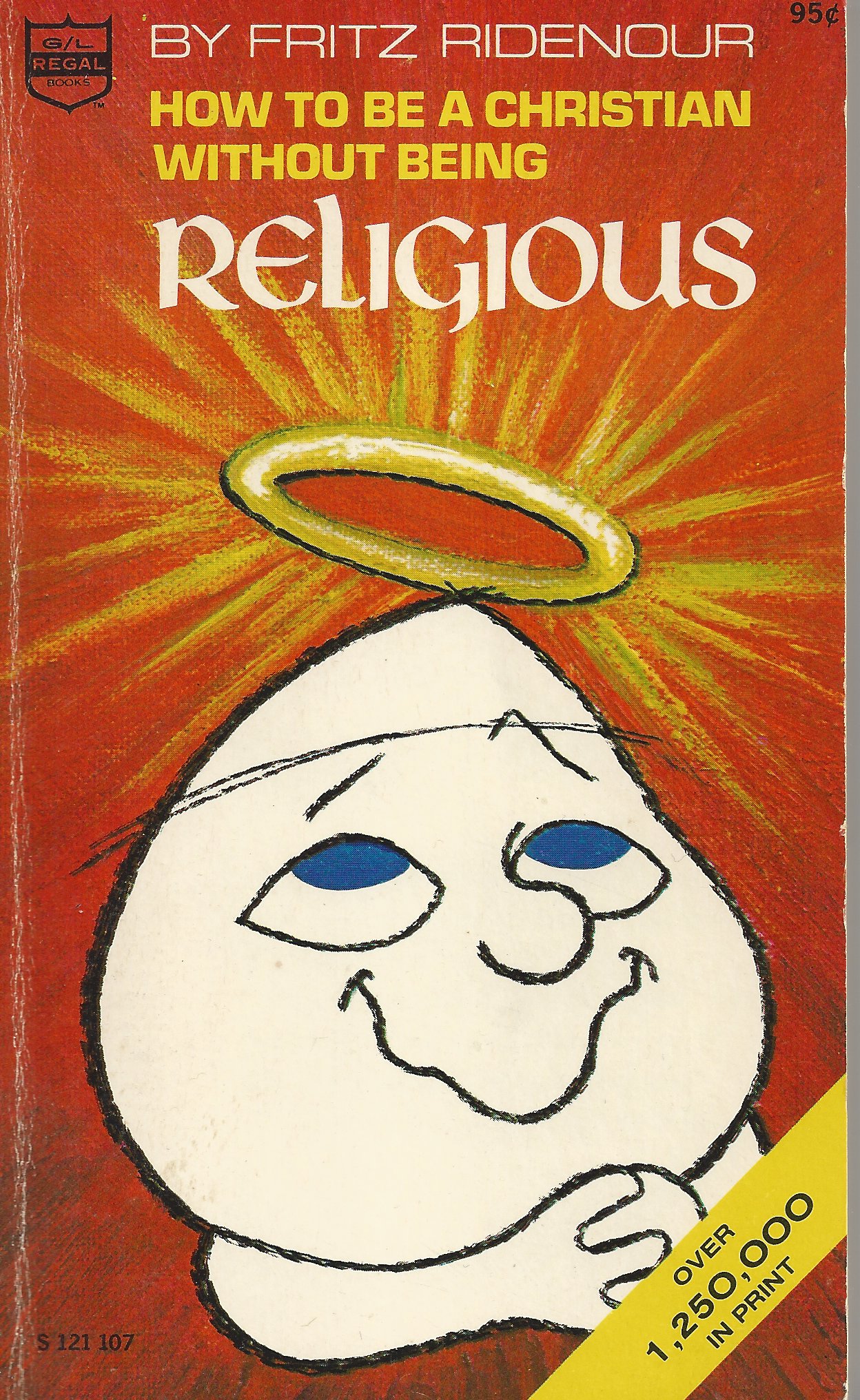


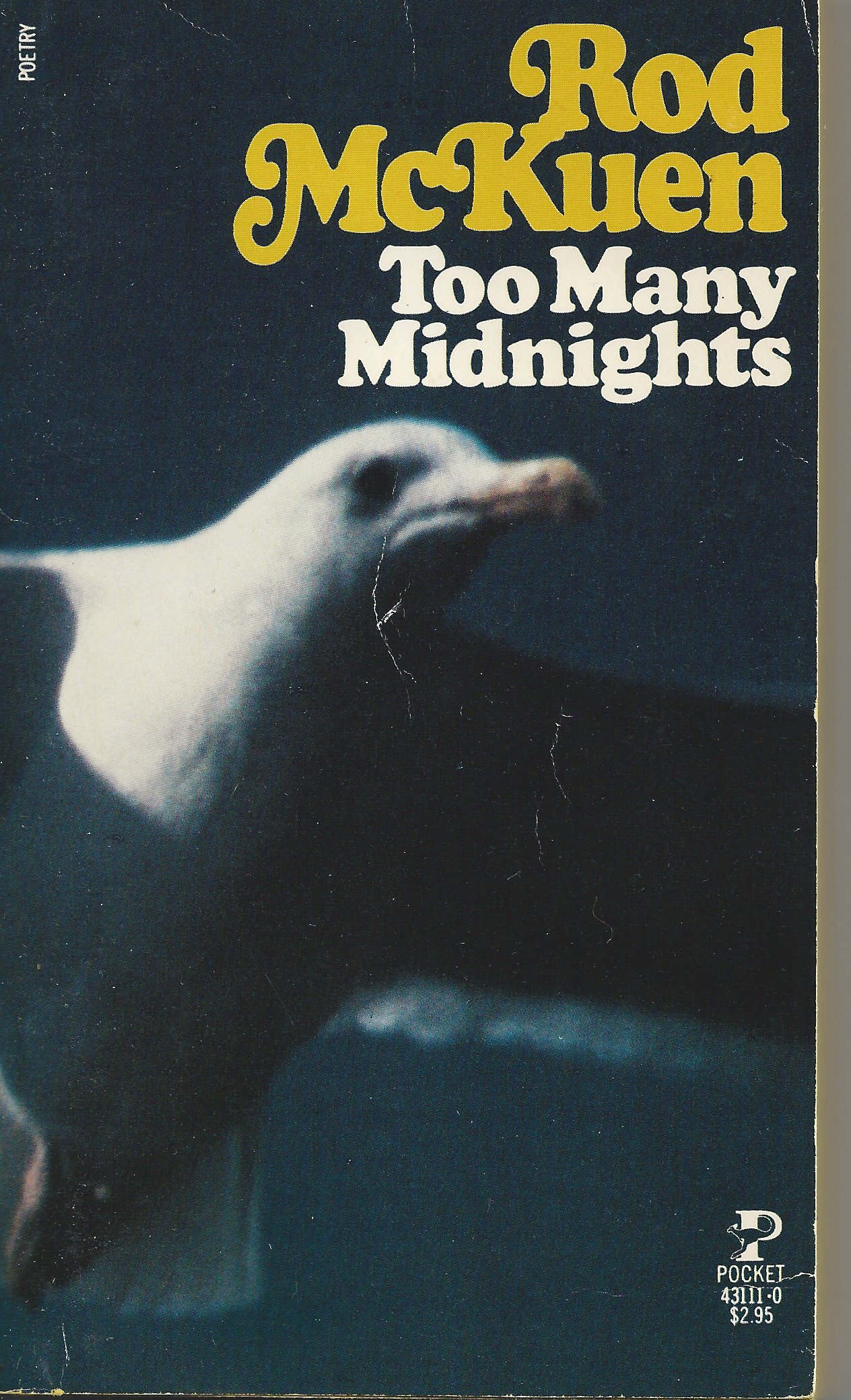

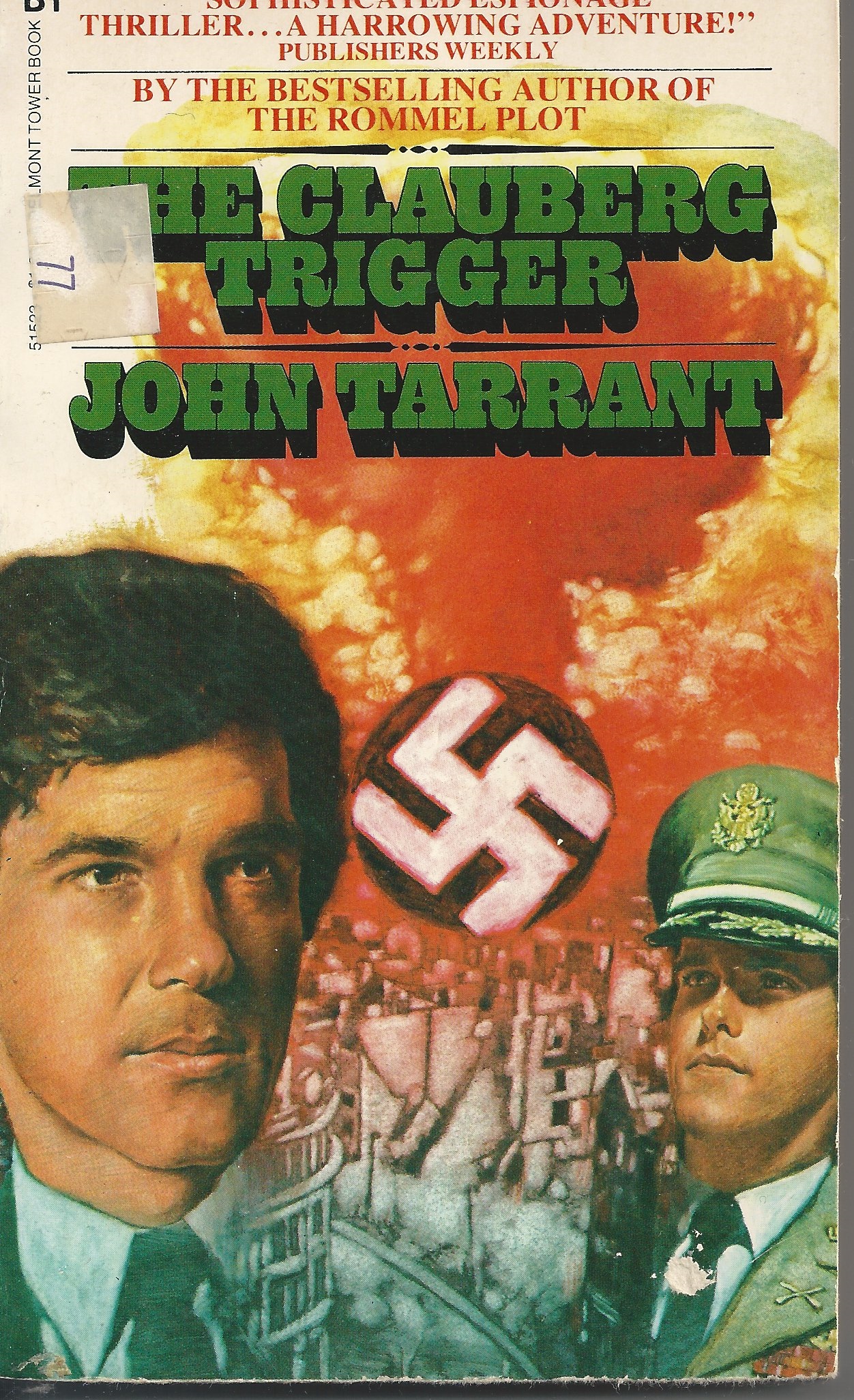


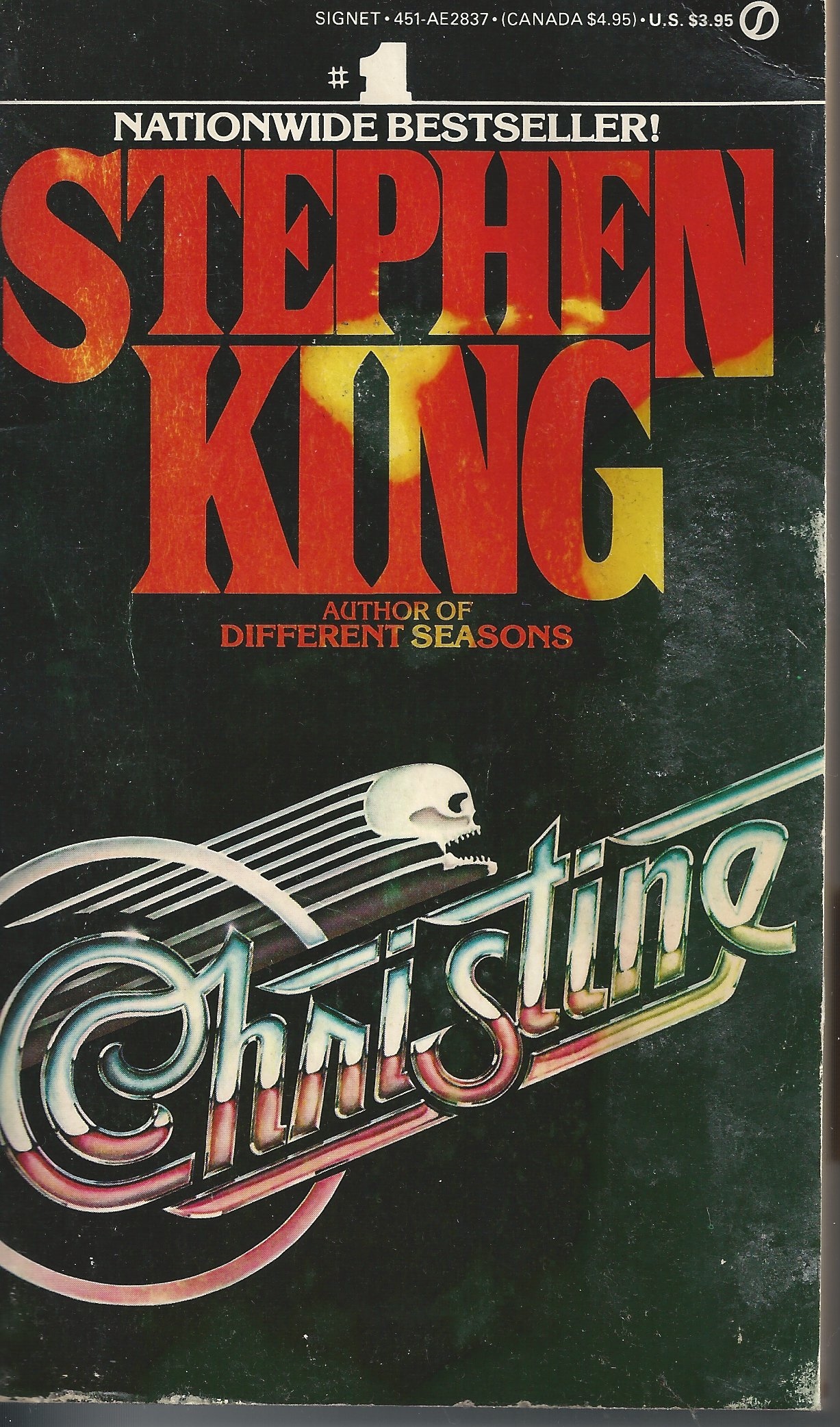
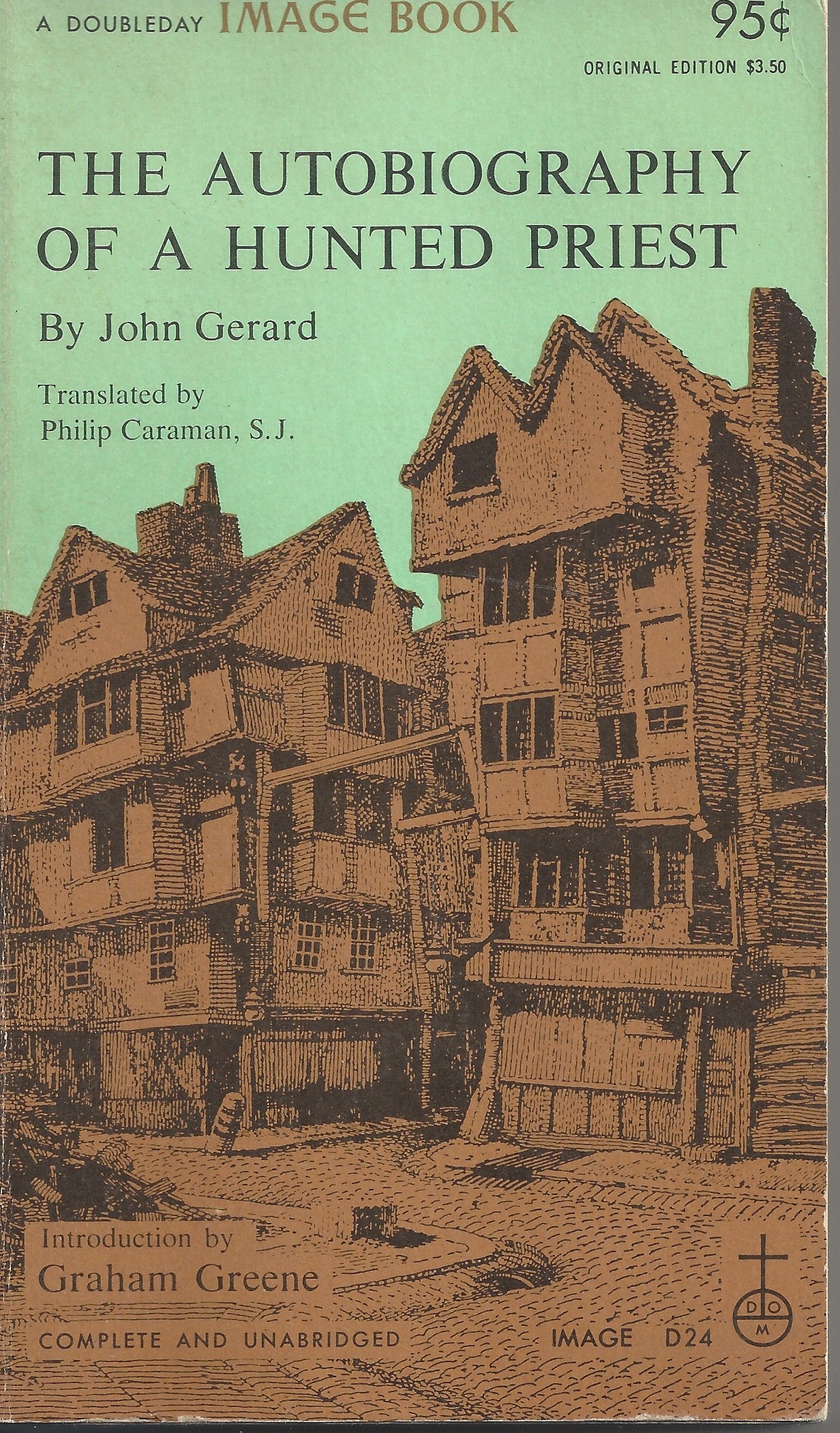
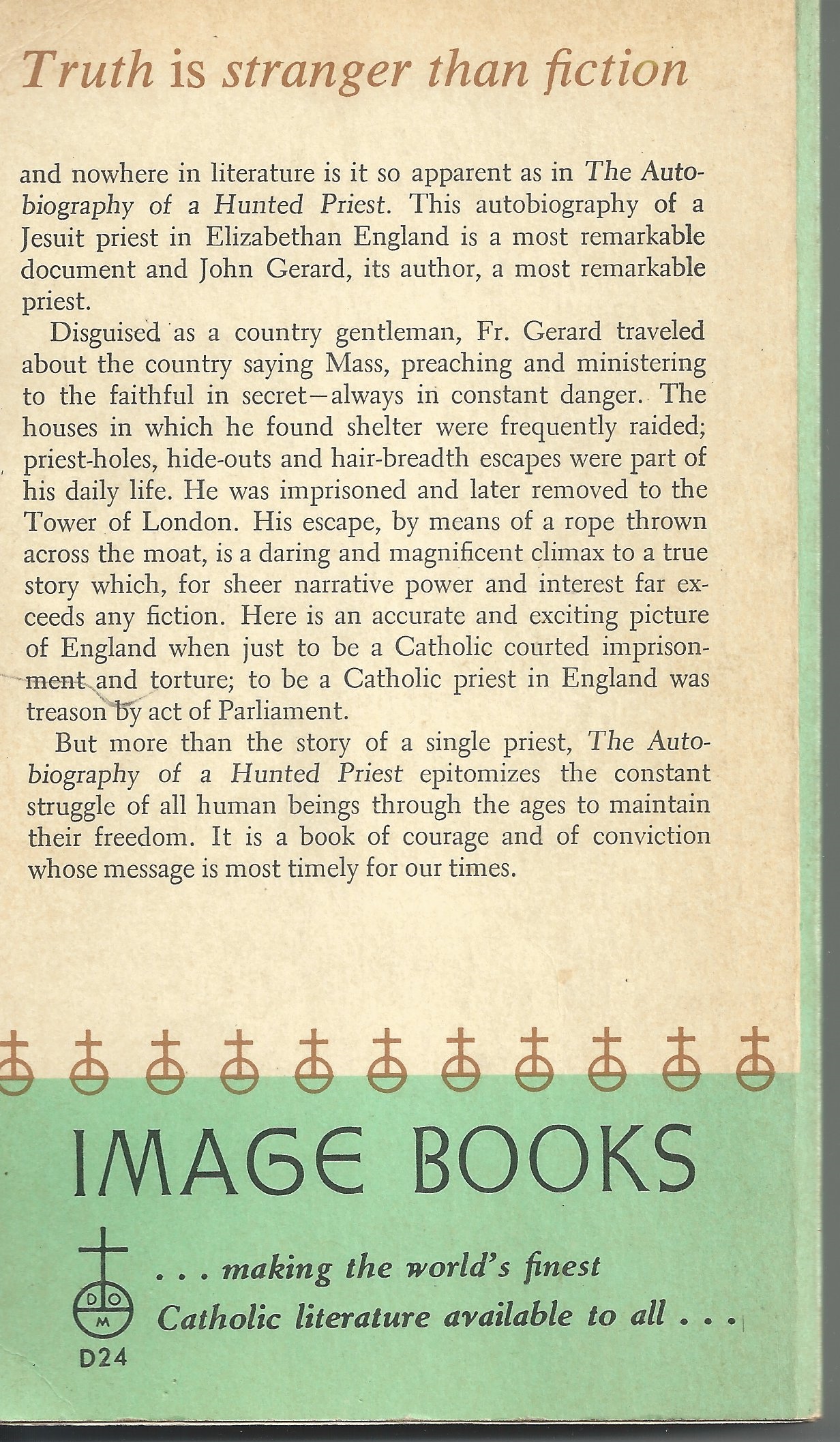
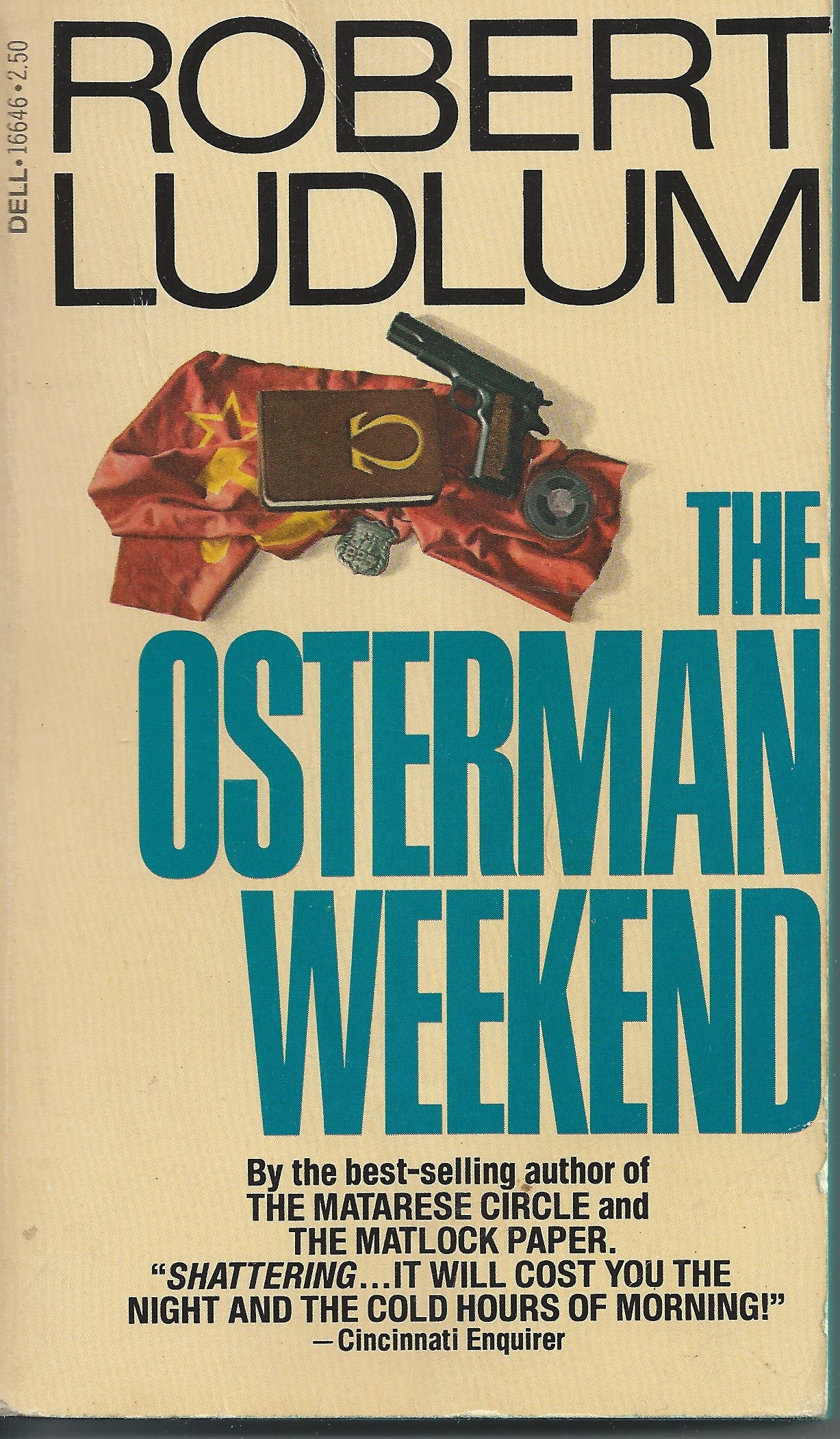
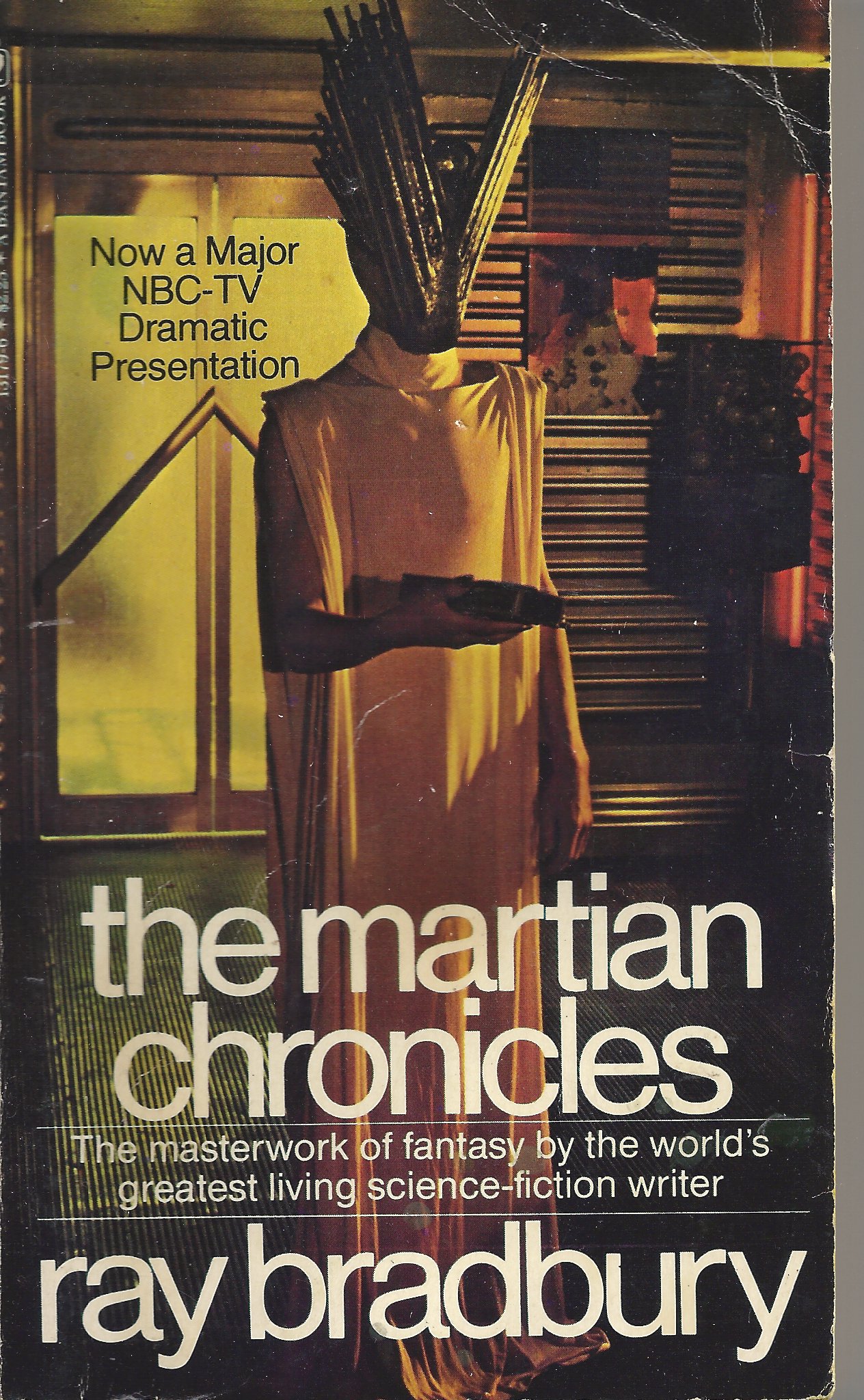

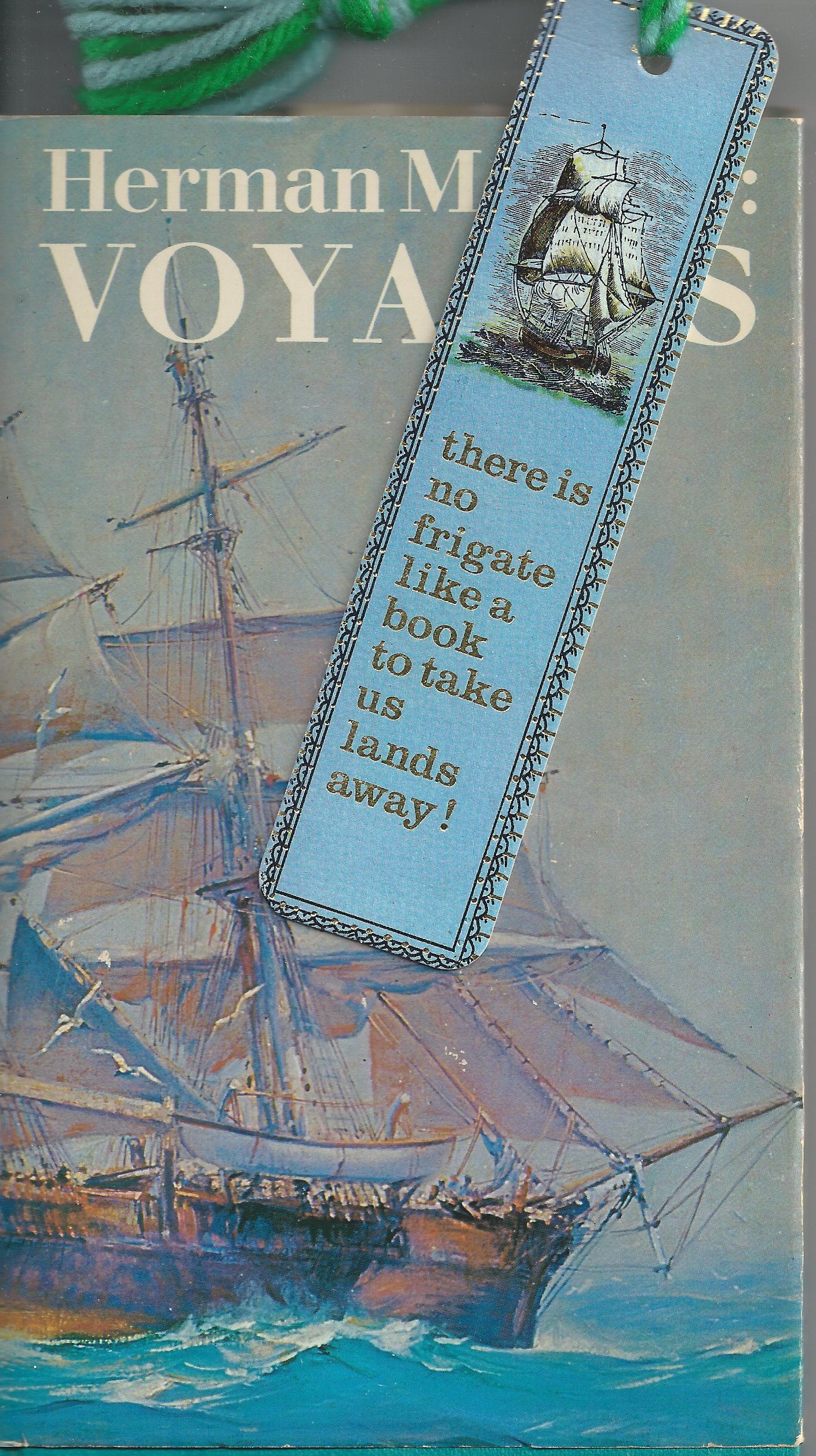








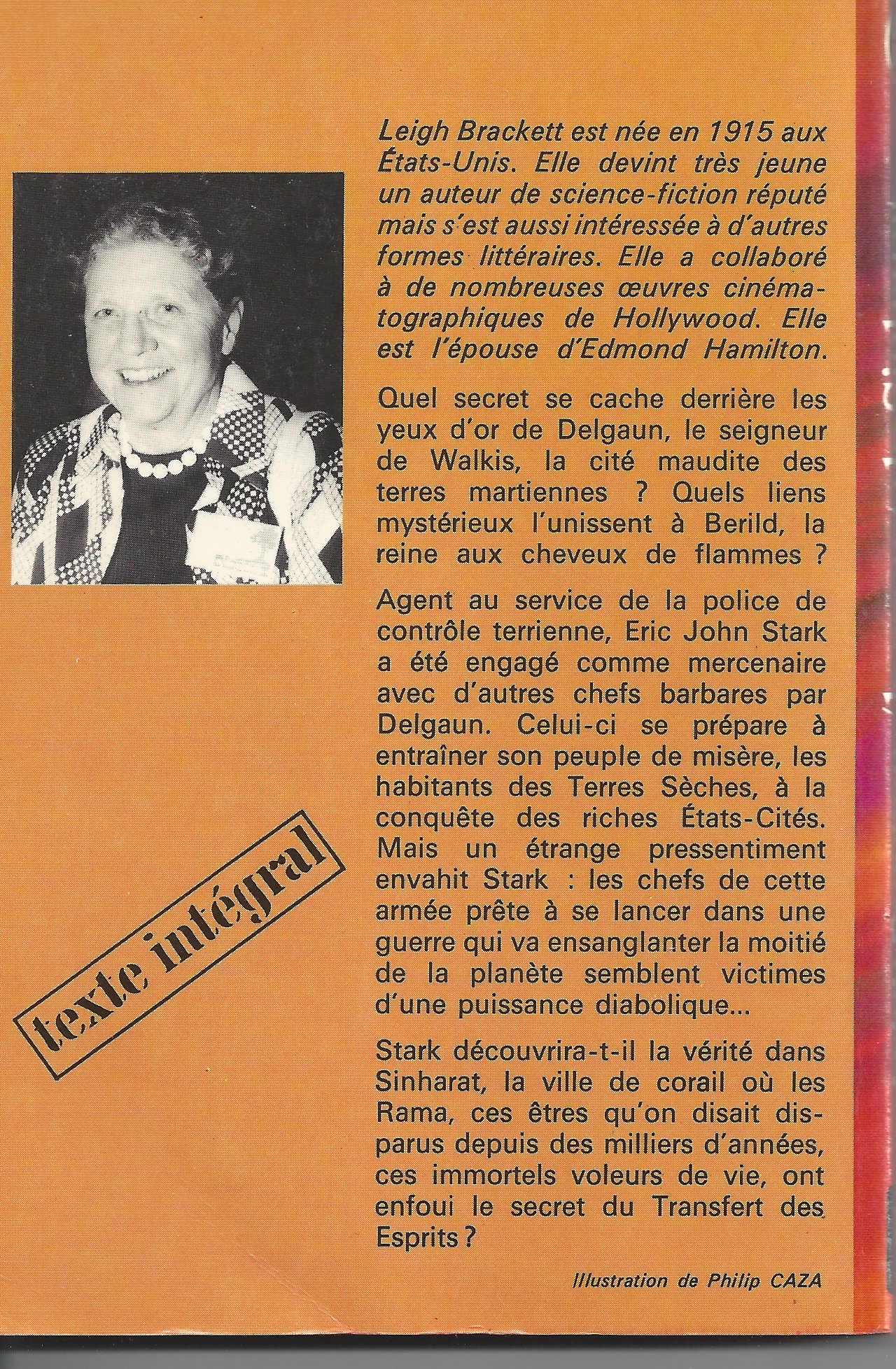

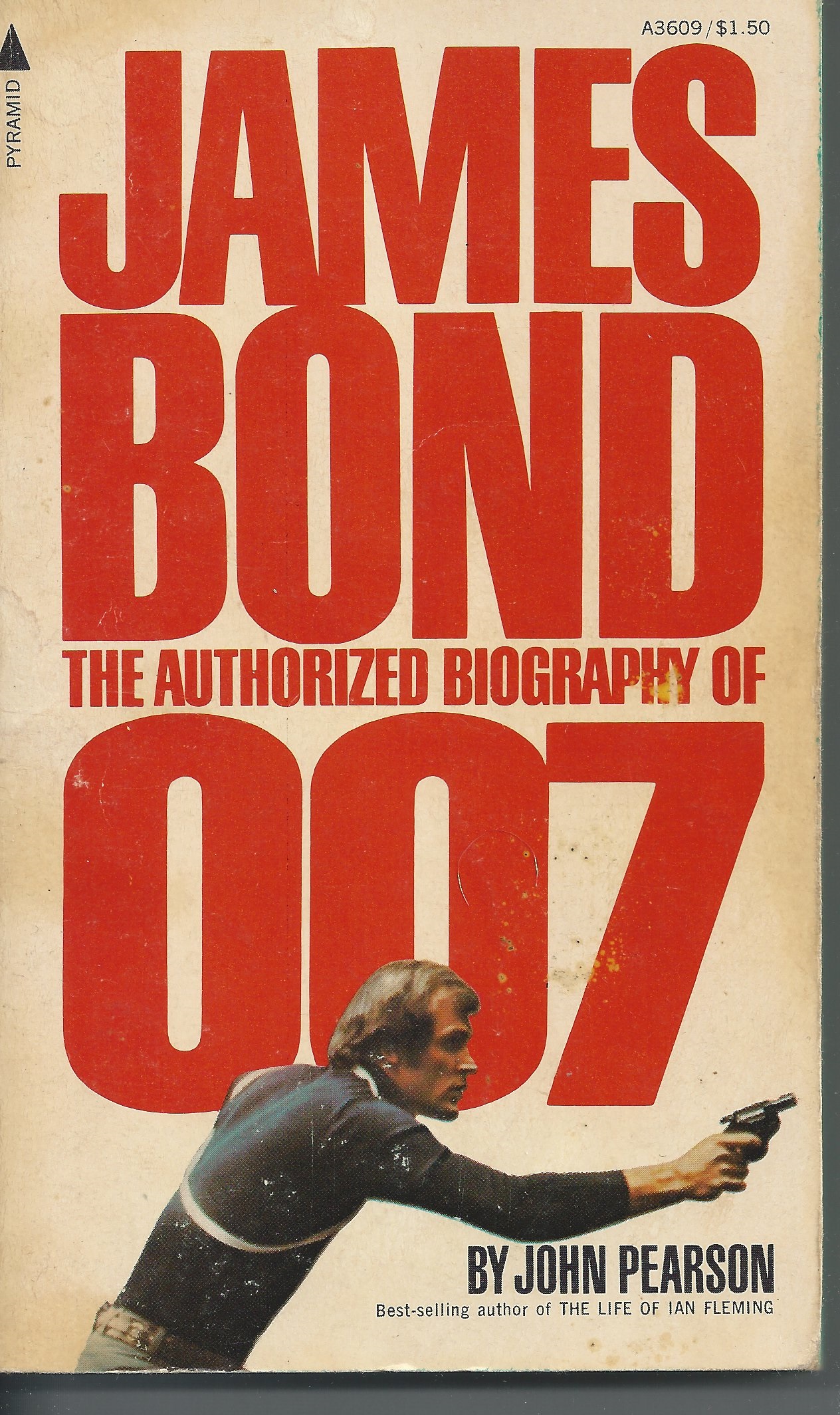


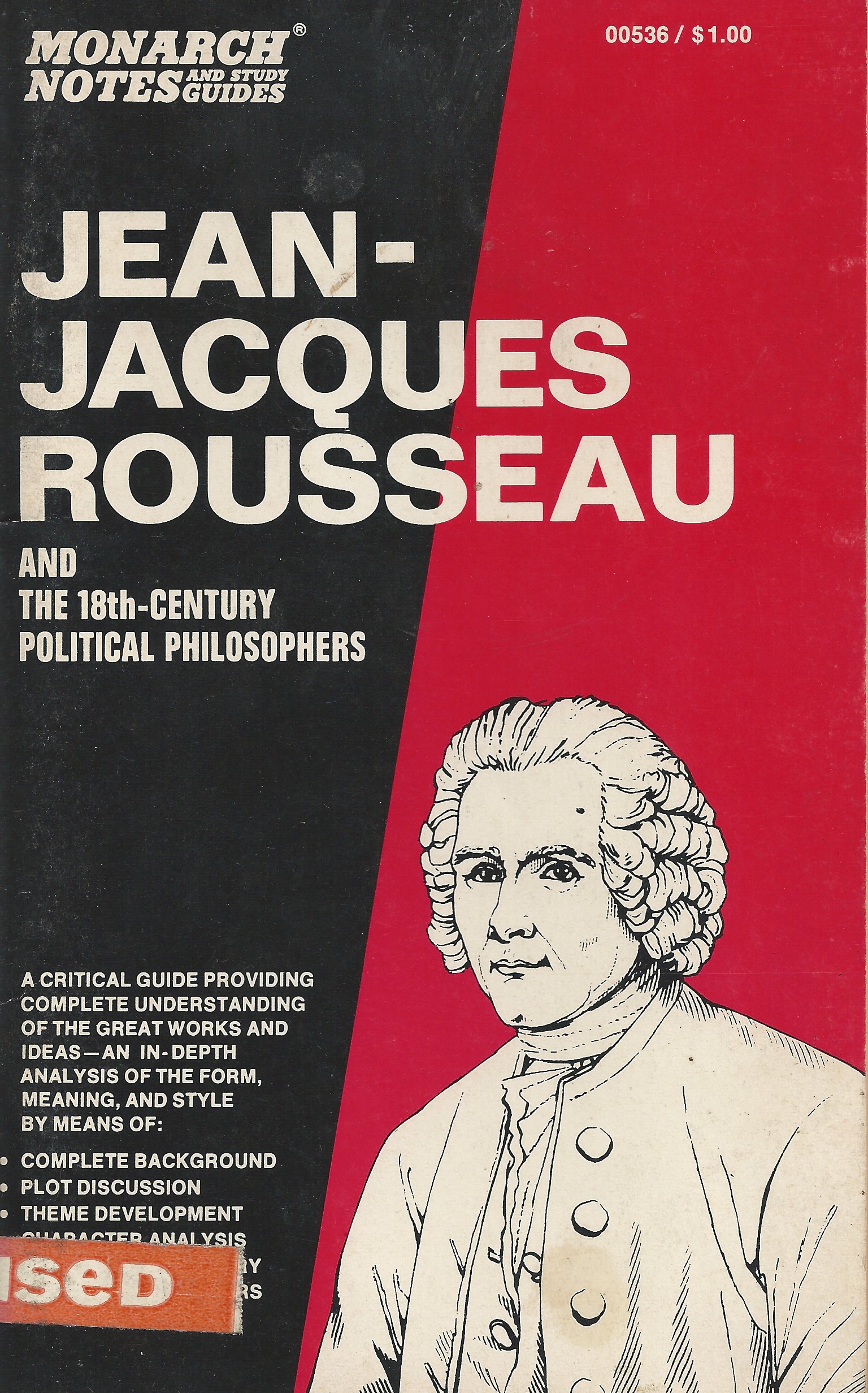
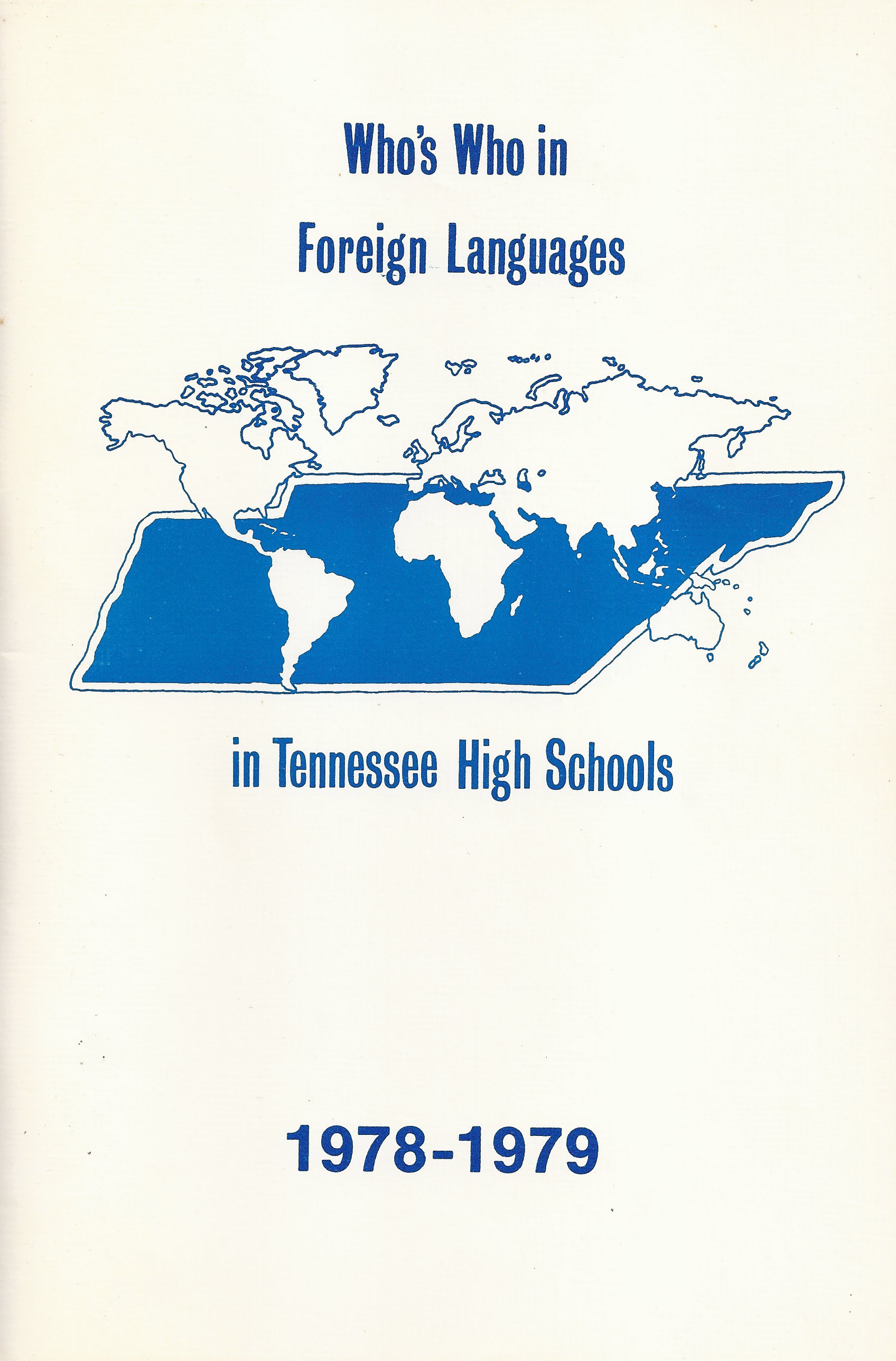














Do you know what your neuronal connections look like?
I think I know mine:
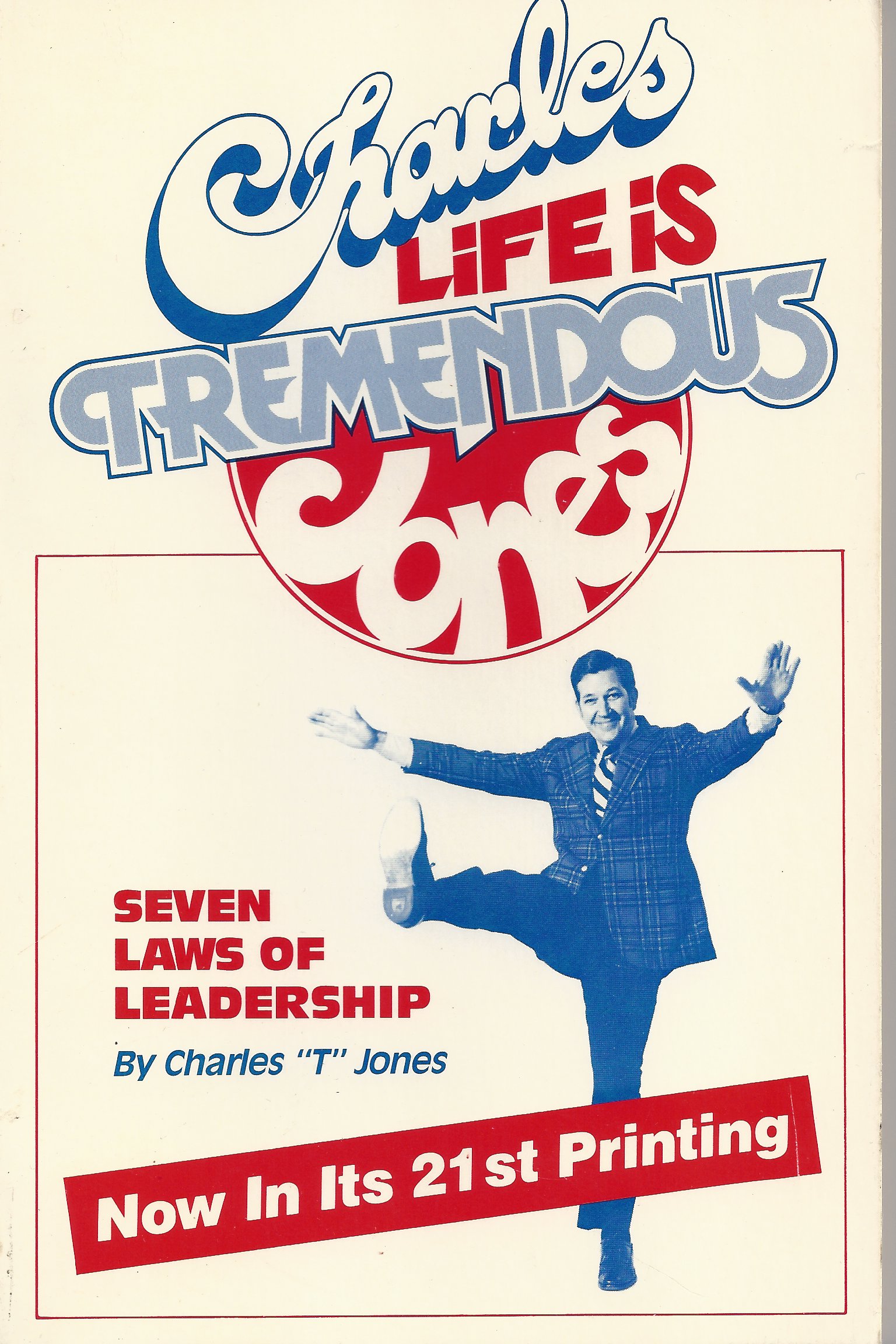
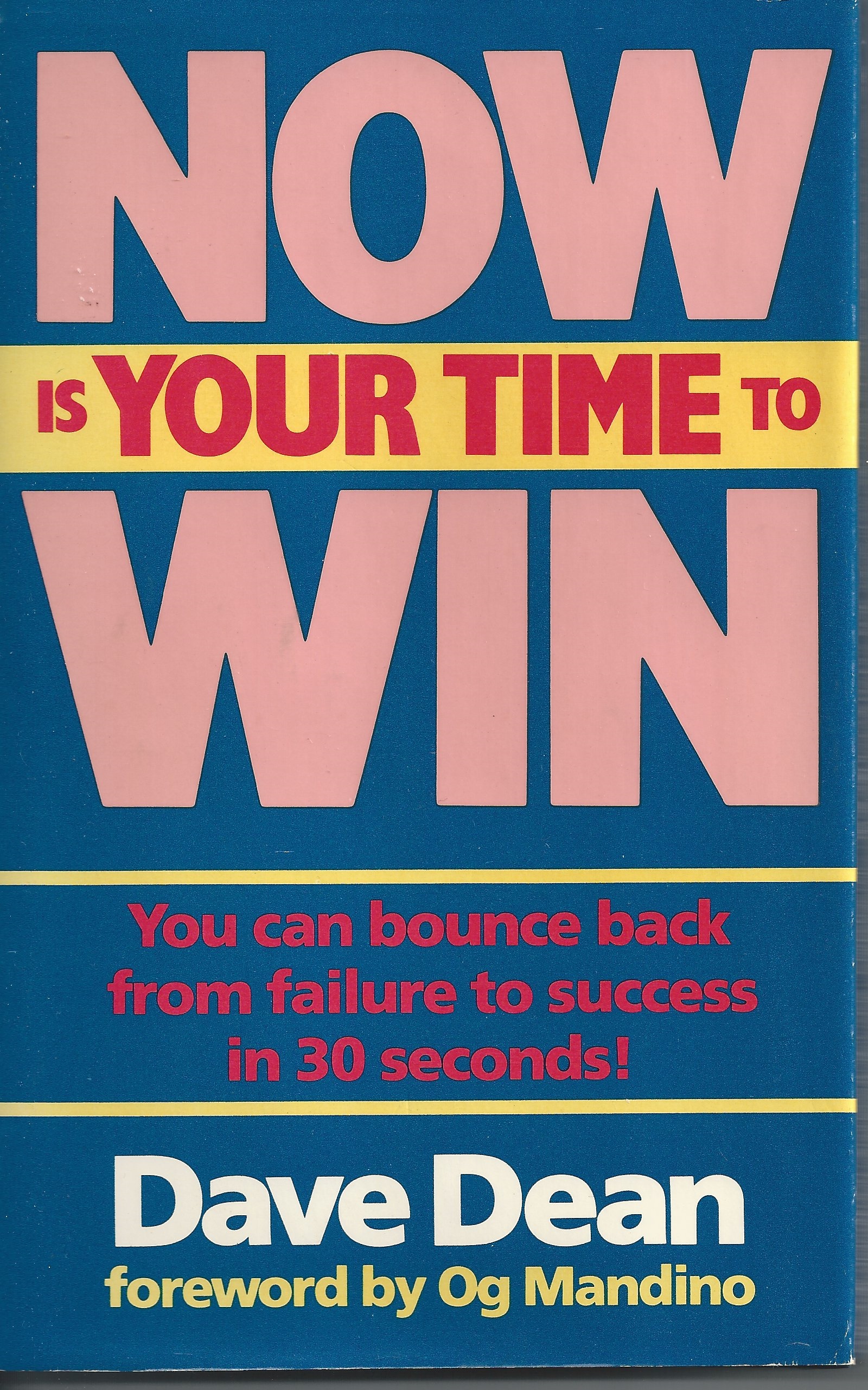
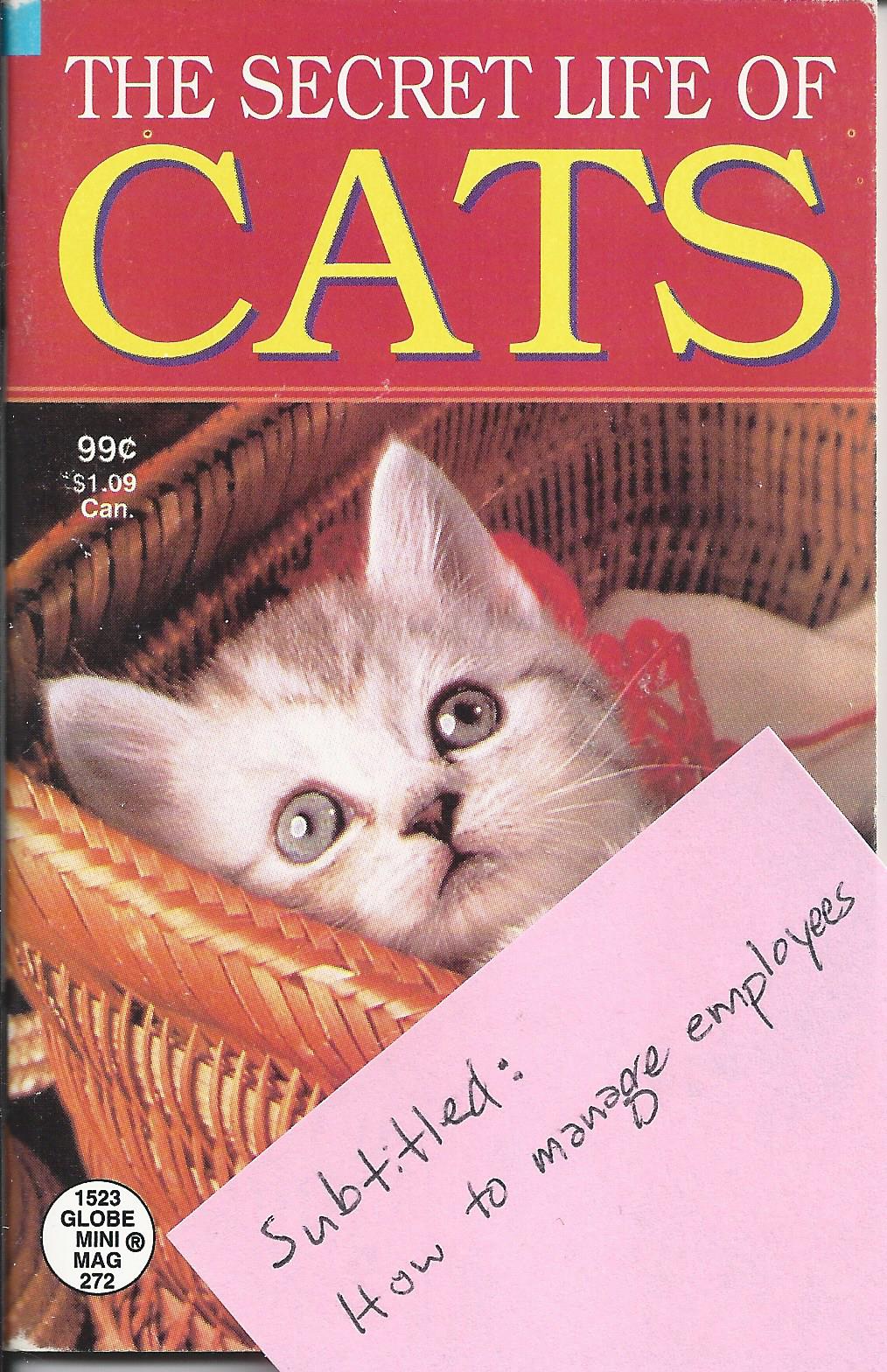
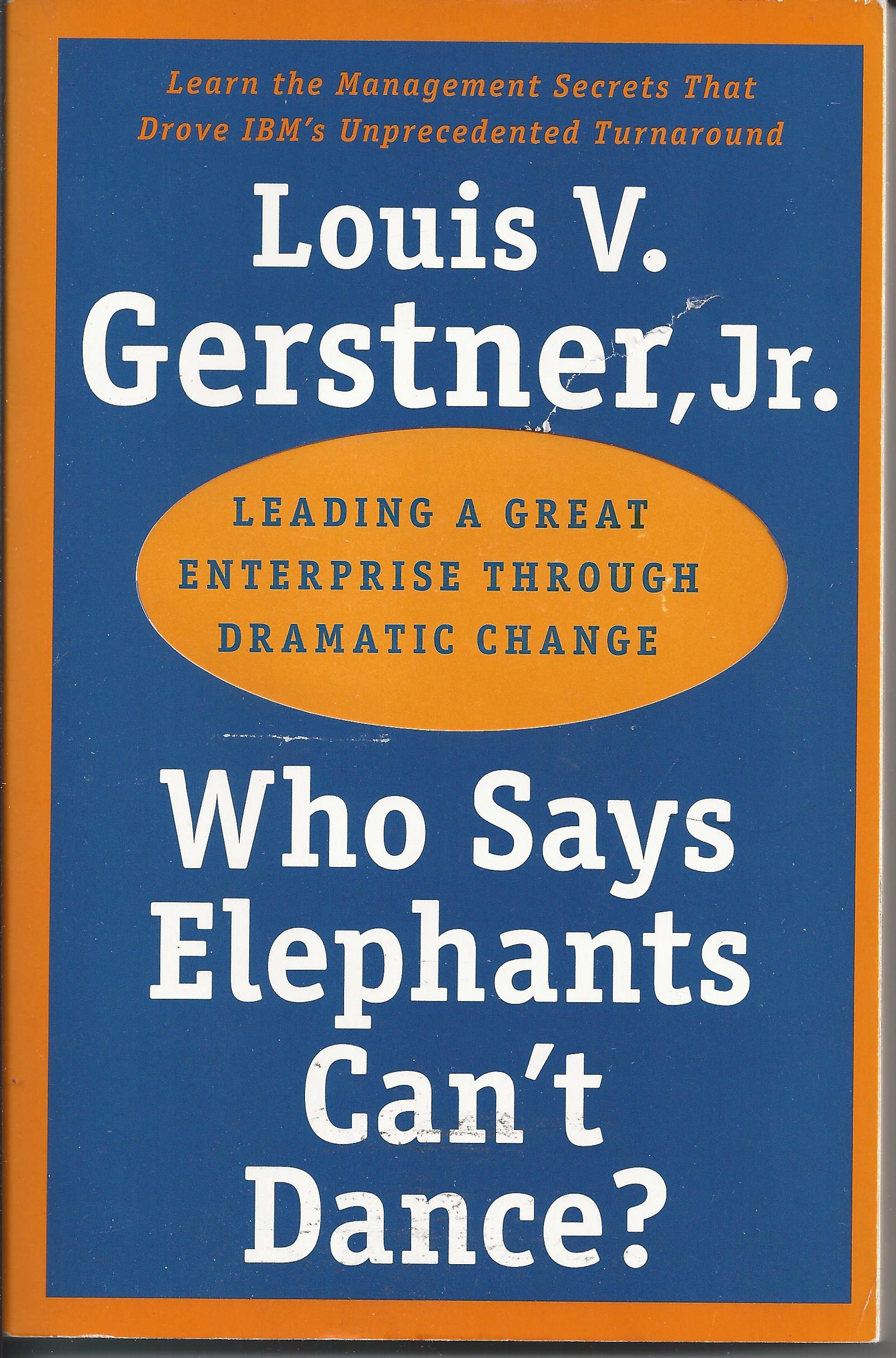
Ever wondered how to survive on the road from new employee on the bottom of the totem pole to top dog leading the sled?
Well, these book titles may point you in the right direction:


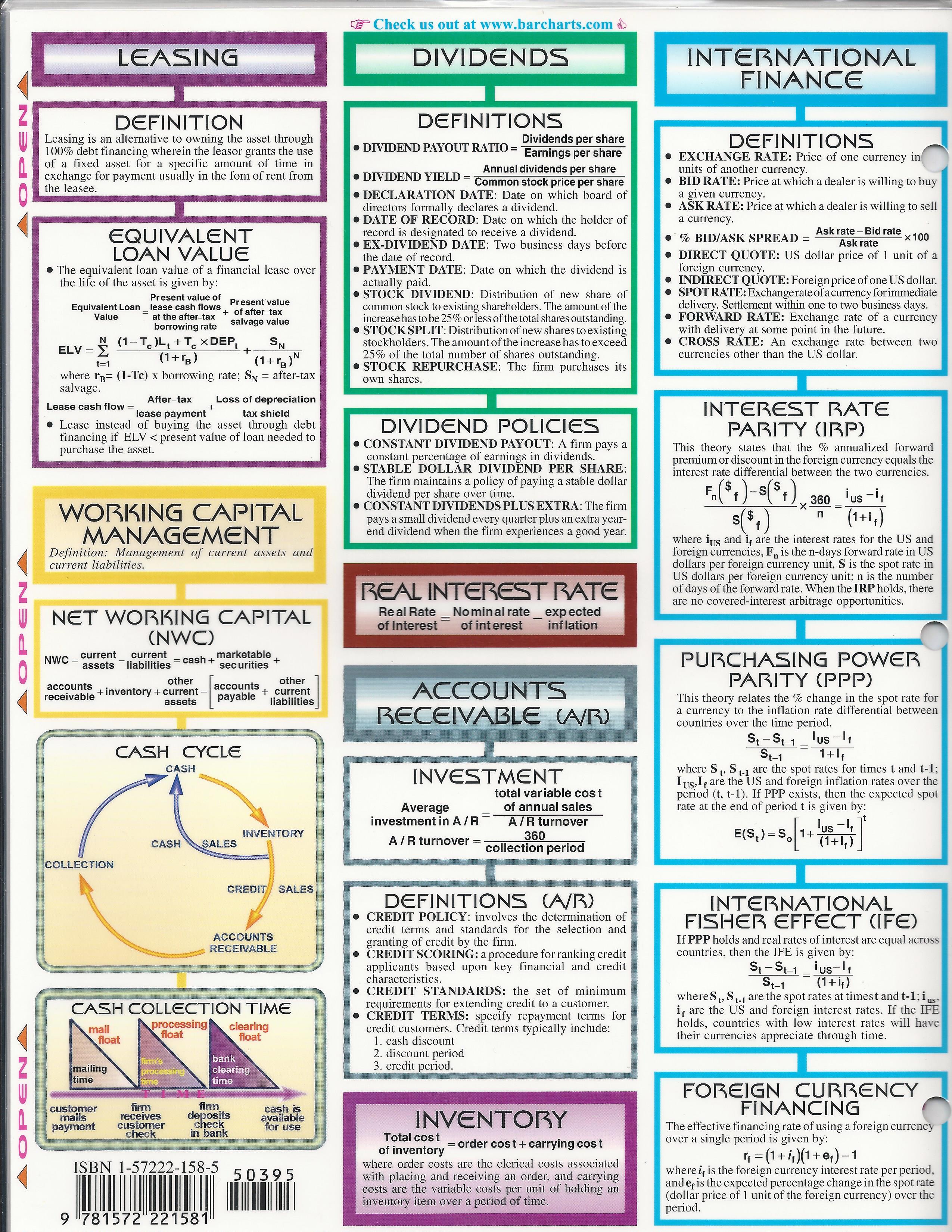

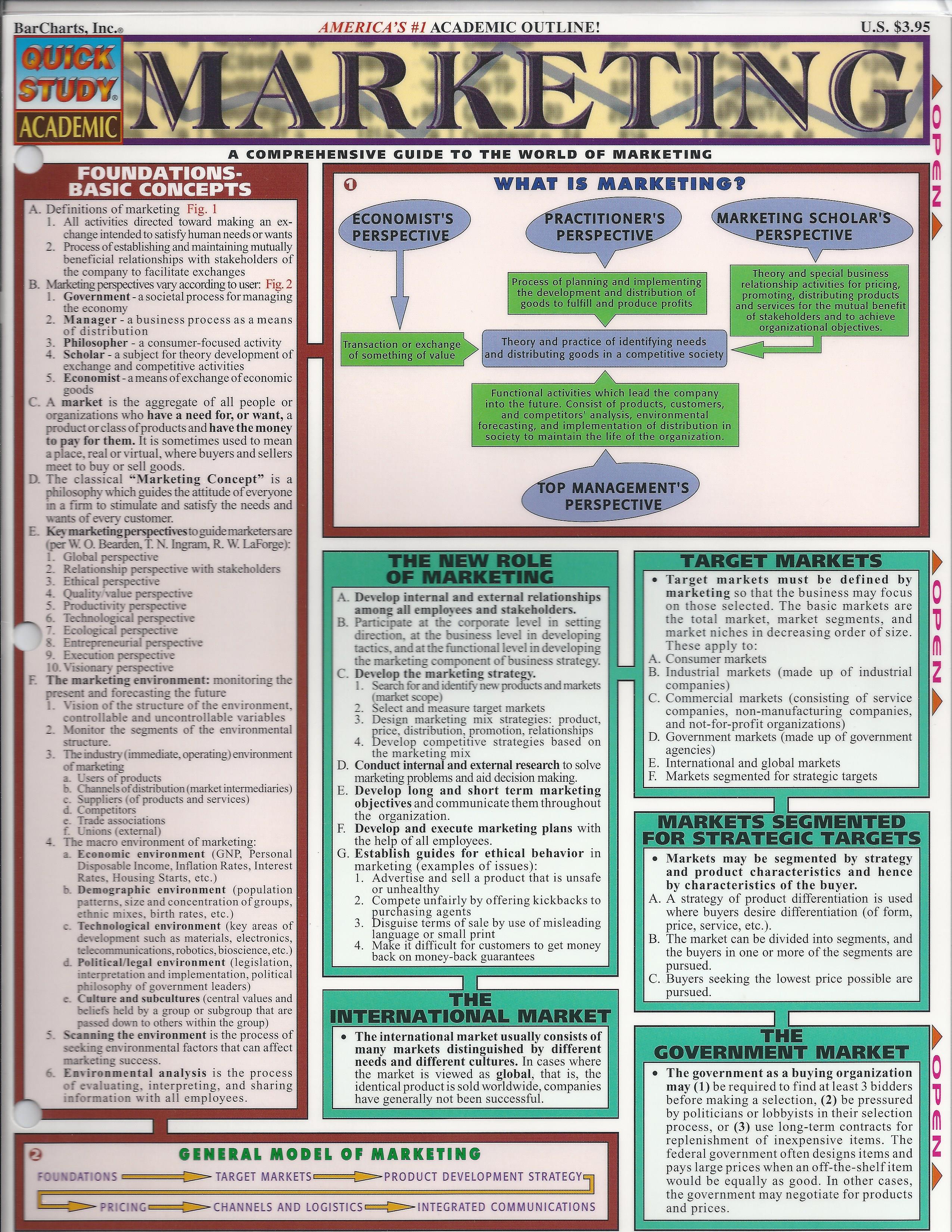
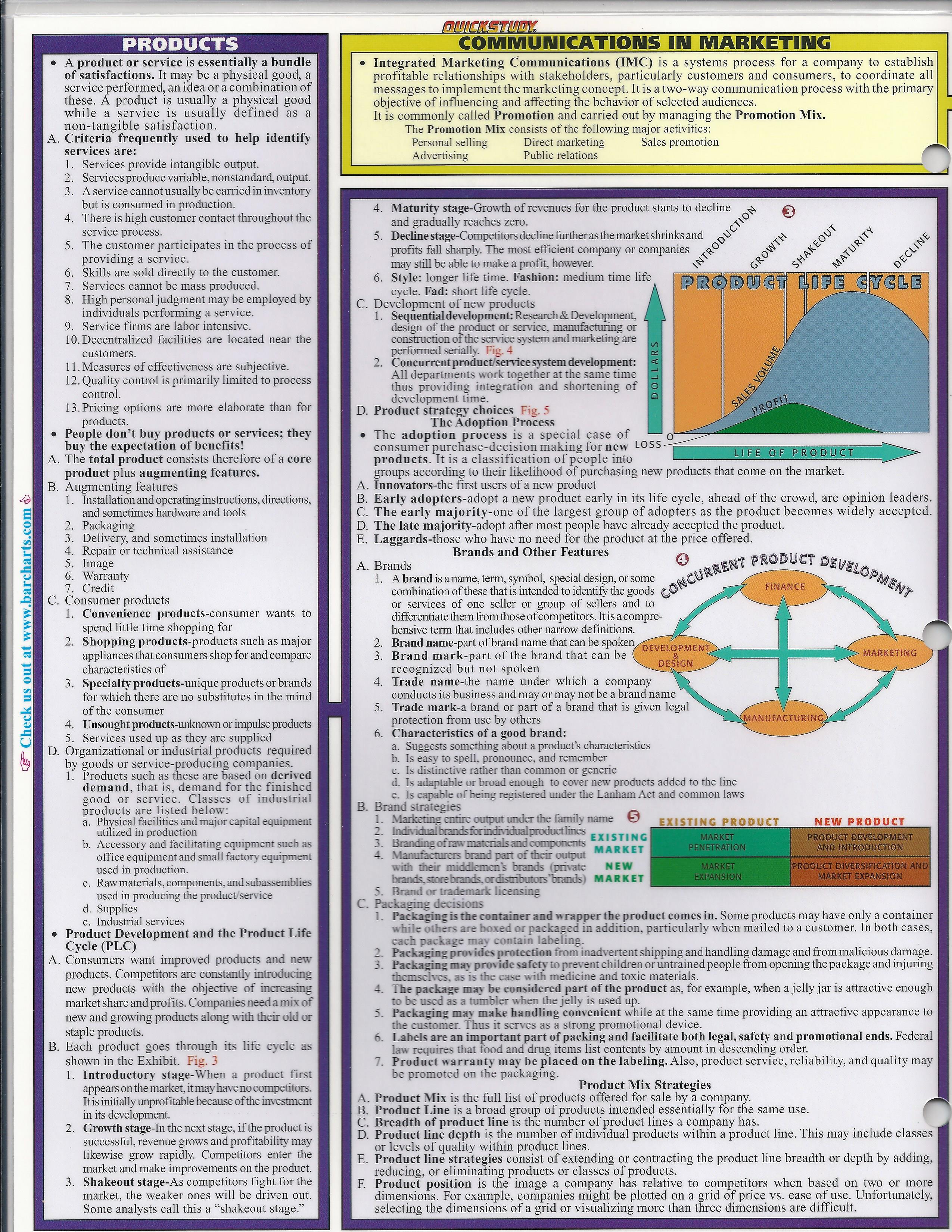

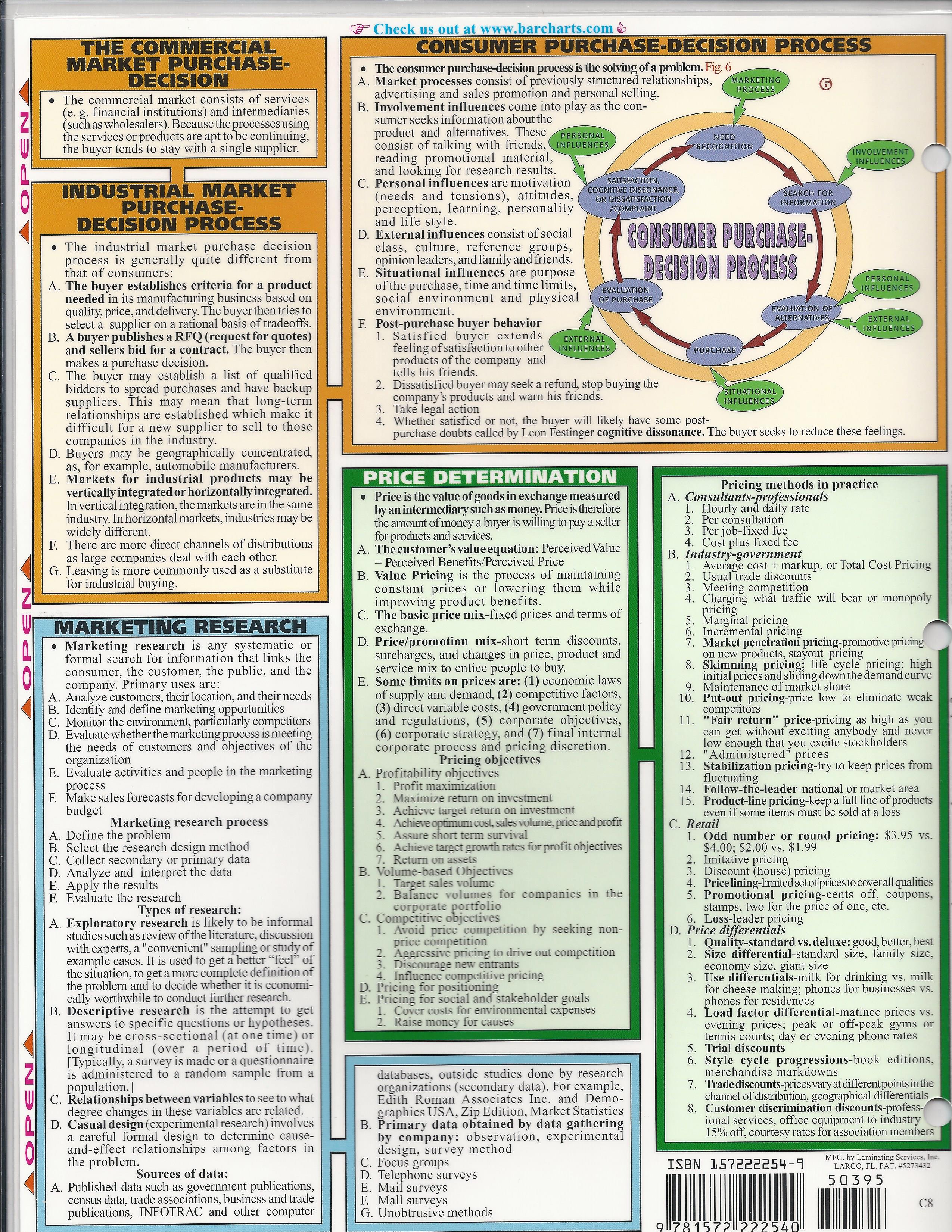






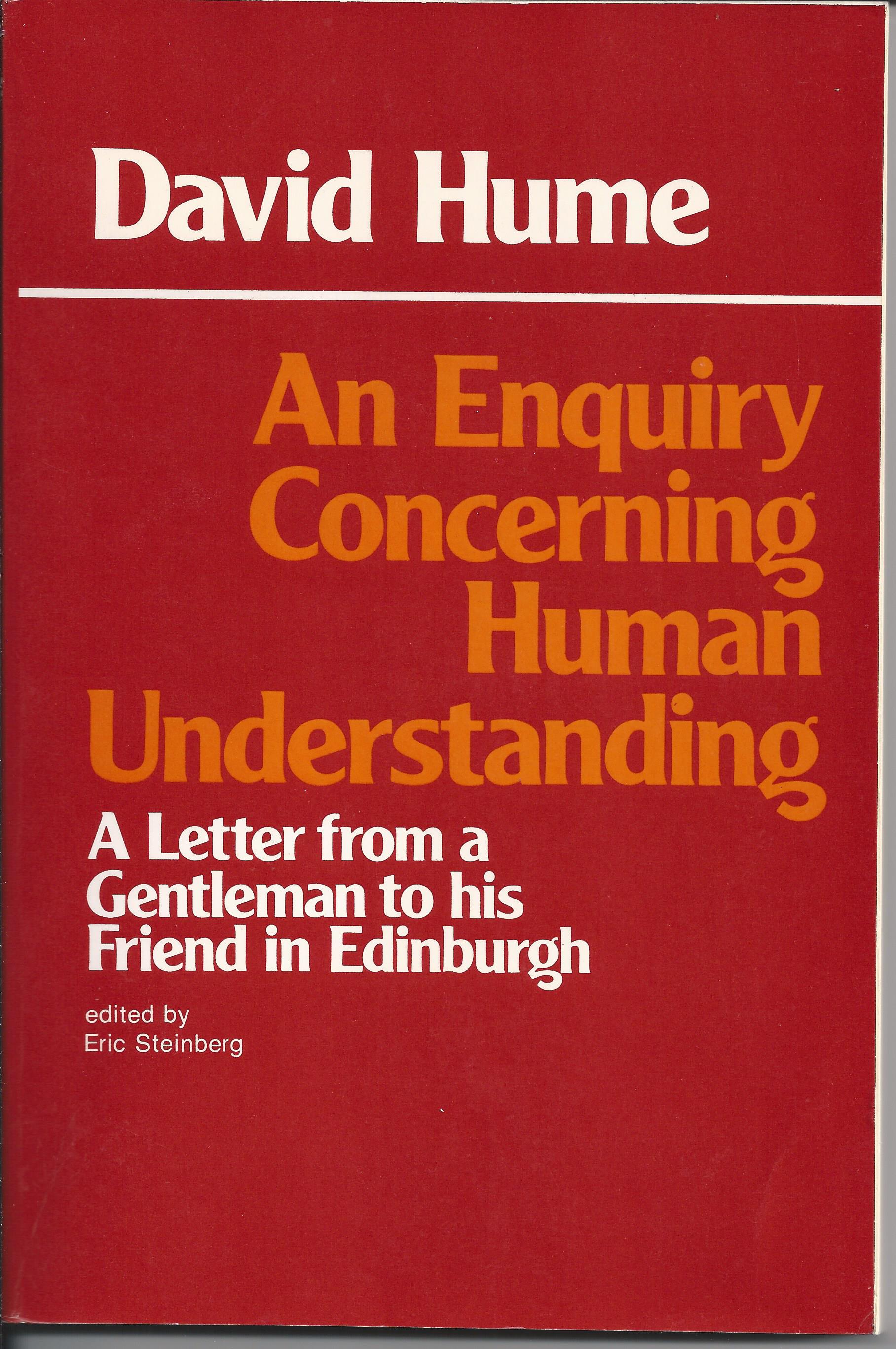


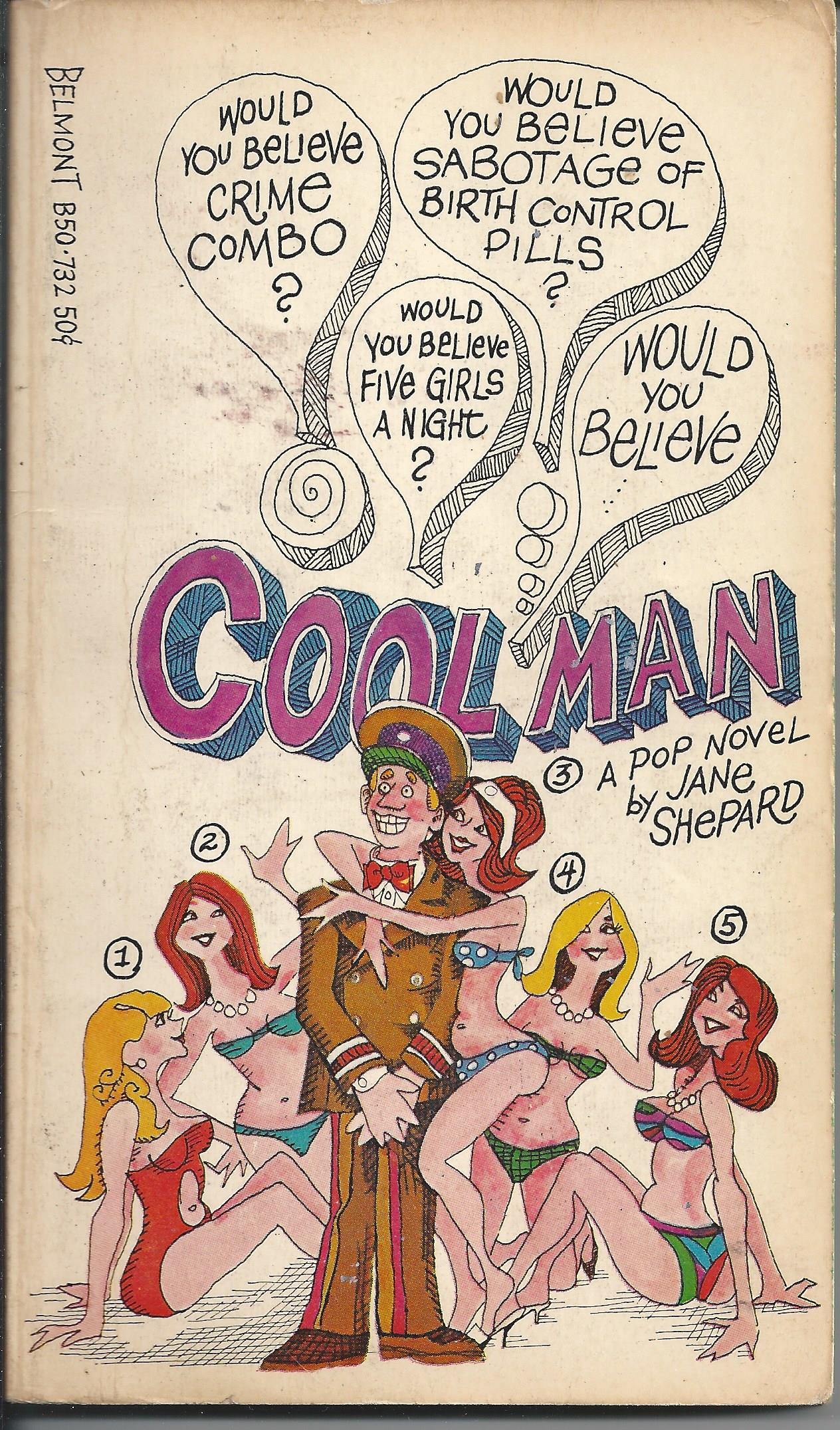



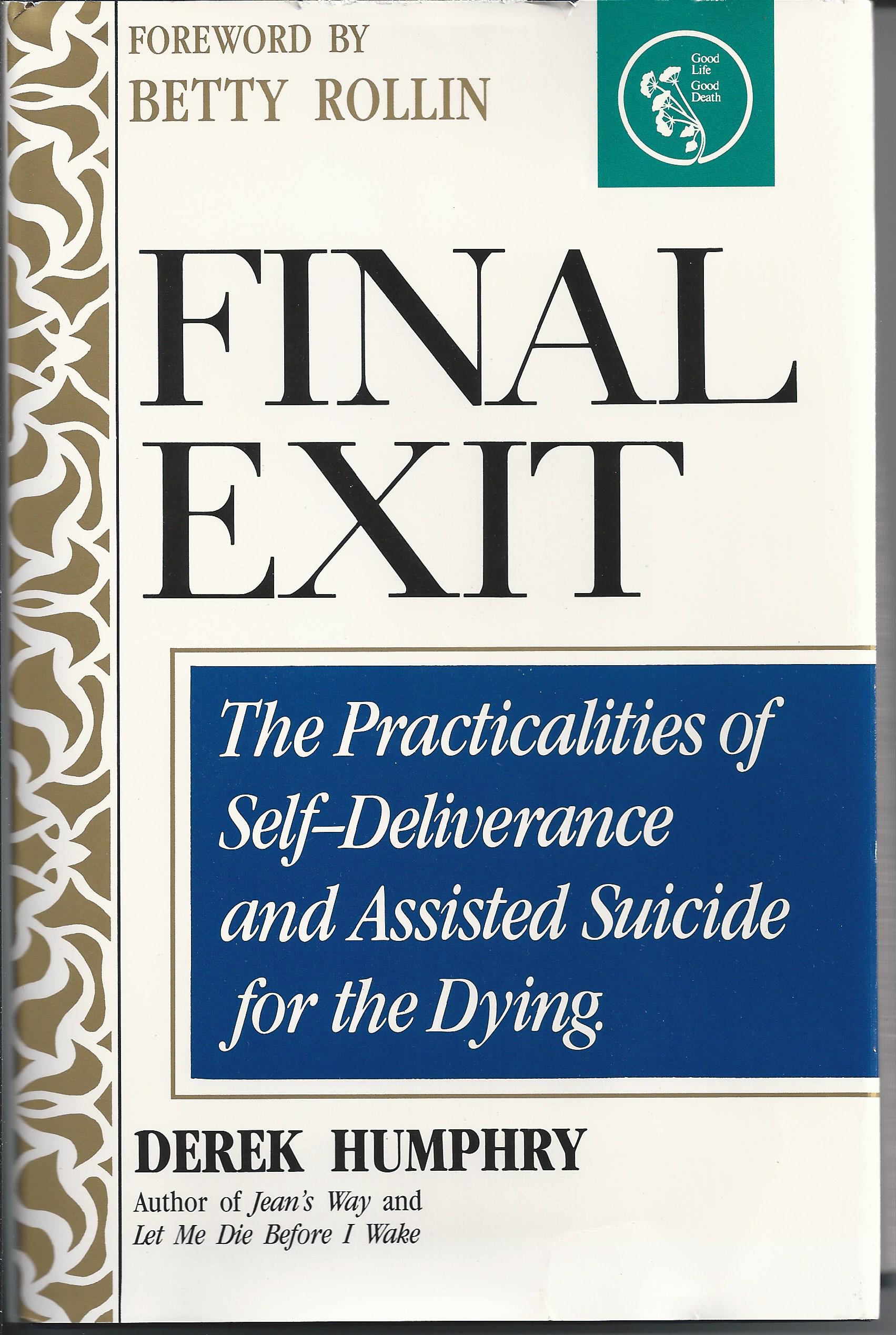
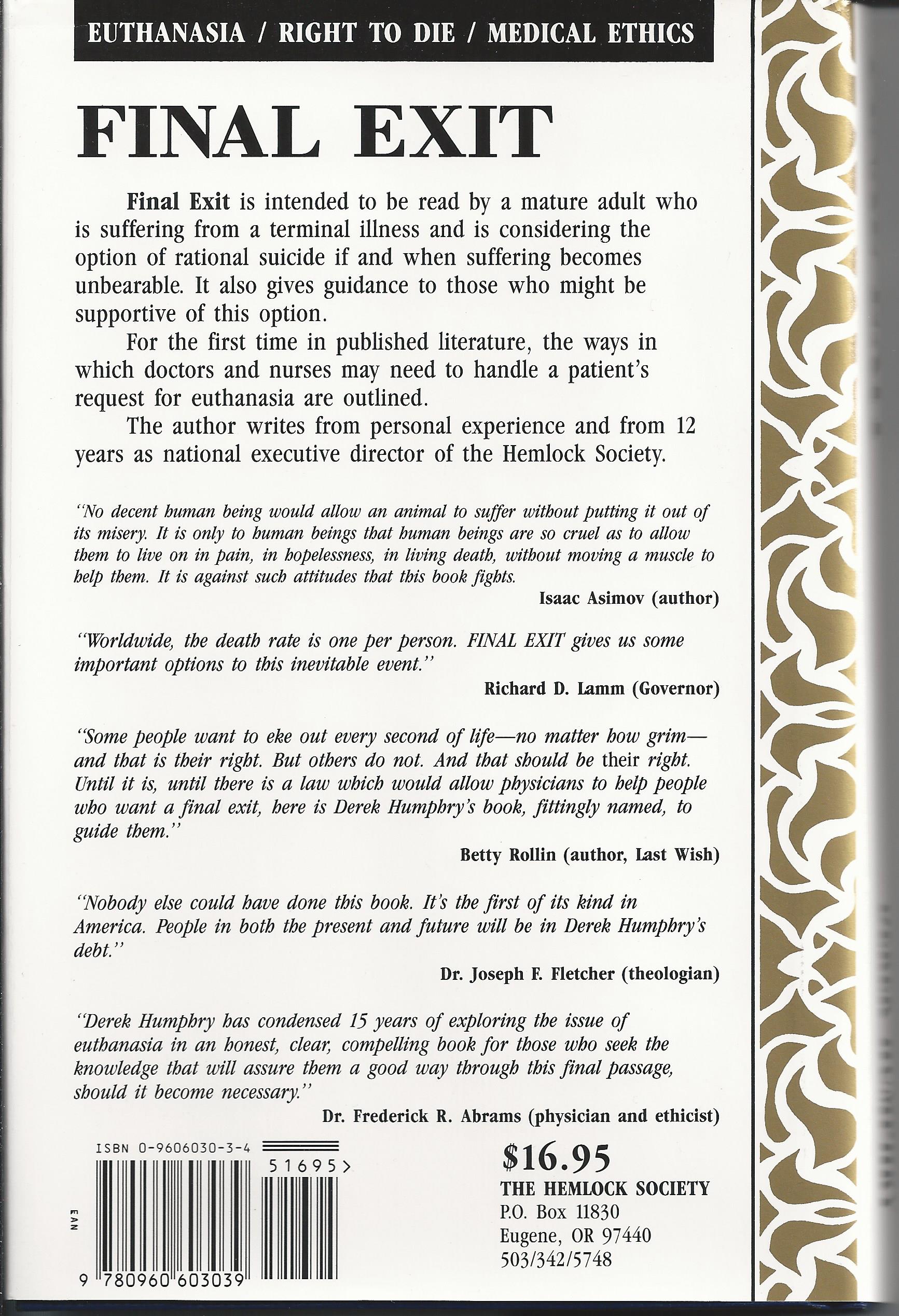


My introduction to managing expectations:




Today, my father, who died last May, would have been 78.
I couldn’t get to sleep until five o’clock this morning, wondering if there was something I’m supposed to be feeling but I’m not.
I finished mourning the loss of Dad a month or so ago.
I no longer walk through my house, sit in my car or visit my mother and find sadness where once there was a moment I had shared or might have shared an insight with Dad.
The memories are still intact, the emotional wounds less so.
The burden of being the son of a living father was lifted when Dad died.
I don’t worry whether what I’m doing will impress or disappoint him.
I am me, free to pursue ideas that jived with or veered away from Dad’s general philosophical views.
Dad taught me how to catch fish because his grandfather had taught him but Dad was never an avid fisherman.
Dad taught me how to identify features of automobiles that distinguished one brand and one model year from another. He owned a foreign convertible in his early adulthood and so did I, but we both grew practical in our car ownership as we grew older.
Dad was an enthusiastic gun owner, a former member of a U.S. Army infantry division and political conservative, belonging to more than one secret organization that espoused centuries-old socioeconomic principles he taught in university courses for a couple of decades.
Dad was no liberal college professor.
This morning, I saw a headline that the U.S. President’s wife inserted herself into the U.S. film industry by announcing the winner of a peer-selected prize.
I can imagine Dad’s response — men, usually bosses or politicians, are often accused of acting like dogs and marking their territory by inserting comments into documents/emails or forming political committees that are more hot air than substance — he would have commented that the U.S. President’s wife was trying to accomplish the same thing, leaving a yellow trail on newly-fallen snow.
I would have laughed and Dad would have thought I was laughing at him rather than laughing at the juxtaposition of images he presented or the way he could say something without using the word that was on his mind (“bitch” for the recent one or “bastard” for Bill Clinton).
I tried to get Dad to understand that if he didn’t like someone, then put that person out of his thoughts so that he doesn’t feed that person’s love of being hated.
Some people thrive on being challenged.
Some people love to compete.
For some reason, I never have.
I chose to play baritone horn in junior high school because no one else did and I didn’t have to compete for a “chair” or position; thus, I didn’t have to spend time practicing.
Whatever came to me naturally, with little or no effort, was the activity toward which I gravitated. I could read faster than a lot of kids in my elementary and junior high school classes, which gave me a natural advantage for completing homework assignments during class time while simultaneously being able to answer the teacher’s questions, drawing the favour of school authority figures and the dislike of kids who weren’t favoured.
Dad recognized these traits and encouraged my growth in similar activities like Boy Scouts, where studying merit badge requirements was a key component to advancement in the ranks.
Unfortunately, Dad interpreted my interest in Scouting as an interest in other military-like organizations, an interpretation I did not discourage because, being a good boy for the most part, I felt compelled to make my father happy in that he rewarded me for obedient son-like behaviour.
Therefore, when I accepted the four-year Navy ROTC scholarship program at Georgia Tech, I was ill-prepared for the rigorous competition in both the classroom and ROTC ranks because it required a level of concentration I had not developed and was not interested in nourishing within myself as a young man taken out of the relatively-sheltered life of a small town in east Tennessee and thrust into the metropolitan life of Atlanta, Georgia, and its many fun distractions.
Simply put, one of the big fish in a small pond thrown into an ocean of much bigger, faster fish.
The habits of my early childhood of either finishing schoolwork and letting my thoughts wander or letting my thoughts wander and not finishing my schoolwork were incongruous with life at university.
I am, at heart, a dreamer — reality is often much too complicated and disappointing compared to my mental fantasies.
My father was not so much a dreamer because harsh reality entered his life at opportune moments, especially one — getting drafted into the U.S. Army.
From what I gather, Dad’s mental state changed during his stint as a soldier. He became more disciplined and focused on his future.
In other words, the military training took a boy and turned him into a man.
I avoided that step, declining many opportunities along the road of life to become a man rather than continue to be a grownup boy.
I didn’t father a child, I didn’t accept the invitation to become a deacon at my church, I reluctantly climbed the corporate ladder, I delayed finishing a bachelor’s degree for 19 years.
And yet my father’s love for me remained.
He saw me for who I was — a dreamer who likes to write — rather than who he thought I’d become, an evolution of his military/corporate self.
Thank goodness, he and I had the time to adjust to the new reality years before he died.
However, in the last couple of years, as Dad’s brain changed, we assume due to ALS-bulbar option, he became grumpier and more demonstrative in his conservative views.
He seemed alone in our family in his views, neither his wife, son, daughter nor grandchildren exactly agreeing with his opinions, which turned into angry outbursts as his loneliness showed, no one to sympathize with him, no father, mother or siblings to hear him out unconditionally.
In his last two days of life, Dad found peace within himself as he let go of his mortality and felt the love of family more interested in him as a living being slipping comfortably into death than in continuing discordant political philosophies with no resolution.
We gave each other a few hours of happiness the day before he died that stay with me now as I’m glad to say I am my father’s son, who continued some of Dad’s boyhood dreams — writing poetry and stories about muses while working in the corporate office world — dreams he gave me the luxury to pursue, a luxury that his father took away when he abandoned his wife and son, my father, as a child.
Dad, I have no regrets, only dreams unfulfilled, because of your firm but loving kindness.
Thank goodness the birthdays we shared with you were fun so I can feel joyful rather than sad that you aren’t here today for us to wish you another happy birthday.
How many of us do something against our wishes because it’s our “job”?
How many of us go against the wishes of others because it’s our destiny?
Yesterday evening, my wife and I drove to a food store chain called “Cheeburger Cheeburger” because a day or so before we had listened to “50s on 5,” a satellite radio station dedicated to the popular American rock’n’roll music of the 1950s, which put me in the mood for a ’50s style eatery.
Delayed gratification had us sitting at a two-topper, recently cleaned off by Russell.
Courtney took our food order and Mayra brought us our food.
As we were close to finishing our delicious ground-up cow meat patties on buns and basket of frings (sliced/fried onions/potato), a large group of teenagers entered all cheery, bright-eyed and photo-happy, obviously not having eaten at this particular fine dining establishment before.
Of the group of 27, four young lads sat next to us, one wearing a T-shirt with the words “KEEP CALM I’M THE DOCTOR” emblazoned below the emblem of a old telephone booth, affectionately known as the time machine called the Tardis to fans of an internationally-popular show on the tellie called “Doctor Who.”
The young gentlemen were quite polite, informing my wife, upon her inquiries, that they haled from across the Big Pond in a small burgh called Birmingham (pronounced BIRM’ing-hum as opposed to our local town we call Birmin-HAM’).
They and their pals had enjoyed a good time at the U.S. Space and Rocket Center before being whisked off to the local shopping extravaganza known as the Madison Square Mall.
In like fashion to my wife’s curiosity, satisfying us that they were interested in a future career of engineering when they entered university (one favouring mechanical engineering and the other civil engineering), they pressed us for our favourite fast food joint.
As we hemmed and hawed, they informed us that they had the international fast food chains such as McDonald’s in Great Britain but not ones like Wendy’s.
I told them I believed my favourite place is Steak ‘n Shake, similar to Cheeburger Cheeburger but without the one-pound special, closer in style to my alltime favourite, Pal’s, which was too small for them to know about. My wife believed her favourite is In-N-Out Burgers, which is concentrated on the West Coast.
The young men told us they were still in secondary school and that one of their chaperones, a woman with pink stripes in her hair, was their physics teacher whose specialty is astrophysics.
We wished them well and told them we hoped to meet them on the International Space Station one day, imagining these guys and their friends the future of space exploration and settlement.
After all, the enthusiastic pursuits of our youth often encourage us to expand our horizons.
These young men, some of them wearing what I believe to be the head gear of the Sikh religion, are part of our future, going on into fields of science and engineering along with their colleagues of many races, religions, genders and backgrounds, inventing new ways of observing our universe that we hardly imagine possible today.
I am happy that our ancestors put us on the path for Americans and Brits to meet at a small restaurant tucked into a shopping centre in the south part of Huntsville, Alabama, USA, Earth.
Even as early as 25 years ago, I would not have thought it possible for us to meet like that.
Fifty years ago, not long after I was born, it was practically impossible.
Can you see how much progress we’ve made, how much farther we’ll go in 25 and 50 years from now?
Can you see why I don’t believe in secret societies and never chose to belong to one, even though I know they still exist and contribute in part to my being here today?
Love is…


I look up at the wall of plaques and artwork behind the student desk on which this notebook PC obeys the rule of gravity.
“Having earned the Eagle Scout Award in 1976 and desiring to continue to promote, support and apply Scouting ideals through Service Richard L. Hill II is hereby recognized by the National Eagle Scout Association as a member in good standing through the year 1991.”
I am Richard the second, not Richard III.
Once an Eagle Scout, always an Eagle Scout, but never having fought or lost in hand-to-hand combat on the field of battle.
There is fame in a name, if not in a person who bears/wears it.
There is a difference between a person as a distinct set of states of energy and a person who represents labels that local subcultures place or imprint upon that person.
When I was a Boy Scout, there was a leadership hierarchy that formed within our ranks, partially encouraged by the adult leaders.
Some of the boys naturally took charge while others were trained to accept roles of responsibility, however reluctantly, by ambitious parents.
Scuttlebutt, or rumours/gossip, spread between us as in any group.
The acquisition of badges and other honours was indicative of factual accomplishments, not imaginary or rumoured ones, thus separating the talkers from the doers.
The elected leader of the U.S. government, President Obama, stated over the weekend that he supported the integration of homosexuals into the Boy Scouts of America.
Boy Scouts is an outdoor program designed to develop character, citizenship, and fitness for boys ages 11 through 17. Through the advancement program and peer group leadership, Scouting helps a boy develop into a well-rounded young man. The Eagle Scout Award, the highest rank in Scouting, is recognized around the world as a mark of excellence.
“On my honor, I will do my best, to do my duty to God and my country, and to obey the Scout Law. To help other people at all times, to keep myself physically fit, mentally awake, and morally straight.”
“A Scout is … trustworthy, loyal, helpful, friendly, courteous, kind, obedient, cheerful, thrifty, brave, clean, and reverent.”
What, I ask myself, is “morally straight”? According to the Scouts website, morally straight means:
To be a person of strong character, your relationships with others should be honest and open. You should respect and defend the rights of all people. Be clean in your speech and actions, and remain faithful in your religious beliefs. The values you practice as a Scout will help you shape a life of virtue and self-reliance.
From what I understand about homosexuals, their sexual preference or orientation is set at birth according to their development in the womb. Whether or what environmental factors come into play during foetal development, I don’t know and haven’t taken the time to investigate.
I know that our local economy contains many productive members of what is currently labeled the LGBT community; therefore, my participation in the local economy as consumer/producer means that I benefit from the economic participation of lesbians, gays, bisexual and transsexual individuals.
I don’t know enough about gays/homosexuals to tell one from a heterosexual except when I see an effeminate guy who, I assume, is most likely gay.
I certainly believe that paedophilia and homosexuality are not synonymous, just like seeing images of guys dressed as women in all-male reviews onboard naval vessels means that they are probably neither transvestites nor transsexuals.
However, I can remember from my Scouting days the aversion of members of our troop to the effeminate behaviour of boys who tried to join but never really belonged and eventually quit.
There were boys who didn’t have the physically prowess or fortitude to handle the long hikes, who weren’t interested in learning the set of skills necessary to advance to the next level of Scouting, regardless of their manly or effeminate behaviour, and quit, too, so it wasn’t just the outwardly effeminate types who didn’t make it in Scouting.
Although I was a member of the Presbyterian Church, the Scout troop I belonged to was in a Southern Baptist Church, which was very conservative; in fact, after I left the Boy Scout troop when I graduated high school, our Boy Scout senior leader, who felt the church wasn’t conservative enough, went off and formed an independent church for the true conservatives of the community.
Which leads me to this [re]discovery, the existence of alternatives to the Boy Scouts of America, including Royal Rangers (which reminds me of the Royal Ambassadors of the Southern Baptist Church when I was a kid).
Socioeconomically, I have not a single problem interacting with any person willing to conduct business under the guidance of a sense of fair play, despite my subcultural misgivings about our personality differences, because at any time until a transaction is completed, either one of us can walk away and not see each other if we so choose, returning to our subcultures which rarely meet eye-to-eye.
We can suspend our disbelief in the existence of each other, or not.
We can be appalled at our reactions against or behaviours toward each other.
Often, we return to the subcultural practices with which we feel most comfortable.
There may be Scout troops where the acceptance is normal of boys who are not rugged enough or are too effeminate for the type of troop to which I belonged in the 1970s.
If the Boy Scouts of America accepts homosexual boys, it goes against everything I learned and earned my way to the rank of Eagle Scout.
When I was a teenage boy, would I have shared a tent with a known homosexual? Definitely not. I would have accepted him as a fellow classmate in public school and participated in school functions with him, even calling him friend, but in Scouting there would have been a separation between us that I, for lack of a better word or phrase, would have called a natural subcultural reaction.
In the public forum, there is a willingness to suspend our disbeliefs in order to buy and sell goods/services/ideas, where we drop our guards and reduce ours fears of others not like us to achieve socioeconomic goals, temporarily overcoming comfortable, everyday barriers we place to shelter the subcultural beliefs ingrained in us as children.
Would I be comfortable placing my child under the leadership of a gay Boy Scout leader? Not without understanding my son’s personality. If he, based partially on my tutelage and guidance of him during his formative years, was willing to accept homosexuals as people, I might, but if the leader was effeminate or in any way not part of my everyday set of subcultural practices, then probably not.
I had childhood friends who were gay. Some of them are even on my list of Facebook friends but none of them made it to the rank of Eagle Scout because their set of behaviours placed them in a different subcultural circle than the members of the Scout troop I was in and will be a part of in my thoughts the rest of my life.
My Scout troop at the Southern Baptist Church no longer exists. The Scout troop at the Presbyterian Church in which I grew up still exists, churning out future leaders on a regular basis.
I haven’t been active in Scouting for a long time. One of my nephews, a member of a local Southern Baptist Church, achieved the rank of Eagle Scout around the year 2000, while the other nephew, who belonged to the troop at my hometown Presbyterian Church, reached at least Webelo and maybe Tenderfoot but lost interest in Scouting, having other activities that he wanted to pursue.
Scouting is not for everyone just like public schools are not for everyone. There is more than one way for a boy to become a “well-rounded young man.”
What I don’t know is just because a homosexual boy can become a socioeconomically successful person as an adult, with whom I, as a person, am willing to interact and call friend, is he ever a man the way I was raised to understand that a man is heterosexual by nature? If not, then there’s no way a homosexual boy can ultimately succeed in Scouting, despite learning and mastering all the skills that Scouting provides, because he has no chance of subculturally becoming a “well-rounded young [heterosexual] man.”
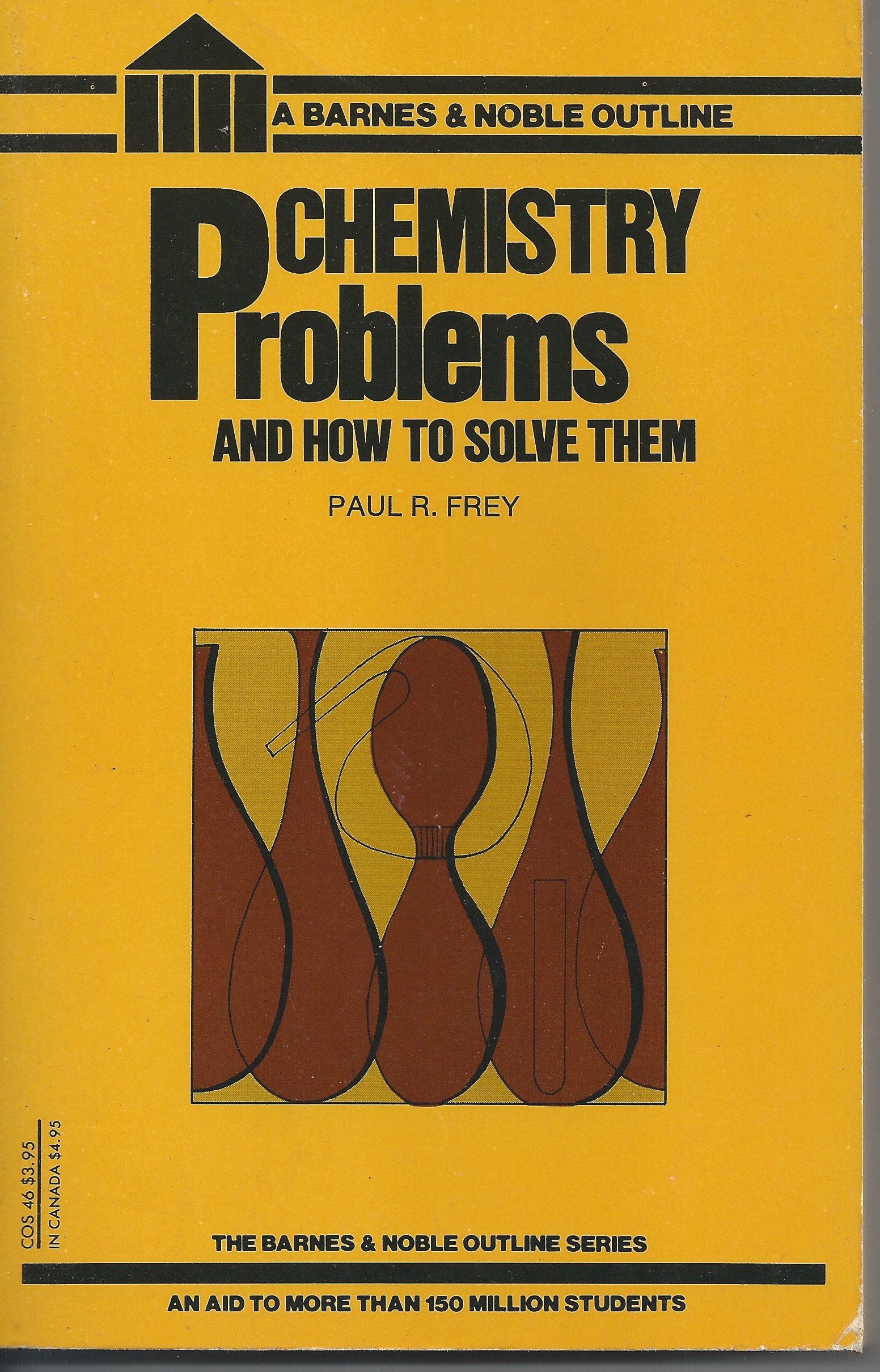
One of the textbooks used by my father to instruct undergraduates about successful student/postgraduate career tools:

Are you familiar with Poe’s Law? From wikipedia:
Without a winking smiley or other blatant display of humor, it is impossible to create a parody of fundamentalism that someone won’t mistake for the real thing.
The core of Poe’s law is that a parody of something extreme by nature becomes impossible to differentiate from sincere extremism. A corollary of Poe’s law is the reverse phenomenon: sincere fundamentalist beliefs being mistaken for a parody of that belief.
I guess what I’m saying is that I grew up in a community where creationism and the scientific method lived side-by-side.
So did parody and solemnity.
I quickly learned that creationism was not so much about the “reality” of a young universe as it was a set of code words we used to dupe those who made fun of creationism.
While smartypants were talking smack about the dumb creationists and their fundamentalist religion, the creationists were running the factories and businesses in town for whom the smartypants worked.
Creationism was established to delineate the true members of a subculture from the false members and/or outsiders.
The scientific method was as valid a laboratory tool for creationists as it was for noncreationists to create new plastic polymers.
But again, it was the set of code words used during coffee breaks and lunch periods that showed who was willing to suspend their disbelief in order to belong to one group or another.
Code words as ancient as our species.
So, the next time you hear someone debating just how old the universe and our planet are, remember Poe’s Law — you should pay attention to what they’re really saying, not what their words mean on a superficial level.
Outsiders and those without a refined sense of humour will miss the nuanced reasons used by those who espouse creationism as their core belief set.
Do you belong to a particular community?
What would you do to maintain your position in a social setting?
Would you repeat the community’s code words without question or a smidgen of doubt?
Not every subculture uses tattoos, piercings and the breaking of social taboos to define themselves.
Some use words and respect the boundaries that taboos provide.
 treetrunkdings