How does a story like this start?
Which beginning is the beginning?
The author is part but not part and parcel of the tale. The usual “as always”.
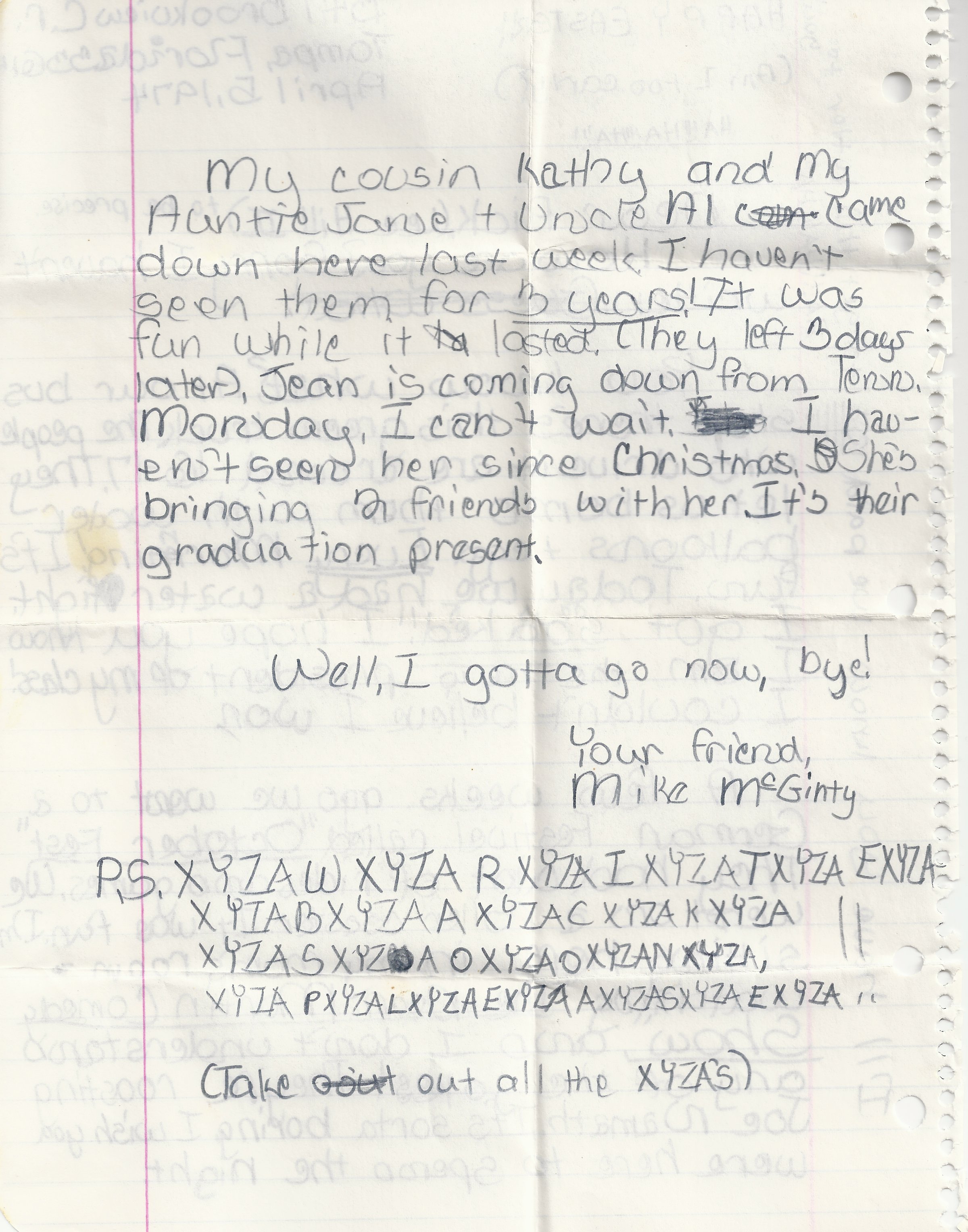
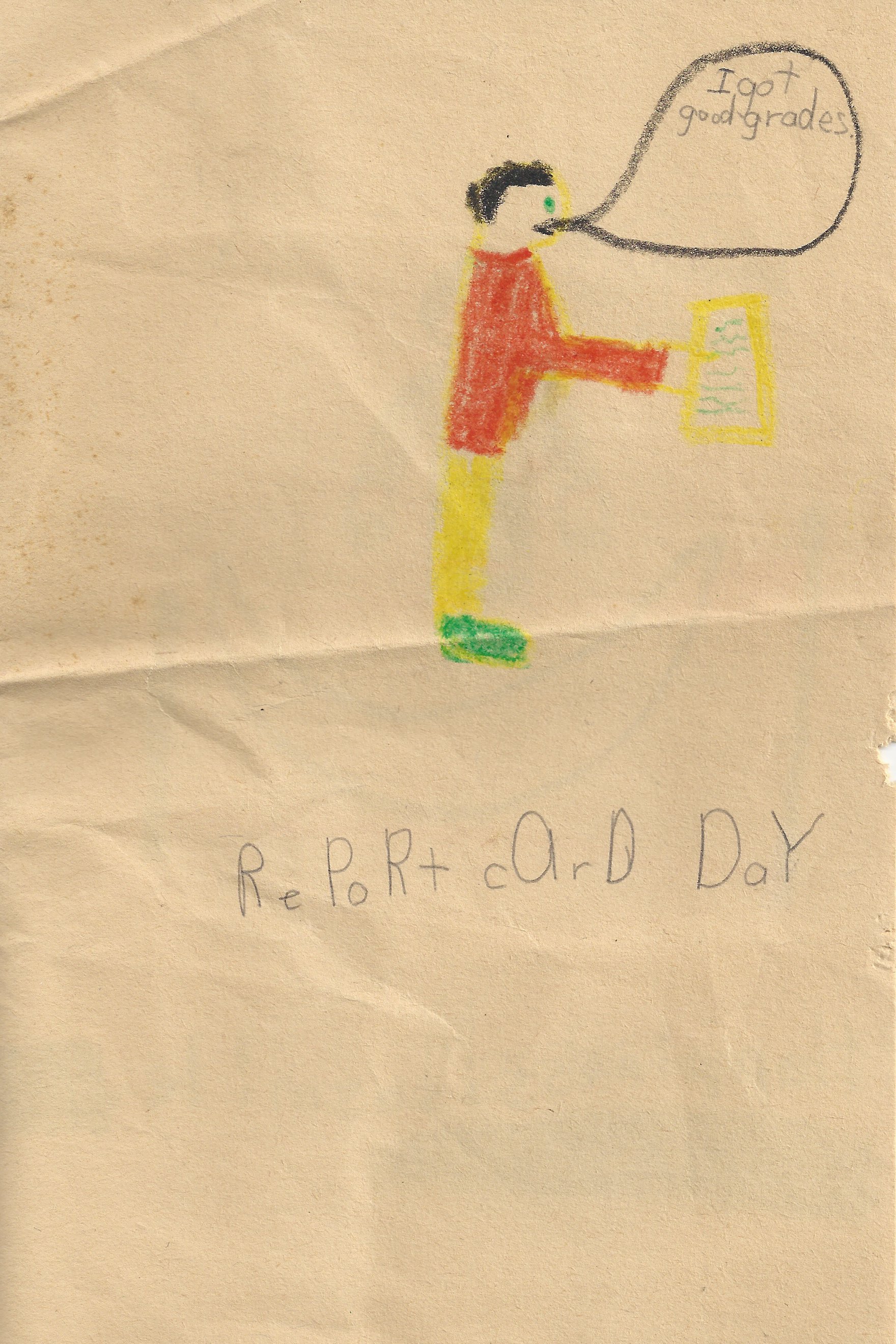
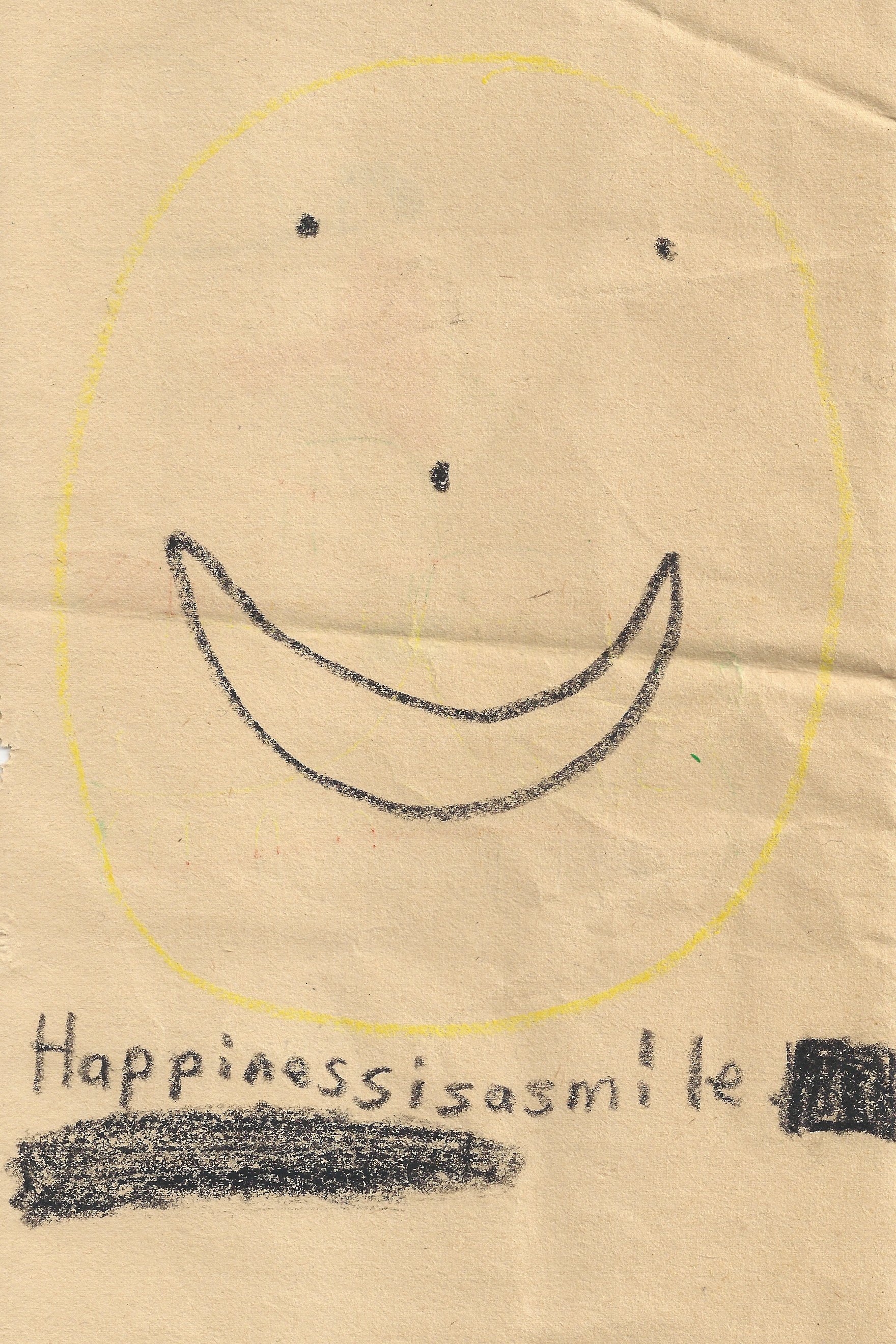
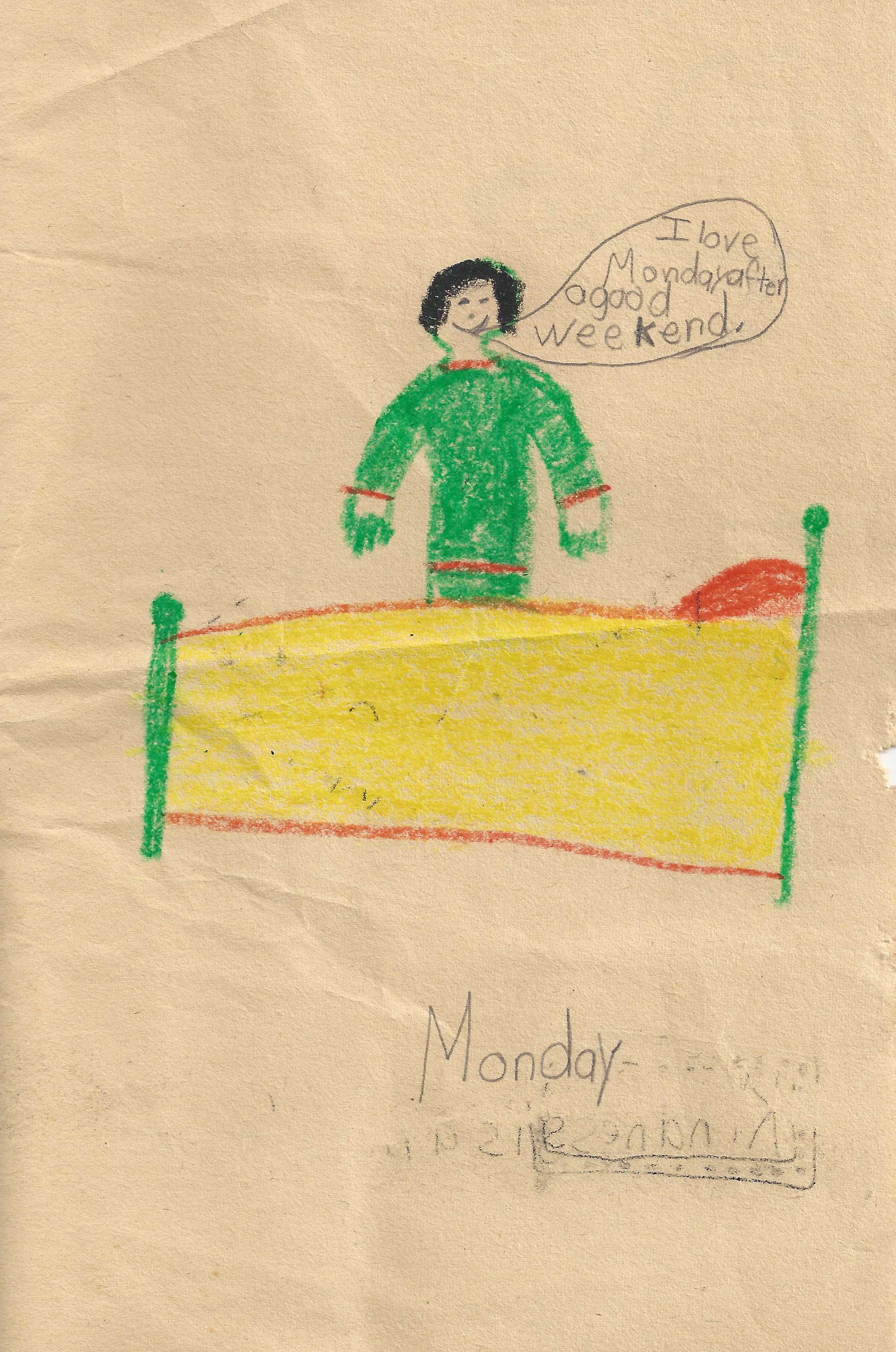
In fifth grade, I met a boy who was so dark I thought he was Puerto Rican. He could also wiggle his ears.
Mike. Mike McGinty.
In 1930, a boy was born who grew up in Lynn, Massachusetts — Mike’s Irish father, John.
John entered military service in 1950.
One of his jobs was making sure films distributed by the Air Force were shown to the soldiers. Therefore, John received his paycheck from the Air Force even though he was a Marine. He eventually worked as a librarian for the base after his stint in the Korean War, including a landing at Inchon with the Marines.
However, let’s turn to a romantic view of the action taking place farther ahead and behind in time.
By 1952, John was making regular trips from a western New York military base, driving his mother’s car back home to Lynn.
Meanwhile, a young woman named Maria, whose Italian family had moved around the various eastern towns outside Boston, including Everett, was finishing her last year in high school.
One evening, on January 1st, a special Catholic holiday, Maria, along with her friend Barbara, skipped Mass and cruised on down to a local coffee shop, sitting in a booth.
Sitting at the bar, John and a military buddy of his from the Navy watched the two women walk in.
John dared his friend to talk with the attractive ladies.
His buddy did but he left before introducing John.
John got up from the barstool and wandered over.
Maria thought John would be interested in Barbara, as most guys were, Barbara being more attractive and more popular.
John had other ideas.
“I carried a few thoughts in my head when I first saw Maria. One, the woman I was going to settle down with had better be very attractive. And she was. Second, she better be the kind interested in having a family.”
At 83, John’s memory of the event is vivid, and Maria’s at 77 is, too.
He offered the women a ride home, dropping Barbara off first.
“At Maria’s house, just before she left the car, I suddenly remembered to ask if she wanted to go out.”
Maria smiled and nodded. “I said yes even though, because I was raised in a strict family, I was forbidden to date while I was in high school. Plus he was 21 and I was 17. I tried to pass him off as 19 to my mother but she said he was too grown up to be 19.”
From then on, right after reveille on Saturday mornings, John would drive as fast as he could to complete the 13-hour trip “all the way across New York State and all the way across Massachusetts.”
“You see, I couldn’t go out with him after 11 p.m.”
John cupped his hand behind his left ear. “What?” She repeated herself. “Sorry, I waited too to get these hearing aids but I’d be deaf without them.”
“I stood at the window to wait for him. When he passed by, he’d…”
“Honk his horn?” I couldn’t stop myself from adding that one.
“Do you think I wanted to go to reform school? Or a convent?”
I laughed. “‘Get thee to a nunnery.'”
“‘A nunnery.’ That’s right. No, he’d flash his lights to let me know he made it safely and he’d see me at church the next day.”
“After Mass on Sunday morning I’d go with her to see her family.”
“I had to see all my grandparents every Sunday after church.”
“‘Johnny,’ one grandfather would say, ‘drink up.’ I’d look at her and she’d say, ‘Yes, drink up.’ One shot of whiskey.”
“That’s right. ‘Go ahead. Drink up.’ You see, John was Irish and my family didn’t approve of our going out together. His drinking with my grandfather…Four Roses! Only the fancy stuff, haha!…it was their way of getting him to be part of them.”
“Yeah, and I’m no alcoholic. Sure, I drink a glass or two of wine or a shot of whiskey every day but that means I’m well-preserved. By the way, what will you have to drink? I have Heineken and Sam Adams in the fridge.”
“Sam Adams.”
“Sam Adams?! He is a drinking man! I’ll get you that beer.” [“No, Dad. I’ve got it.”]
“My other grandparents made their own wine.”
“They trusted me so much with their granddaughter that after a while they showed me the whole winemaking operation in the basement. Of course, I had to drink a glass of wine or two at their house.”
“We didn’t marry until he was out of the military and I was well out of high school. Can you believe I just retired after 22 years as a school secretary? Me, retired?”
“And I’ve been retired for 23 years. Retirement is good.”
“It is. I still wake up when I used to but I get up when I want to.”
Joh turns to talk quietly with my mother, bringing her to tears. Maria taps her finger on the glass patio table to get his attention and waggled her finger to scold him.
My mother turns her reddened eyes to Maria. “If we can’t cry with our friends, who can we cry with? Besides, these are such good memories you’ve shared.”
Later, Mike calls from California to wish his family a Happy Easter in Florida. He comments to me on the phone about my semifinalist status a while back in the Amazon Breakthrough Novel Award, when I will publish the next one, and how my voice still sounds young (even if I don’t look it), as well as his nontalkative father, who in response says he doesn’t like to talk on the phone, even to his kids because he can’t hear well on the phone.
Maybe I should write another book.
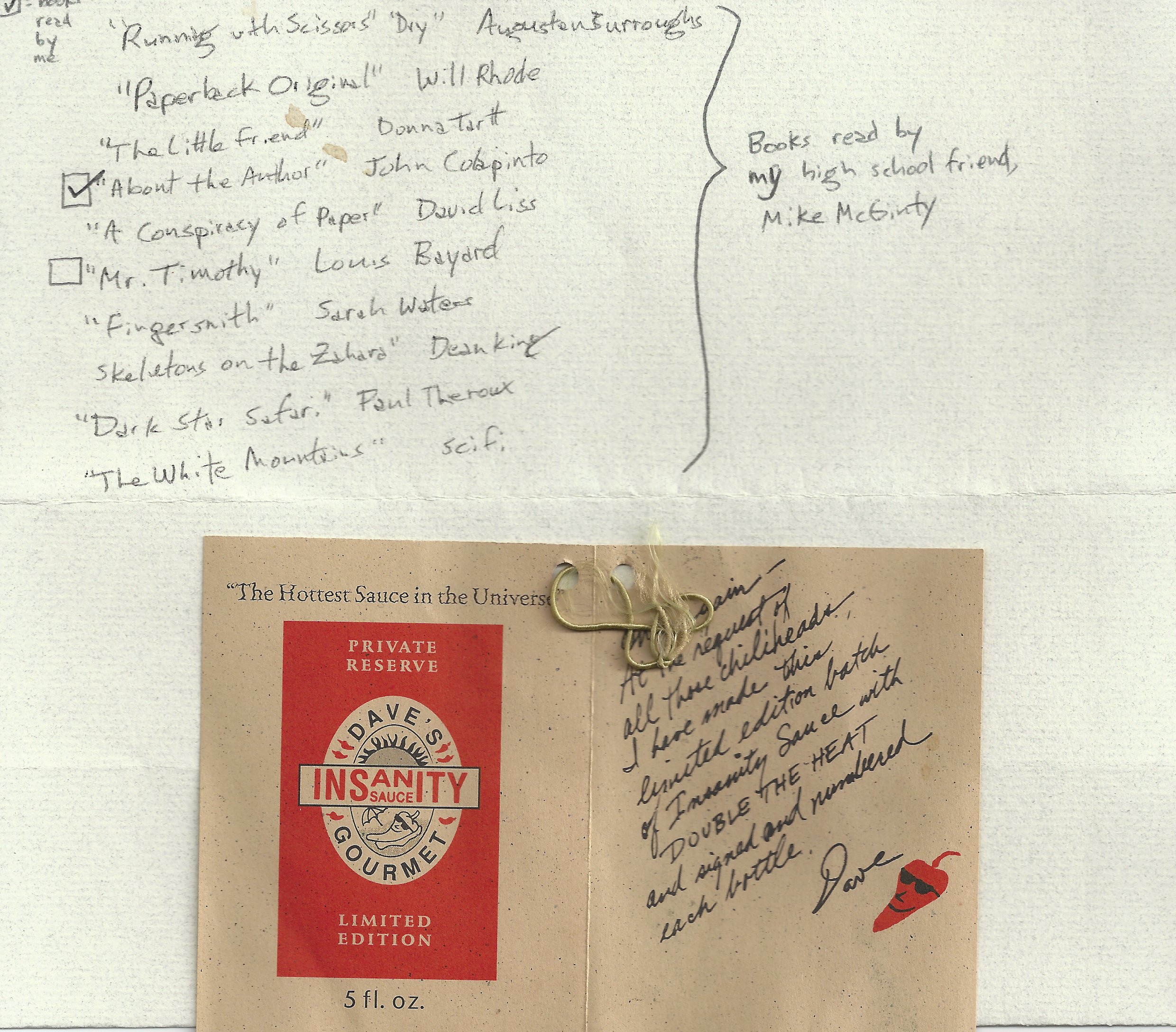
I look forward to reading Mike’s new book about branding and John’s recommendation about a series of military books by Rick Atkinson and Carlo D’este.
John wishes for more books about the Korean War.
Maria wishes for pictures of newborns, especially great-grandchildren from her grandchildren Melissa (legal assistant wanting to be an urban planner), PJ (EMT) and Brian (shadetree truck mechanic), all well-behaved and doing well at 25, 22 and 18, children of her daughter Trish and husband Paul, 47, a unionized electrician for Duke Energy, 15 years away from retirement after 15 years on the job.
My mother wishes that the emotional turmoil after the death of her husband will wind down.
Another house to empty, to sell, to remember it and its place in the greater community.
Can you wiggle your eyes?
Would you spend your Easter weekend at Rancho Relaxo?




































































































































































































 treetrunkdings