Tag Archives: technology
More than a pair of shifty dimes for this paradigm shift
Number one reason?
Correction to a previous post
Wanted to correct a previous post, which reflected my poor memory about the founder of ADS Environmental Services.
Here, forewith, is Peter Petroff’s proper CV (source):
Peter Dimitroff Petroff, a NASA engineer and later an inventor whose enterprises developed heart-monitoring equipment and originated the digital wristwatch 30 years ago, died Feb. 27 at his home in Huntsville, Ala. He was 83. . .
He went into business on his own in 1968, founding Care Electrics, a high-technology company that developed a wireless heart monitor for hospital use. The venture evolved into Electro/Data, which created the prototype of the digital watch.
Marketed by the Hamilton Watch Company as the Pulsar, the odd-looking device sold for $2,100 in 1971.
Of course, there had been mechanical digital watches long before, but the Pulsar was electronic with a red LED readout.
More
THERE is a widespread belief in Bulgaria that the country has never been able to keep its best offspring because they always leave to find a better place to make a living. Unfortunately, one can easily share this view, as most of the Bulgarians that have introduced anything of importance to the world have been from among those that left their homeland. Perhaps this is not such a problem, as long as Bulgarians do not forget those that brought the fame.
Following this line of thought, one name that was long ago forgotten in Bulgaria was that of Peter Petroff (Petar Petrov), and only the news of his death brought his name back to the minds of Bulgarians.
Peter Dimitroff Petroff, 83, an engineer at the National Aeronautics and Space Administration (NASA) and an inventor whose enterprises developed a heart monitor and the digital wristwatch 30 years ago, died on February 27 at his home in Huntsville, Alabama. He was a native of Bulgaria who moved to Canada and then to the US after World War 2, and in 1968 founded Care Electrics, a high-tech company that developed a wireless heart monitor for hospitals. The company became Electro/Data, which created the prototype of the digital watch. Marketed by the Hamilton Watch Company as the Pulsar, it sold for $2100 in 1971.
Petroff was born in the Bulgarian village of Brestovitsa, and, while almost nothing is known of his life in Bulgaria, his later existence was marked with the name of a great inventor. He was born on October 21, 1919 to the family of Dimitar Petrov, a priest of the Eastern Orthodox Church, and his wife Vasillia. After attending a religious seminary, Petroff enlisted in the French Foreign legion in October 1939.
He was captured by the Germans while defending the French Maginot Line in 1940, and sent to a German Prisoner Of War camp in Poland. He returned to Bulgaria in March 1941 and became an officer in the Bulgarian Army. His duties included being a palace guard to King Boris III of Bulgaria and participating in the Honour Guard for the funeral of Turkey’s President, Kemal Ataturk, the founder of modern Turkey.
In 1944, he moved to Germany to study engineering at the University of Munich.
He graduated from Darmstadt and Stuttgart universities with a master’s degree in electrical, mechanical, and civil engineering. While in Germany he also studied his life long passion, naval architecture, and designed and built the first of over 60 boats in 1947.
Petroff arrived in Toronto in 1951 via wartime France and Germany. He worked on arctic engineering and construction projects for the US Air Force at Goose Bay, Labrador, and Thule, Greenland.
He went to Indochina in 1956 for assignments in bridge and power plant construction. Three years later, he sailed a 65-foot catamaran of his own design to Melbourne, Florida, where he joined the space projects carried out by a precursor of the Harris Corporation. He helped design systems for early weather and communications satellites and organised the company’s semiconductor division.
Moving to Huntsville in 1963, Petroff was recruited by Wernher von Braun to work on the new Saturn rocket for the Apollo space programme. During that period, his employers were NASA, and Boeing and Northrop, its contractors.
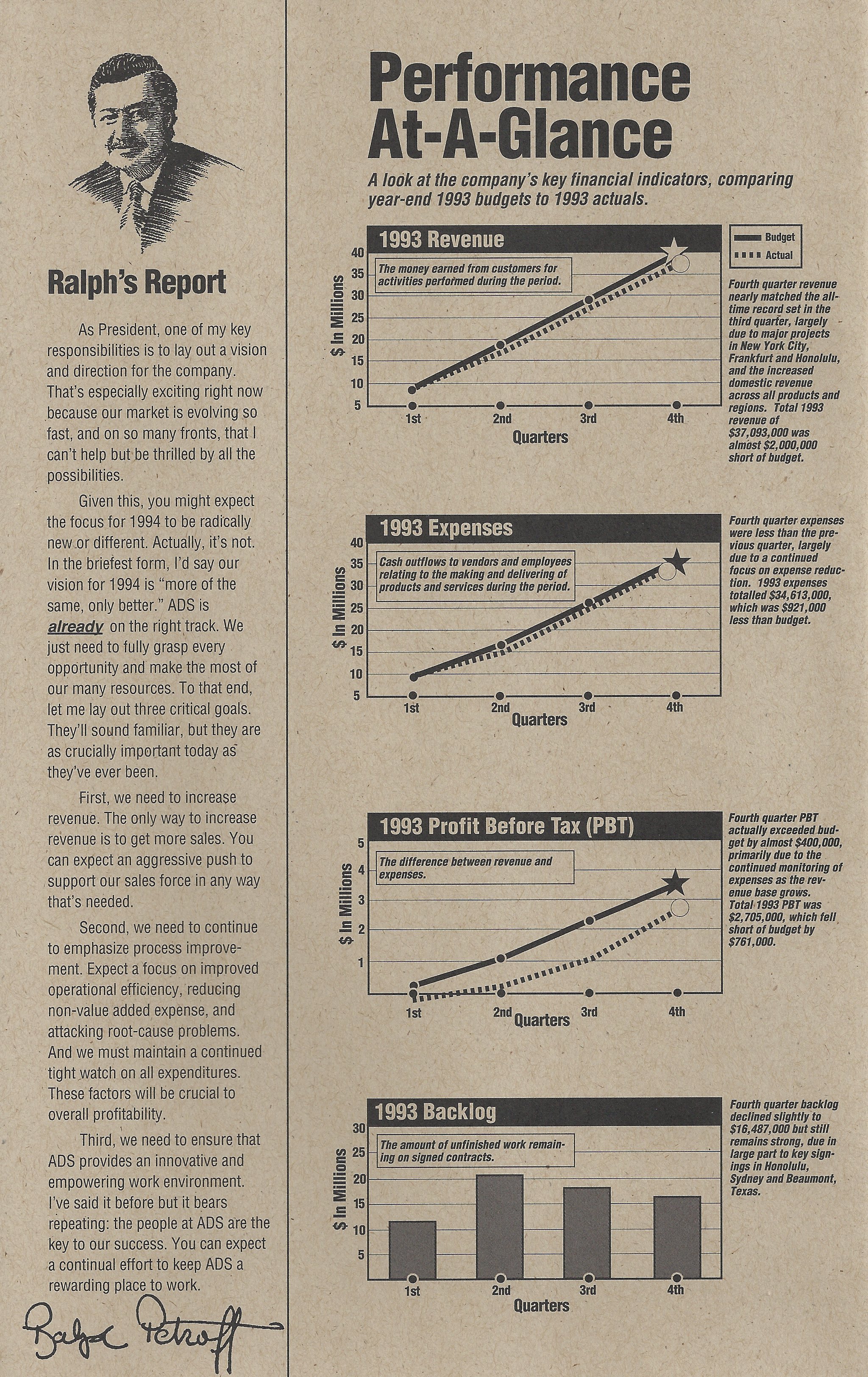
In 1975, Petroff and his sons founded ADS Environmental Services, a maker of computerised pollution monitoring equipment for the world market. He sold his interest in the company in 1995 but rejoined his sons as a consultant for Time Domain.
Petroff received numerous honours and awards throughout his professional career. His most unique distinction was to be officially declared an Enemy of the People by the communist regime in Bulgaria, for which he received a death sentence in absentia. The sentence was later lifted.
He continued his lifelong interest in boat design and naval architecture by renovating the Gemini II. The boat also served as the base of operation for Lee Taylor’s successful assault on the world water speed record on Lake Guntersville in 1967. In 1991, he moved the Gemini II to the US Virgin Islands. It was donated to charity two years ago and now serves as a floating orphanage in Central America.
In its obituary for Peter Petroff, The New York Times quoted Ralph Petroff, one of his sons, who said it was ironic that his father had died a peaceful death.
“He always laughed at danger and he laughed at death. He should have never made it to his 83rd birthday, let alone his 20th,” Ralph Petroff said. “I guess if you were to combine Indiana Jones with Thomas Edison, the result would be Peter Petroff.”
And his wikipedia entry:
Peter Petroff (Born in Brestovitsa, Bulgaria, October 21, 1919 – Died in Huntsville, Alabama, United States, February 27, 2003[1]) was a Bulgarian American inventor, engineer, NASA scientist, and adventurer. He was instrumental in the evolution of the NASA space program. Among his many accomplishments, Petroff developed the world’s first computerized pollution monitoring system and telemetry devices for the world’s first weather and communications satellites. Petroff helped develop the world’s first digital watch[1] and the world’s first wireless heart monitor, and many other important devices and methods. Petroff founded Care Electronics, Inc. which was acquired by Electro-Data, Inc. of Garland, Texas in the fall of 1971.
Petroff Point on Brabant Island in Antarctica is named for Petroff.[2]
References
- http://www.nytimes.com/2003/03/09/obituaries/09PETR.html The New York Times: Peter D. Petroff Dies at 83.
- Composite Gazetteer of Antarctica: Petrov Point.
Only as strong as our weakest link
I am back alone in the sunroom, meditating upon the organisation of states of energy that surround this structure and expose solar energy-converting appendages we say are green leaves.
When I sat down on my grandfather’s chair to write, I moved an instruction manual for a GWFSM4GP FMS GP Simulator to keep it from sliding off the fake mahogany Chinese storage chest, which in turn pushed a solar panel-charged battery compartment attached to two LED lights (i.e., solar spotlight) into a spider’s web.
The spider, smaller in total size than my thumbnail, spindly little thing, sometimes called a cellar or attic spider, started a gyration that caused the spider to spin like an acrobat in a sky-high rope dance, my own personal Cirque du Soleil performance.
There’s not a lot in the way of ready prey for spiders here in the sunroom so I often find the dead corpses of tiny spiders in dust-covered webs.
How much energy did that spider expend while pretending to be larger than it is in its circus act?
Dozens of trees, some only a few feet from our house, are large enough to cause significant damage to our domicile should they fall.
As I slip into meditative silence, I look back at the last couple of years of my life and marvel at yet another “midlife crisis” I experienced as I felt young again amongst the company of people in their 20s.
The world was mine, the universe a mere blip on the radar of territory to explore.
I wanted to shout from the treetops and sing in the shower.
But the moment passed and now I return to the simplicity of domestic bliss.
I see the fast-approaching date of my impending death and smile.
All is well.
I have achieved my personal goals.
I have enjoyed activities out of reach of my imagination.
I have helped send people into orbit of our planet aboard spacecraft.
Now I can meditate once again upon the happiness of being, no longer feeling inspired to boldly go where no man has gone before, content to watch blue-striped skinks skitter and scatter across hot asphalt roofs and a variety of spiders spread webs, hanging out and waiting for their next morsels, like me waiting for a thought to meditate upon in the World Wide Web.
Overthinking on the weekend
So, my wife jokes that she and I often overthink situations (such as my backyard privacy screen that I finally finished a year after designing a Rube Goldberg monstrosity and ended up with a simple double-thickness reed barrier).
But we drip tiny drops of Chinese water torture into a pail that pales in comparison to Roko’s basilisk — the thought that a future superintelligence will look back on those who did not help it exist or hindered its creation and doom them to eternal living torture!
Book titles we can’t wait to read…
“I was tailor made to be a trailer maid”
“Novel naval navel”
“An astronaut and his pet rock collection”
“Ten easy steps to avoid death for less than 100 million dollars”
“My TV viewing diary for the last fifty years”
“A Messi divorce: the demise of a popular futbol player”
“The evolution of the selfie”
Vocations through time
It’s vocation reminiscing week — today’s job well-remembered, if not remembered well:
working as an instructor for three terms/semesters for the vocational trade training business known as “ITT Technical Institute,” teaching incoming customers (i.e., students) about learning methods, Python programming language and SuSE Linux-based computer servers.

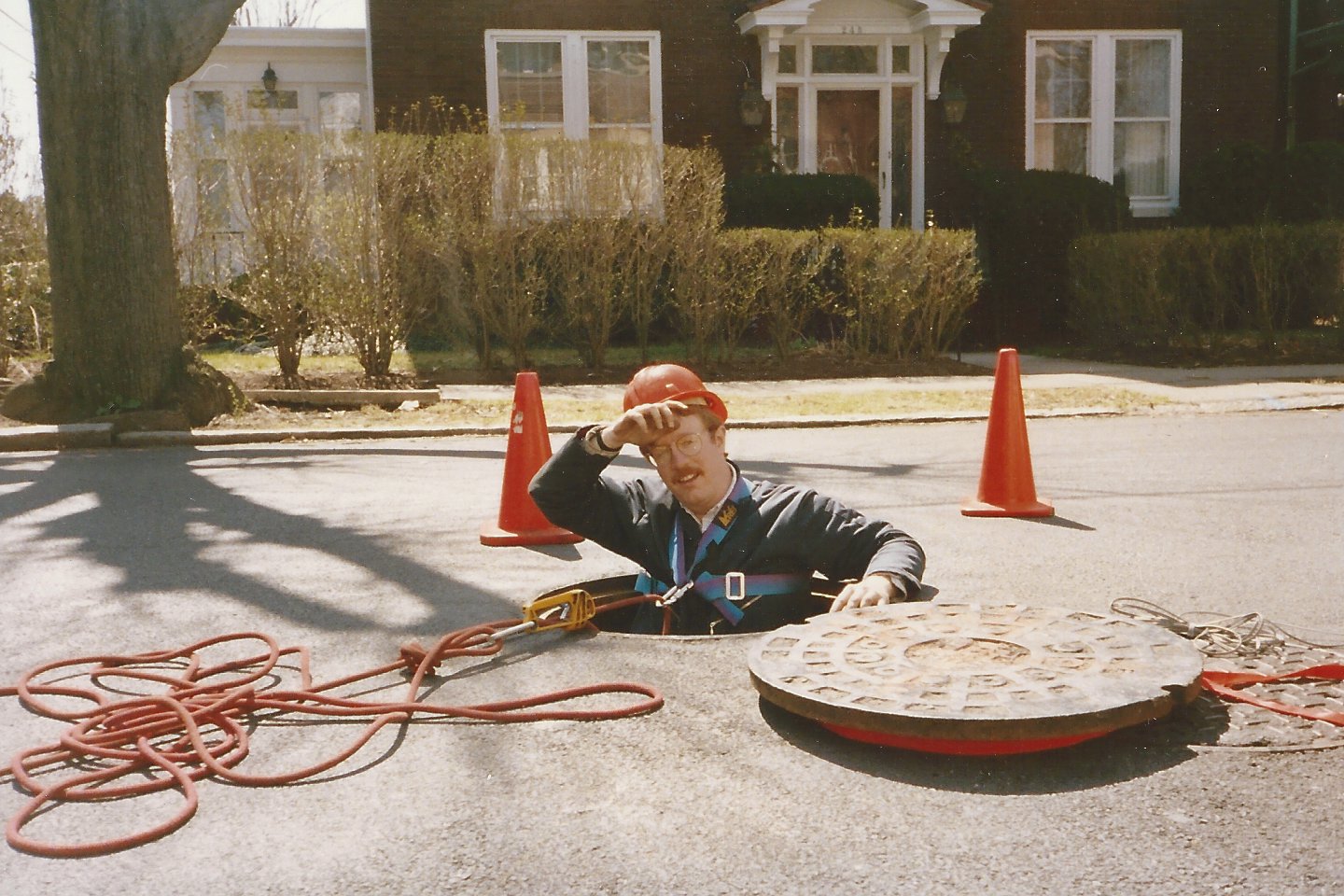
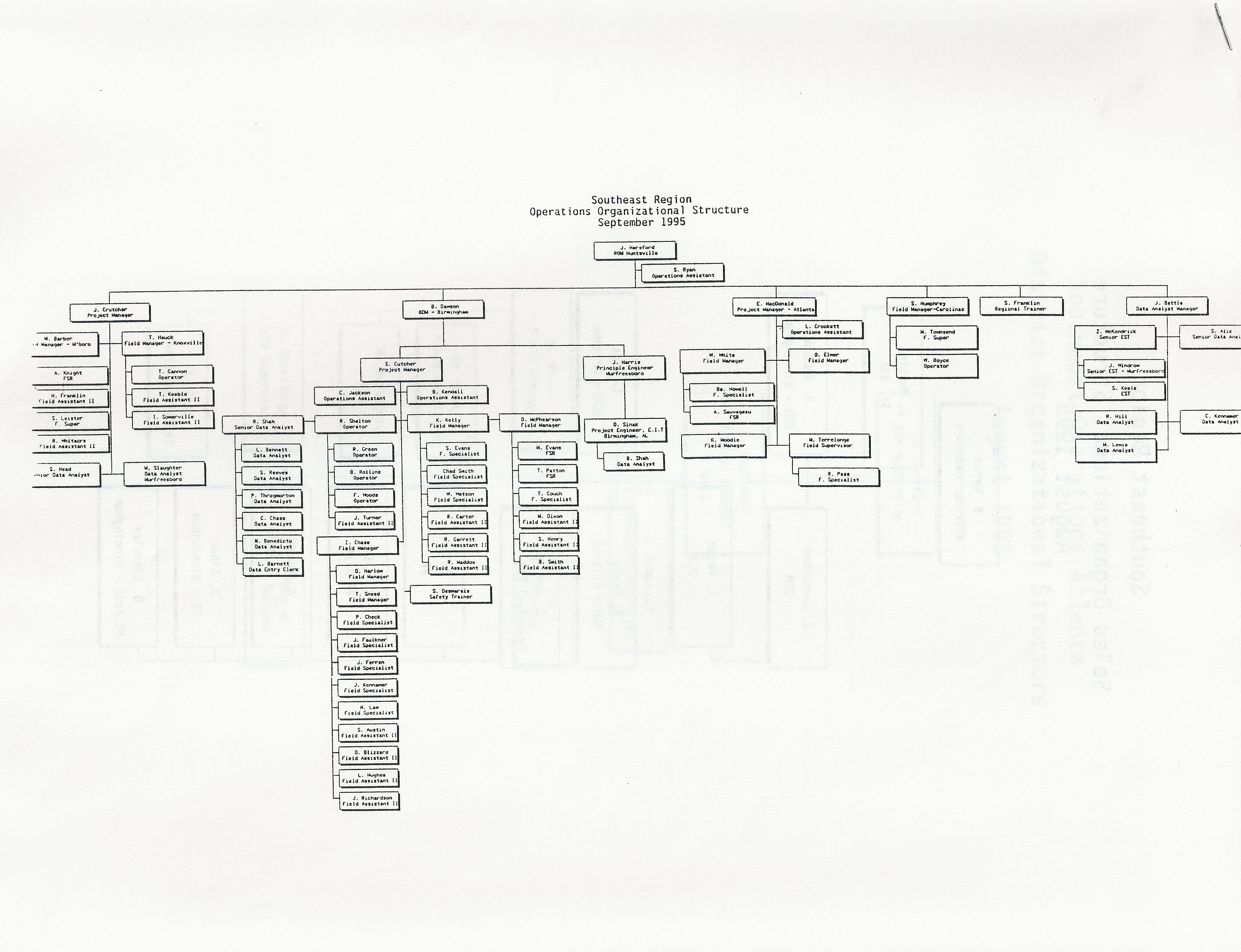
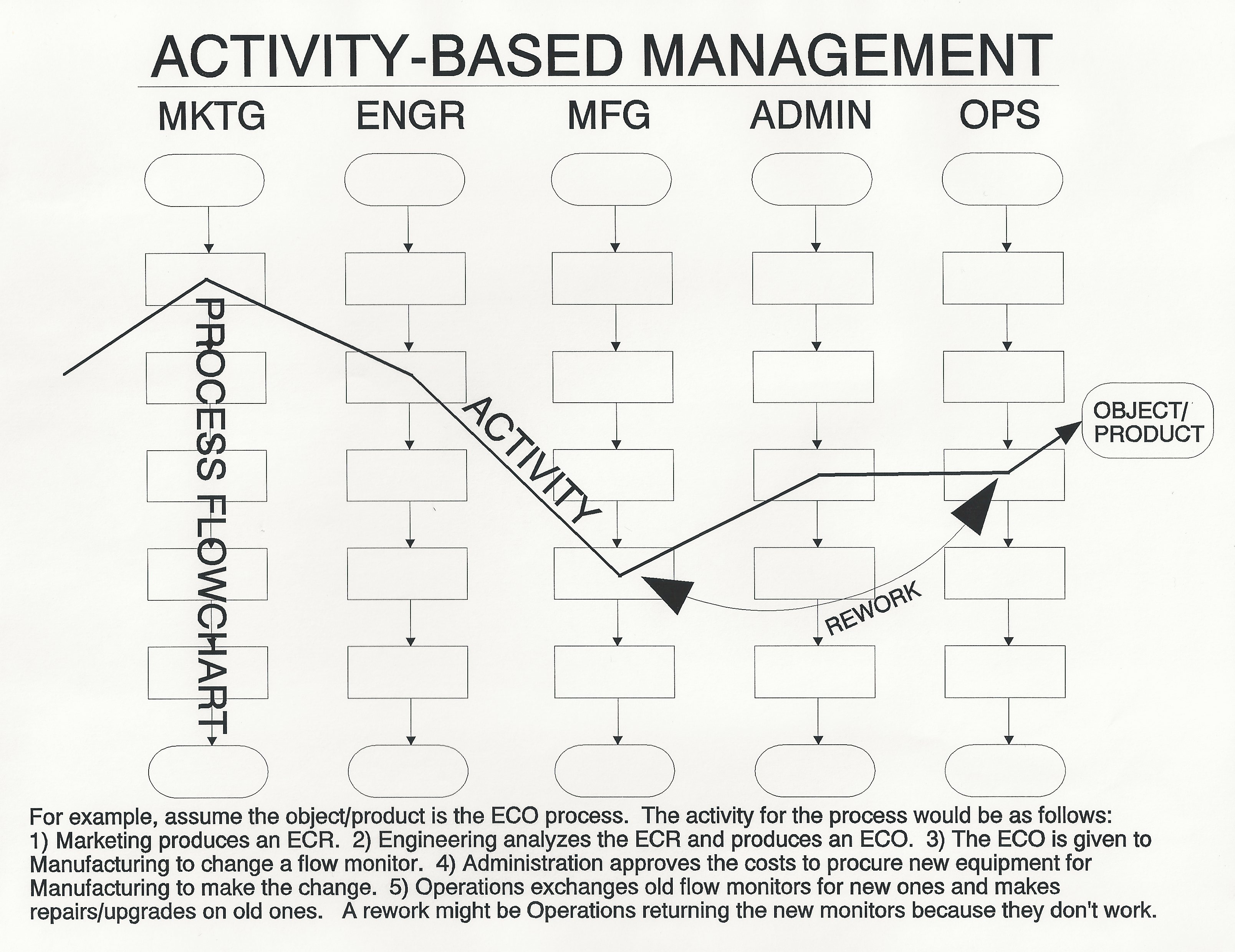
And one last glance back at my sewer flow monitoring job — while I was working with Rick and Adam, we moved on to Erie, Pennsylvania, for another temporary flow monitoring project. In the middle of the project, I flew down to Cape Canaveral to see my brother in-law’s experiment, called BATSE, catch a ride on a space shuttle launch, completing the circle for when I worked on the space shuttle main engine controller at Rocketdyne in the 1980s after the Challenger accident, which was even more fitting since the founder of the sewer flow monitoring company worked on the Apollo space program (he was part of the German rocket team designed the V2 rockets under the guidance of Wernher von Braun), turning the life science telemetry equipment from measuring astronaut blood flow into measuring the flow of liquid through sewer pipes — technology transfer! Meeting interesting friends along the way…

Deena Ramos, Klingon warrior, and her husband, James “Hardhat” White

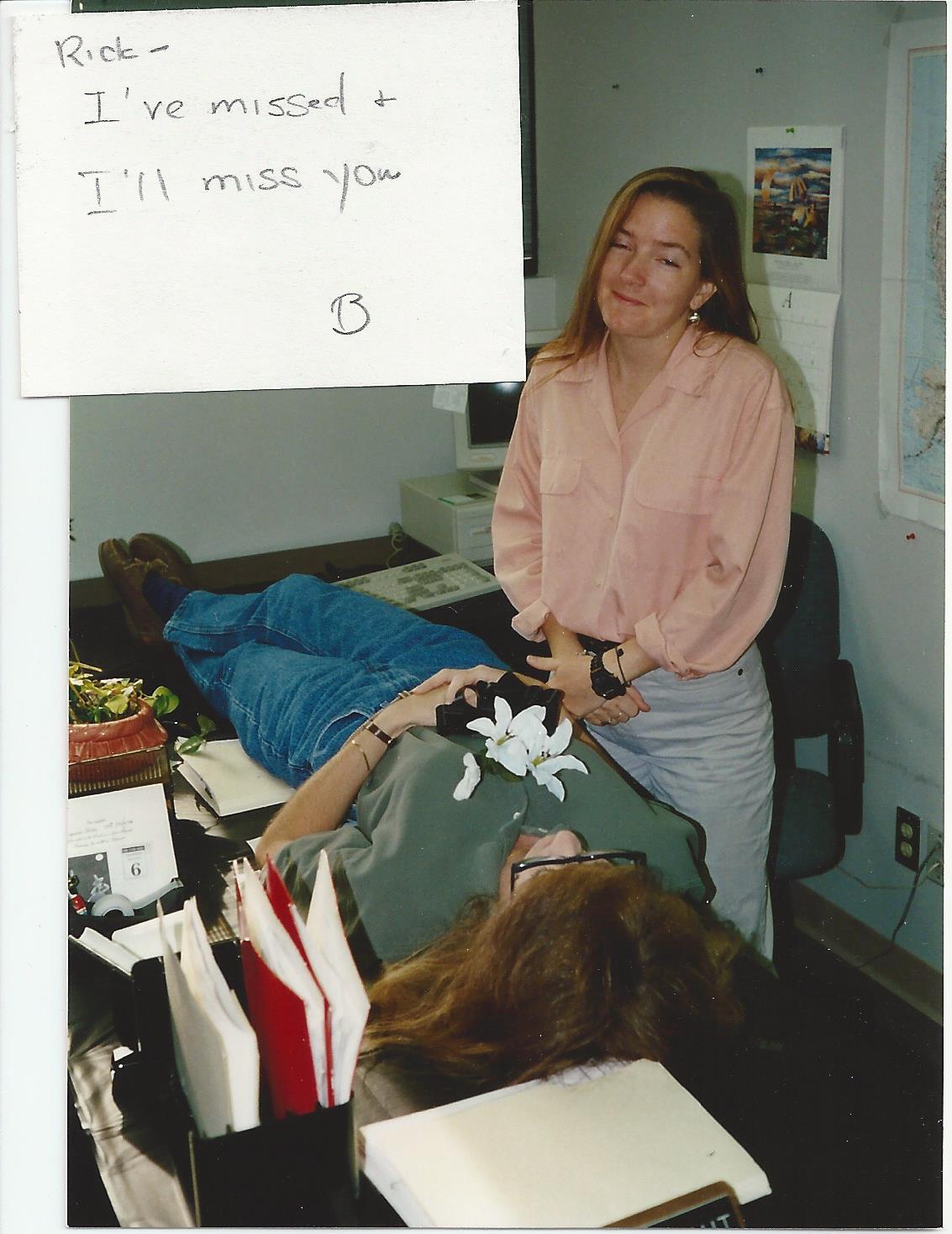
Dear Brenda, you were such a fun friend at the right time in my life…






Before ADS, there was my first real corporate office job, working for GE Aerospace on the U.S. Navy test equipment called CASS, to whom us humble employees were awarded coffee cups for a job well done!:




My meditation platform/treehouse

Prime treehouse candidate?
Years ago I planned a treehouse in our backyard woods and didn’t build it, which worked out well when a few tens of feet away a suburban tract/lot was cleared and a new house erected, eliminating conditions for a “alone with primitive self” meditative state.
I had barely explored our side yard for meditative contemplation until finding a burial place for Merlin.
Time to design and build a smaller version of the previous treehouse, a platform large enough for a seat and a place to curl up and nap, screened in from insects, arthropods, and other undesired surprise visitors 10 to 20 feet off the forest floor.
Will a cantenna WiFi antenna work with a smartphone? I still have the old Hitachi dish on the roof…hmm…
Time to eat lunch and contemplate the possibilities!
Two choices
In electronic communications, which choice would you prefer:
1. Censored and watched, or
2. Watched but not censored?
 treetrunkdings