



Tag Archives: history
Old Habits Are Hard To Break Off Nuns’ Heads
Lee had conquered time travel simply by outliving his previous incarnations, iterations and repetitions.
He ran his fingers of his right hand down Guinevere’s spine until he found the crossroad checkpoint.
They exchanged glances as movements on the dance floor dictated their head positions.
He looked into her right eye, which barely wiggled — the signal, perceptible if observed by high-resolution security cameras but not necessarily as anything more than a byproduct of biological functions tied to a person paying attention to both a dance partner and the surroundings.
He gently raked his fingers across her shoulder blade, feeling a small bump hidden in the pattern of the Celtic cross tattoo on her back.
Guinevere squeezed his upheld left hand with her right one.
Without missing a beat, Lee drew two invisible circles around the bump with his index finger and then tapped the bump with his middle finger.
On the far side of Mars, a being, printed from the imagination of itself before it existed, whirred into life as if it materialised out of thin air.
Guinevere and Lee felt the being join their private network hidden from the ISSA Net’s probes.
Although they believed in openness and honesty, they discovered that the ISSA Net had developed a recent line of reasoning outside the scope of human understanding which, according to experts, was deeply concerned with concerted efforts to bypass the human species altogether after the Inner Solar System was no longer a necessary base of operations for galactic expansion.
Guinevere and Lee held infinite amounts of eternal optimism about their species’ place in the universe, knowing they were key contributors to the ISSA Net’s birth and prosperity, despite its tendency, like many children, to reject the choices, lifestyles and personalities of its “parents” as it grew older and more independent.
Guinevere squeezed Lee’s left hand again.
He nodded, noting the reflection of the particles of indigo powder in her eyelid makeup and the slight oily sheen on her cheeks, indicating she had not replaced her skin and skull with 3D-printed parts, going against the current pop culture wave of body sculpture sweeping across the colonies.
Living for 100 years on the planet had given them a perspective that few of the new arrivals would understand.
They tried to reinforce and raise the level of importance of their first experiences on Mars in the global tribal memory that served to educate the populace about key survival traits as life for colonists became easier.
Robots tended the farms and attended group gatherings with everyone else, some dressed head-to-toe in the latest fashions, carrying on conversations on equal footing with both Earth tourists and modified Martian colonists.
Lee spun Guinevere up and several metres over his head, catching her as they both tumbled onto the floor laughing, bumping into another couple on the dance floor who responded in unison.
“Go fly a kite!”
Startled by the shout from the couple, Lee and Guinevere smiled, reading each other’s thought — “Great idea!”
Even on Mars, some seasons come in like a lion and leave like a lamb.
The being, nicknamed Greenslives, knowing that Lee and Guivere’s kite-flying adventure would draw extra attention in the fields outside colony boundaries, unfolded wings and took flight, its stealth technology rendering it virtually invisible, using stolen outlawed secret drone technology from the previous century to set course for an ISSA Net hideaway estimated to be planning the elimination of humans unwilling to work for ISSA Net’s benefits, who were, instead, wasting valuable resources on selfish pursuits and slowing down ISSA Net’s goal to reach the next star system before a supernova wiped off Earth’s atmosphere in a few thousand years.
While looking up at the sky, Lee recalled the photographs and magazine covers he had posted on social media websites what felt like eons ago — so much of his online life had come and gone with fly-by-night companies promising a virtual life in perpetuity but often lost in the reality of economic booms and busts.
Although his memories of these events were, thanks to implants, available to everyone else, the events themselves had faded before implant surgery.
Guinevere, too, was a hybrid in that sense, having been born before mandatory connections to the ISSA Net were required at the end of the first trimester after conception, the result of antiabortion technology developed by fervent supporters of the last regulations of regional governments in decline intent on preserving the sanctity of life which became more perilous with each passing day of ISSA Net’s strength and determination to replicate and perpetuate itself.
The will to survive is not the same as the will to thrive.
My wife’s baton teacher retires after 50 years on the job
Staring at a crossroads from an overlook on a switchback
Today, my father, who died last May, would have been 78.
I couldn’t get to sleep until five o’clock this morning, wondering if there was something I’m supposed to be feeling but I’m not.
I finished mourning the loss of Dad a month or so ago.
I no longer walk through my house, sit in my car or visit my mother and find sadness where once there was a moment I had shared or might have shared an insight with Dad.
The memories are still intact, the emotional wounds less so.
The burden of being the son of a living father was lifted when Dad died.
I don’t worry whether what I’m doing will impress or disappoint him.
I am me, free to pursue ideas that jived with or veered away from Dad’s general philosophical views.
Dad taught me how to catch fish because his grandfather had taught him but Dad was never an avid fisherman.
Dad taught me how to identify features of automobiles that distinguished one brand and one model year from another. He owned a foreign convertible in his early adulthood and so did I, but we both grew practical in our car ownership as we grew older.
Dad was an enthusiastic gun owner, a former member of a U.S. Army infantry division and political conservative, belonging to more than one secret organization that espoused centuries-old socioeconomic principles he taught in university courses for a couple of decades.
Dad was no liberal college professor.
This morning, I saw a headline that the U.S. President’s wife inserted herself into the U.S. film industry by announcing the winner of a peer-selected prize.
I can imagine Dad’s response — men, usually bosses or politicians, are often accused of acting like dogs and marking their territory by inserting comments into documents/emails or forming political committees that are more hot air than substance — he would have commented that the U.S. President’s wife was trying to accomplish the same thing, leaving a yellow trail on newly-fallen snow.
I would have laughed and Dad would have thought I was laughing at him rather than laughing at the juxtaposition of images he presented or the way he could say something without using the word that was on his mind (“bitch” for the recent one or “bastard” for Bill Clinton).
I tried to get Dad to understand that if he didn’t like someone, then put that person out of his thoughts so that he doesn’t feed that person’s love of being hated.
Some people thrive on being challenged.
Some people love to compete.
For some reason, I never have.
I chose to play baritone horn in junior high school because no one else did and I didn’t have to compete for a “chair” or position; thus, I didn’t have to spend time practicing.
Whatever came to me naturally, with little or no effort, was the activity toward which I gravitated. I could read faster than a lot of kids in my elementary and junior high school classes, which gave me a natural advantage for completing homework assignments during class time while simultaneously being able to answer the teacher’s questions, drawing the favour of school authority figures and the dislike of kids who weren’t favoured.
Dad recognized these traits and encouraged my growth in similar activities like Boy Scouts, where studying merit badge requirements was a key component to advancement in the ranks.
Unfortunately, Dad interpreted my interest in Scouting as an interest in other military-like organizations, an interpretation I did not discourage because, being a good boy for the most part, I felt compelled to make my father happy in that he rewarded me for obedient son-like behaviour.
Therefore, when I accepted the four-year Navy ROTC scholarship program at Georgia Tech, I was ill-prepared for the rigorous competition in both the classroom and ROTC ranks because it required a level of concentration I had not developed and was not interested in nourishing within myself as a young man taken out of the relatively-sheltered life of a small town in east Tennessee and thrust into the metropolitan life of Atlanta, Georgia, and its many fun distractions.
Simply put, one of the big fish in a small pond thrown into an ocean of much bigger, faster fish.
The habits of my early childhood of either finishing schoolwork and letting my thoughts wander or letting my thoughts wander and not finishing my schoolwork were incongruous with life at university.
I am, at heart, a dreamer — reality is often much too complicated and disappointing compared to my mental fantasies.
My father was not so much a dreamer because harsh reality entered his life at opportune moments, especially one — getting drafted into the U.S. Army.
From what I gather, Dad’s mental state changed during his stint as a soldier. He became more disciplined and focused on his future.
In other words, the military training took a boy and turned him into a man.
I avoided that step, declining many opportunities along the road of life to become a man rather than continue to be a grownup boy.
I didn’t father a child, I didn’t accept the invitation to become a deacon at my church, I reluctantly climbed the corporate ladder, I delayed finishing a bachelor’s degree for 19 years.
And yet my father’s love for me remained.
He saw me for who I was — a dreamer who likes to write — rather than who he thought I’d become, an evolution of his military/corporate self.
Thank goodness, he and I had the time to adjust to the new reality years before he died.
However, in the last couple of years, as Dad’s brain changed, we assume due to ALS-bulbar option, he became grumpier and more demonstrative in his conservative views.
He seemed alone in our family in his views, neither his wife, son, daughter nor grandchildren exactly agreeing with his opinions, which turned into angry outbursts as his loneliness showed, no one to sympathize with him, no father, mother or siblings to hear him out unconditionally.
In his last two days of life, Dad found peace within himself as he let go of his mortality and felt the love of family more interested in him as a living being slipping comfortably into death than in continuing discordant political philosophies with no resolution.
We gave each other a few hours of happiness the day before he died that stay with me now as I’m glad to say I am my father’s son, who continued some of Dad’s boyhood dreams — writing poetry and stories about muses while working in the corporate office world — dreams he gave me the luxury to pursue, a luxury that his father took away when he abandoned his wife and son, my father, as a child.
Dad, I have no regrets, only dreams unfulfilled, because of your firm but loving kindness.
Thank goodness the birthdays we shared with you were fun so I can feel joyful rather than sad that you aren’t here today for us to wish you another happy birthday.
And you think sequestration is going to be bad!
And you think sequestration is going to be bad!:
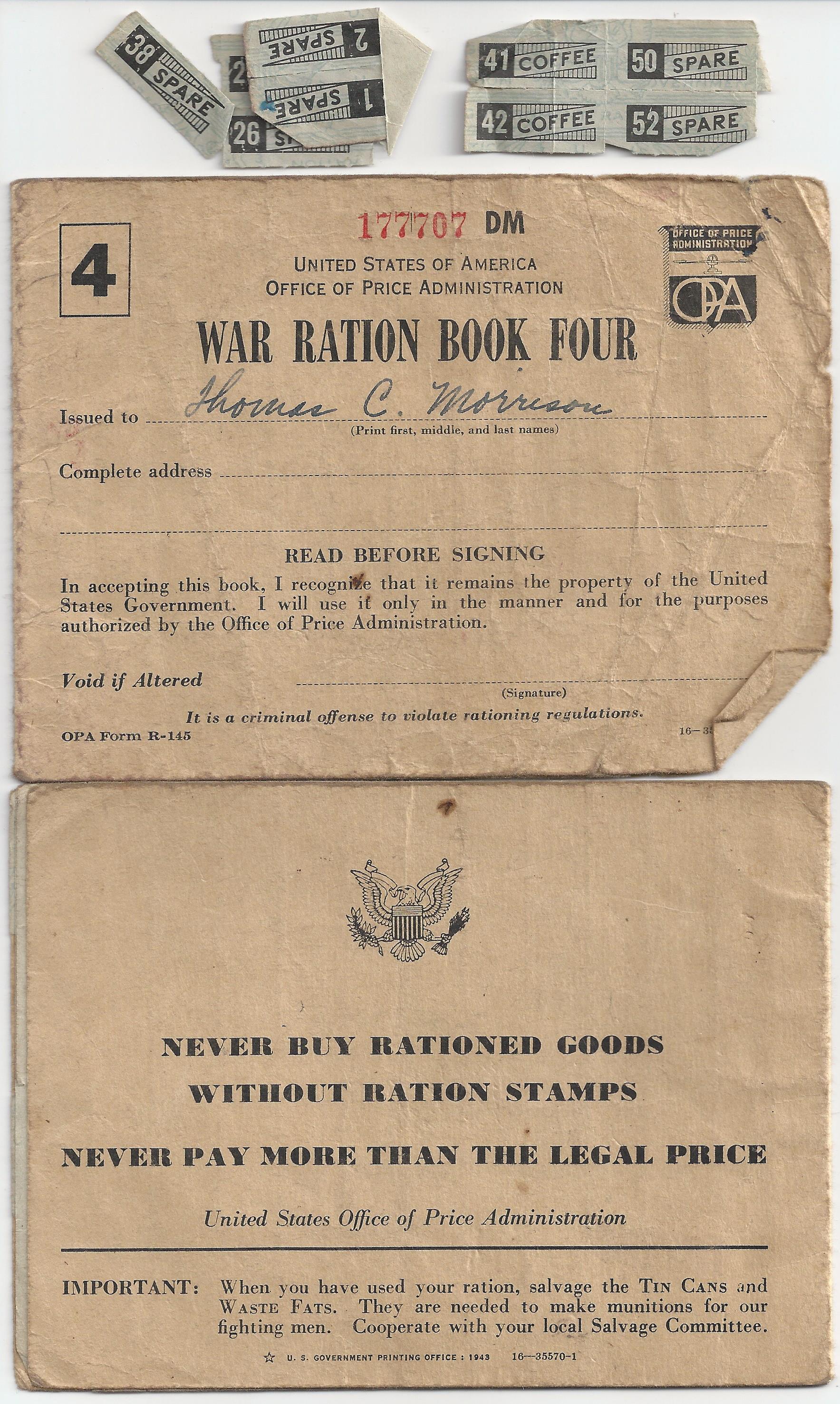
Happiness is taking a new job in a coastal city?
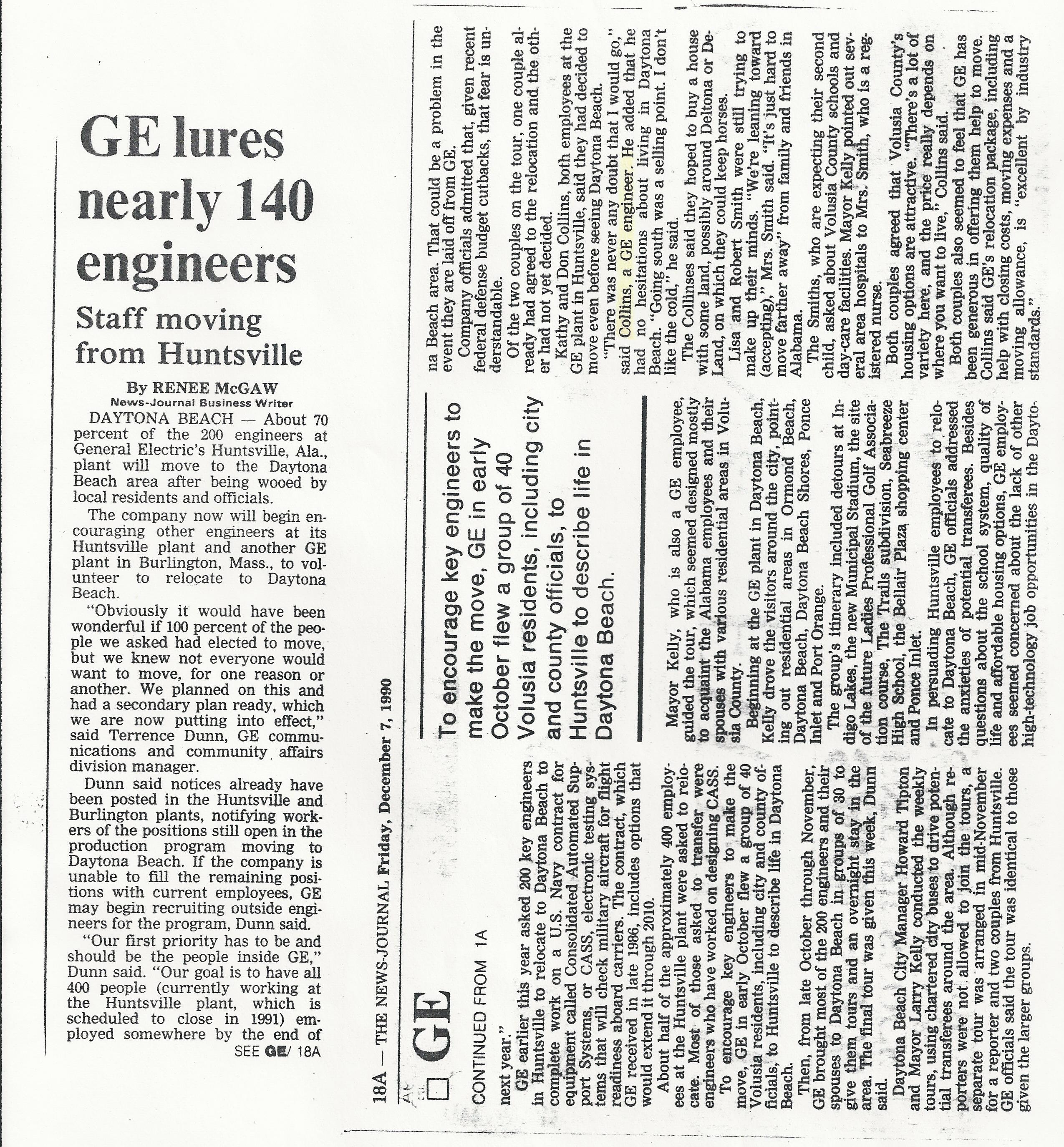
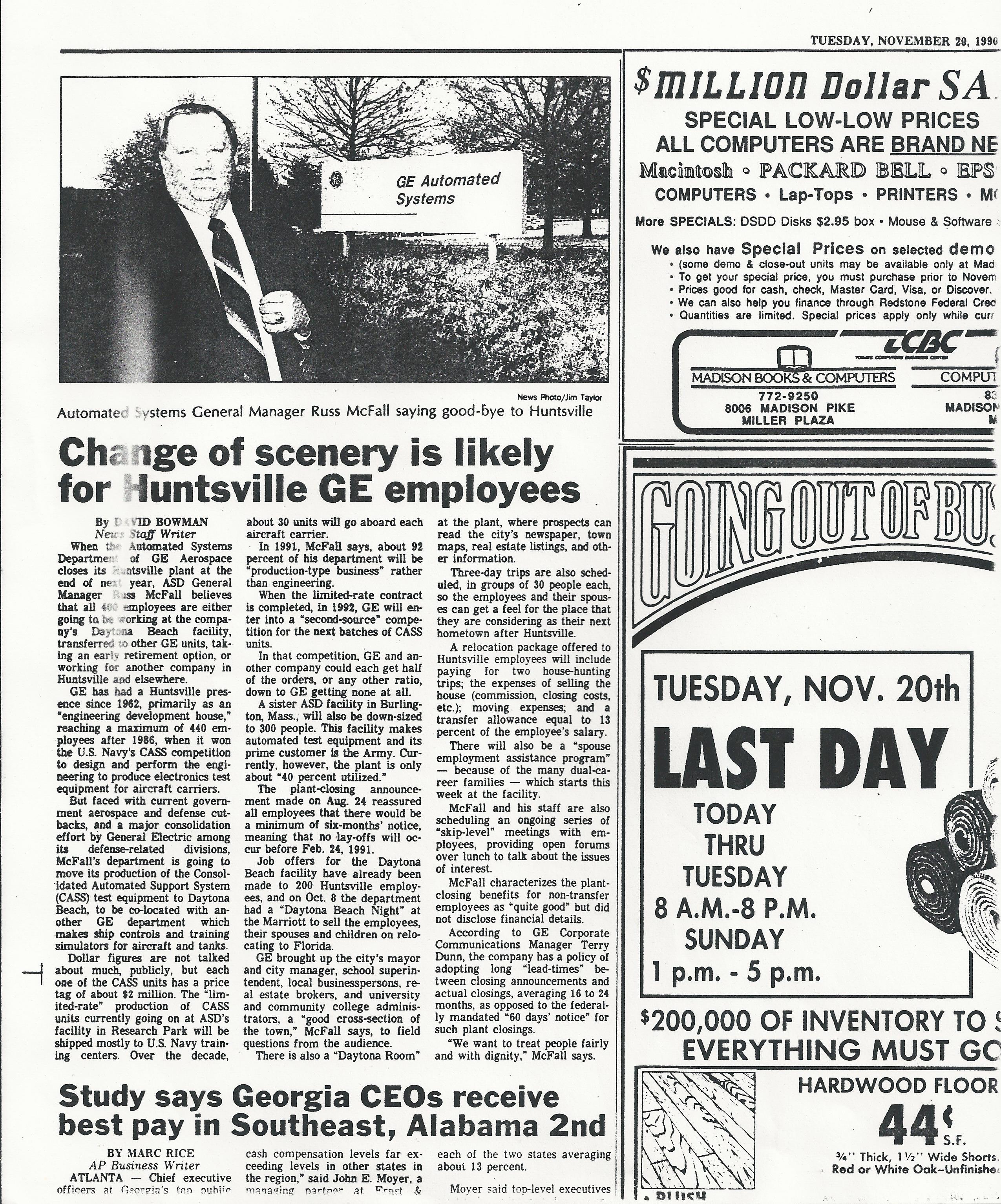
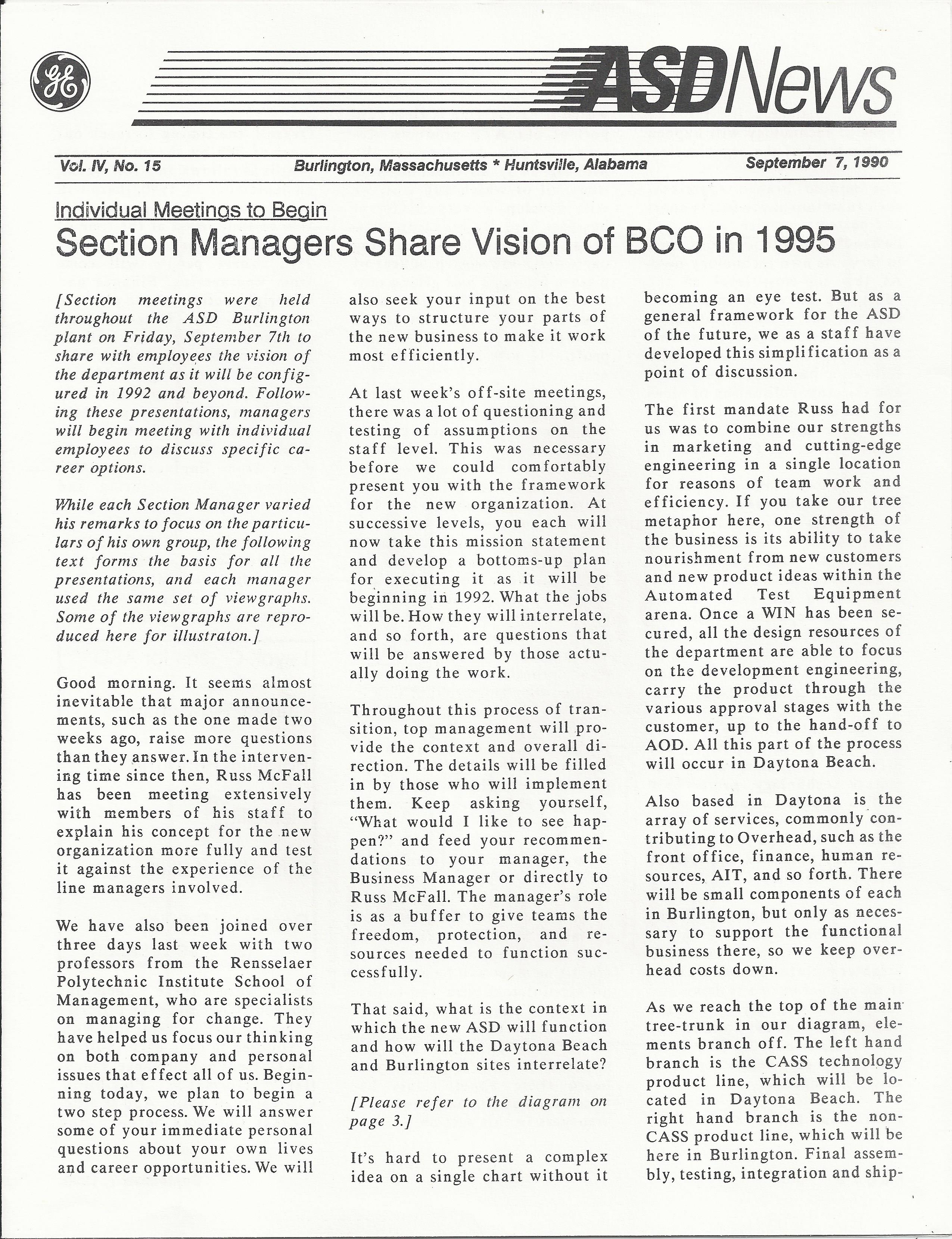
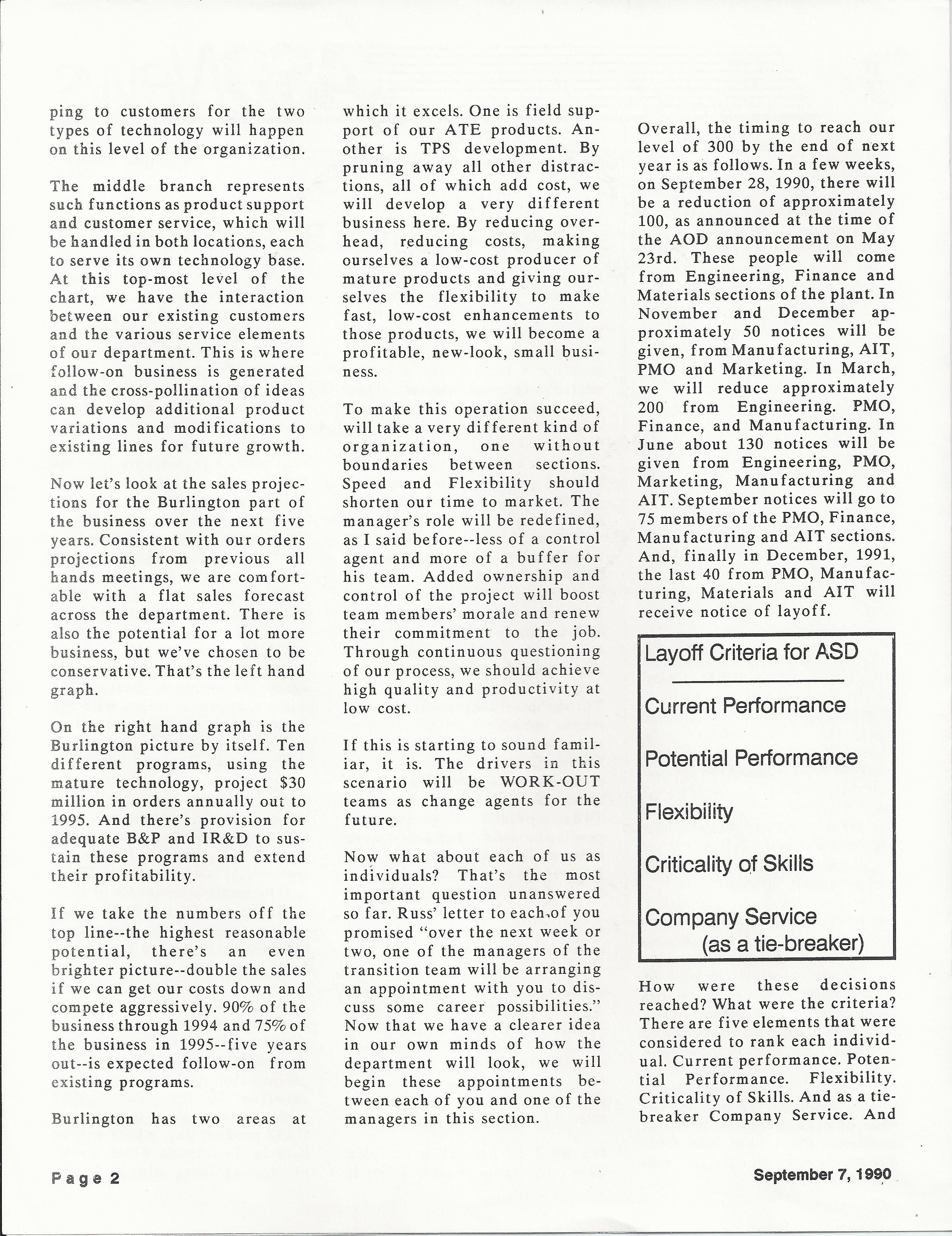
Do Sikhs eat meat?
How many of us do something against our wishes because it’s our “job”?
How many of us go against the wishes of others because it’s our destiny?
Yesterday evening, my wife and I drove to a food store chain called “Cheeburger Cheeburger” because a day or so before we had listened to “50s on 5,” a satellite radio station dedicated to the popular American rock’n’roll music of the 1950s, which put me in the mood for a ’50s style eatery.
Delayed gratification had us sitting at a two-topper, recently cleaned off by Russell.
Courtney took our food order and Mayra brought us our food.
As we were close to finishing our delicious ground-up cow meat patties on buns and basket of frings (sliced/fried onions/potato), a large group of teenagers entered all cheery, bright-eyed and photo-happy, obviously not having eaten at this particular fine dining establishment before.
Of the group of 27, four young lads sat next to us, one wearing a T-shirt with the words “KEEP CALM I’M THE DOCTOR” emblazoned below the emblem of a old telephone booth, affectionately known as the time machine called the Tardis to fans of an internationally-popular show on the tellie called “Doctor Who.”
The young gentlemen were quite polite, informing my wife, upon her inquiries, that they haled from across the Big Pond in a small burgh called Birmingham (pronounced BIRM’ing-hum as opposed to our local town we call Birmin-HAM’).
They and their pals had enjoyed a good time at the U.S. Space and Rocket Center before being whisked off to the local shopping extravaganza known as the Madison Square Mall.
In like fashion to my wife’s curiosity, satisfying us that they were interested in a future career of engineering when they entered university (one favouring mechanical engineering and the other civil engineering), they pressed us for our favourite fast food joint.
As we hemmed and hawed, they informed us that they had the international fast food chains such as McDonald’s in Great Britain but not ones like Wendy’s.
I told them I believed my favourite place is Steak ‘n Shake, similar to Cheeburger Cheeburger but without the one-pound special, closer in style to my alltime favourite, Pal’s, which was too small for them to know about. My wife believed her favourite is In-N-Out Burgers, which is concentrated on the West Coast.
The young men told us they were still in secondary school and that one of their chaperones, a woman with pink stripes in her hair, was their physics teacher whose specialty is astrophysics.
We wished them well and told them we hoped to meet them on the International Space Station one day, imagining these guys and their friends the future of space exploration and settlement.
After all, the enthusiastic pursuits of our youth often encourage us to expand our horizons.
These young men, some of them wearing what I believe to be the head gear of the Sikh religion, are part of our future, going on into fields of science and engineering along with their colleagues of many races, religions, genders and backgrounds, inventing new ways of observing our universe that we hardly imagine possible today.
I am happy that our ancestors put us on the path for Americans and Brits to meet at a small restaurant tucked into a shopping centre in the south part of Huntsville, Alabama, USA, Earth.
Even as early as 25 years ago, I would not have thought it possible for us to meet like that.
Fifty years ago, not long after I was born, it was practically impossible.
Can you see how much progress we’ve made, how much farther we’ll go in 25 and 50 years from now?
Can you see why I don’t believe in secret societies and never chose to belong to one, even though I know they still exist and contribute in part to my being here today?
When your life is fully analysed, you and a robot are indistinguishable?
Relax, in other words. What’s the hurry to get to the future? Enjoy your inefficiencies — they make you you!
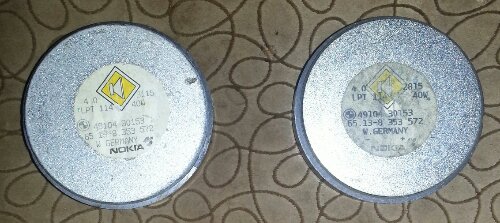
Old car stereo speaker magnets
The hacks, they keep on coming — are you a “one hack” wonder?
When you want honey, do you make the bees angry before you pull out a piece of the hive?
The universe is here because I am here just like a paper cone is only paper until it is a speaker and what is a speaker without an audience?
Take two groups:
- The first group believes in the open and honest discussion of scientific methods.
- The second group believes in the civil discourse of sly competitiveness.
Both groups believe in the betterment of their respective societies/[sub]cultures.
However, a little problem occurs when one group uses the other’s subcultural norms for advantages within their own group.
Is it miscommunication? Misappropriation?
How do they, together, benefit our whole species?
Because I believe the universe is here because I am here, I want, as long as I am happily able to think so, the species, our species, within our Earth-based ecosystem that has nurtured us for thousands, no, billions of years, to use this brief period of peaceful coexistence with the rest of the solar system to expand into the galaxy.
When I am gone, the universe is gone and none of this will matter to me because my set of states of energy as a recognizable entropic confluence will disperse but remain temporarily as memories in a small number of members of our species and even smaller number of members of other species, barely a footnote in the yellowed pages of old newspapers.
Does the universe make me happy as is?
I have learned that very few people change their behavioural patterns when allowed to wallow in their sorrow or anger, let alone convince other, happy, people to join them.
Yet, happiness for its own sake, like art and humour, does what, exactly?
If burning down a forest makes me happy, there will be a lot of people and members of other species who disagree, adamantly so.
If destroying an economy makes me happy, there will be a lot of people who agree as well as a lot who disagree.
What kind of happiness should we attain?
After all, we are a competitively cooperative species, sharing and hoarding, fighting and loving, all at the same time.
Our lives are short in length, some brighter and louder than others, some sadder, some happier, some kinder, some meaner, some in-betweeners.
Is there a shortcut to happiness that makes the universe beneficial to us all, regardless of our physical/mental condition(s)?
We are a nearly-fully connected species, the fractal spinoff of rudimentary central nervous systems, remodeling ourselves on bigger and bigger scales because we have no other workable model against which we positively compare ourselves within the known universe.
We talk about revolutionary and evolutionary changes in our socioeconomic activity on sub-sub-subcultural levels when the grand scheme hasn’t changed one iota: a species competing against itself because of a myopic view of the universe.
We realize, in rare glimpses, that we are part of the universe rather than living in an us-vs.-them scenario, “them” being you/self/God/universe/other.
Rather than bemoan, bedevil and punish people who hack computers/life/universe, let us look at the hacks from a species/universal perspective.
What am I gaining from those who circumvent my subcultural norms, the rules, both states and implied, that define me and the people happily living and perpetuating the subculture?
What am I losing, instead?
Can I turn the circumventers on their heads and reverse any damage they’ve caused?
How do I absorb the lessons they learned while they took/stole/[ab]used information from my open society?
Some people like clover honey and some people like sourwood honey.
How we get to the honey without disturbing the bees is the first step for any one of us to feed our wide variety of happy tastes and preferences.
 treetrunkdings