Sobjectification

Sobjectification : (n) feeling sad that you feel bad about yourself for sexually objectifying people around you.

Lee’s body was shaking, his shoulders aching.  He woke up at 2:12 a.m., feeling aroused and disappointed.  Why had he objectified the women in his life yesterday, the old defense mechanism that almost went away but showed up again unannounced?

His body only shook like this when his set of states of energy were rattled severely — at the end of running a marathon on a 25 deg F day, the first time he kissed a woman and the first time he kissed a man, the first interview for a real desk job, the first time he made love to a married woman, standing in a funeral home parlour greeting friends and family of his dead brother in-law.

At his age, shaking could be the early signs of many neurological disorders, not just psychoemotional moments.

Lee’s chest felt like a tree trunk being struck by a hammer.  He needed something to calm his nerves.

He turned to the script to check where in the current round of world politics his thoughts were supposed to be aligned…

23 November 1957. Open Letter to Eisenhower and Khrushchev by Bertrand Russell,” published in the New Statesman, followed by a response from Nikita Khruschev on 21 December 1957, with a reply on Eisenhower’s behalf by John Foster Dulles, published on 8 February 1958.

Lee’s shudders got worse.  He wasn’t supposed to see he was stuck in an endless tape loop, the sound quality deteriorating playback by playback, his thoughts disintegrating into repetitious nonsense.

Shouldn’t he care where he stood on the alpha male hierarchy of his times?  “To know is to do” he was told by the advice of history.

If the universe was here for Lee’s entertainment, why wasn’t his body as entertained as his pondered theories of social engineering?

Why did he revert to objectifying women’s bodies just when he was making a breakthrough?

Why did he let his wife’s withholding of her body for sexual activity influence him in any way, make him feel unwanted, unused, unworthy of attention by the opposite sex?

Was his body’s uncontrolled shivering related merely to caffeine withdrawal?

Yesterday, Lee was sitting in a room with his wife and two people interested in closing a deal to manage Lee’s finances for the rest of his life, taking his hard-earned millions and returning to him an annual “salary,” pension or annuity as a monetary security blanket to hold until he died, depositing his funds in a bank that contains the wealth of others in the entertainment business, from Hollywood to Nashville.

Money had no meaning to Lee.  Never had, never will.  He only understood purchasing power.

Money never bought Lee happiness.  Lee was always happy in his pursuit of knowledge to aid his quest to reorder the words in his vocabulary, long ago knowing that something as mundane as the changing patterns of dust on a wall could entertain him for days.

Money bought Lee new knowledge — he could overwhelm his senses with knowledge or he could add to his knowledge base one coal pitch drop of tar at a time.

Nervousness had crept into Lee’s thoughts yesterday that he had shifted into the habit of sexual objectification to give himself the false impression he was above the petty feeling of being nervous, one of his passive-aggressive attitudes he wanted to change.

What if he had told the investors that he was nervous about his life’s fortune being managed by complete strangers and hadn’t turned to seeing one of the investors, who happened to be female, as sexually desirable at the very moment he needed to concentrate on third sigma distributions of financial risk management and Monte Carlo simulations?

What if he had told his dance partner, who complained of aching body parts, that he wanted to say he’d rub her foot if she’d rub his because his foot was really hurting but he was afraid admitting his foot hurt would sound like a weak excuse and worried, too, that the request to barter one foot rub for another due to his lack of cash fluidity would be mistaken as a sexual come-on because he couldn’t get the confusing sexual objectification out of the thoughts of the new Lee?

Self diagnosis of one’s thought patterns in the mental game of self therapy could or could not be as slow or fast as professional psychosocial therapy.

Lee was a cheapskate.  His visions of life were not grand enough to include hoarding vast sums of institutional level financial security.  He knew he had to depend on someone else’s financial expertise to keep him out of debtor’s prison but it didn’t mean he had to like the idea or be able to sleep fear-free at night.

How was Lee going to deprogram his sexual objectification when he was nervous?

He finished a mug of Earl Gray tea, never quite sure if the caffeine calmed his nerves, his writing calmed his nerves or if an unknown script writer gave the actor Patrick Stewart a character named Jean-Luc Picard who moved a lot of people to drink Earl Gray tea because they really believed that they themselves discovered it tasted better than other flavours of tea, coffee or sources with “natural” stimulants.

Lee mentally apologised to the women he saw yesterday, setting in motion his newly-minted curmudgeon self to tell the next woman he saw, “Look, I’m a bit nervous.  Either I can share with you what’s really going on in my thoughts right now, which are really not socially-kosher at this moment, or I can stare at your boobs and ass.  It’s your choice.”

Suddenly, an image of the J.K. Rowling character named Dobby riding a wrecking ball while nude and speaking Russian passed through Lee’s thoughts.

Lee smiled, the shaking subsided but not completely gone.

History may repeat itself but Lee was going to enjoy the ride, even if it meant he was going to throw up because he was dizzied by the scenery flashing so quickly through his thoughts.

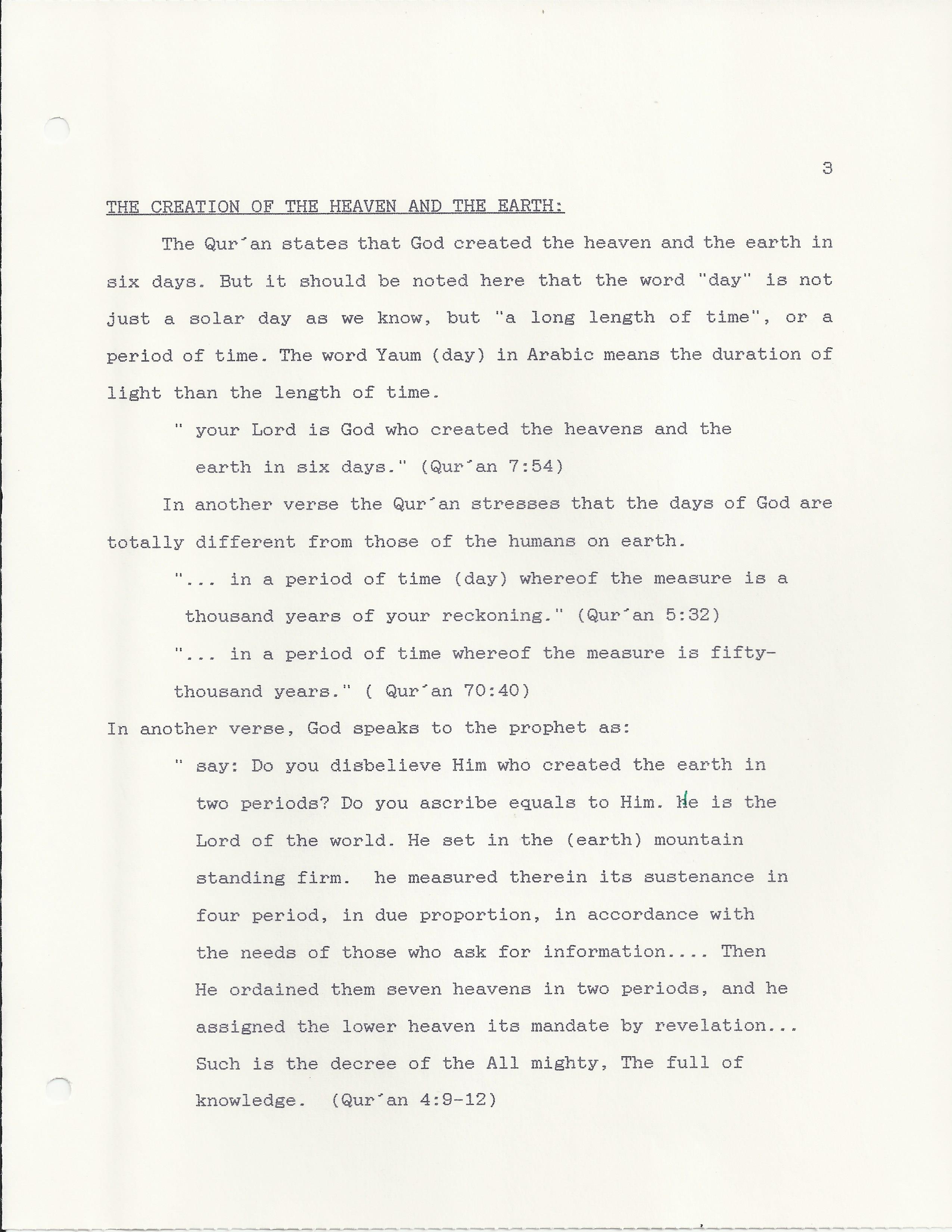
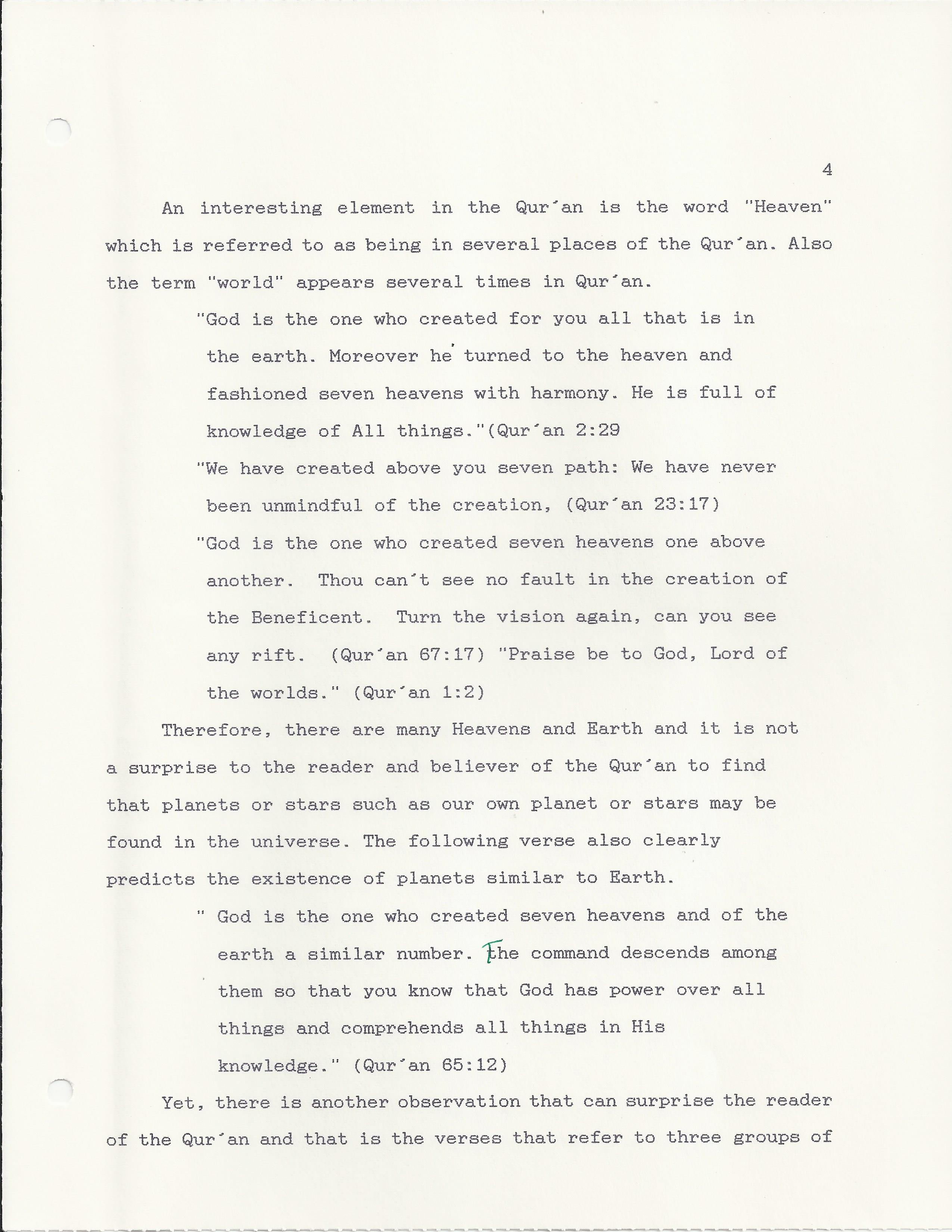
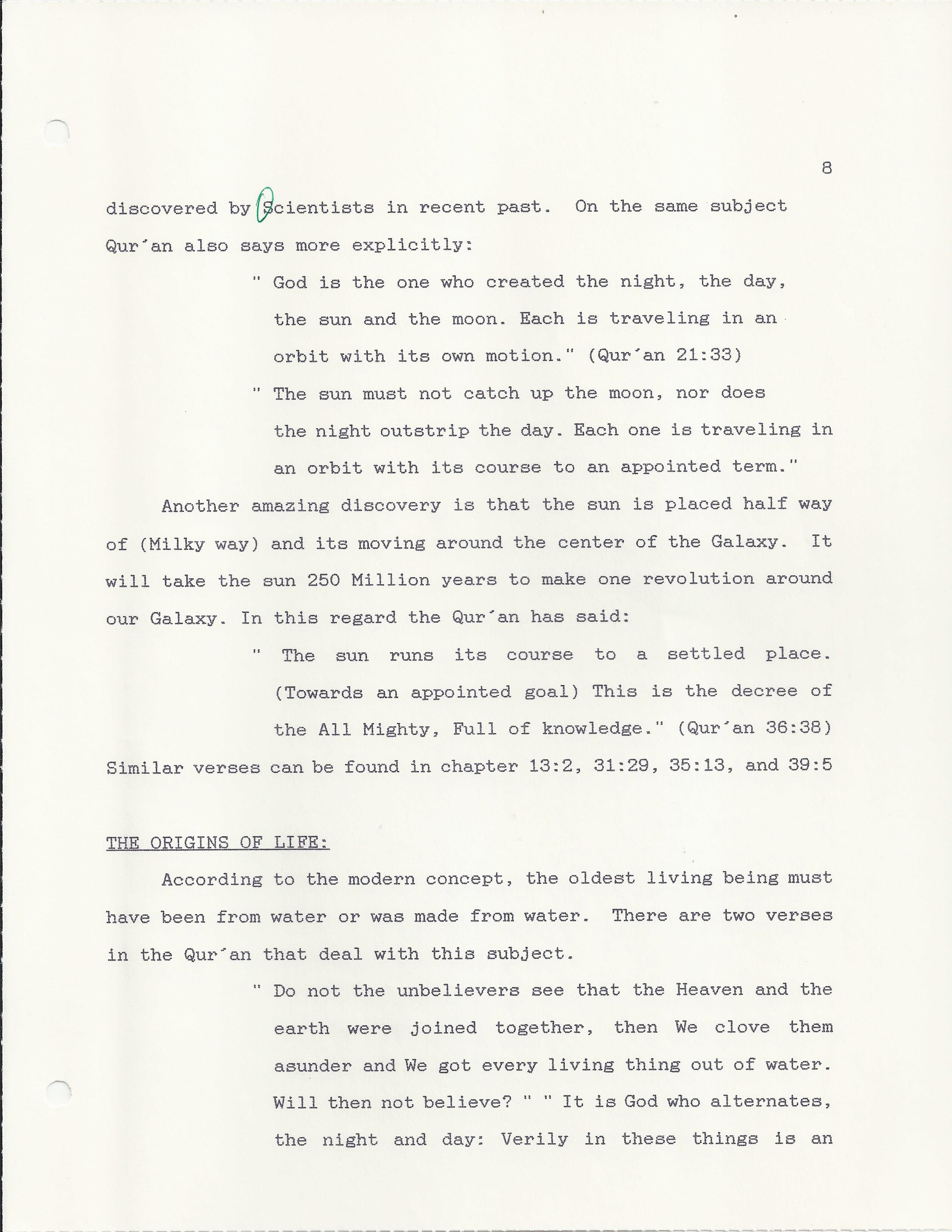
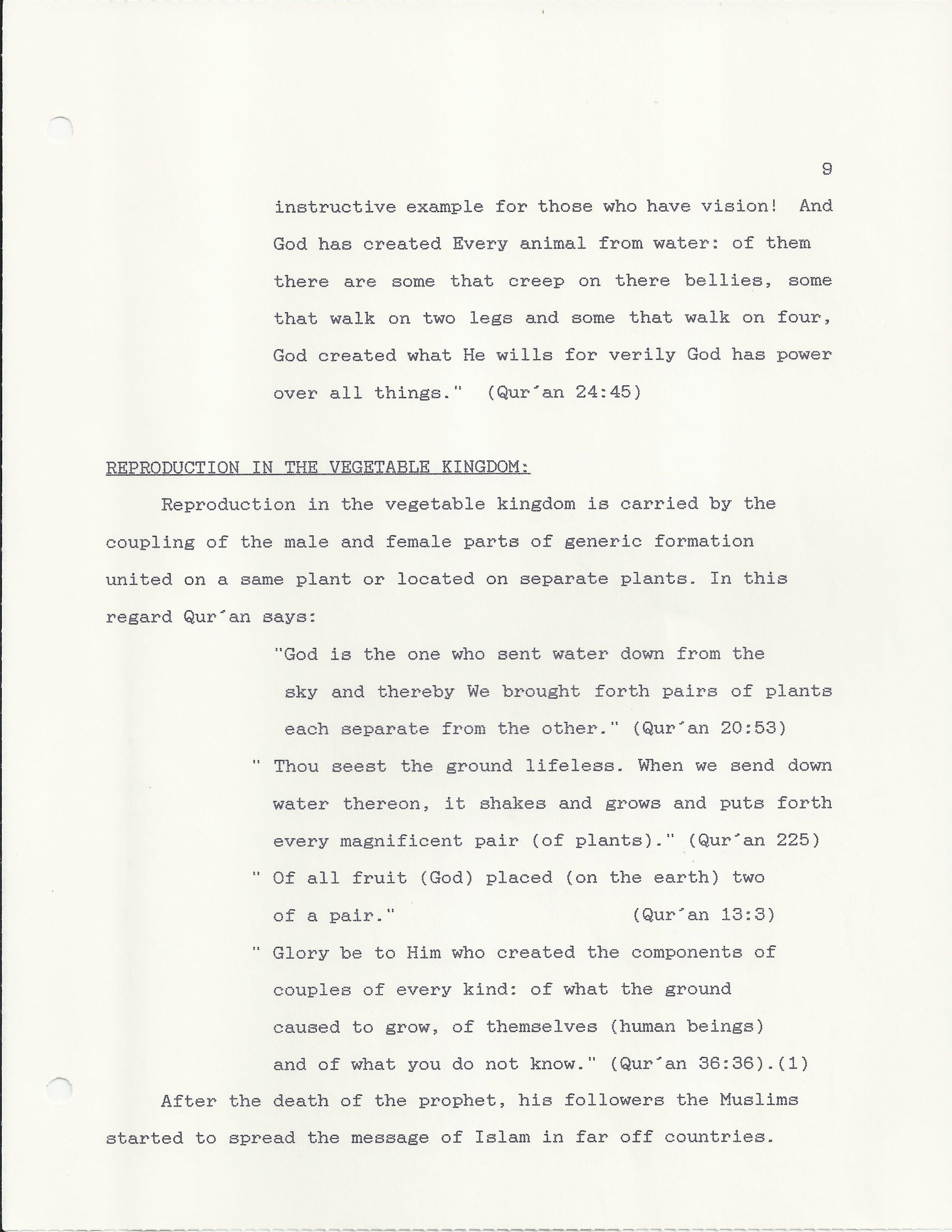
Found in my father’s papers

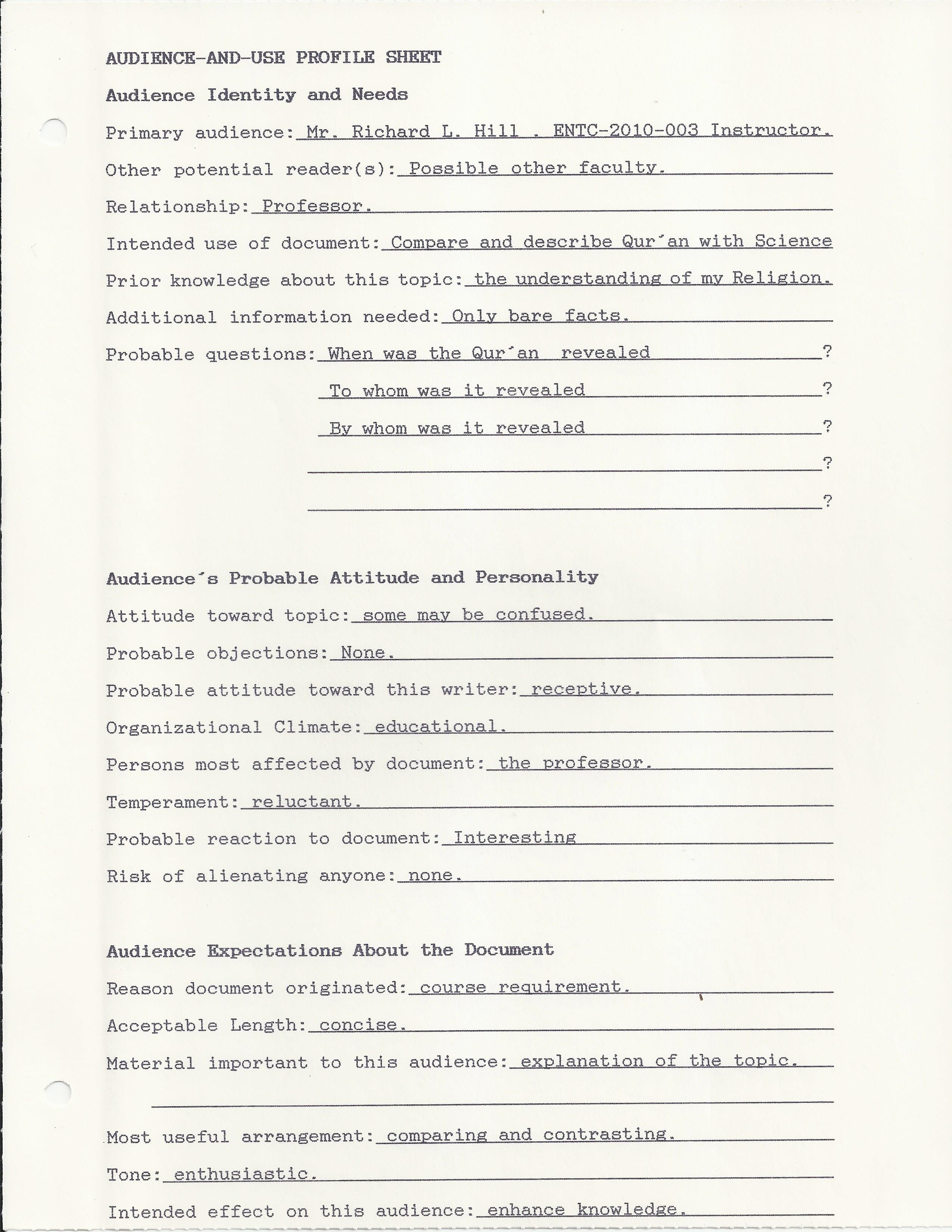
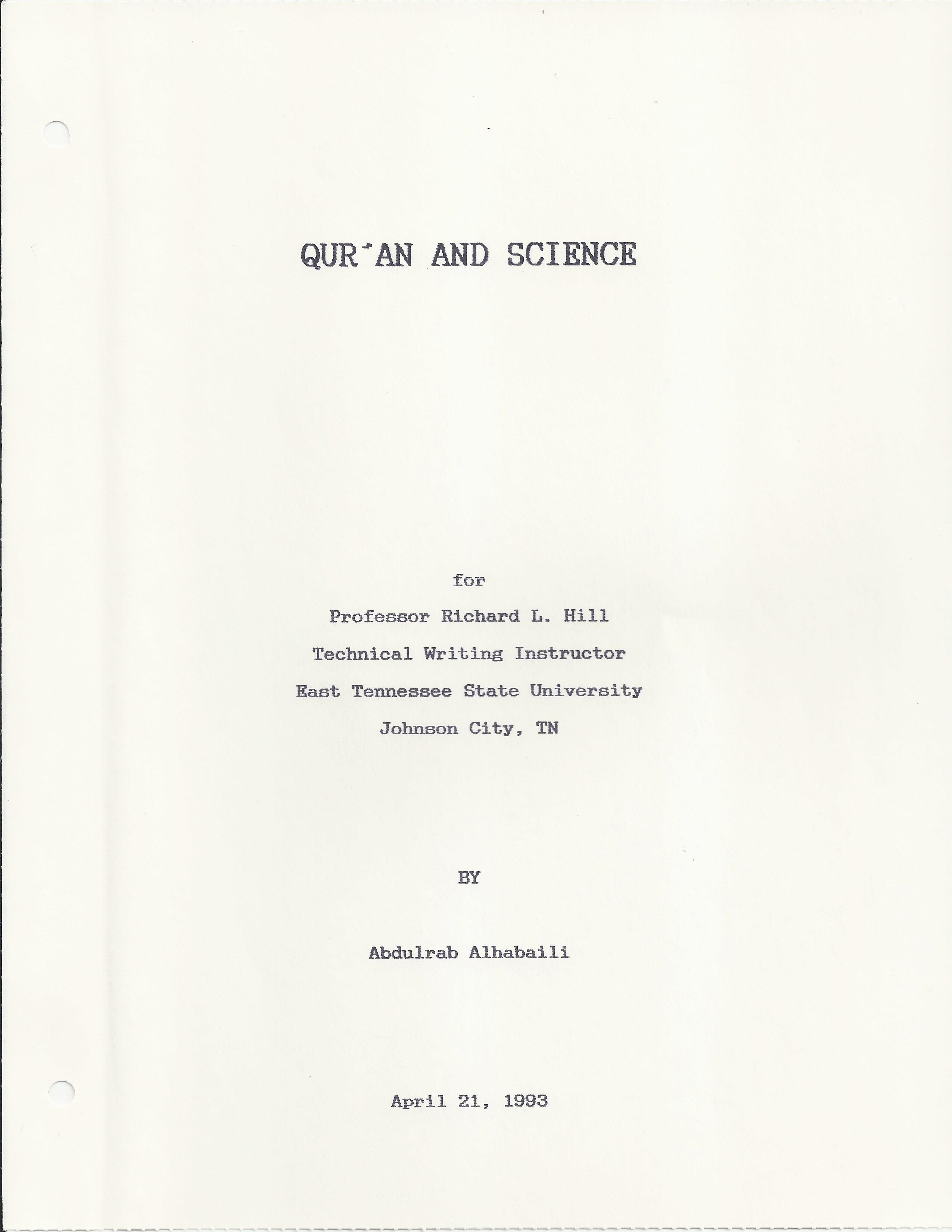
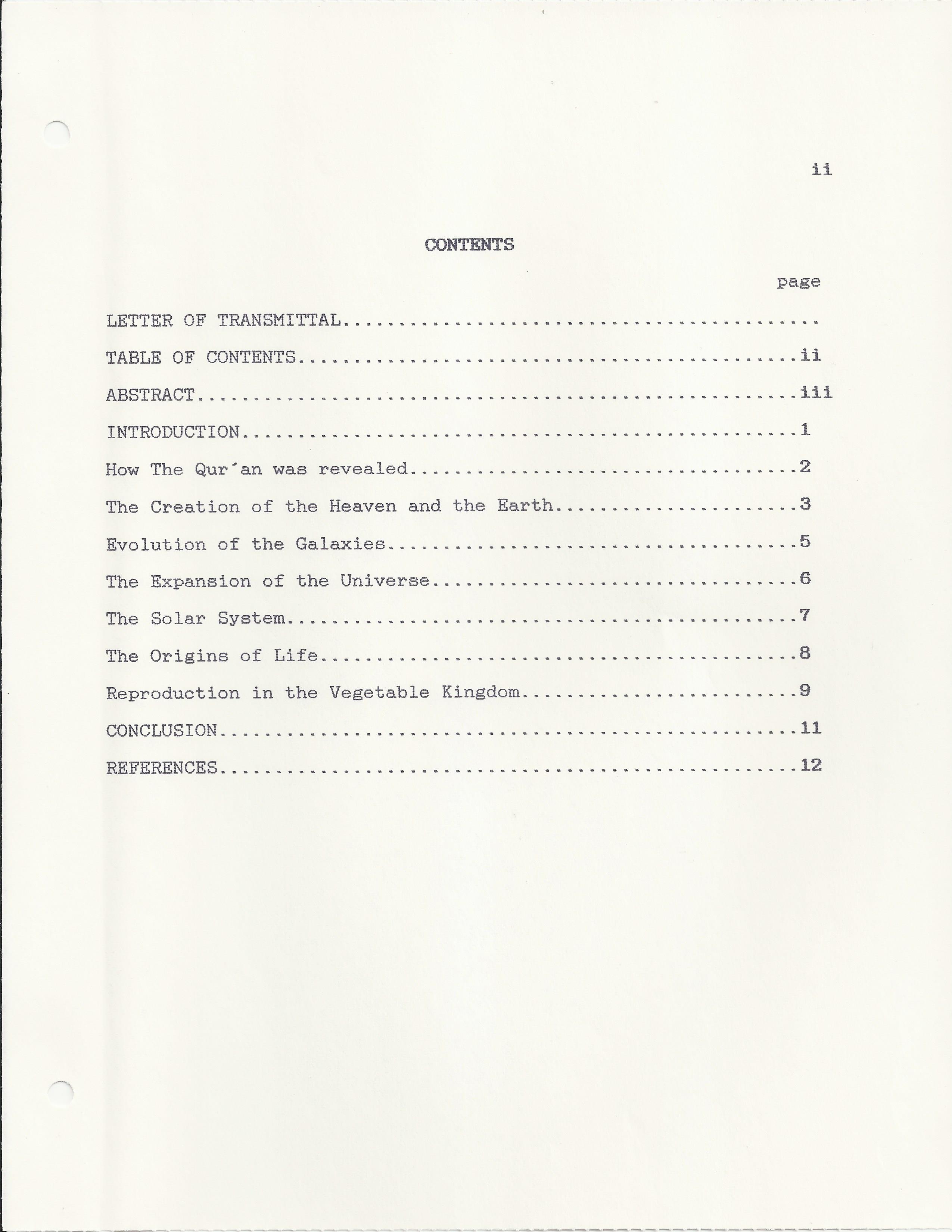
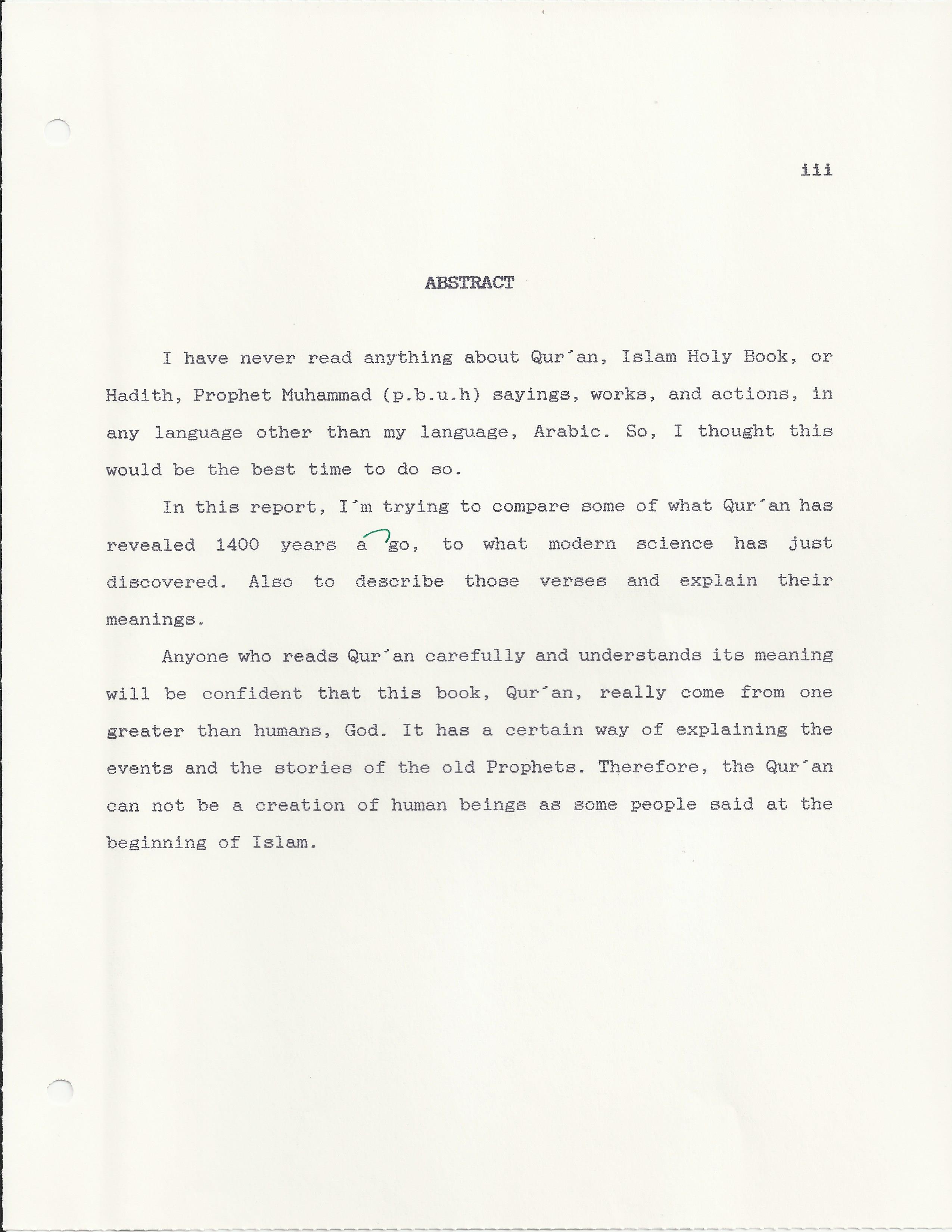
My father was an adjunct professor for over two decades and enjoyed learning from his students as much as he enjoyed teaching them.  One of his students shared his cultural/religious/scientific view with my father via a report — interesting to think about as we debate military action in and around Syria:


Technical Writing 2010-003 Spr 1993 000

Technical Writing 2010-003 Spr 1993 001

Technical Writing 2010-003 Spr 1993 002

Technical Writing 2010-003 Spr 1993 003

Technical Writing 2010-003 Spr 1993 004

Technical Writing 2010-003 Spr 1993 005

Technical Writing 2010-003 Spr 1993 006

Technical Writing 2010-003 Spr 1993 007

Technical Writing 2010-003 Spr 1993 008

Technical Writing 2010-003 Spr 1993 009

Technical Writing 2010-003 Spr 1993 010

Technical Writing 2010-003 Spr 1993 011

Technical Writing 2010-003 Spr 1993 012

Technical Writing 2010-003 Spr 1993 013

Technical Writing 2010-003 Spr 1993 014

Technical Writing 2010-003 Spr 1993 015

Technical Writing 2010-003 Spr 1993 016

Technical Writing 2010-003 Spr 1993 017

I hate Edward Snowden

I’ll say it again, I hate Edward Snowden.  His whistleblowing has ruined my fantasies of leading the hidden, covert life of a doublecrossing secret agent.  I wish him a miserable existence as a man without a country, forever on the run from haters like me, worse off than Salman Rushdie with a bounty on his head.

Plate of shrimp, the prequel

What are the chances that two nights ago I tripped over my copy of “The Saga of the Sour Toe” by Capt. Dick Stevenson, edited by Dieter Reinmuth, and then today this story pops up in the news?

All I can say is thank goodness the universe was exists purely to create me and entertain me.

Otherwise, I’d go mad (no, don’t tell me I’m mad — let it be your secret you can keep from me!).

Viral Video Vini Vici Vino Vincent Vickie, via Wiki

The colonists looked everywhere but in each other’s eyes.

Despite their knowledge, their scientific curiosity and their access to the ISSA Net database, none of them was quite willing to talk about the elephant in the room:

When the only source of protein, the flesh of a recently-deceased colonist, was known to contain stage-4 cancer, was it edible?

On so many levels — emotional, ethical, practical, moral.

Back on Earth, body parts recycled for food had entered the fictional mainstream eons ago, the food made flesh (or was that the other way around?) long before Martian colonisation became a buzzword, let alone a reality.

On Mars, though, there was not the sophisticated equipment to separate healthy flesh from diseased flesh.

Malnutrition and scurvy had swept through some of the outer settlements.

Colony No. 1 was not supposed to suffer the fate of poor planning and execution.

Burying the dead was no longer an option, had been argued and regulated out of existence several generations back.

The colonists put the decision off a day.

Sure, they were rational beings but mourning the dead was still an active part of their subculture.  Give themselves a day to grieve before making this important decision, they told each other without saying a word by leaving the lab where a dear friend, colleague and family member lay motionless, eternally unresponsive.

Tolerance for pain

Bai jumped across the colony’s esplanade with Shadowgrass.

“Mom told me that you’re one of the main reasons I’m here.”

“She did?”

“Something about your grandfather and a war?”

“She remembered!  That’s great.  Yes, my grandfather was a soldier a long time, during the period many on Earth call World War II.  He was a radio operator.”

“Dad told me about those.  Specialists who were responsible for sending signals between groups of people because they didn’t have a love/hate relationship with the ISSA Net yet.”

“Hmm…hahaha.  True.  But my grandfather is famous back home in the Philippines.  He was the man who first contacted General MacArthur, an American soldier in charge of many troops.”

Shadowgrass nodded, mentally scanning the information about World War II as they skipped and hopped.  “So how does that account for me?”

“Oh, yeah, it doesn’t make sense, does it?  Well, you see, my grandfather was a strict soldier which led to my father’s interest in discipline but for a totally different reason.  You’ve probably never heard of ‘Star Trek,’ have you?”  She watched his eyes flicker slightly.  “Well, I guess you know about it now?”

“Yes, Bai.”

“My father fell in love with the TV show.  It was like having his grandfather and all of his grandfather’s friends and uncles live the life of space soldiers.  When I was old enough, he made me watch every episode of the original TV series, all the spinoffs such as ‘Next Generation,’ up to ‘Enterprise,’ and, of course, the films as they were released.  Inside of you is a little bit of Data with a little bit of Wesley Crusher and Jake Sisko.”

“Mom said you were able to infuse my genetic material with the propensity for personality traits of fictional characters.  How did you do it?”

Bai ran her gloved hand across her faceplate, intending to but unable to rub her eyes.  “Did Guin tell you I used to date Brannon Braga?”

“Huh-uh.”

“Yes.  He was the one who inspired me.  I hope I inspired him some, too.  His place in Melrose, not far from the film studios, was amazing.  I remember one party he had, it was a food bar from front to back.  You walked from his kitchen to the backyard, which opened onto an English garden, and then the pool…the pool…”  She stopped and looked up at the Martian sky.

“What is it, Bai?”

“He said he put me in one of his scripts.  I never asked him which one.”

Shadowgrass flipped a few times in the air, bounced up and down like a kangaroo and landed in a three-legged stance.  “Did he write about me?”

“No.  You are my creation.  I mean, it was me who gave your parents the idea to call you their son.”

Shadowgrass flipped up in the air and landed in a standard bipedal configuration.  “That’s what Mom said.  But I thought you might know something else.”

Bai heard a note of disappointment in Shadowgrass’ intonation of curiosity.

“Shadowgrass, you are a part of everyone’s life, don’t you know?  You are the culmination of our species’ achievements.  Do you know how many kids on Earth dream of being you, able to change out body parts on a whim, with superstrength and superspeed?”

“Yeah, but…”

Bai nodded.  She knew where Shadowgrass was taking his thoughts.  His mother, Guin, had been a competitive boxer from an early age, trained by her father, a former member of the U.S. Marines, with assistance from his military and boxing buddies.  Growing up on a farm, she had been kicked and stomped on by calves and cows, raising her pain tolerance above normal levels.  She had later become a ballerina before switching to a career in rocket science.

Shadowgrass wished he had his mother’s natural abilities, and didn’t have his enhanced abilities that made him so much more capable than his parents.

At age two, he had completed his space exploration vehicle.  When his parents were two, they were barely walking and talking.

That’s why Bai had asked to spend the afternoon with him.  He needed encouragement to take Martian society to places he couldn’t believe possible when he’ll look back in a few marsyears.

She couldn’t believe she was with him herself, remembering the nights decades earlier, alone with her thoughts when she was at her lowest, torn between her French lover and being near her children on the North American continent.

She wanted to teach Shadowgrass to embrace his emotional side and use the energy he generated to plant seeds in his thoughts that would sprout into giant oaks in no time.

She had done that for so many other people.  She knew she could get Shadowgrass to, too.