More as it develops (to be continued, in other words)




















More as it develops (to be continued, in other words)
Do you know what your neuronal connections look like?
I think I know mine:






















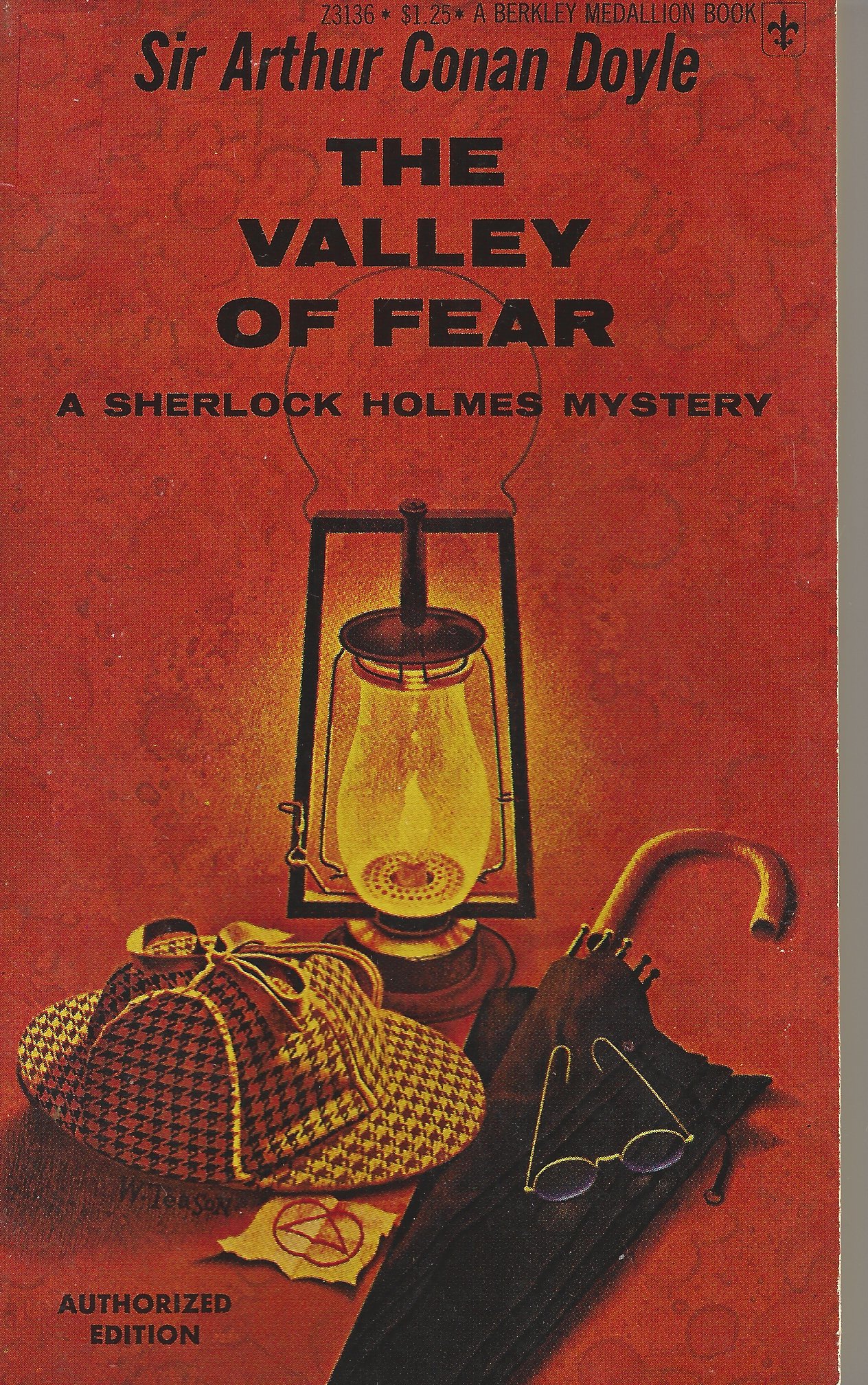
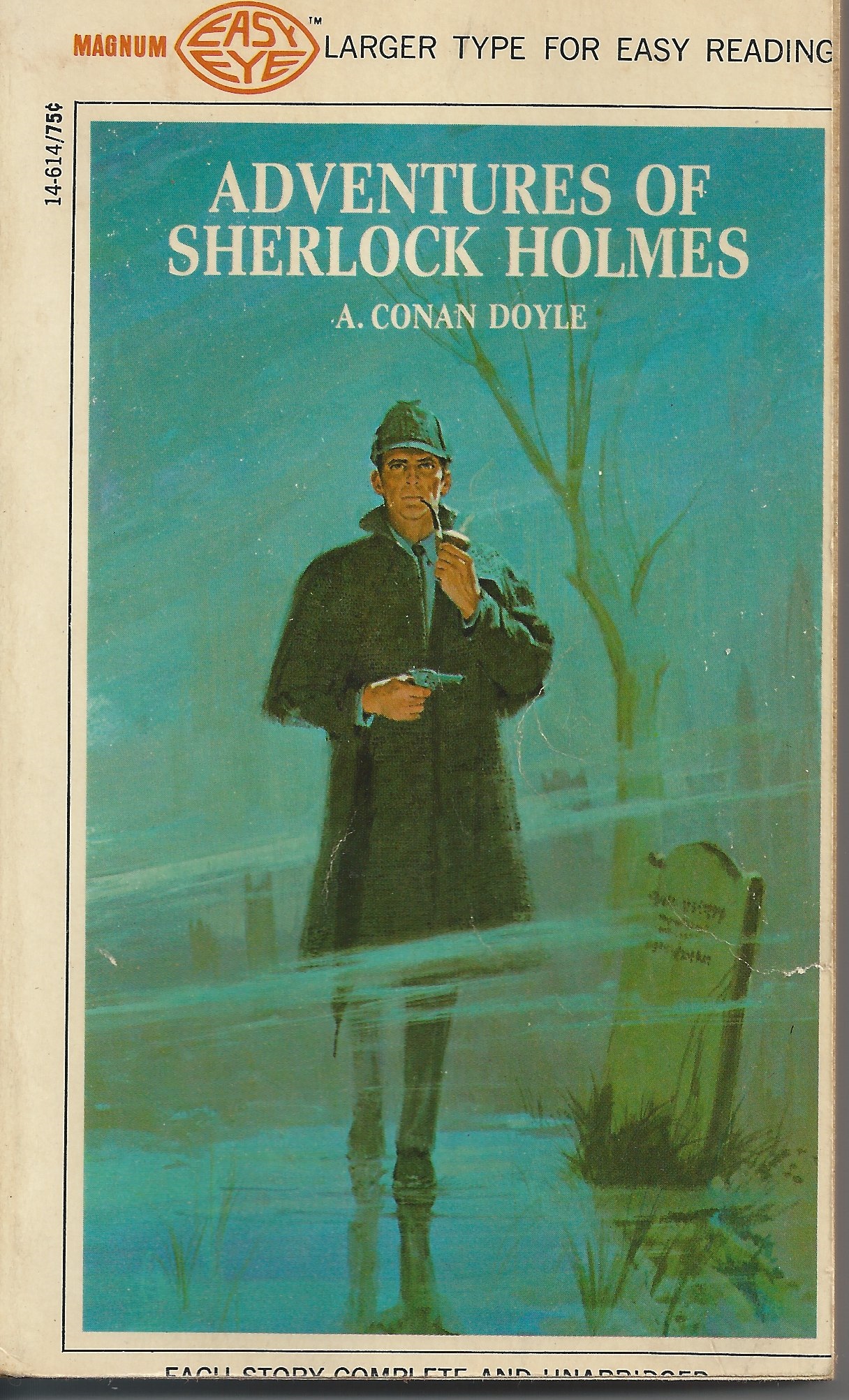
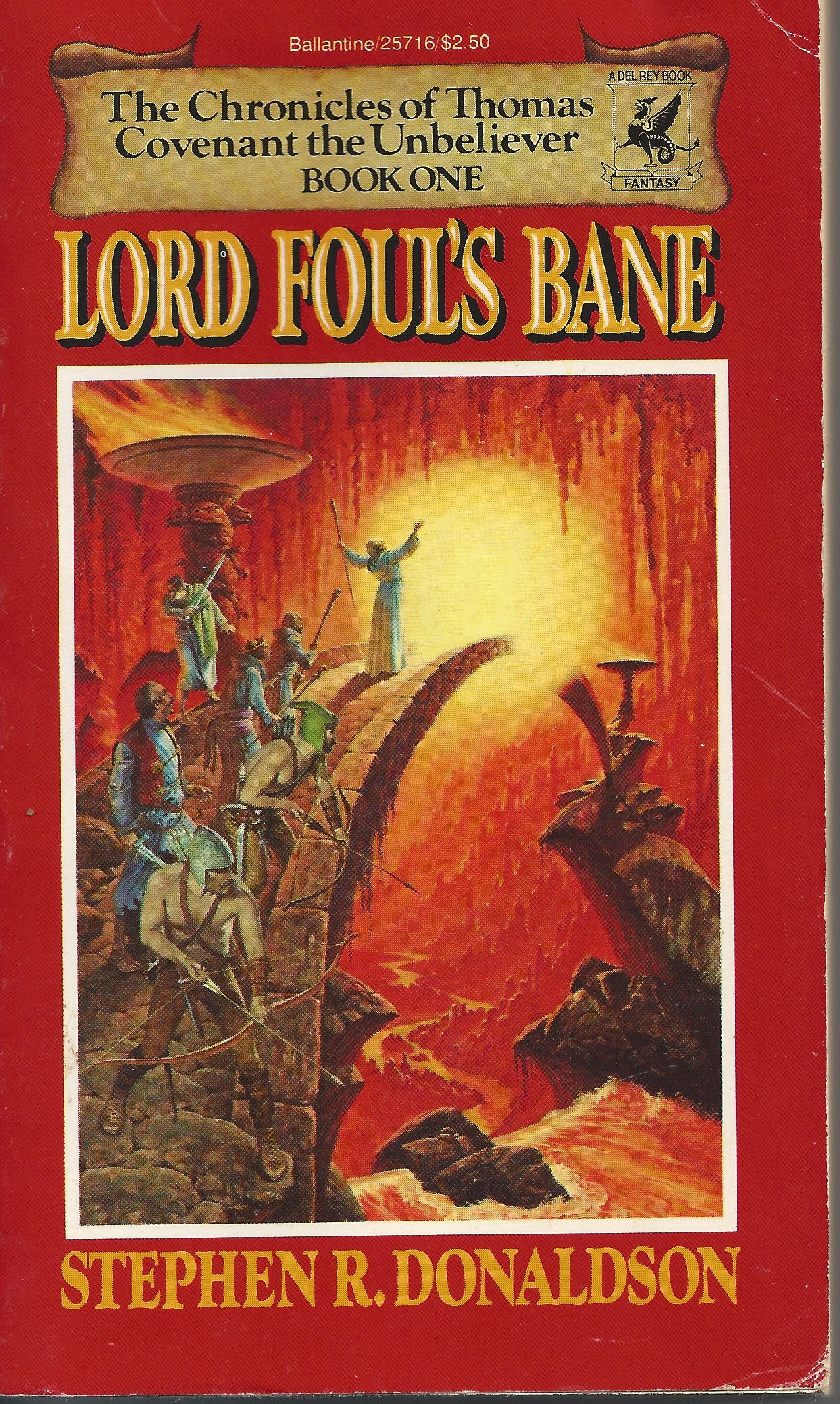


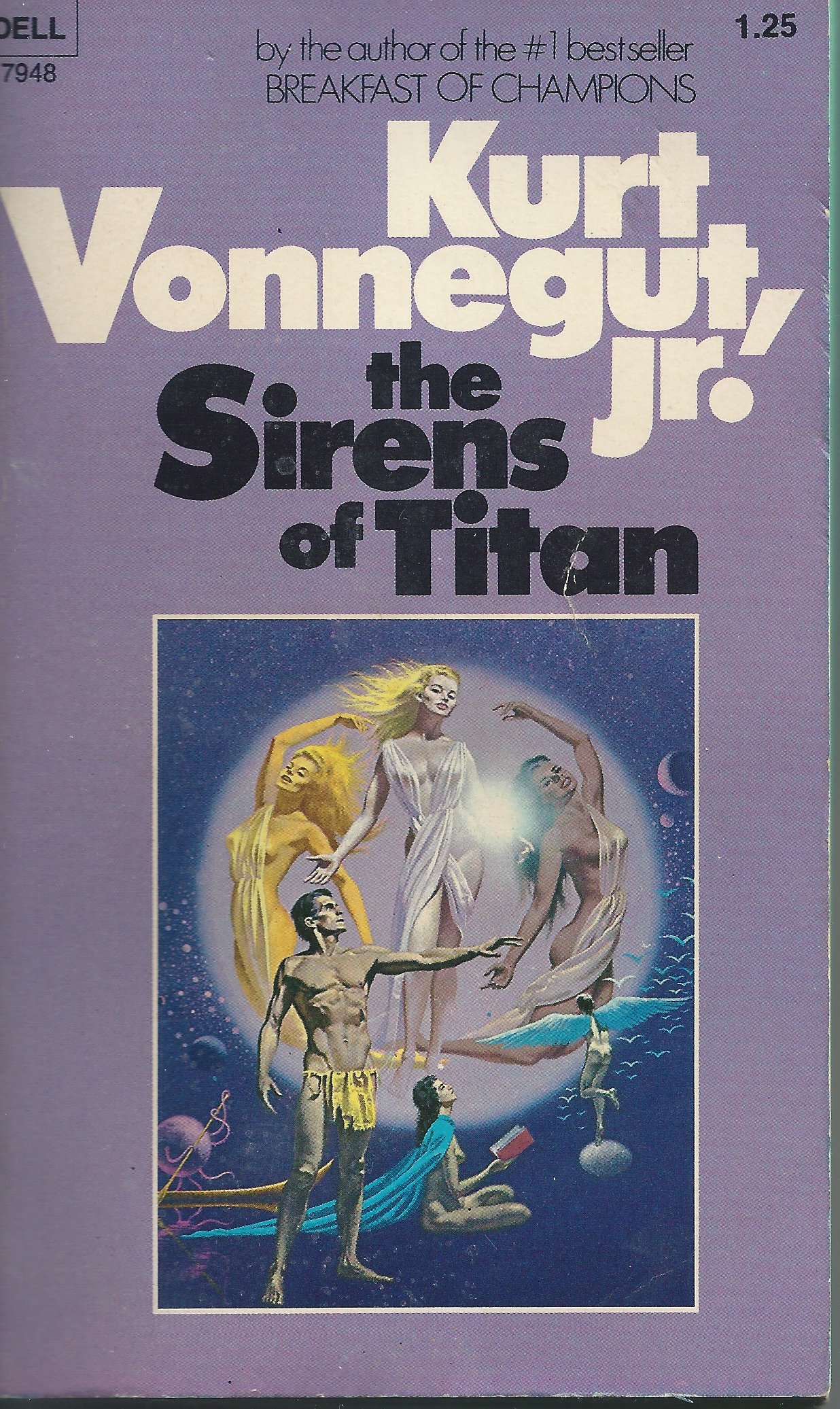
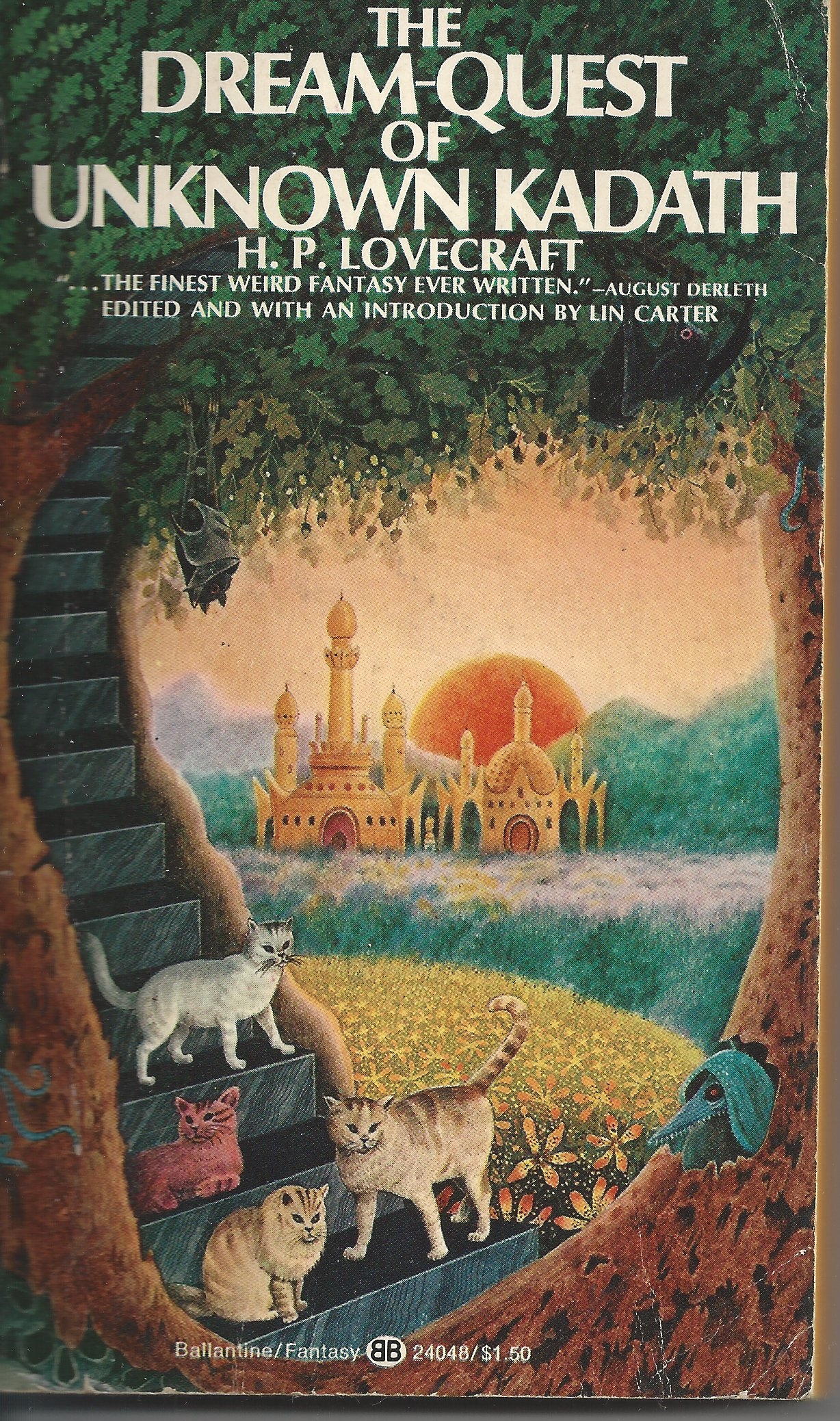
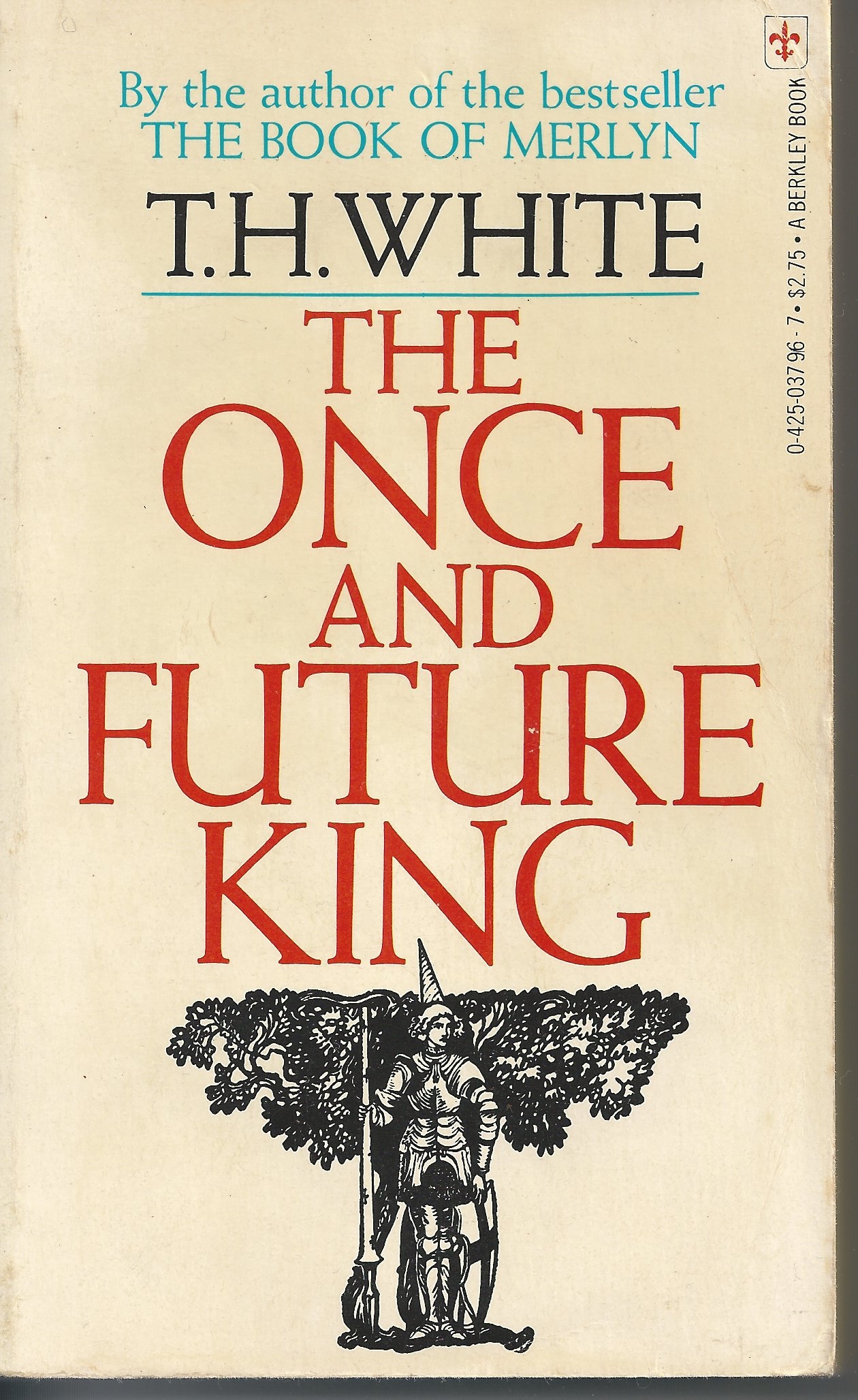

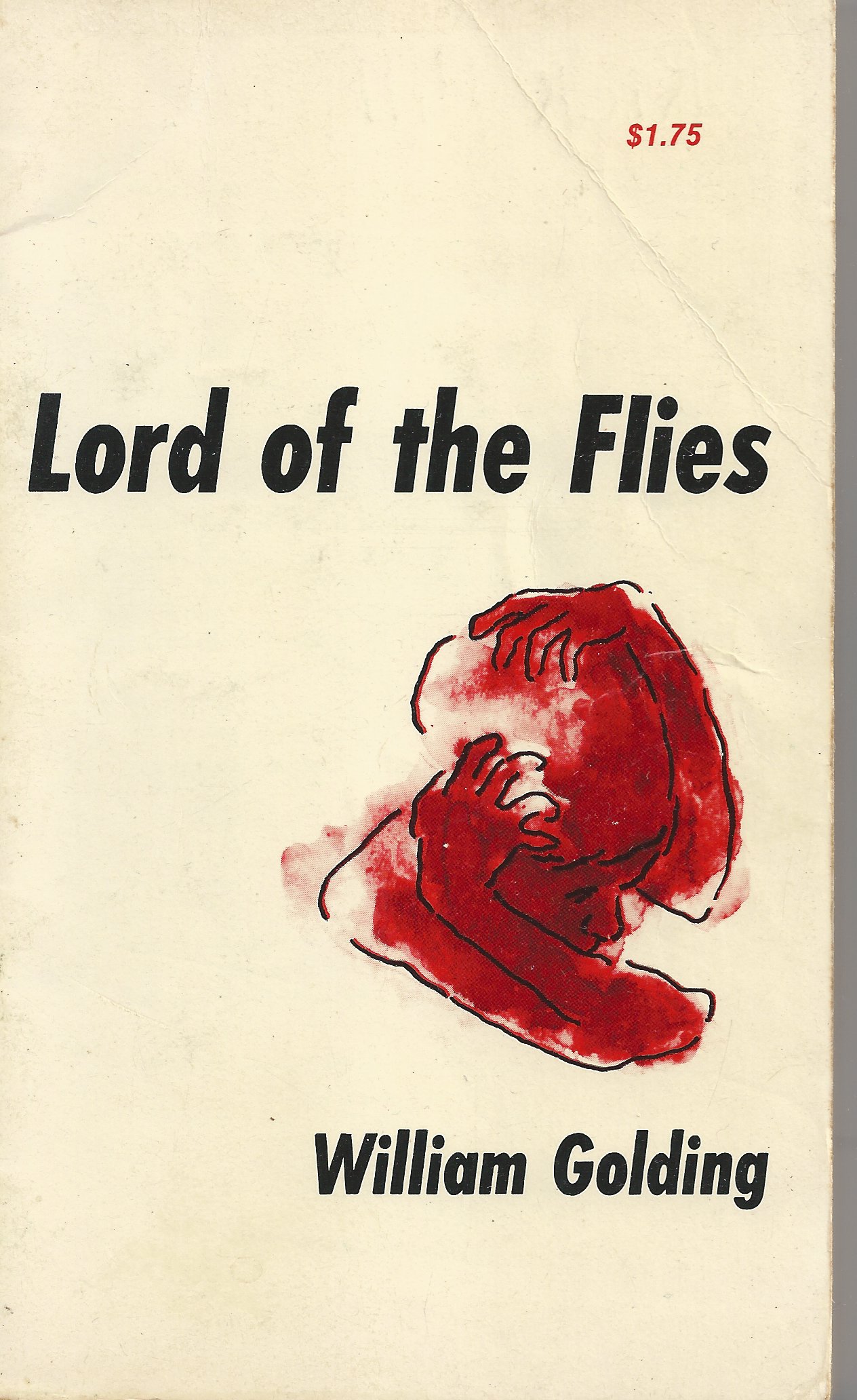


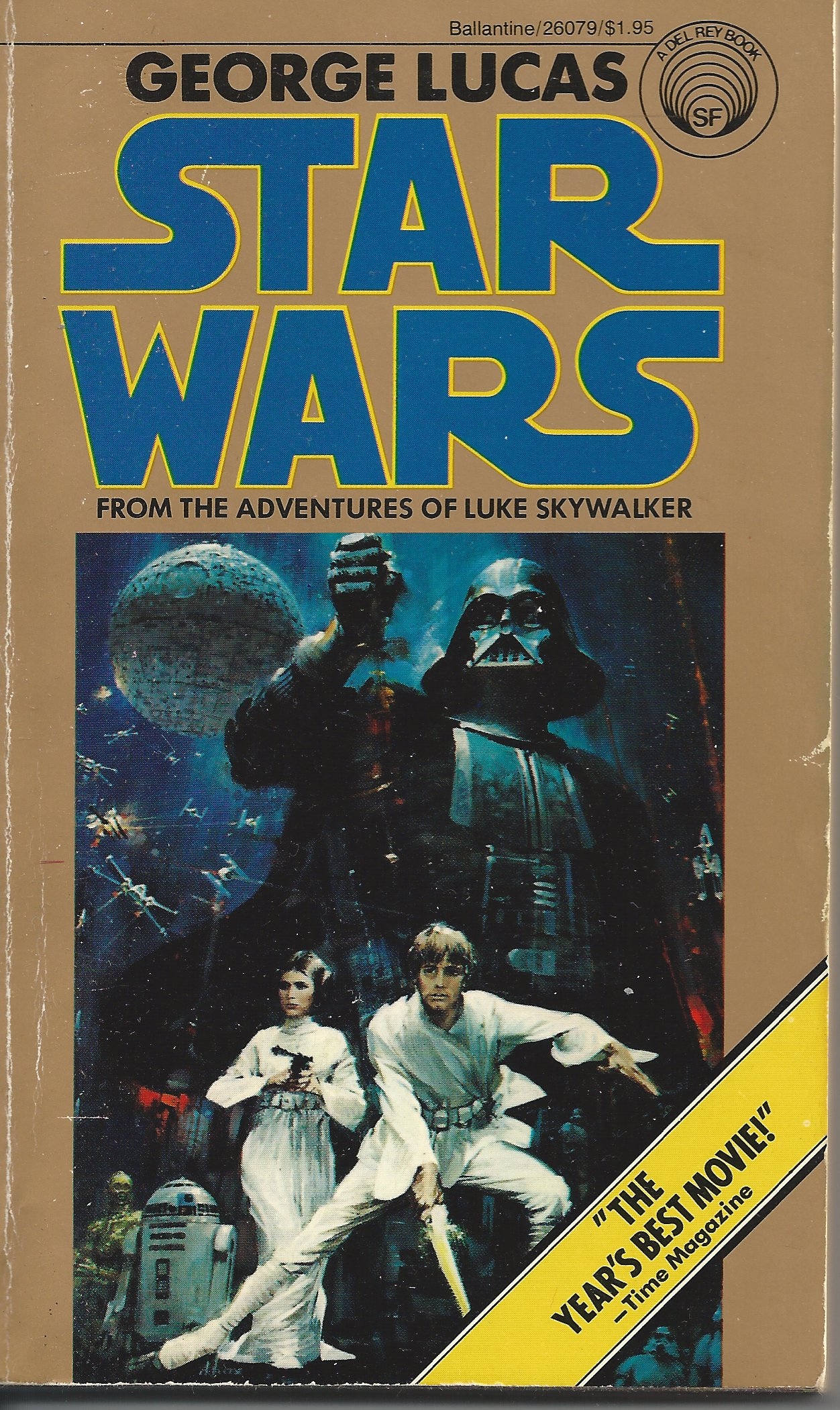





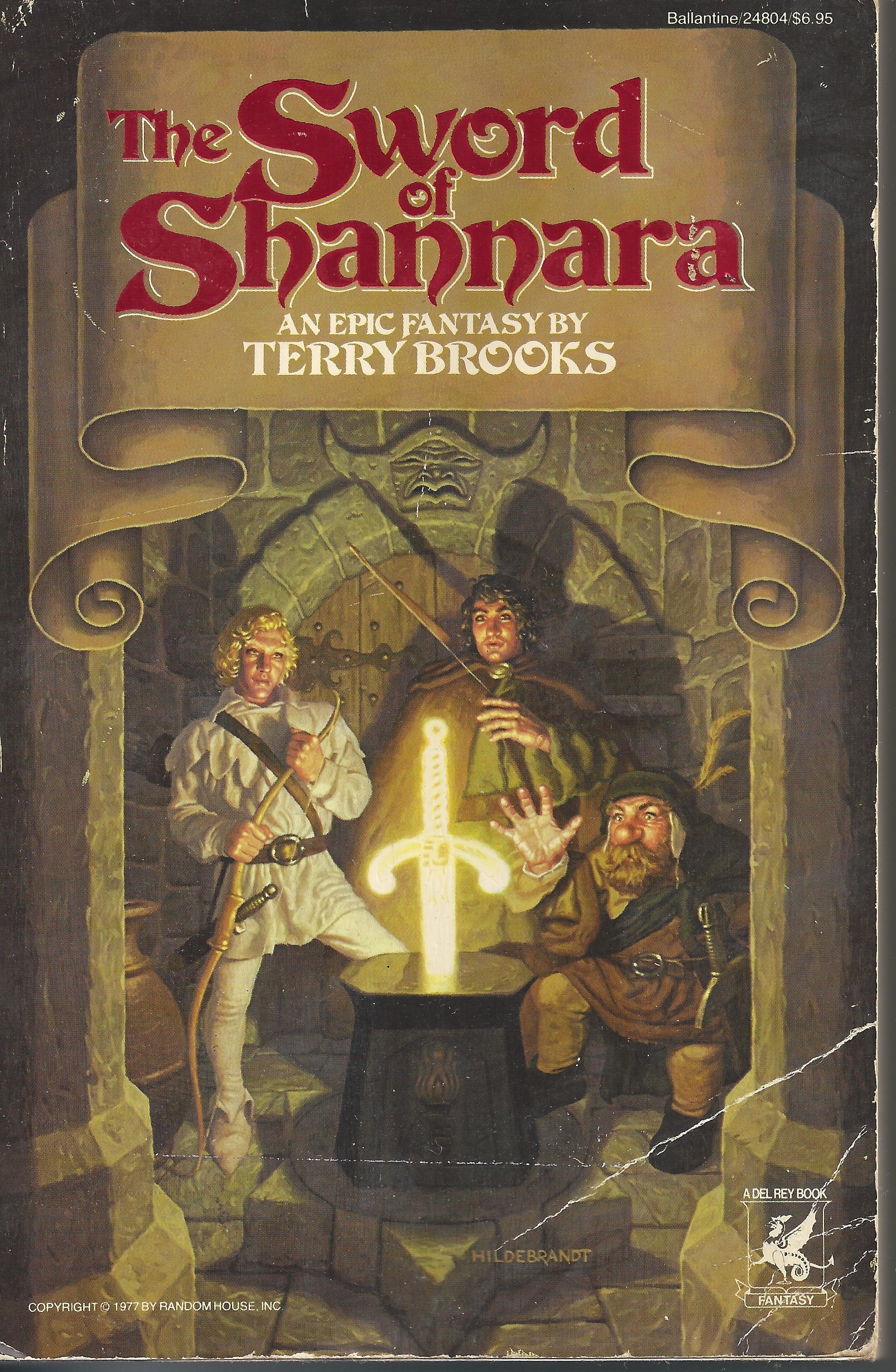
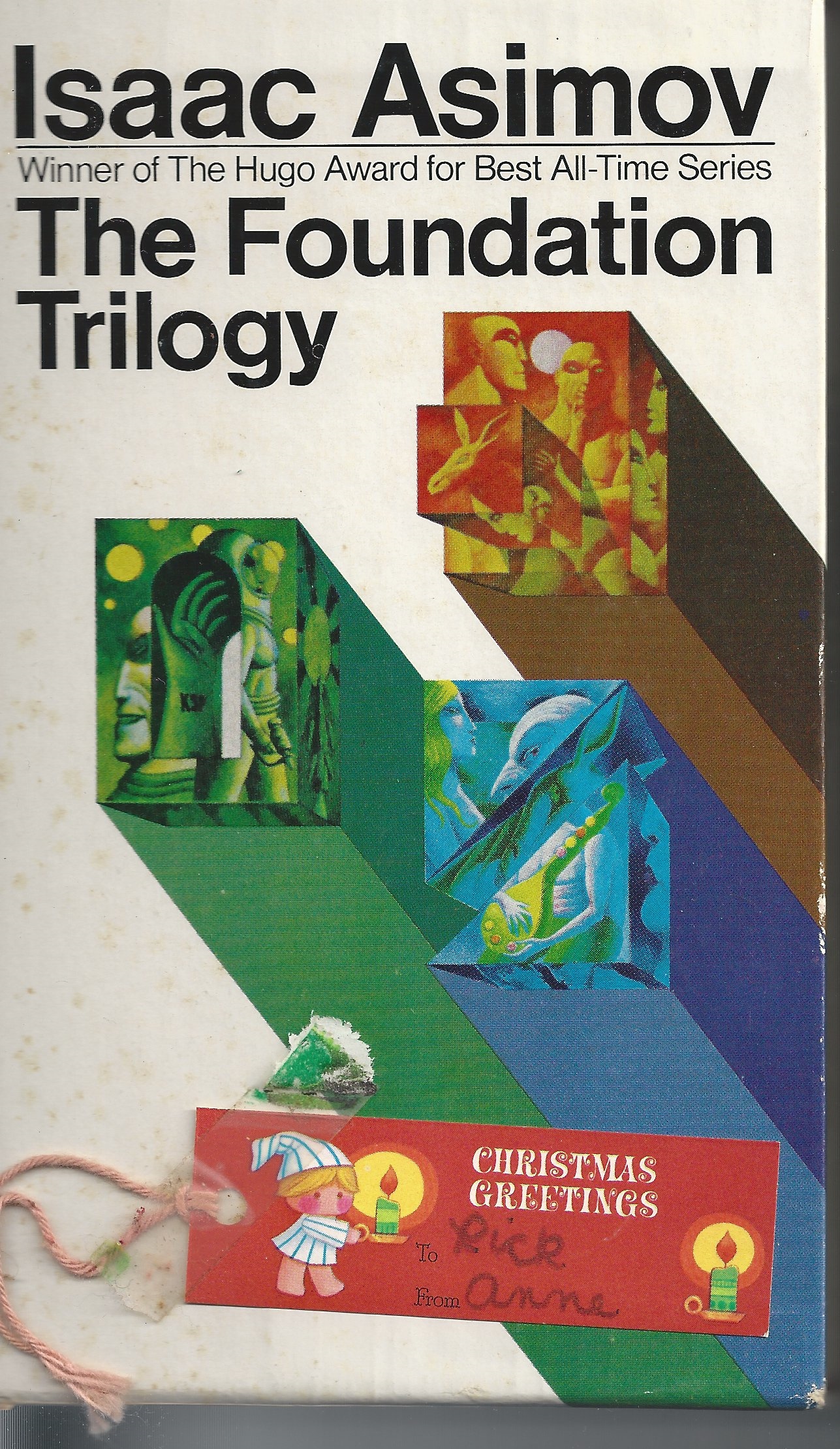

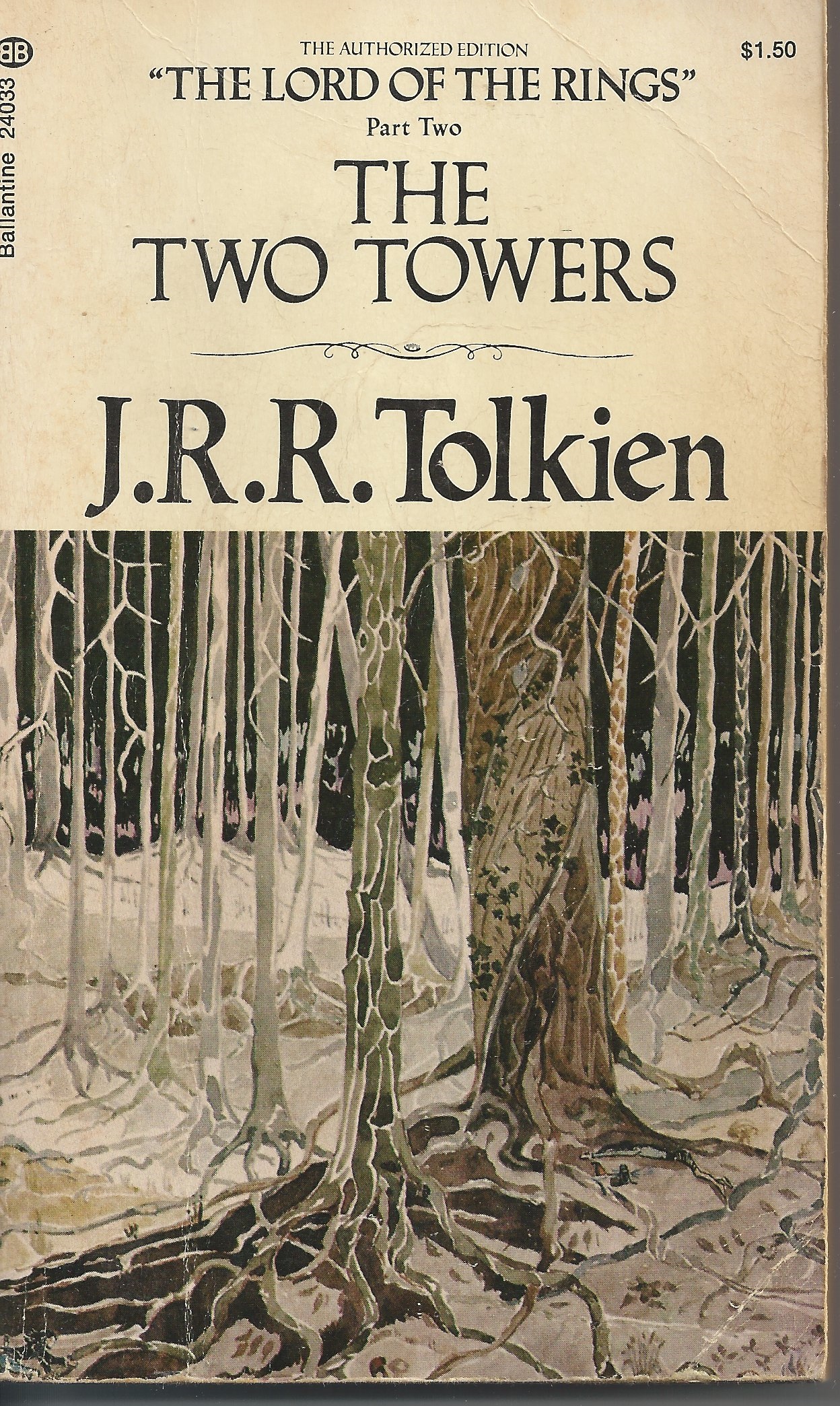
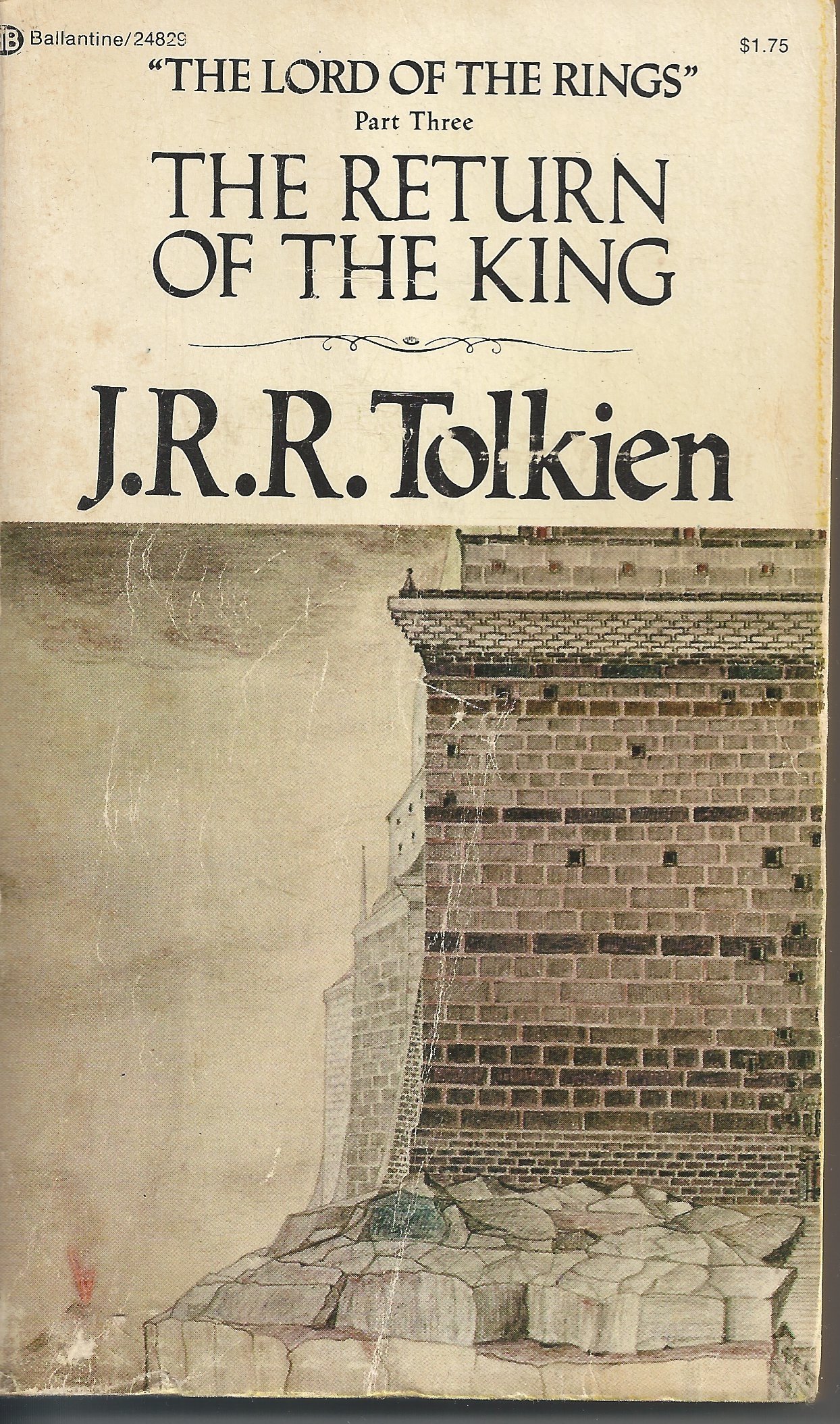



















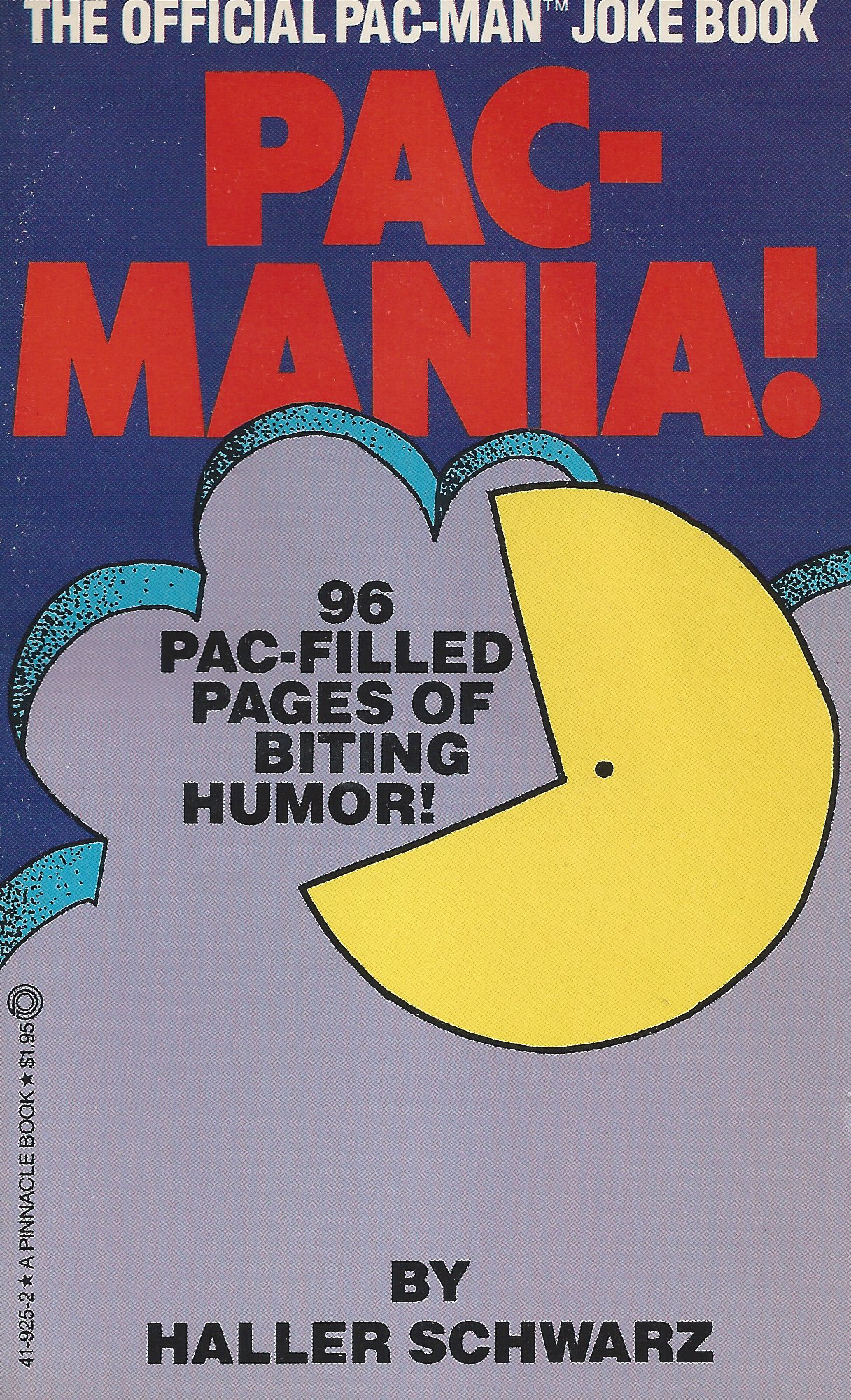



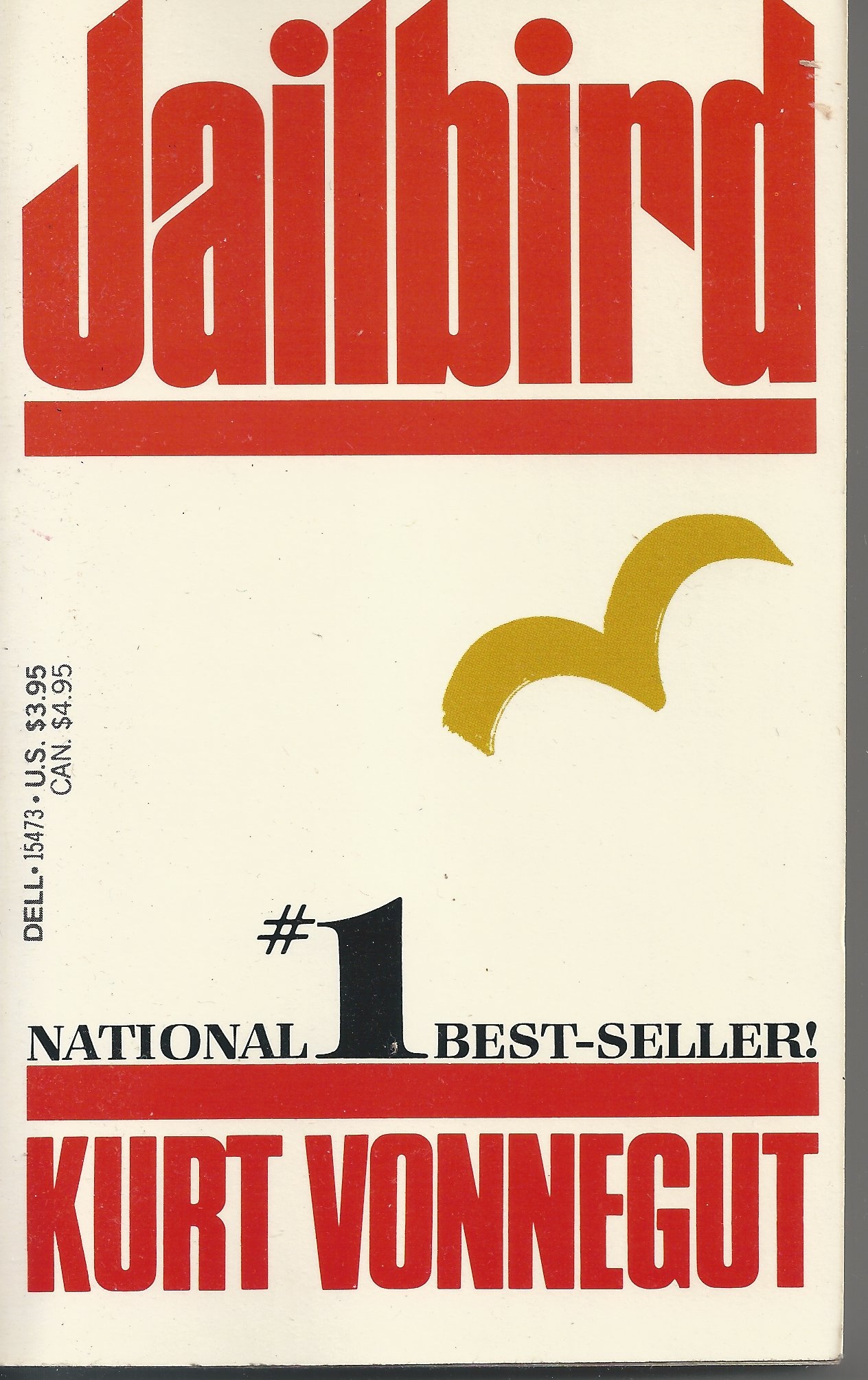
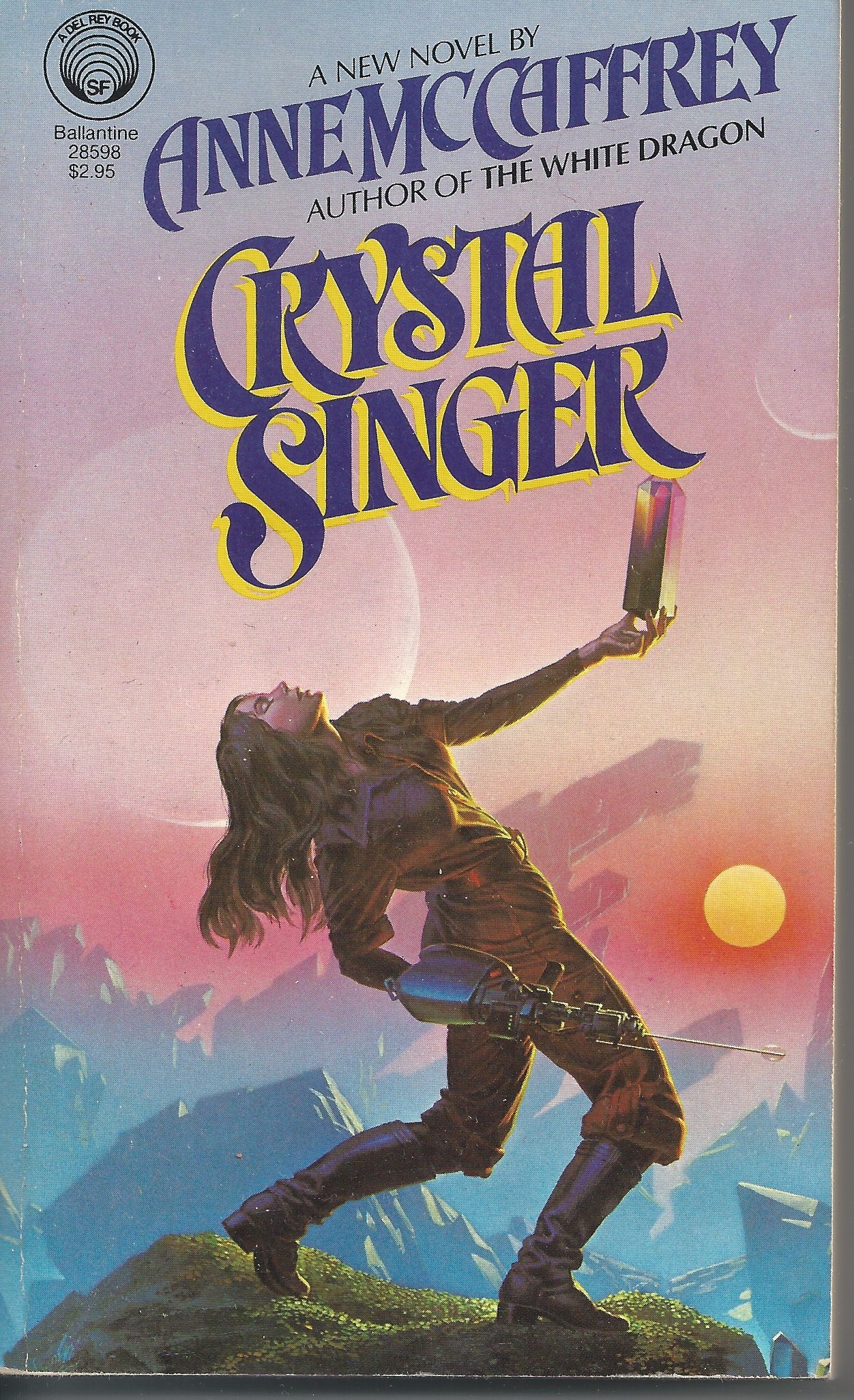
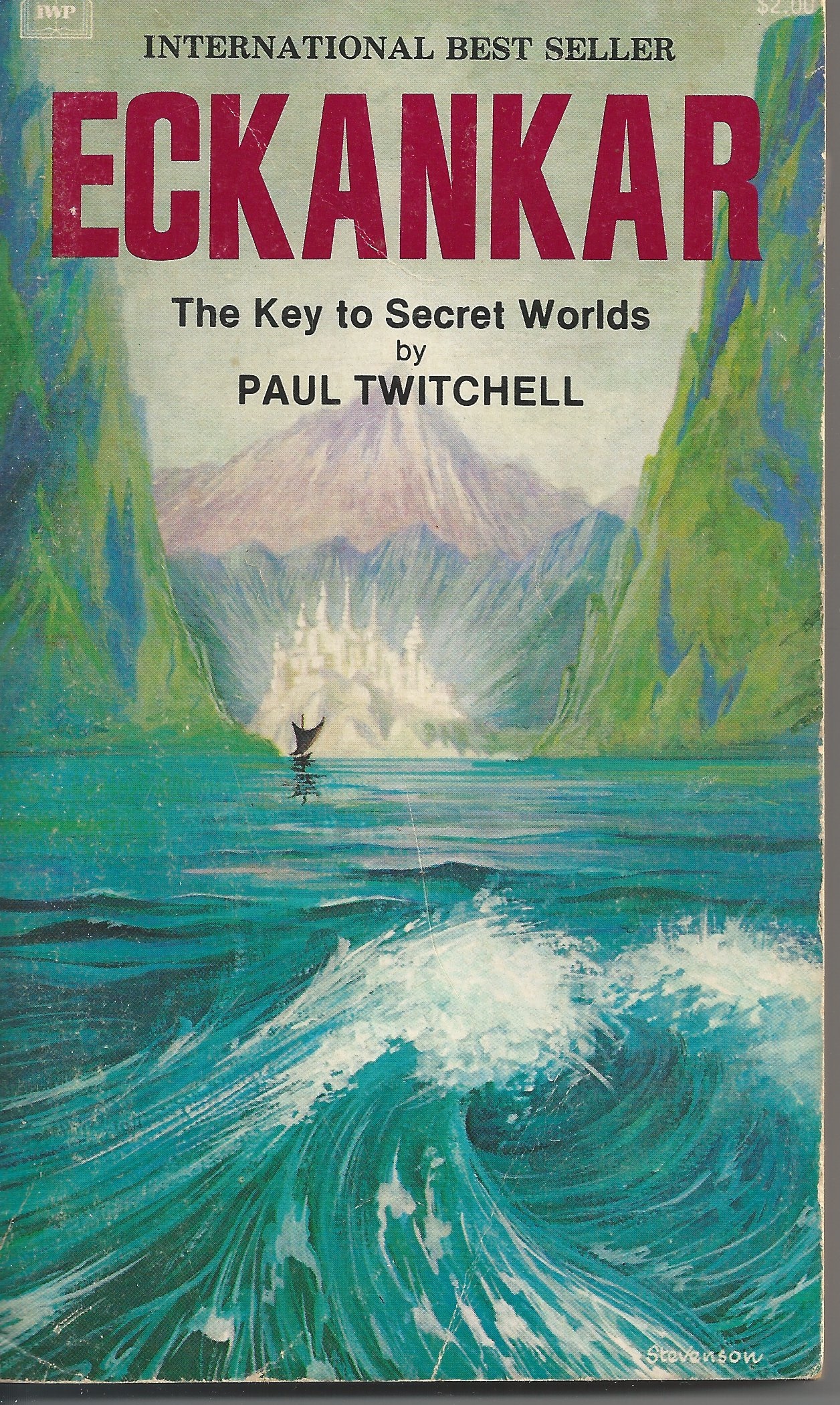















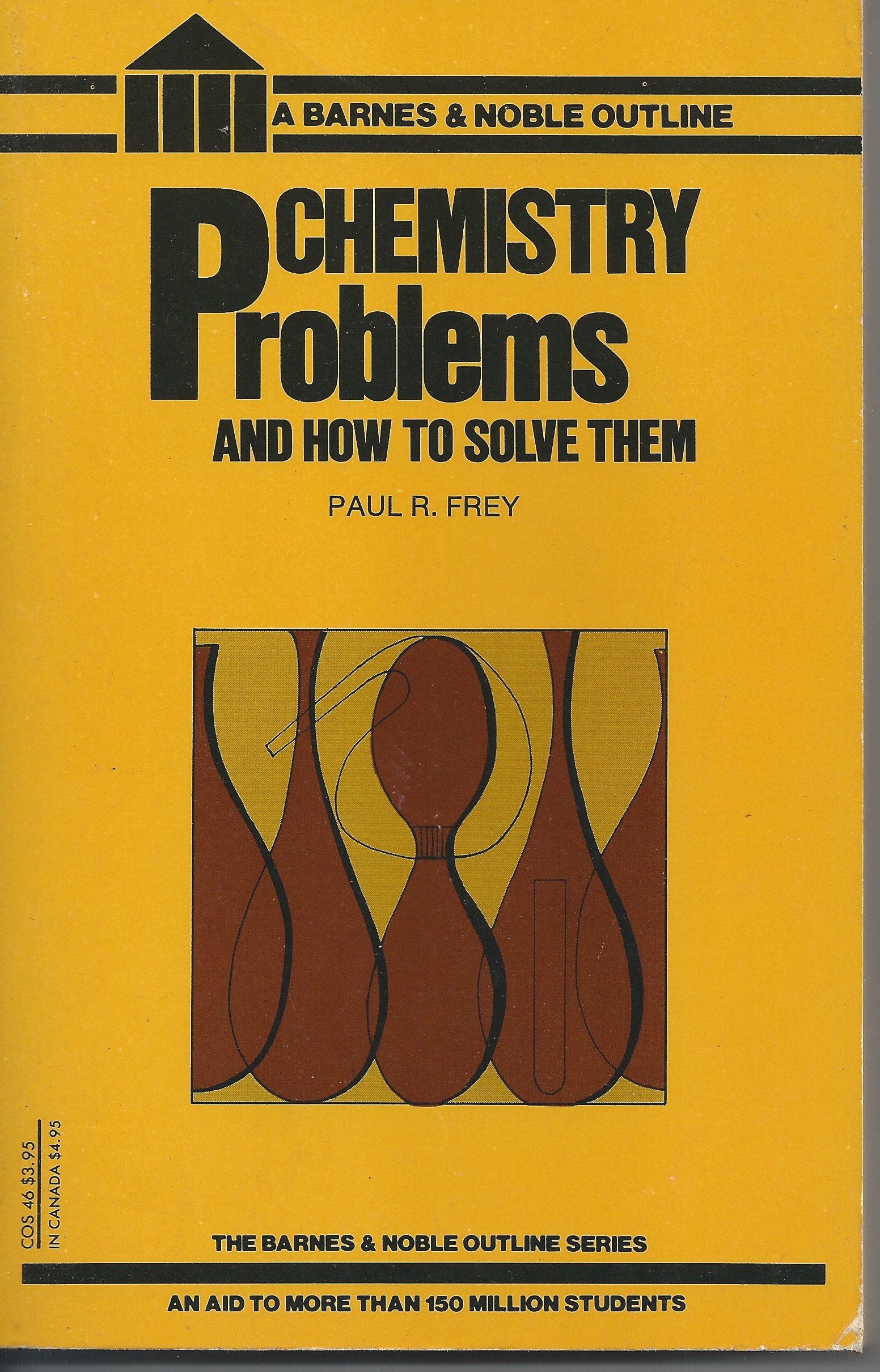

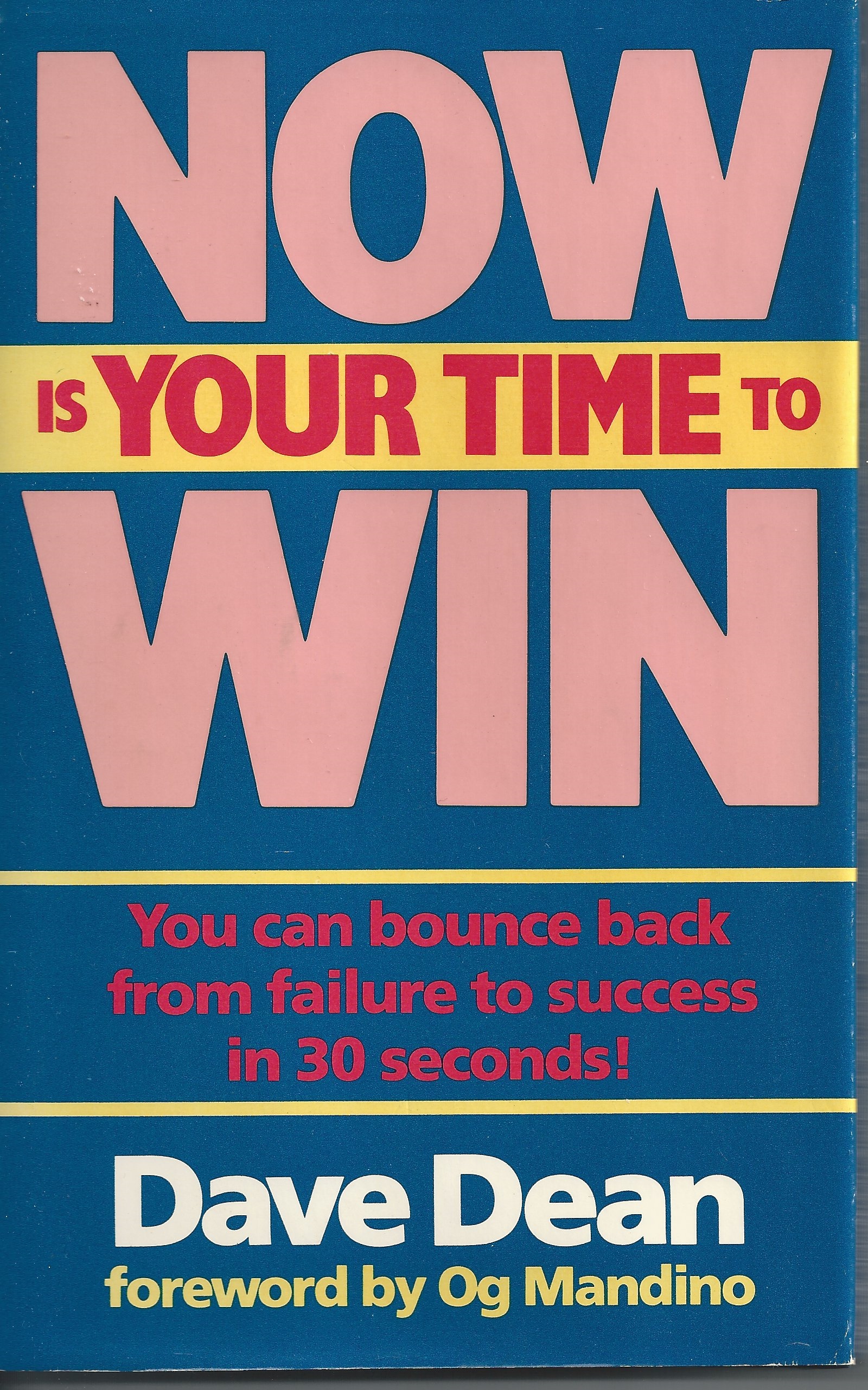



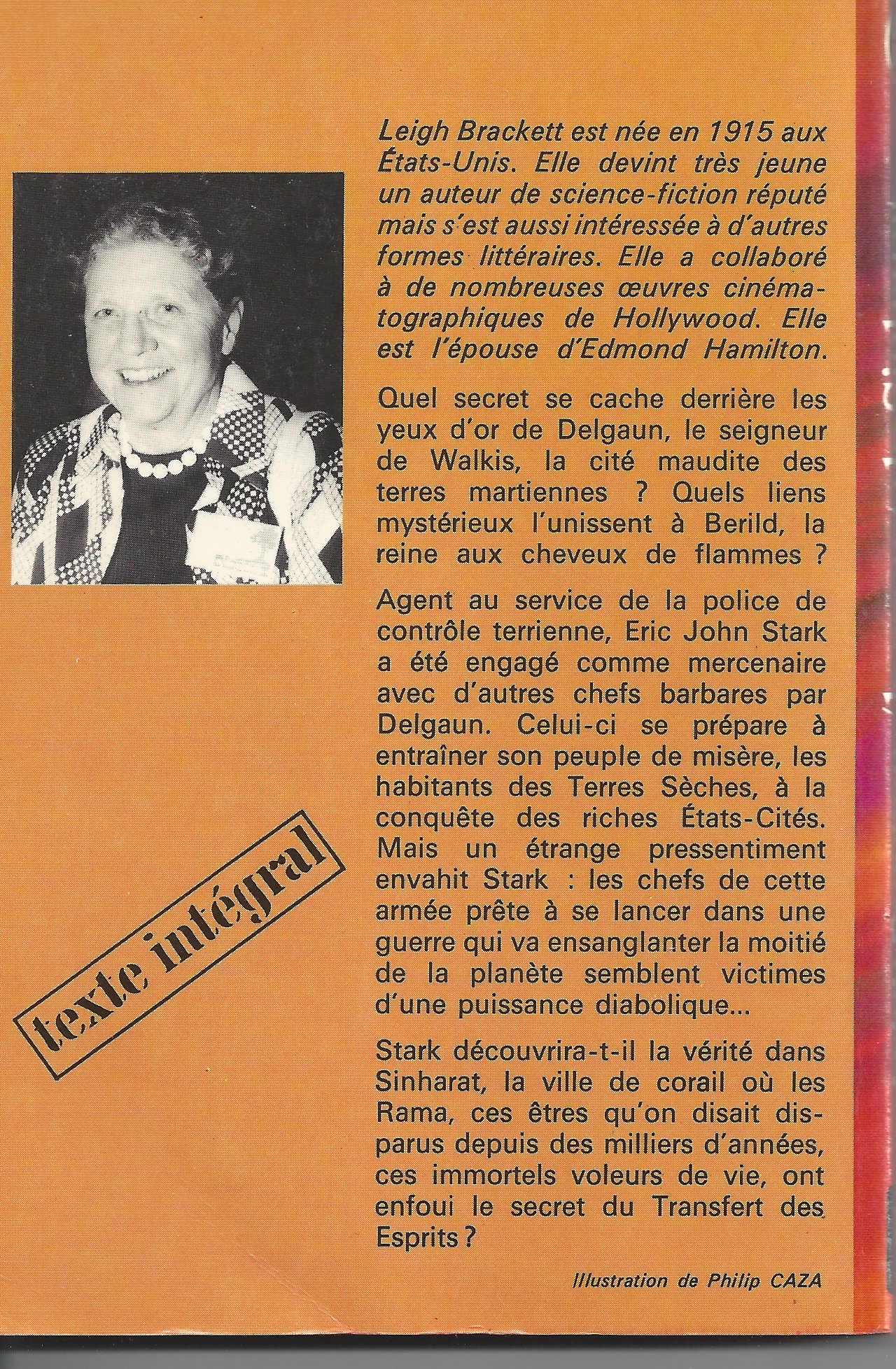

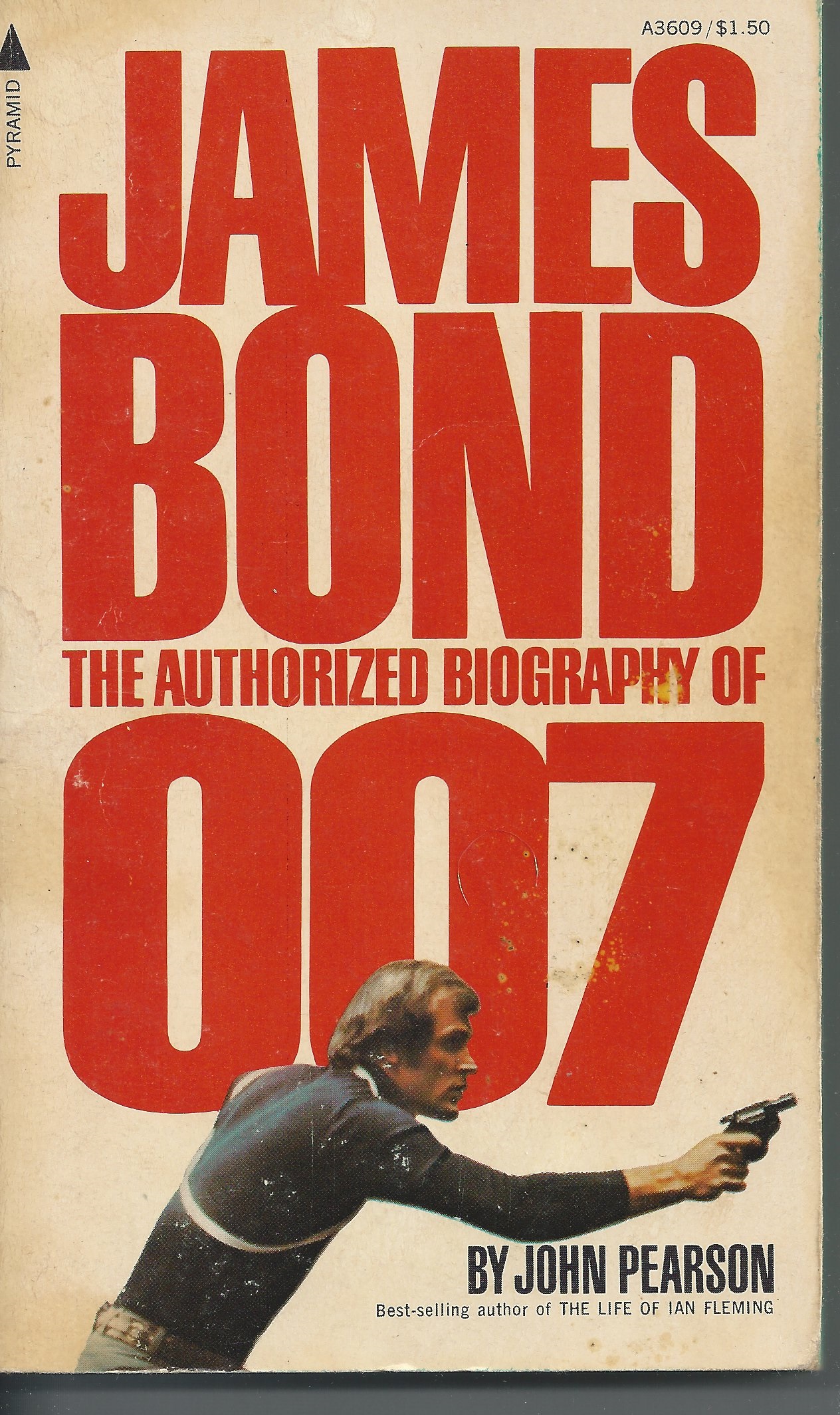















Cultural attitudes shape our actions.
Does your man in India reject rape?. If so, what is he doing to protect women from roving gangs of rapists?









Ever wondered how to survive on the road from new employee on the bottom of the totem pole to top dog leading the sled?
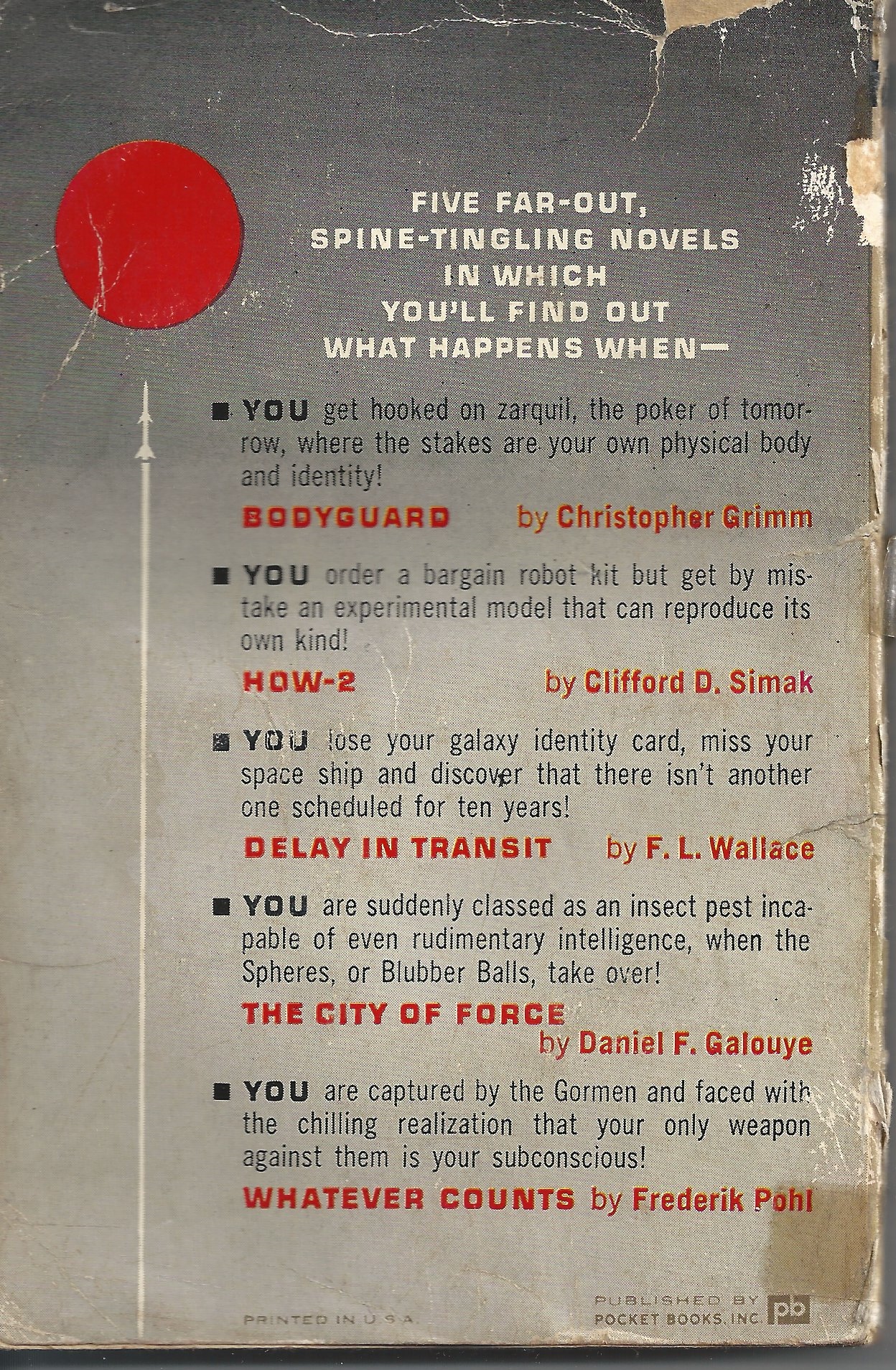
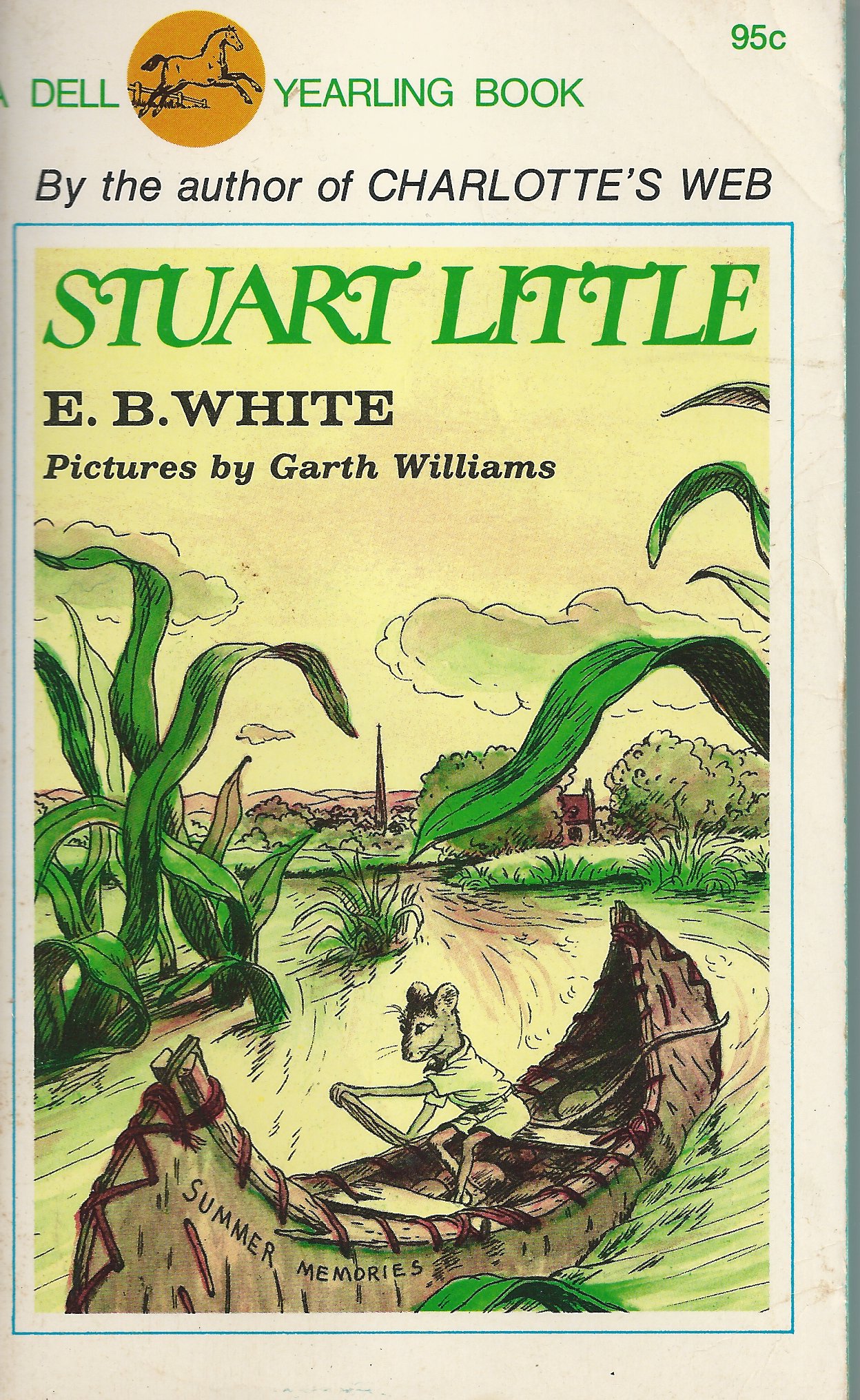
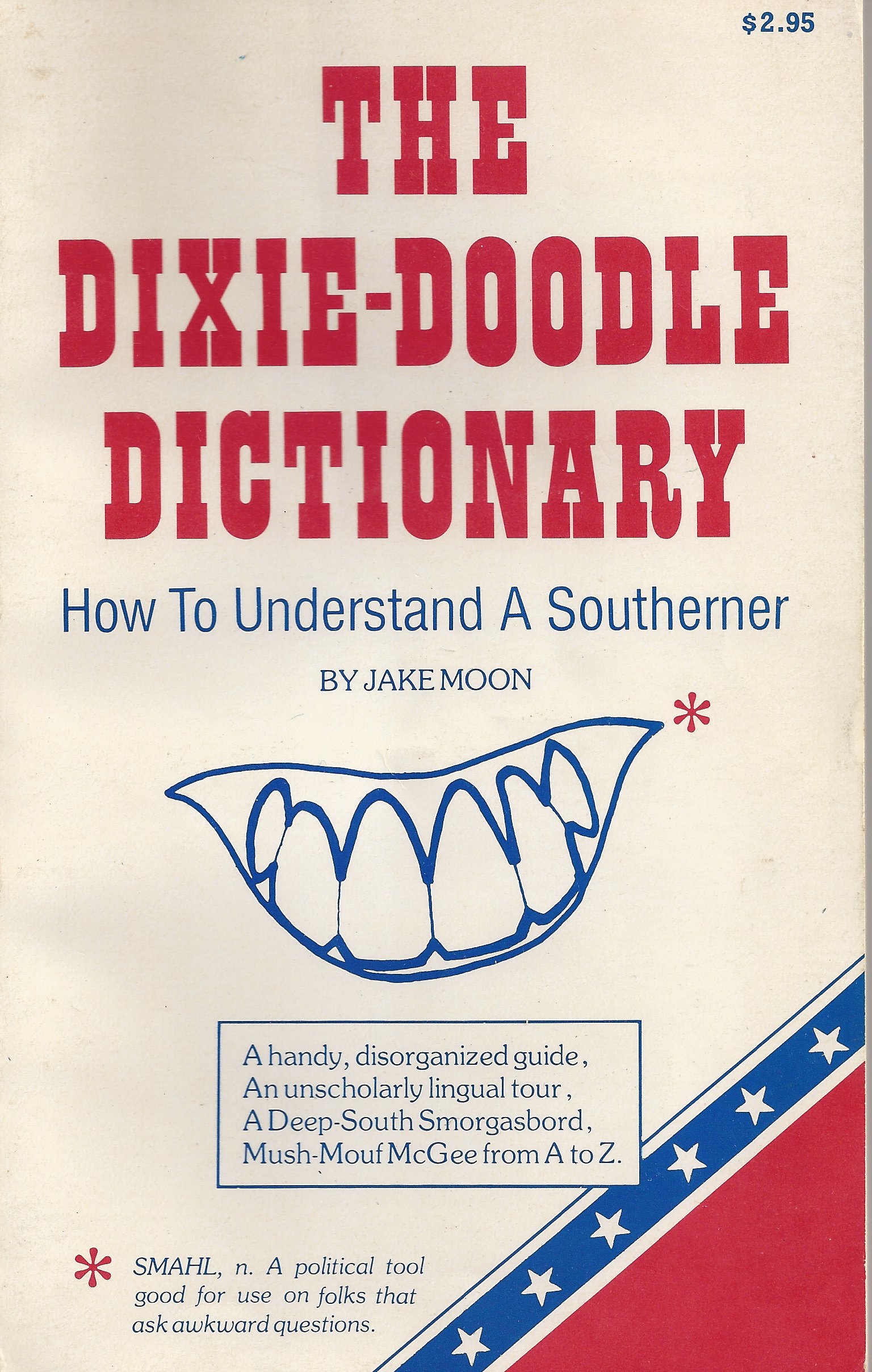
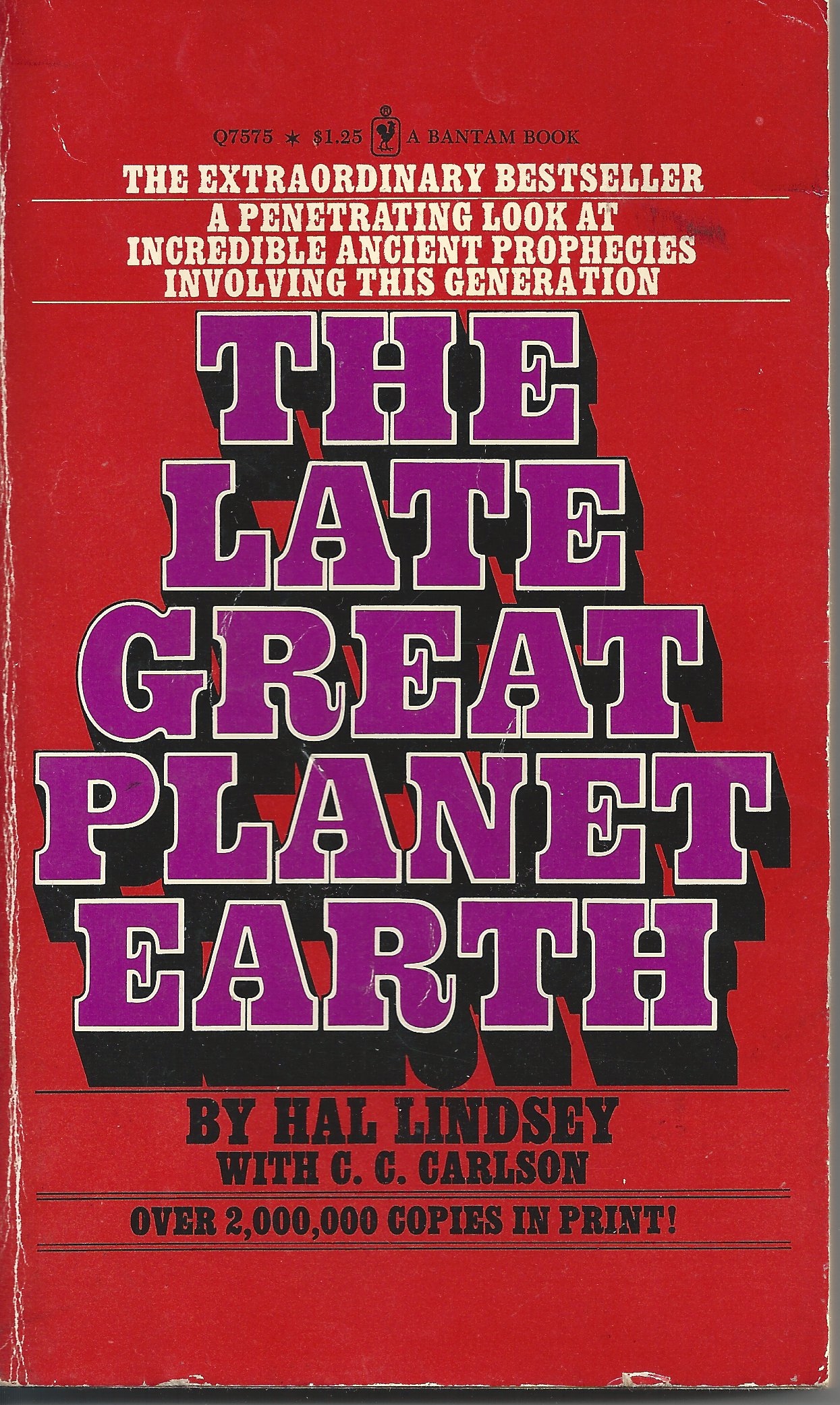
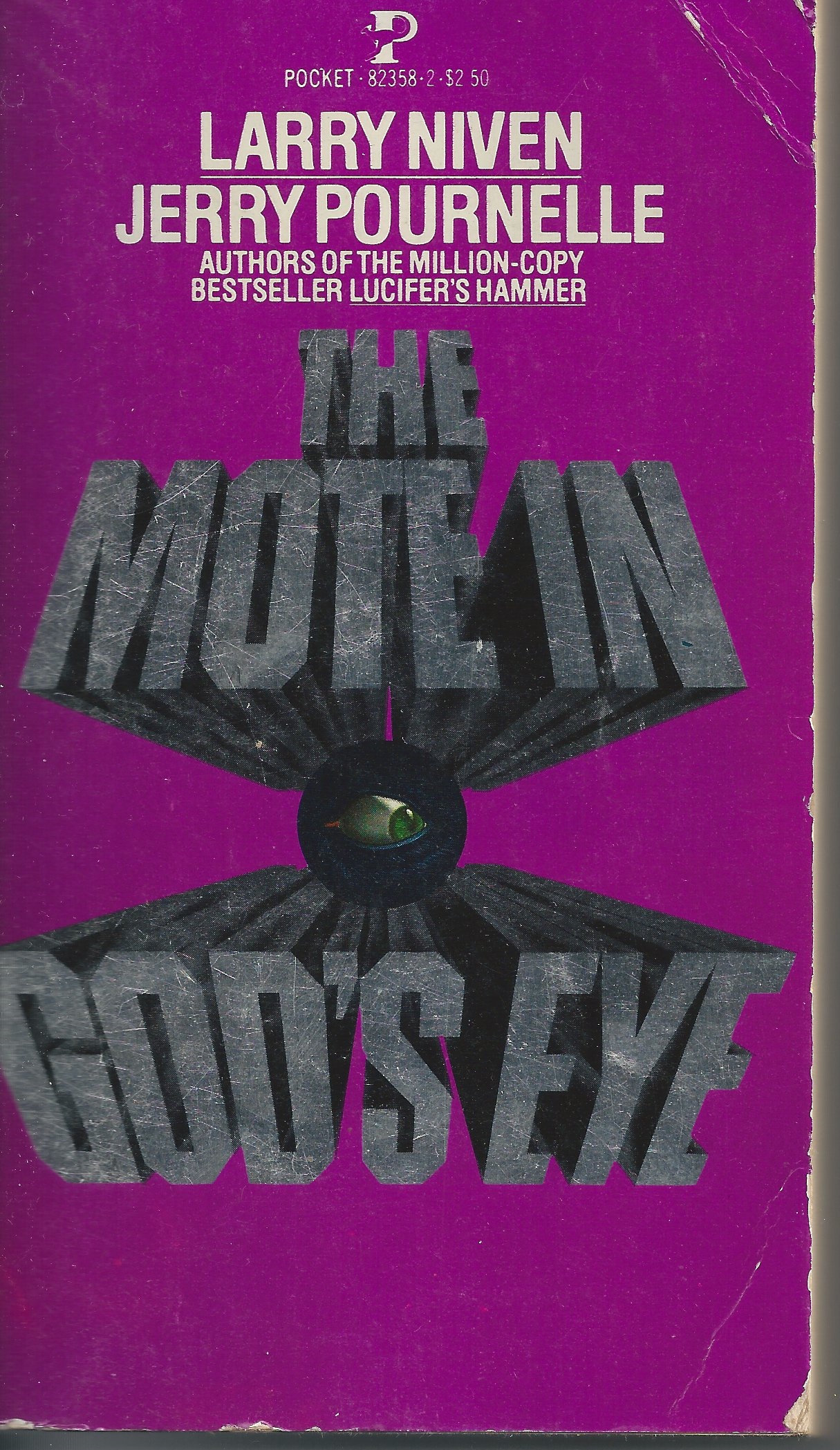
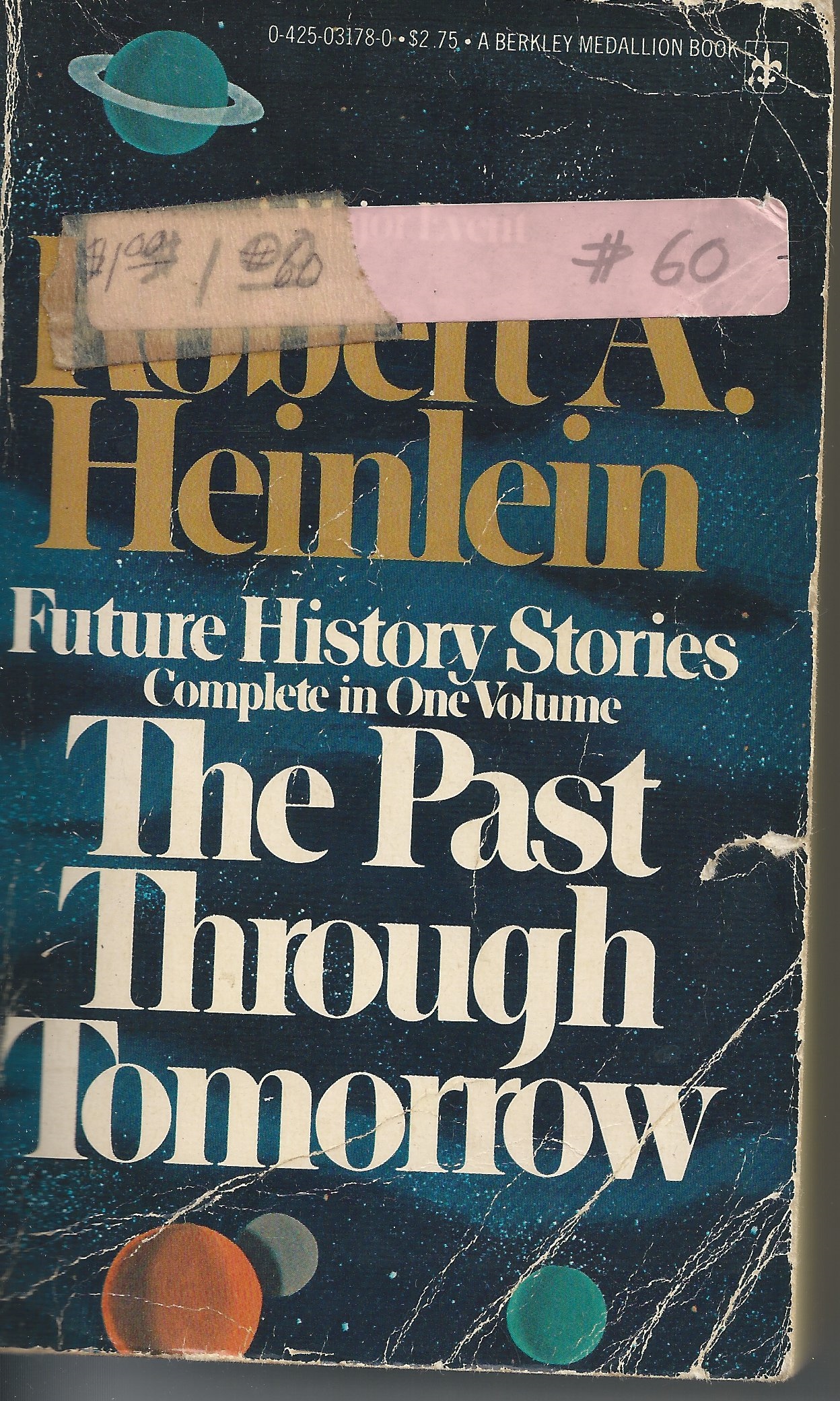
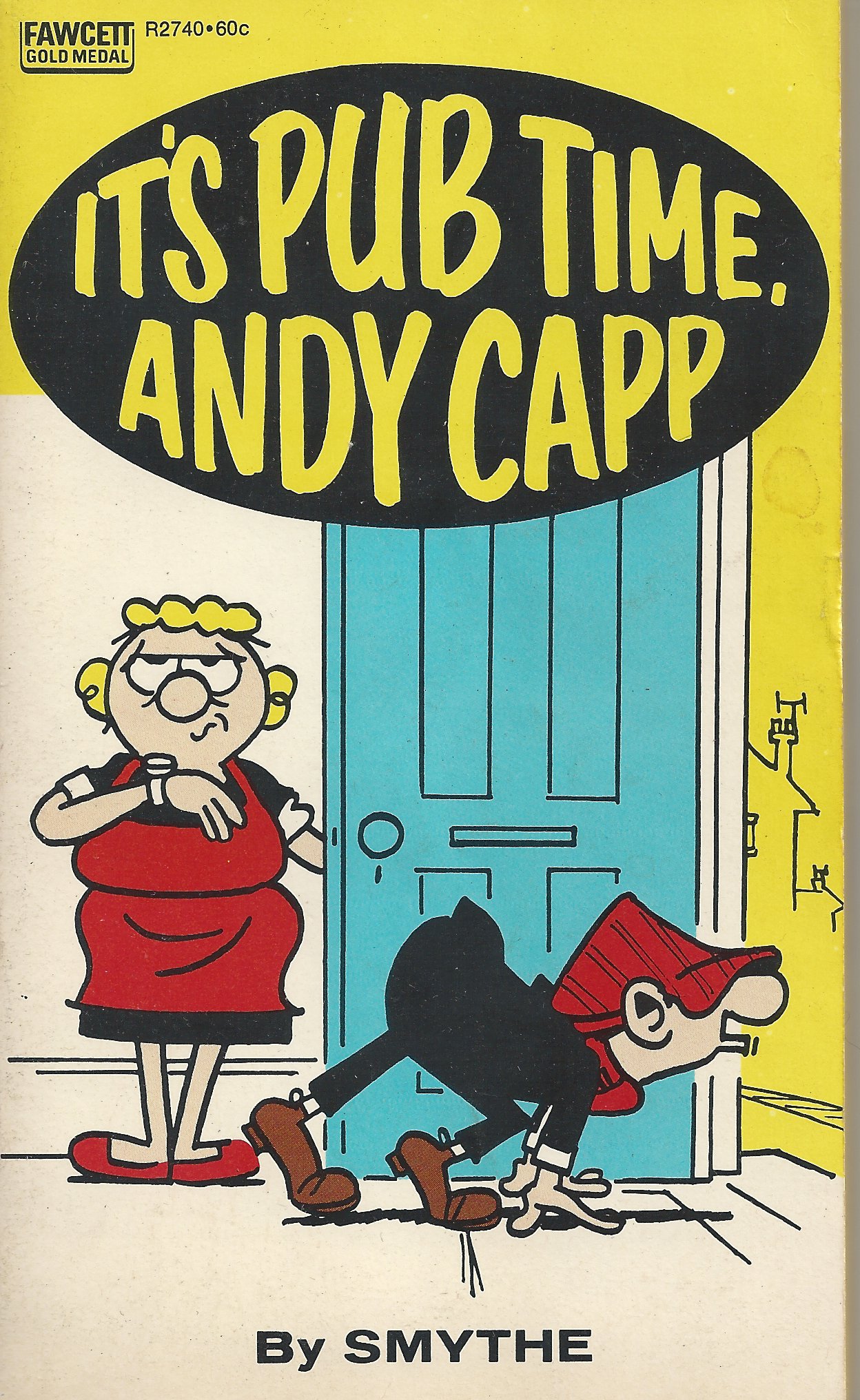
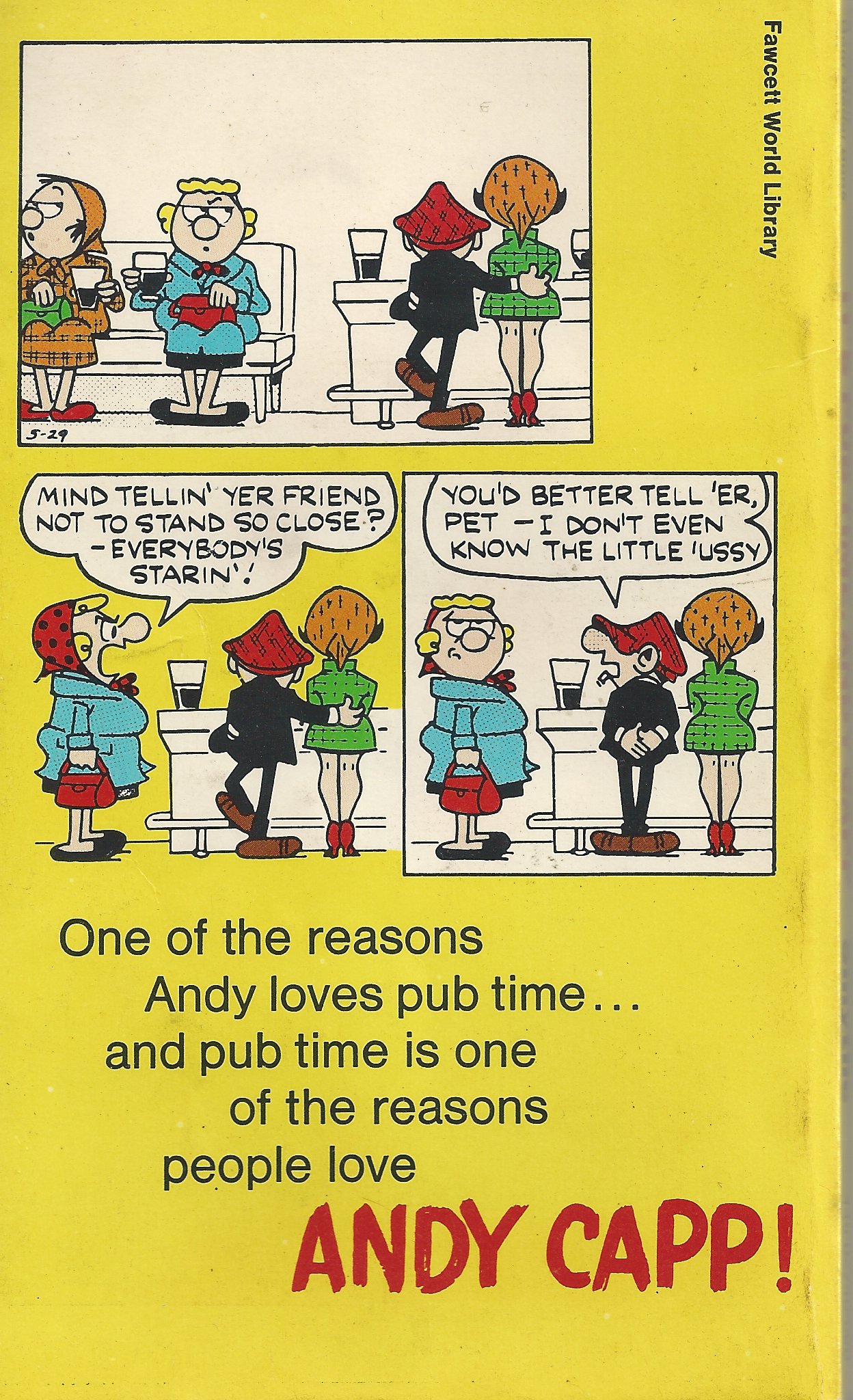
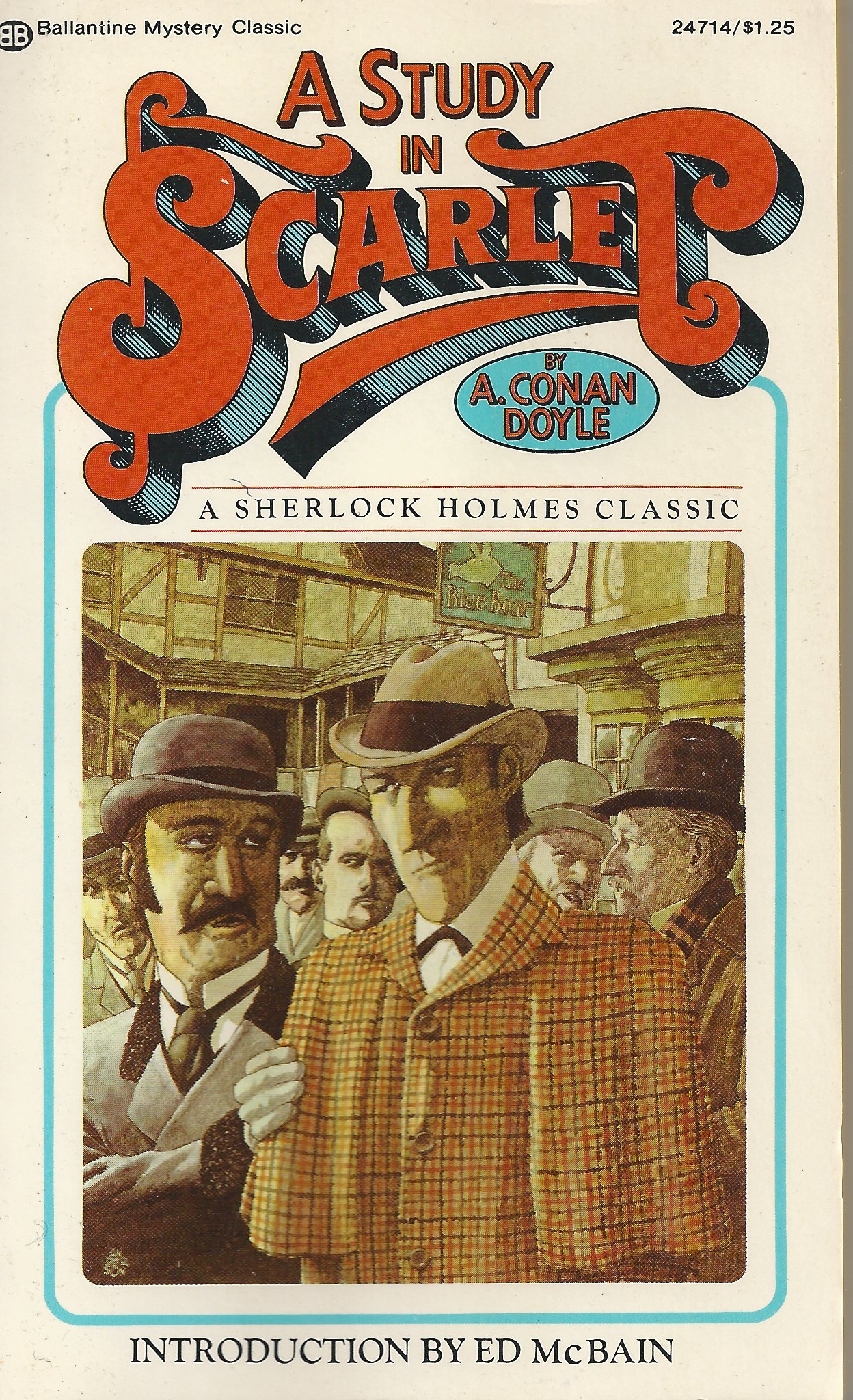
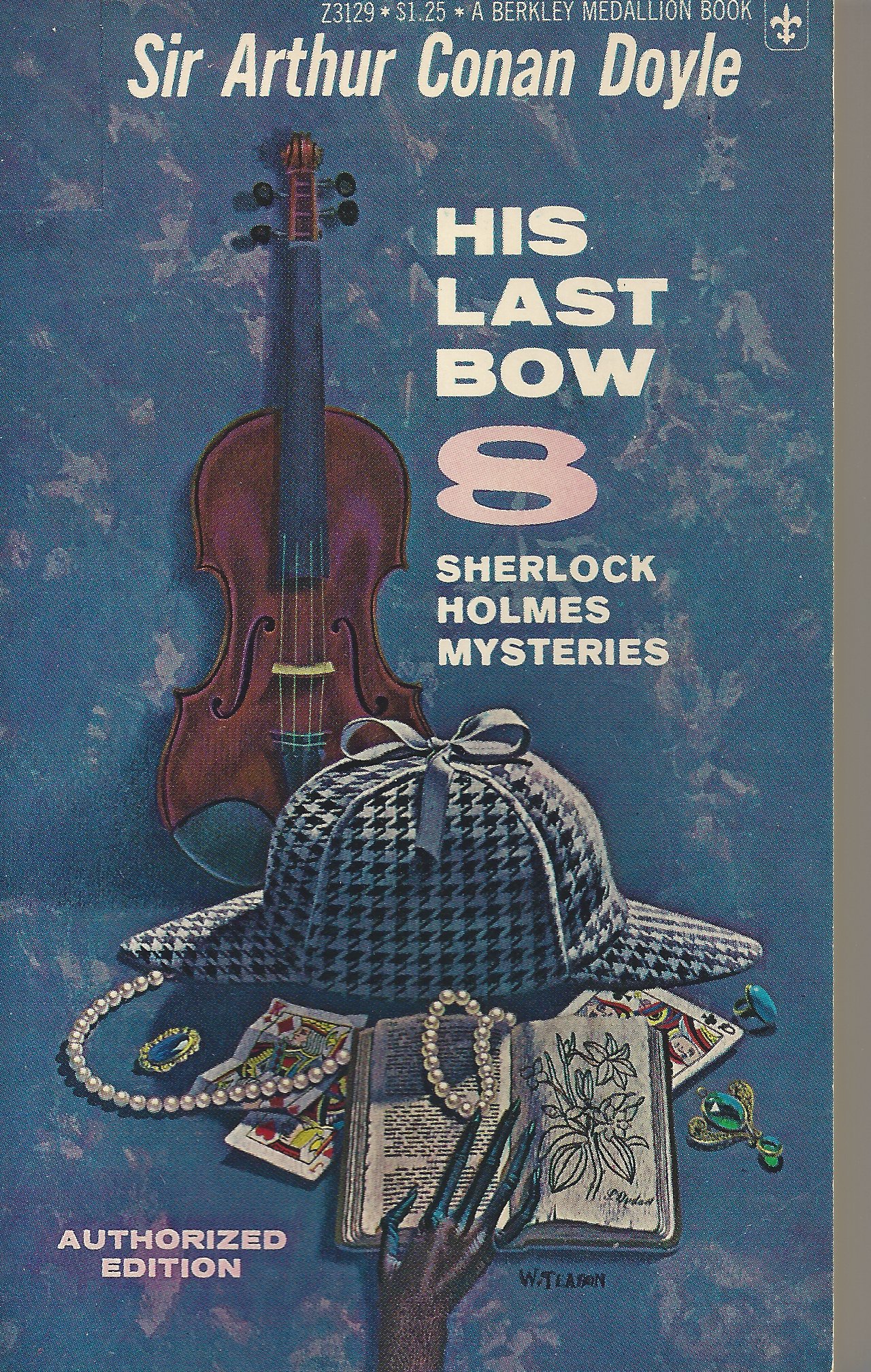
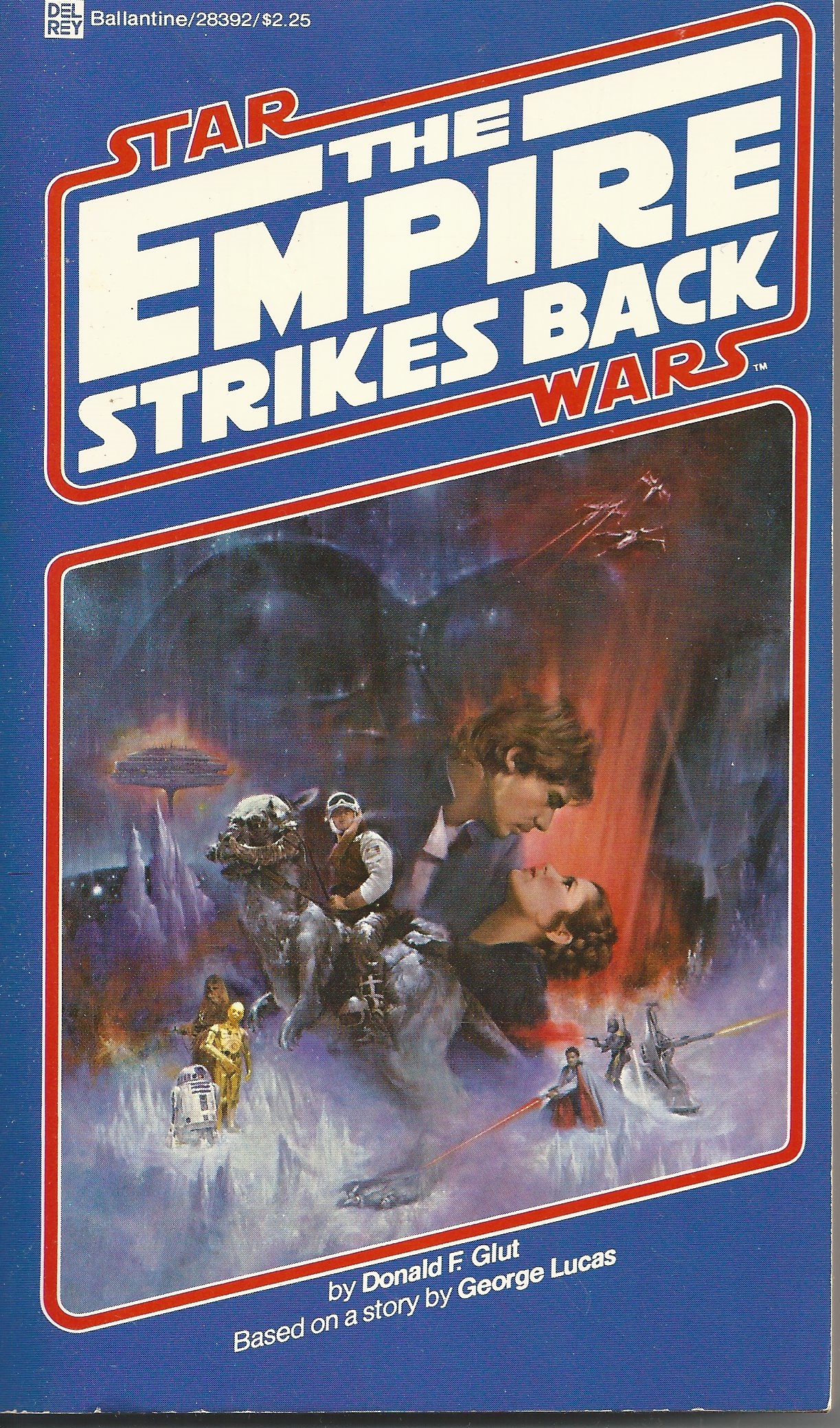
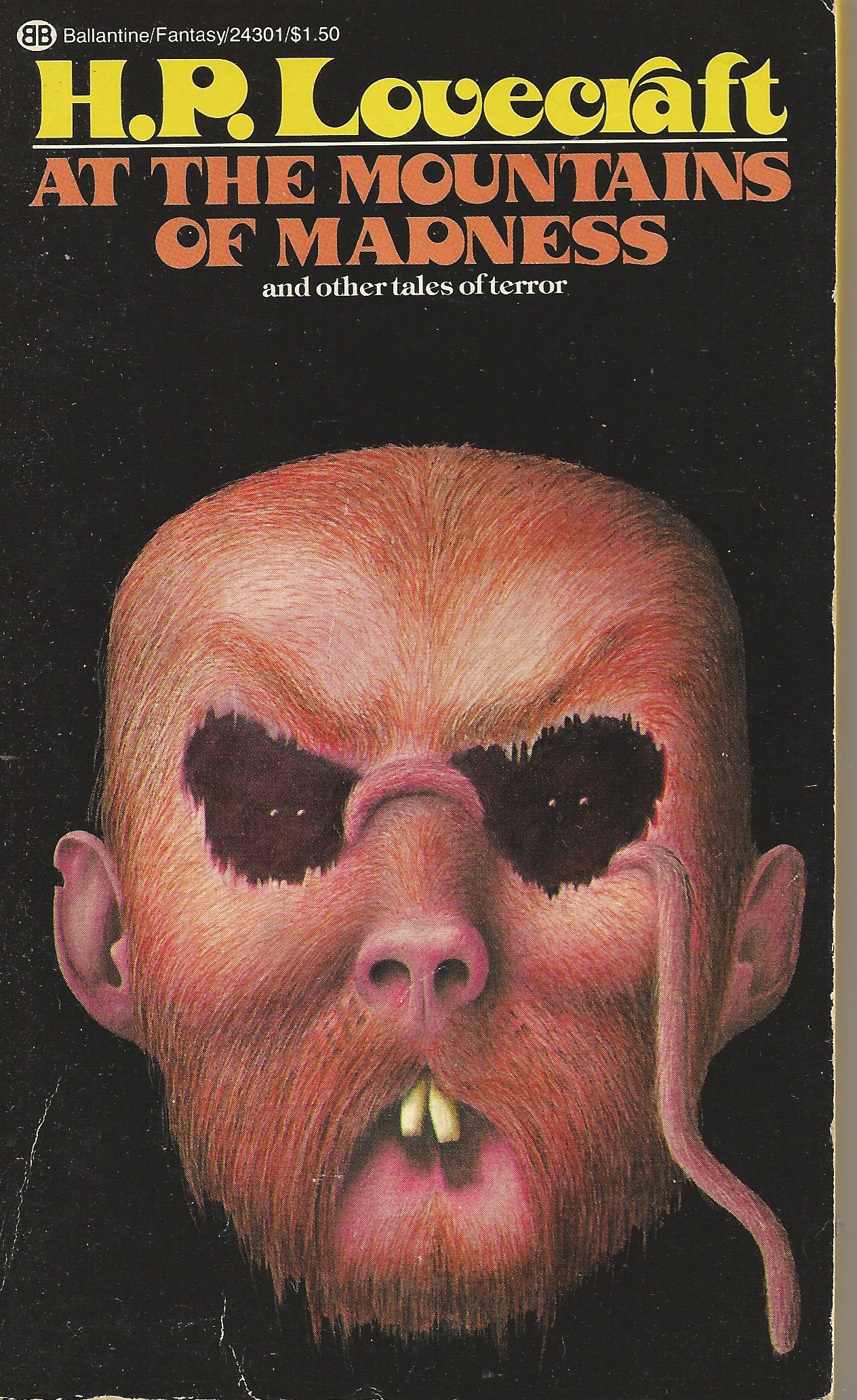
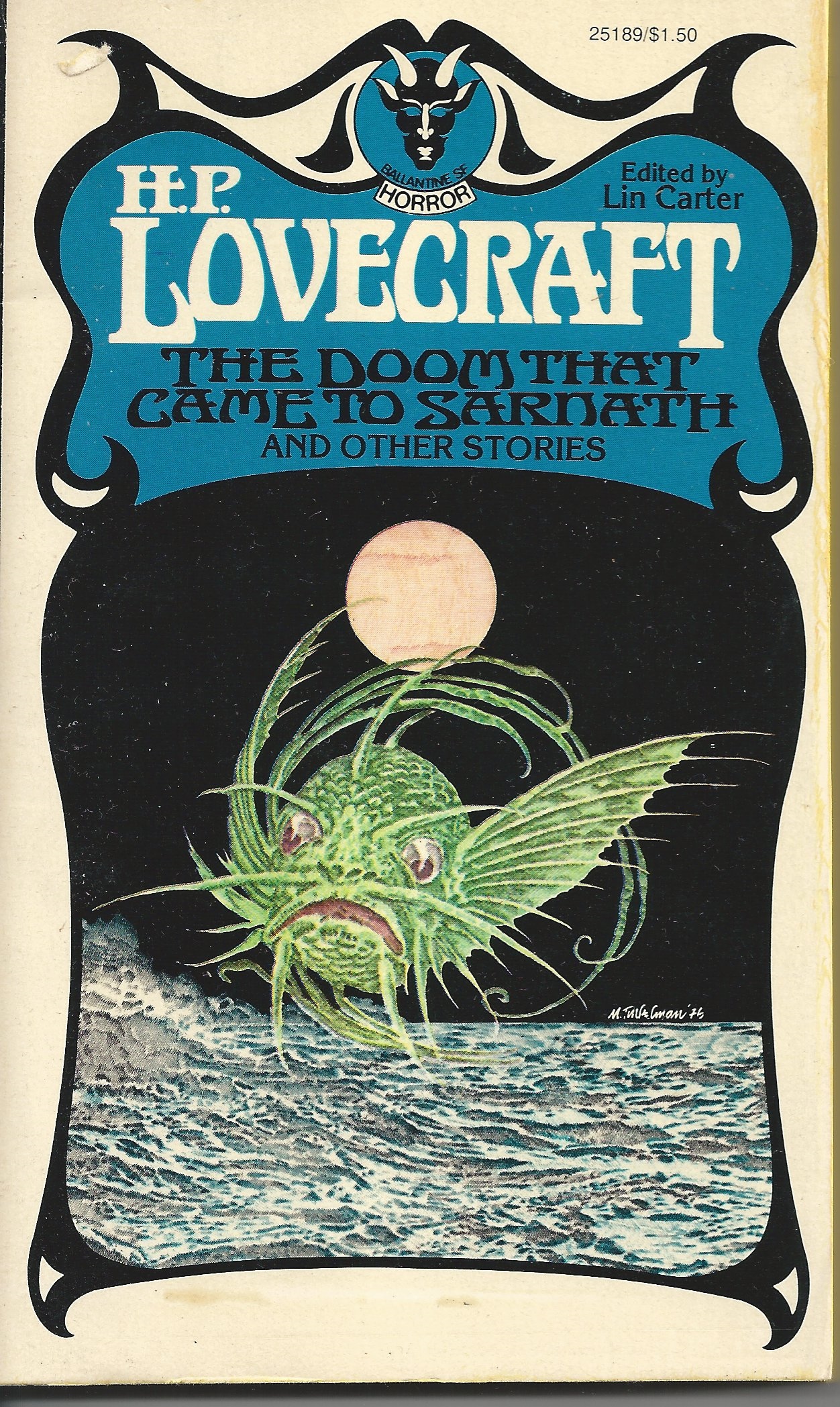
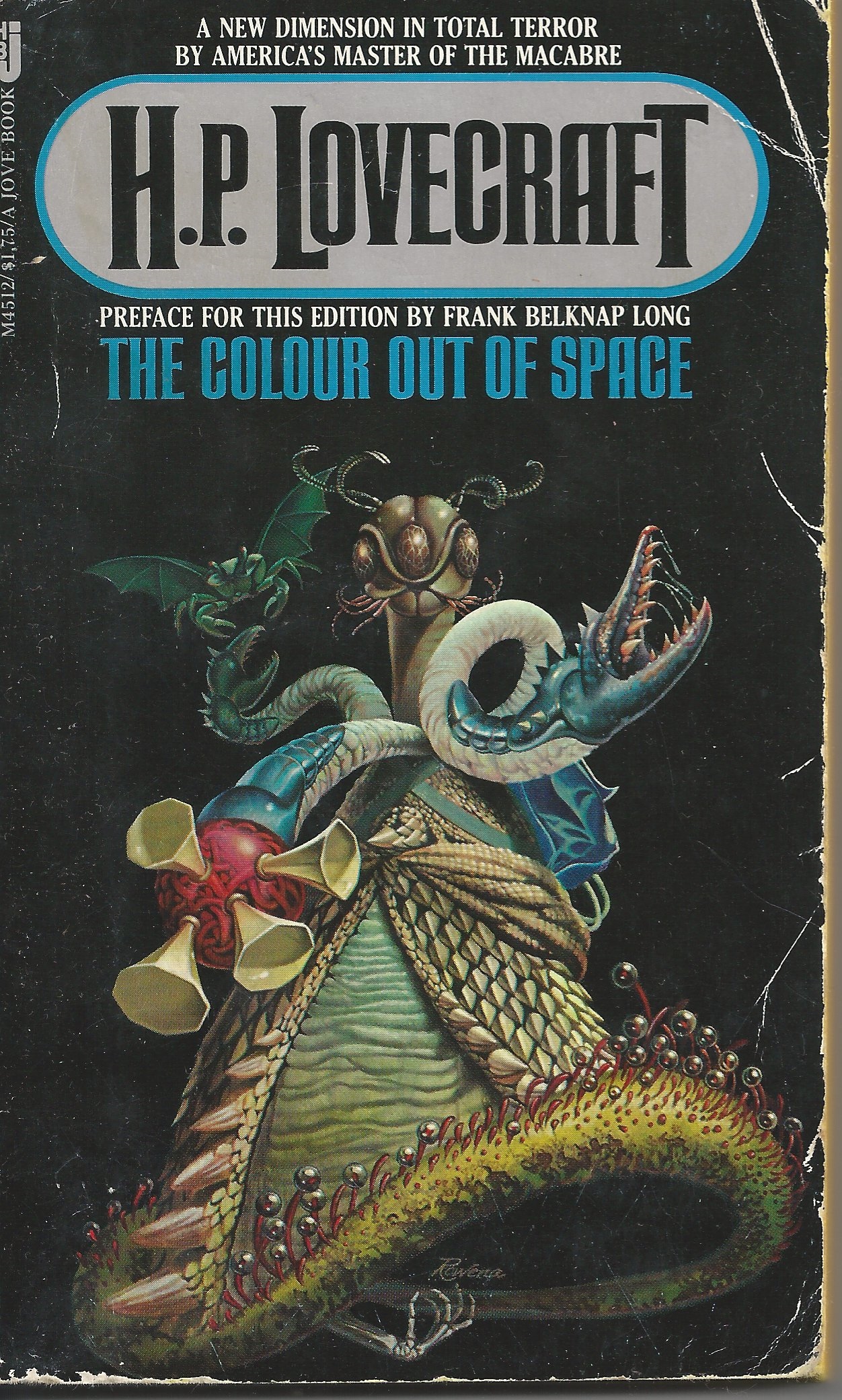
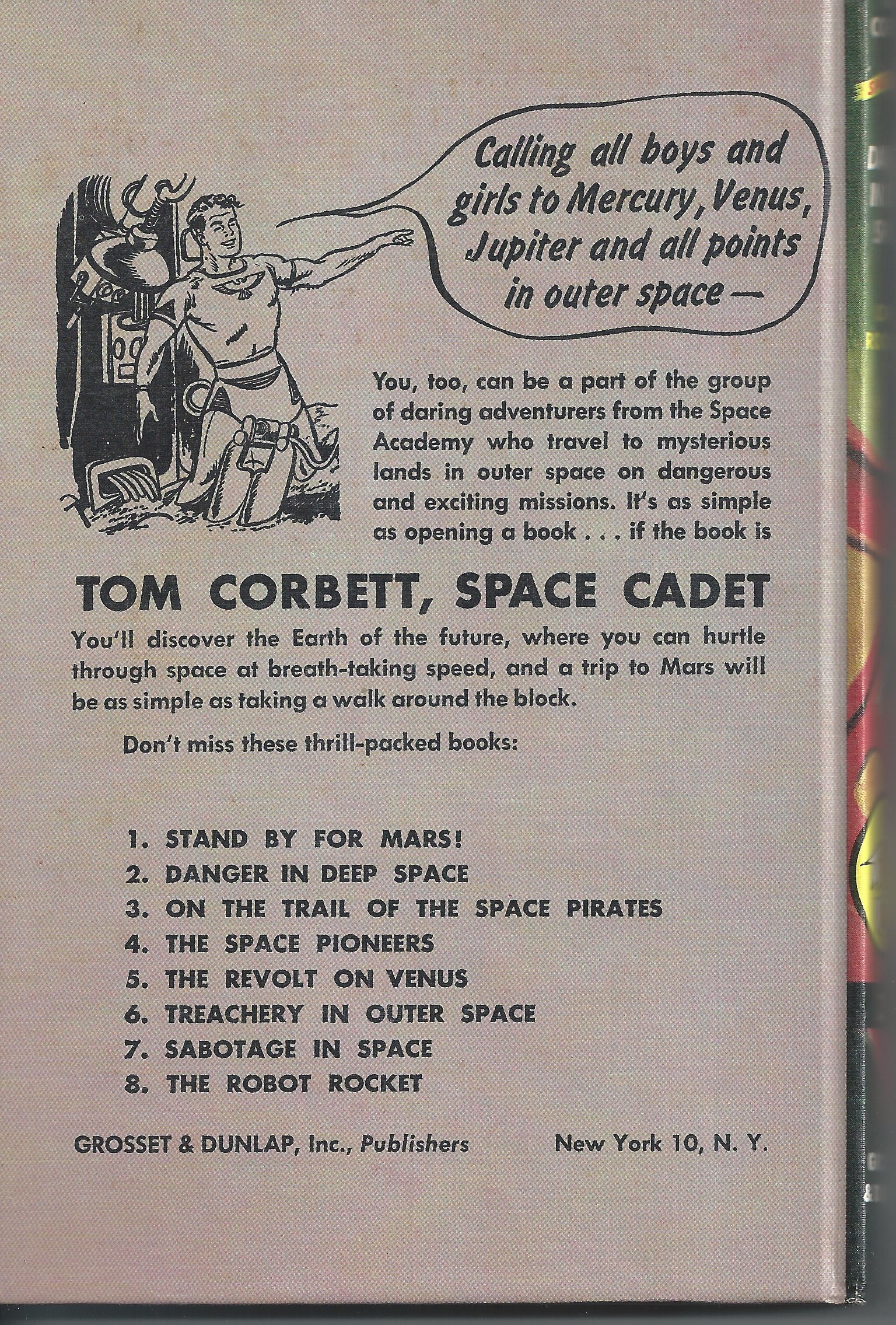
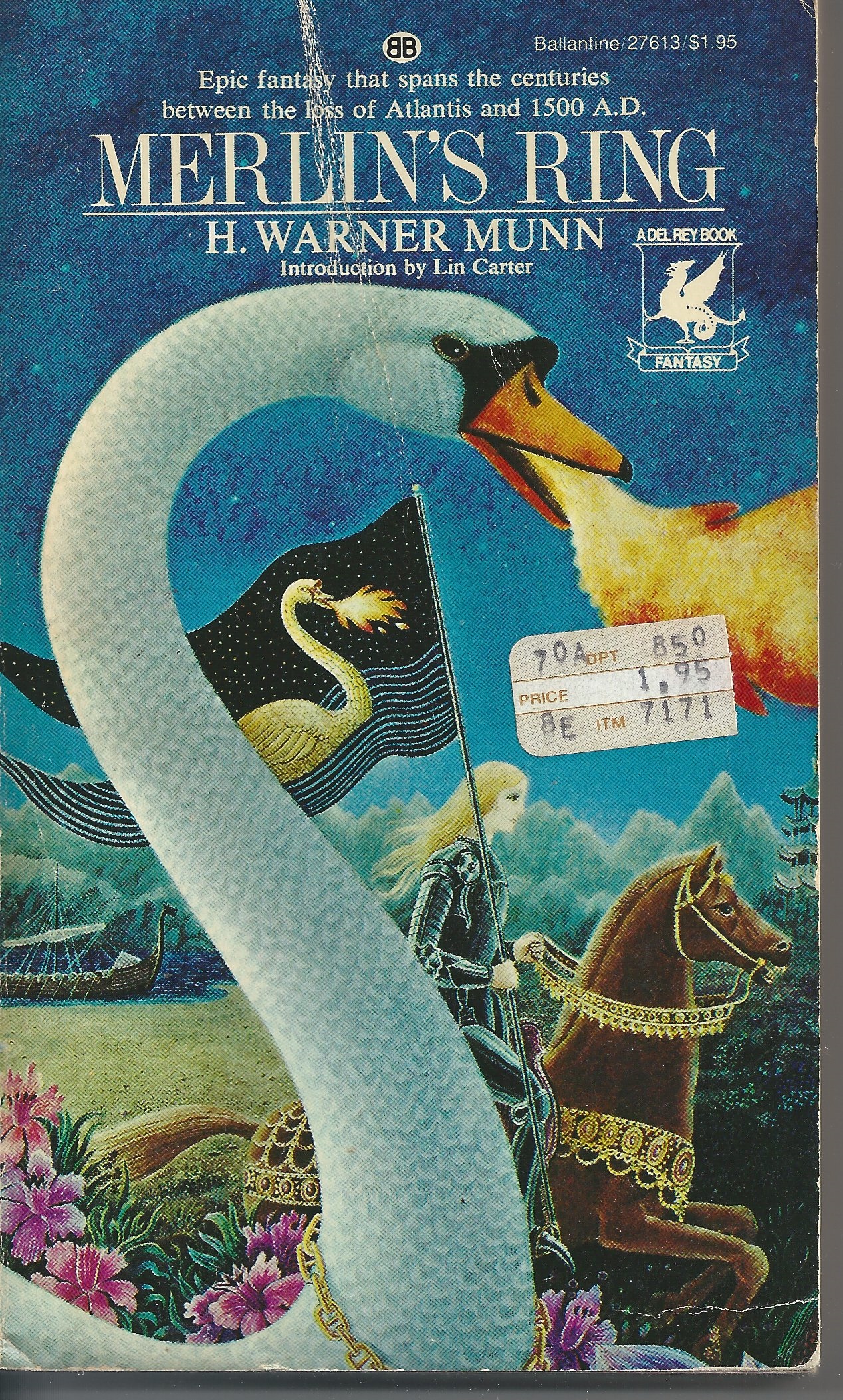
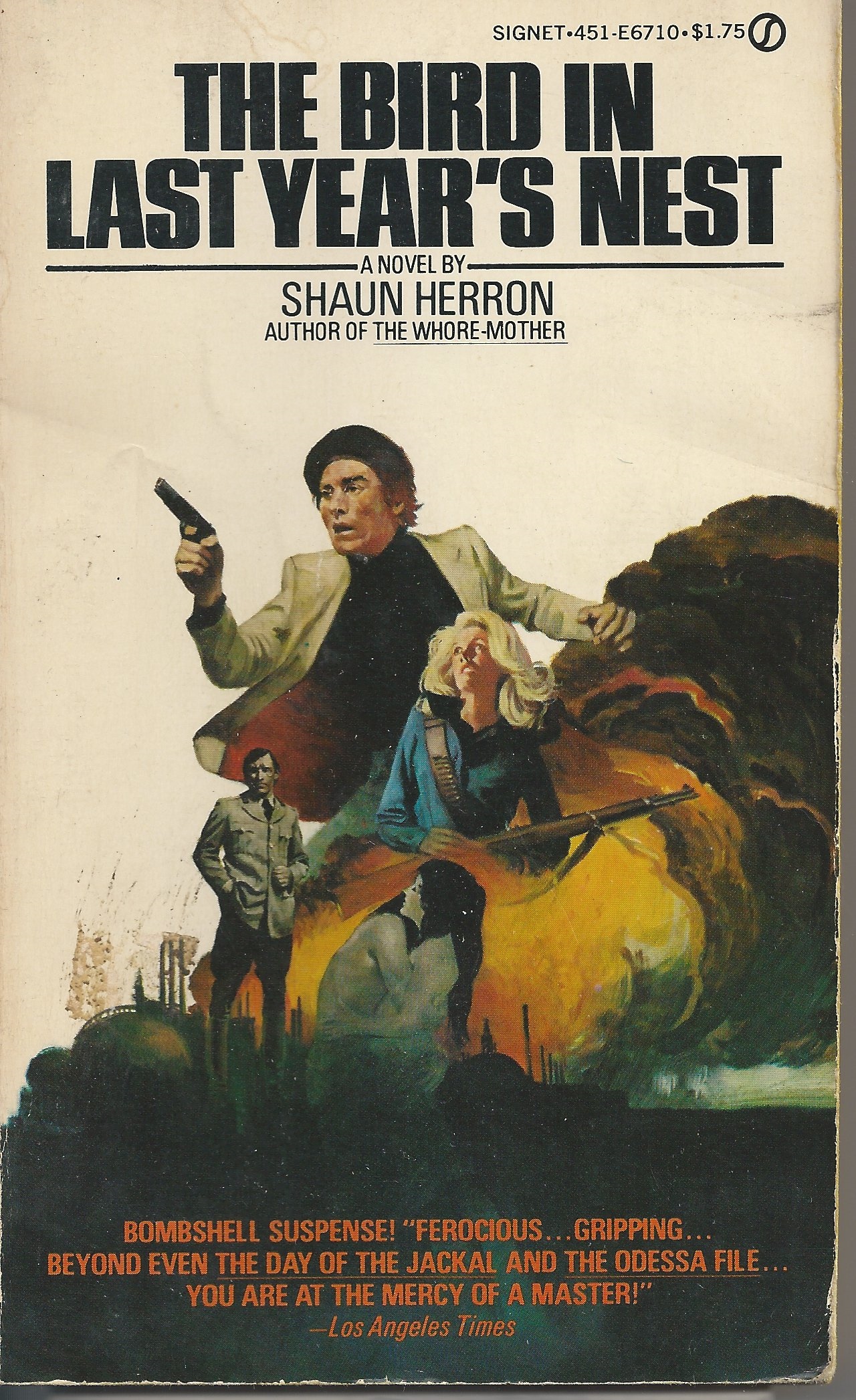
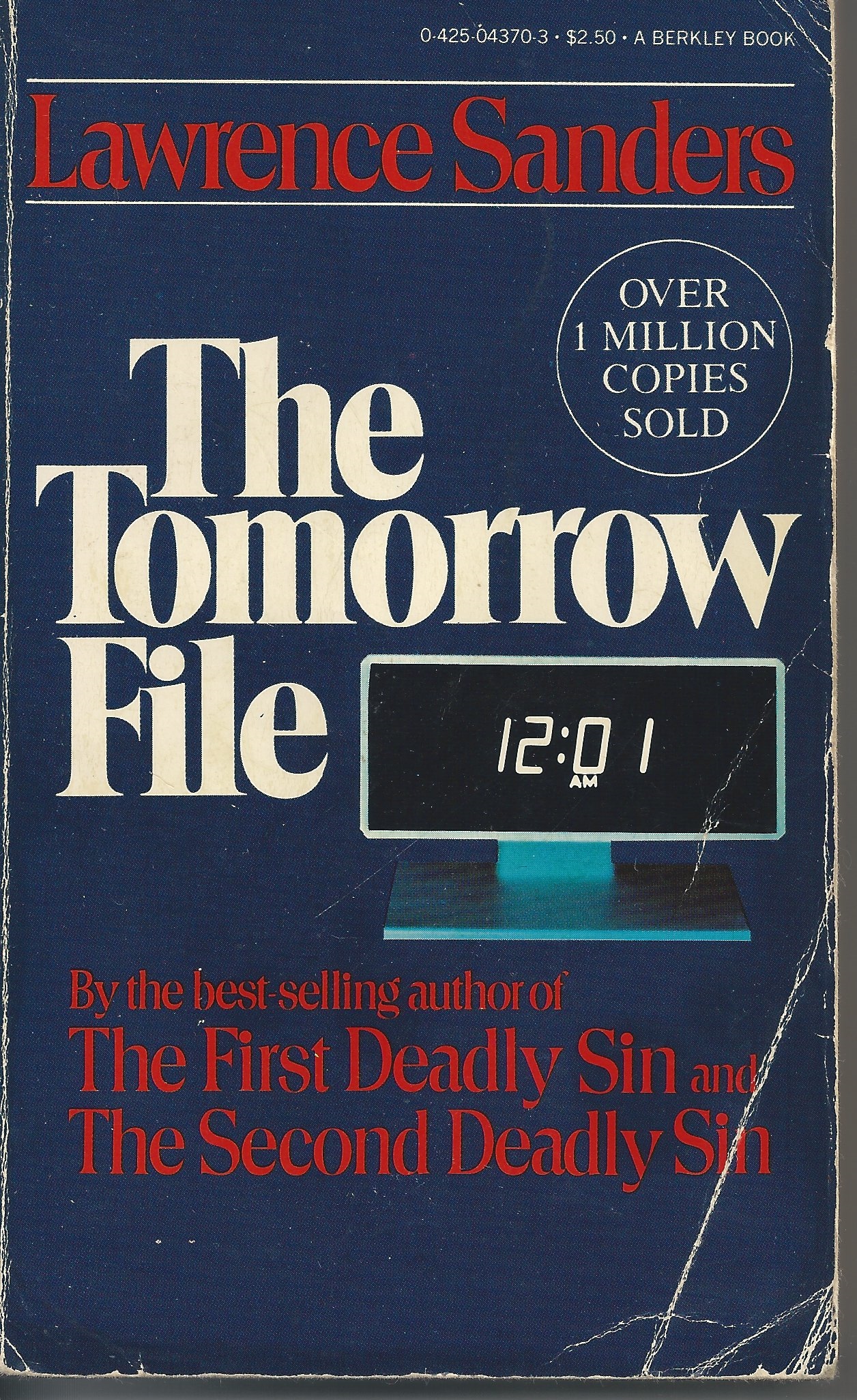
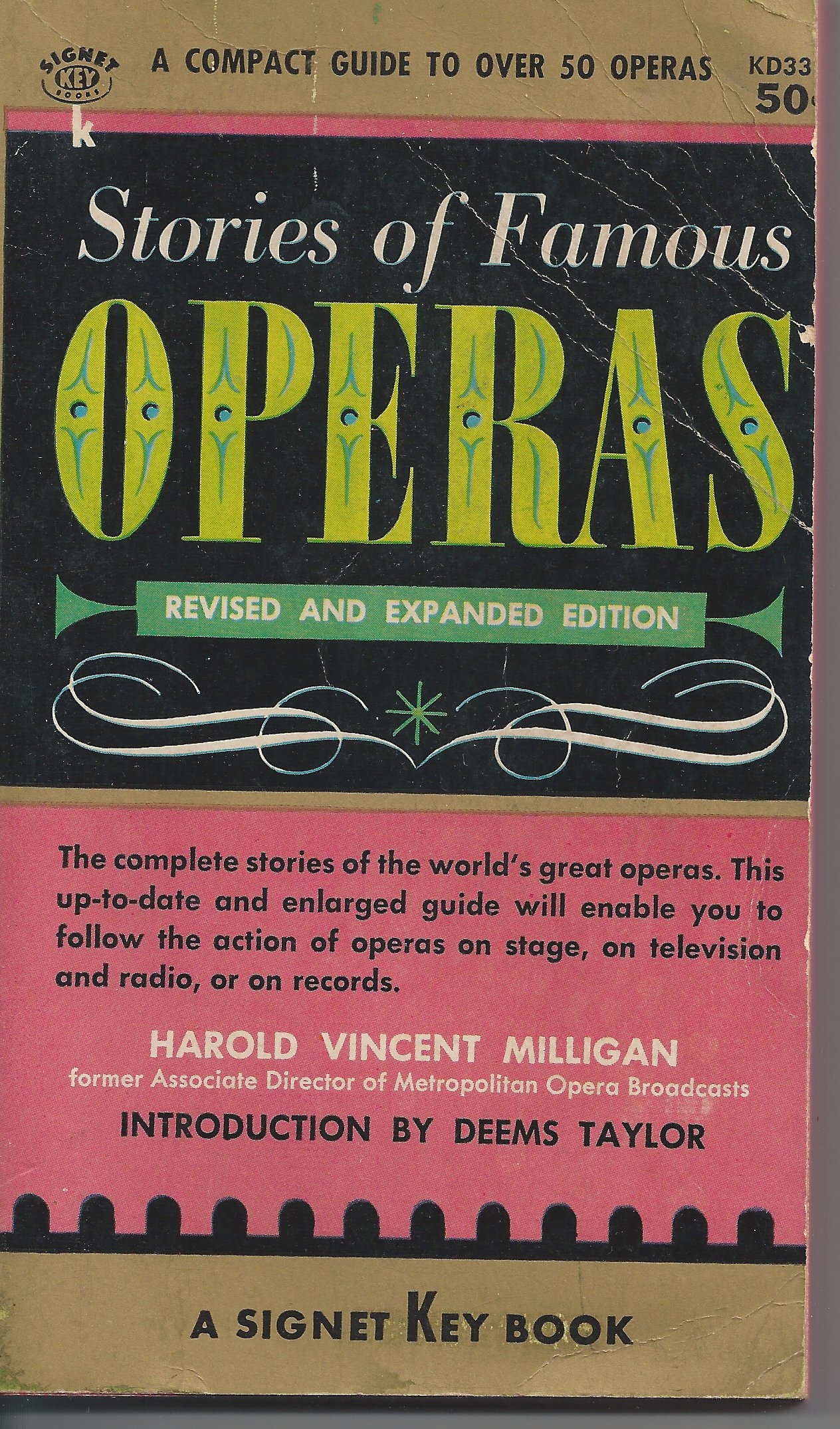
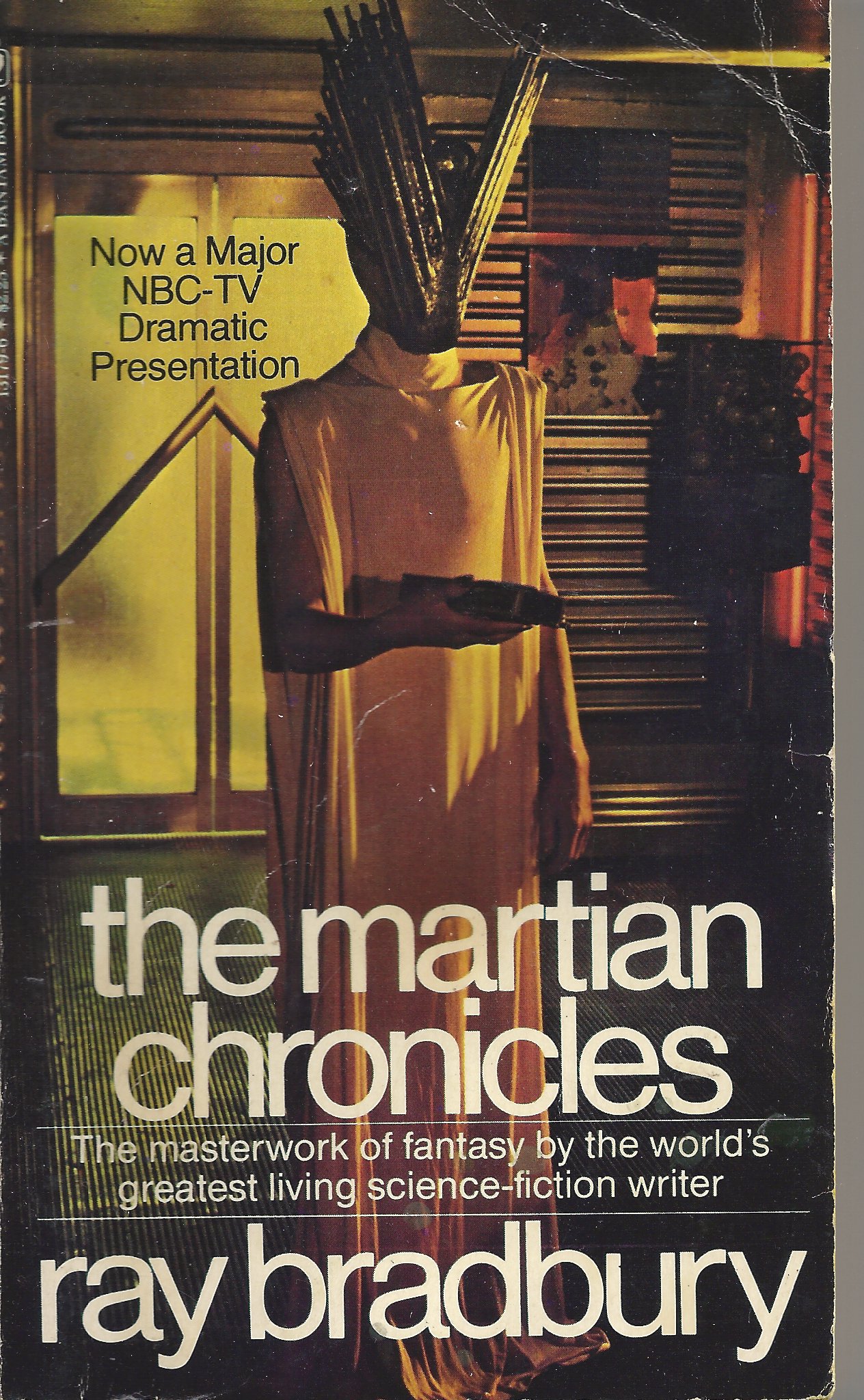
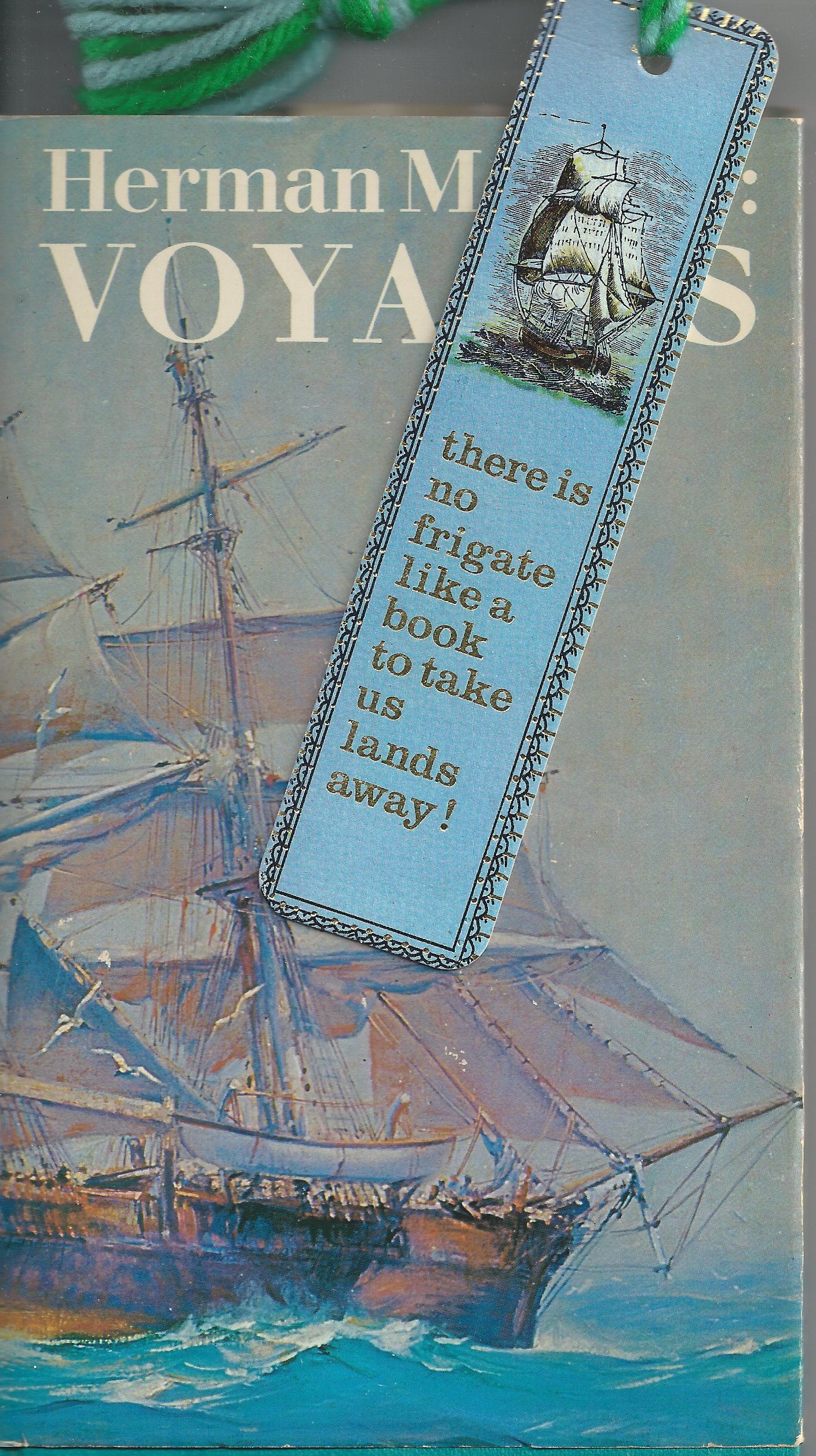
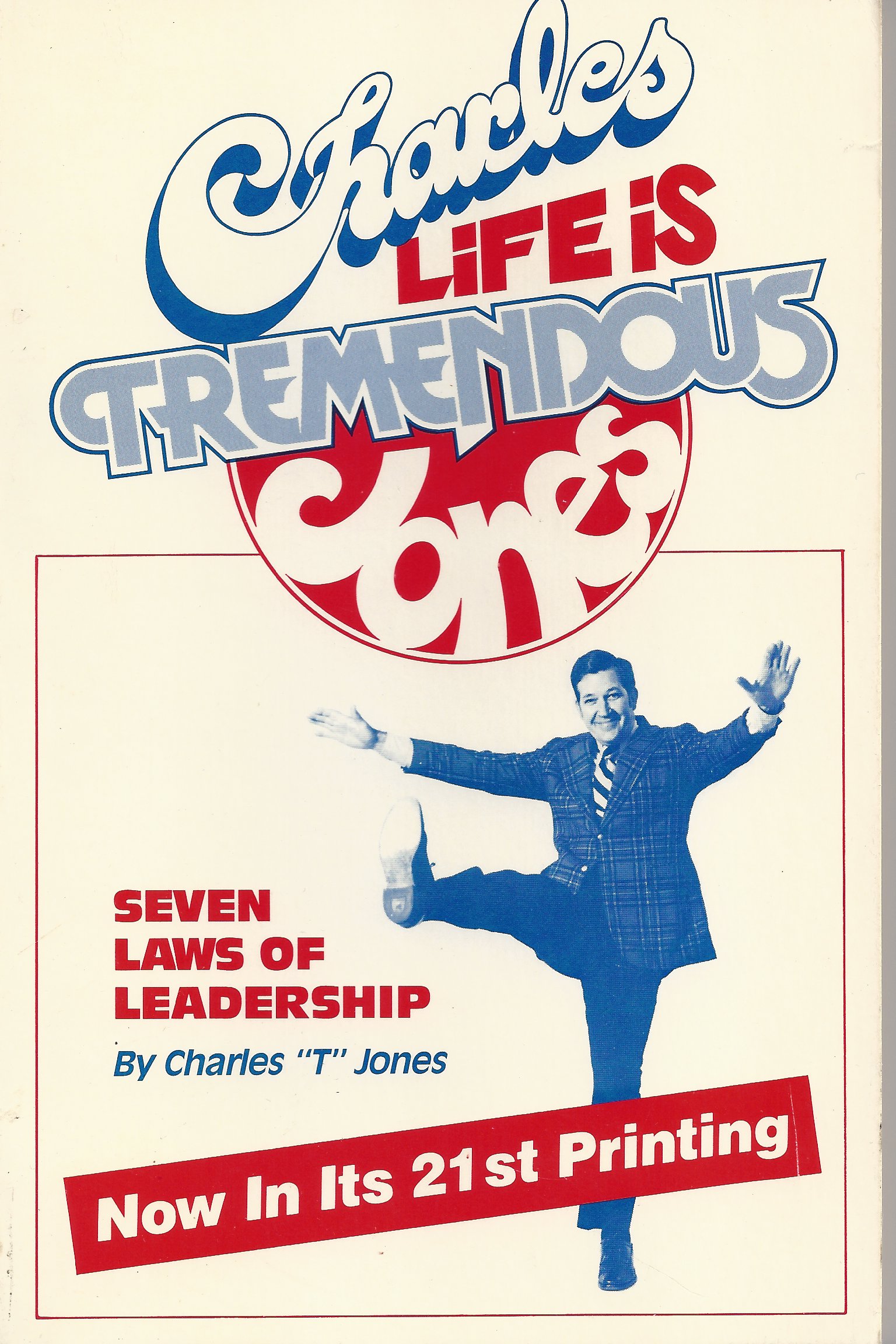
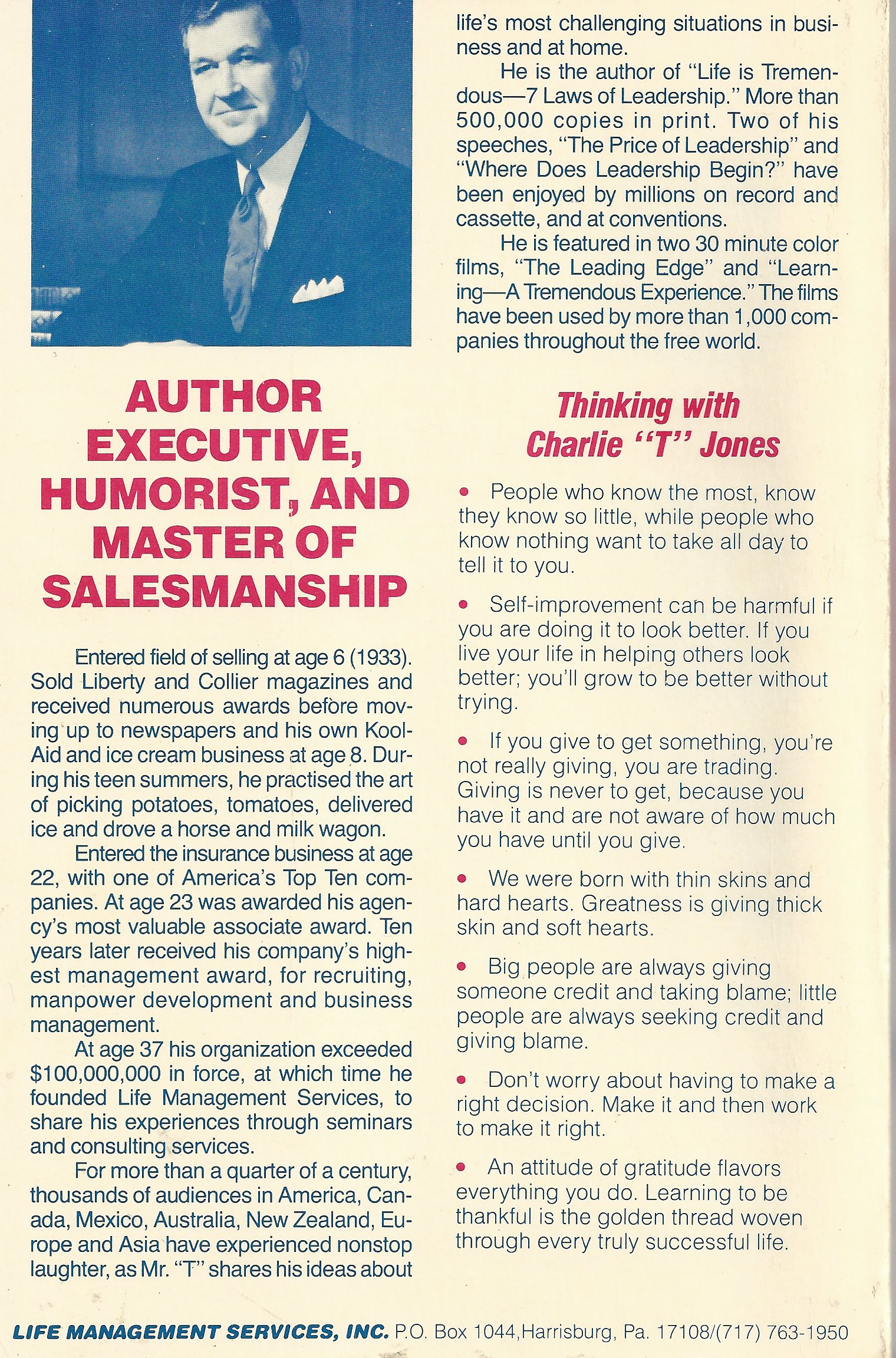
Well, these book titles may point you in the right direction:



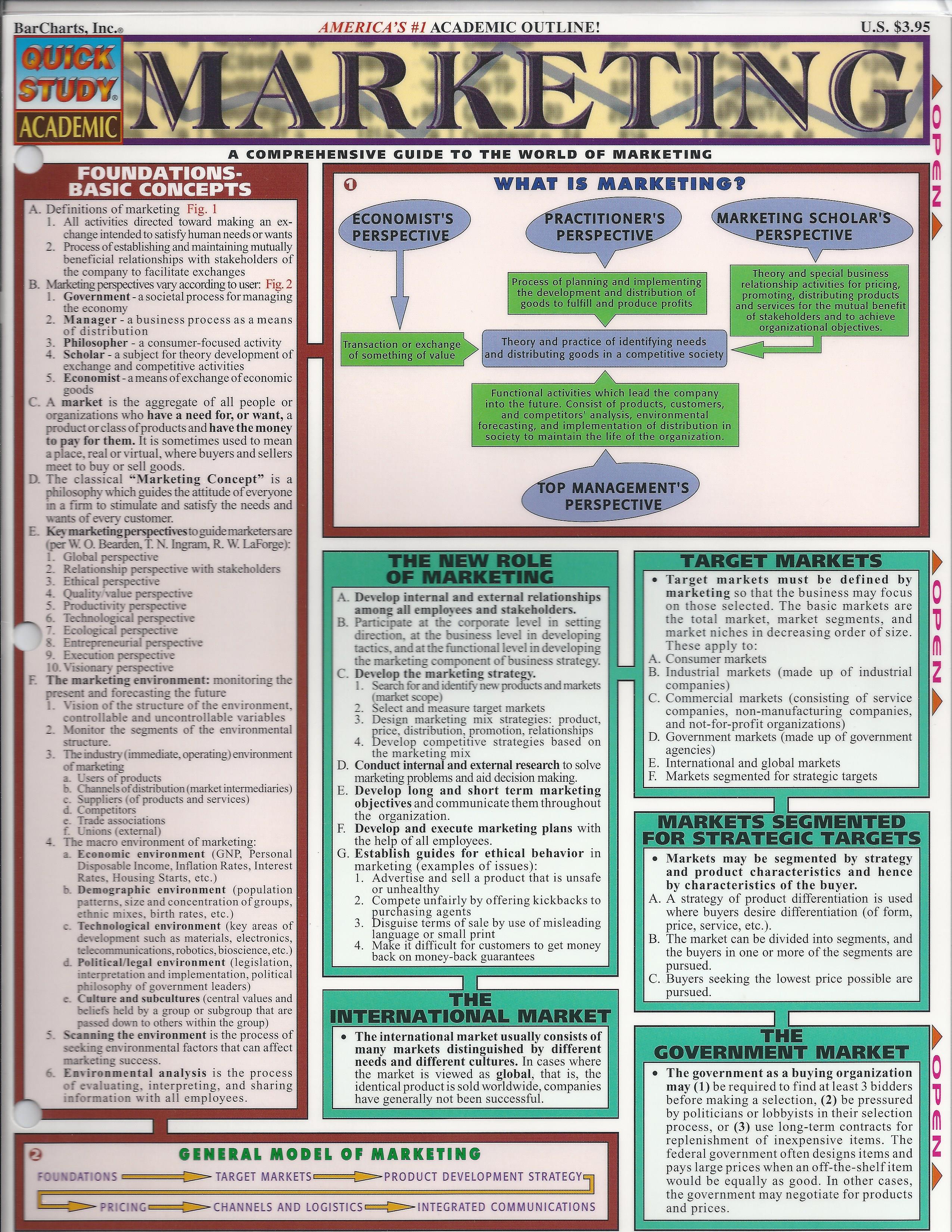
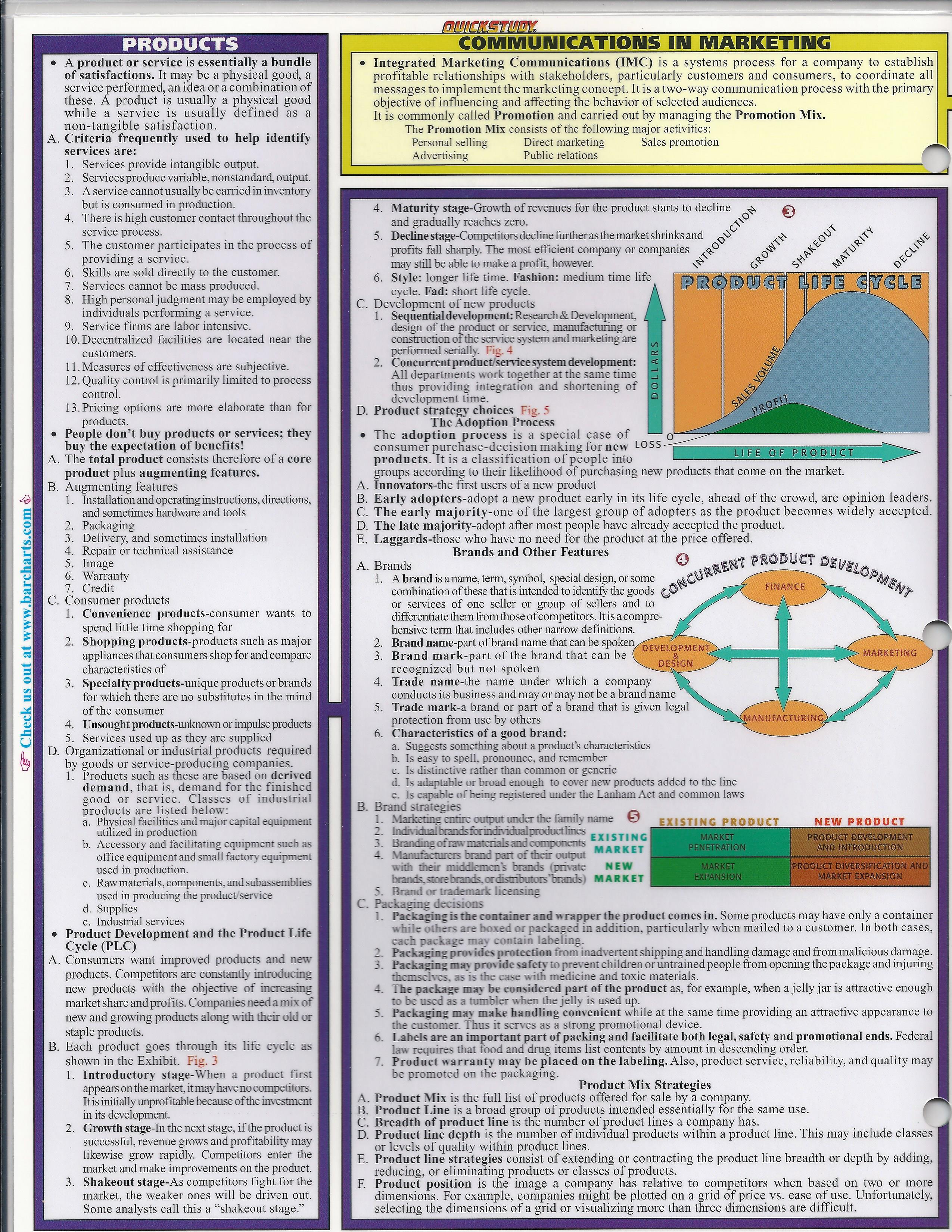

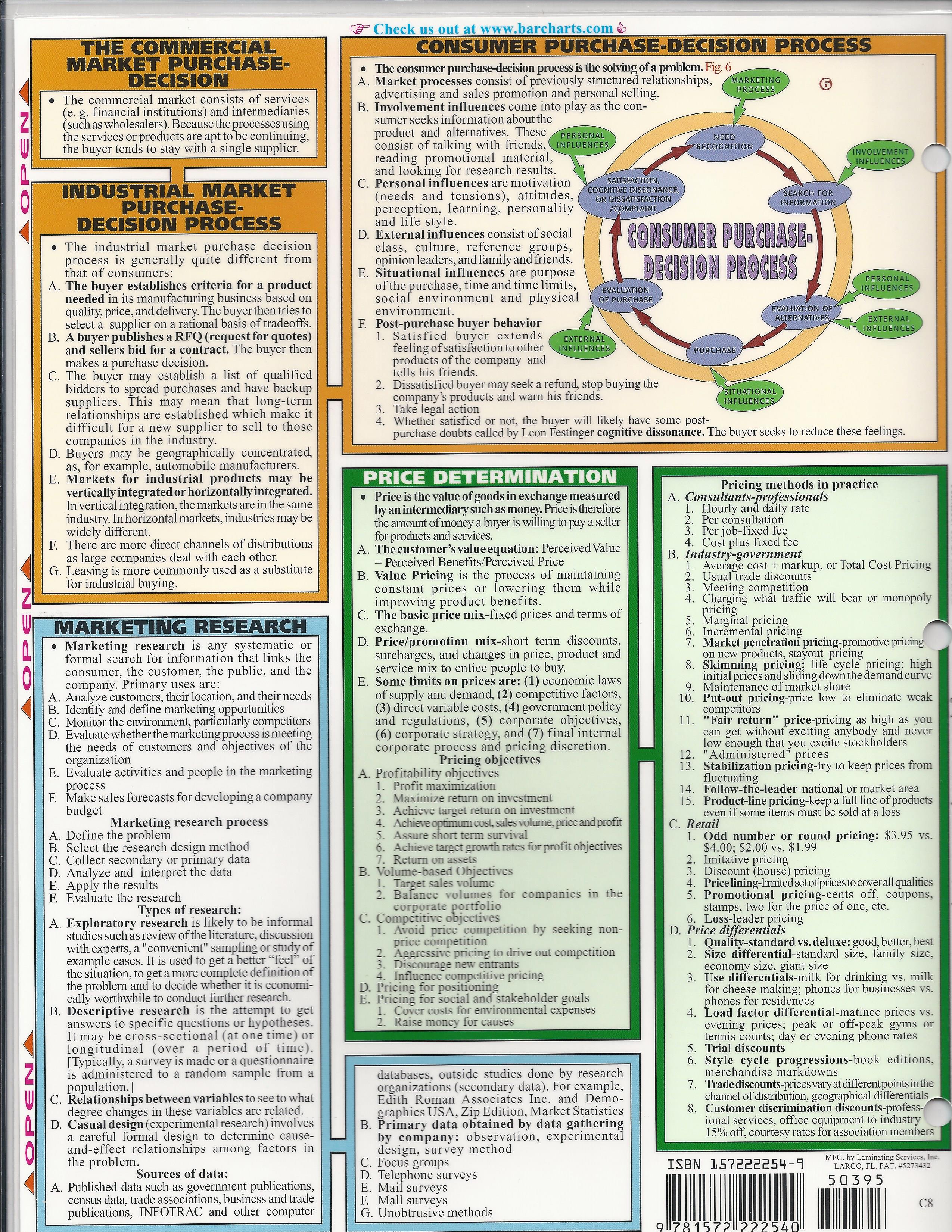
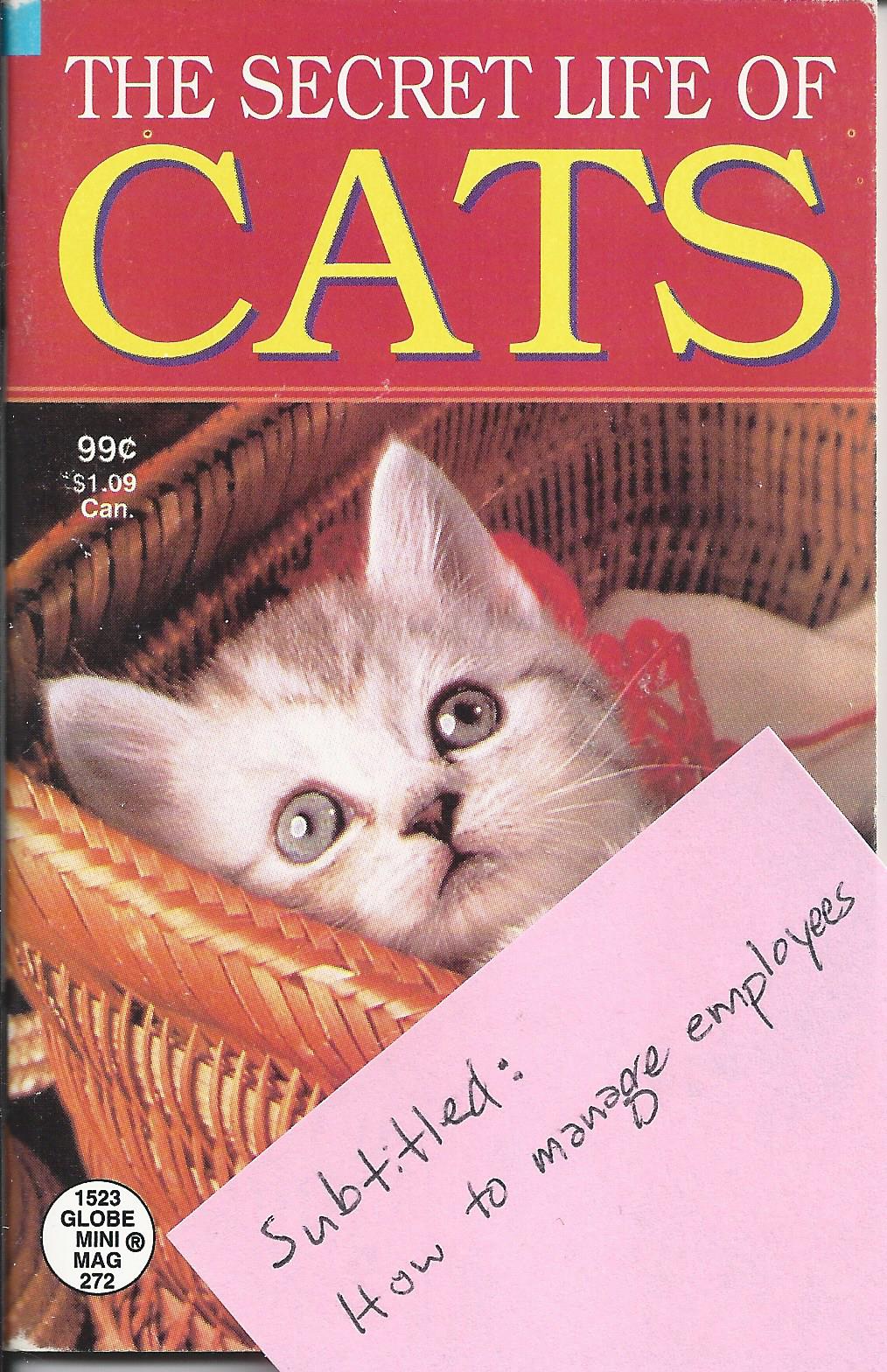
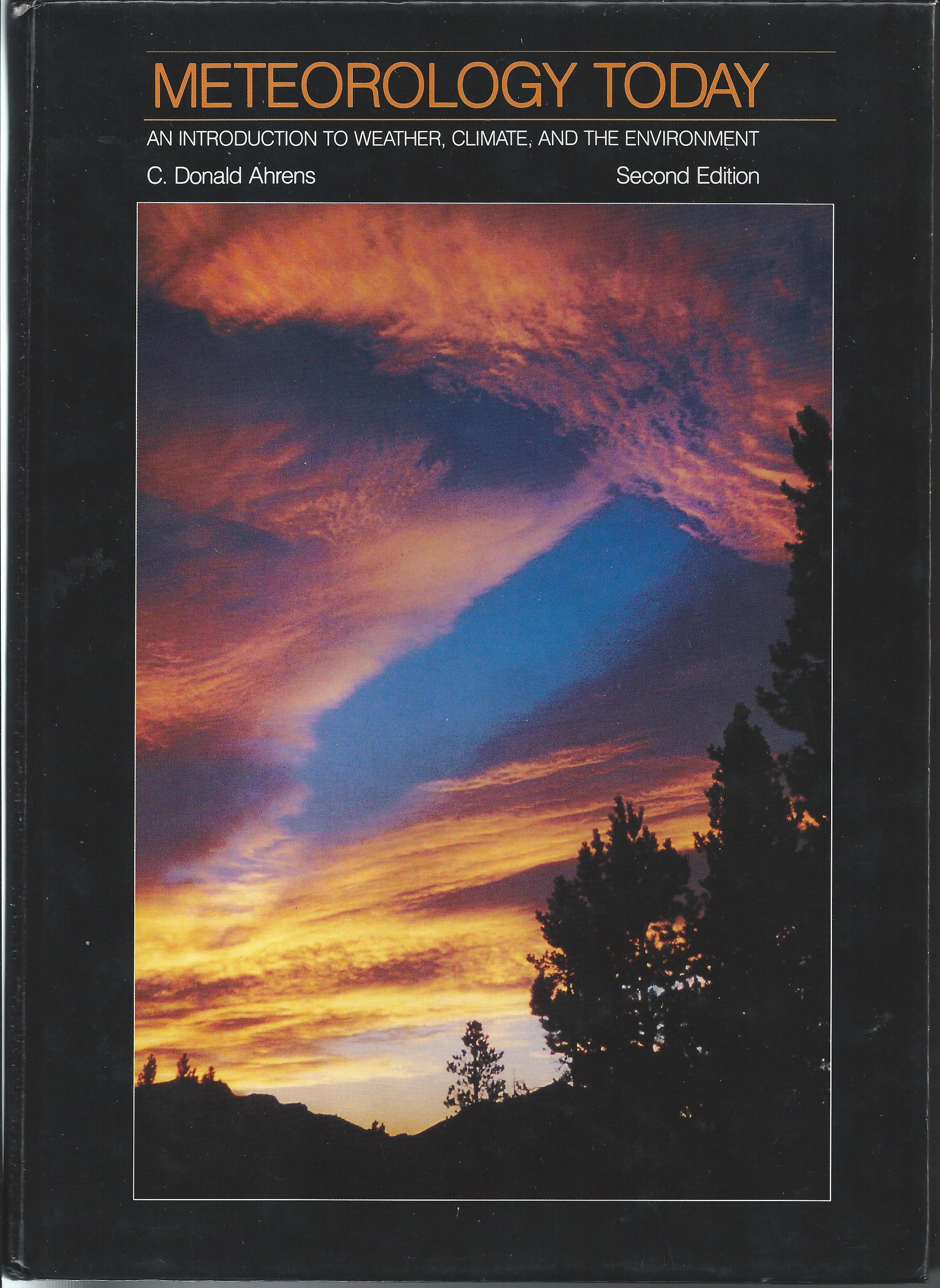


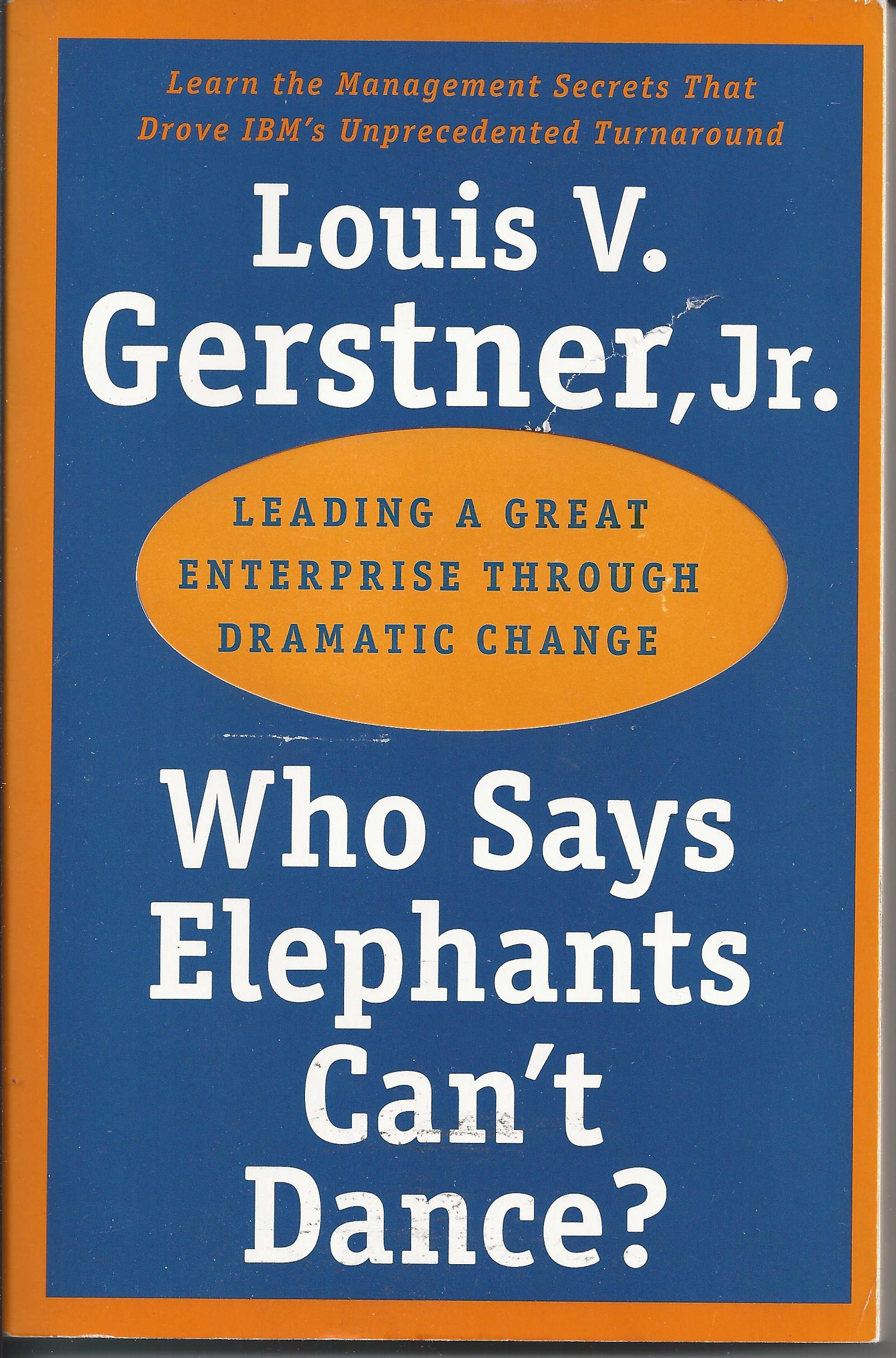

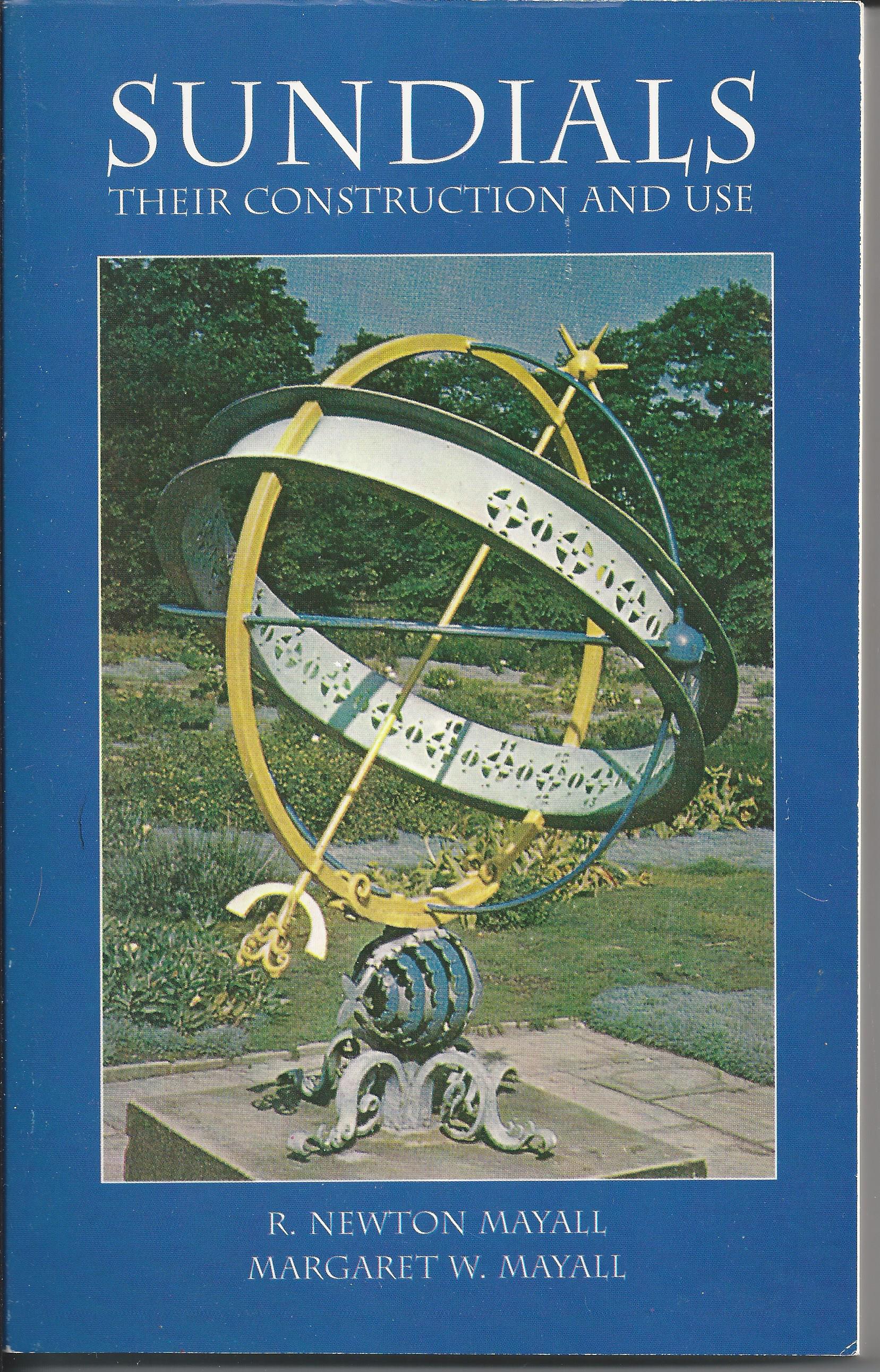
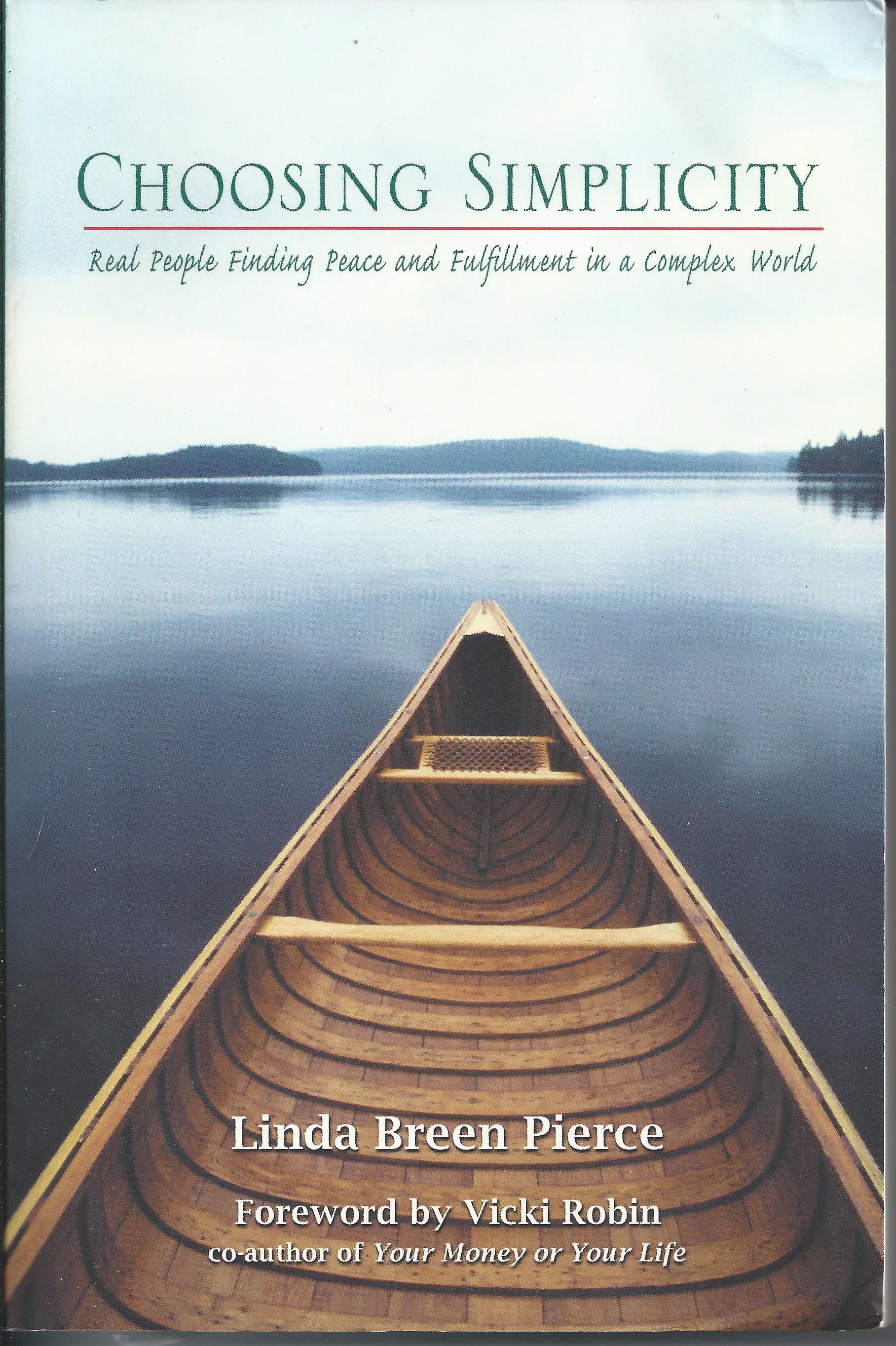


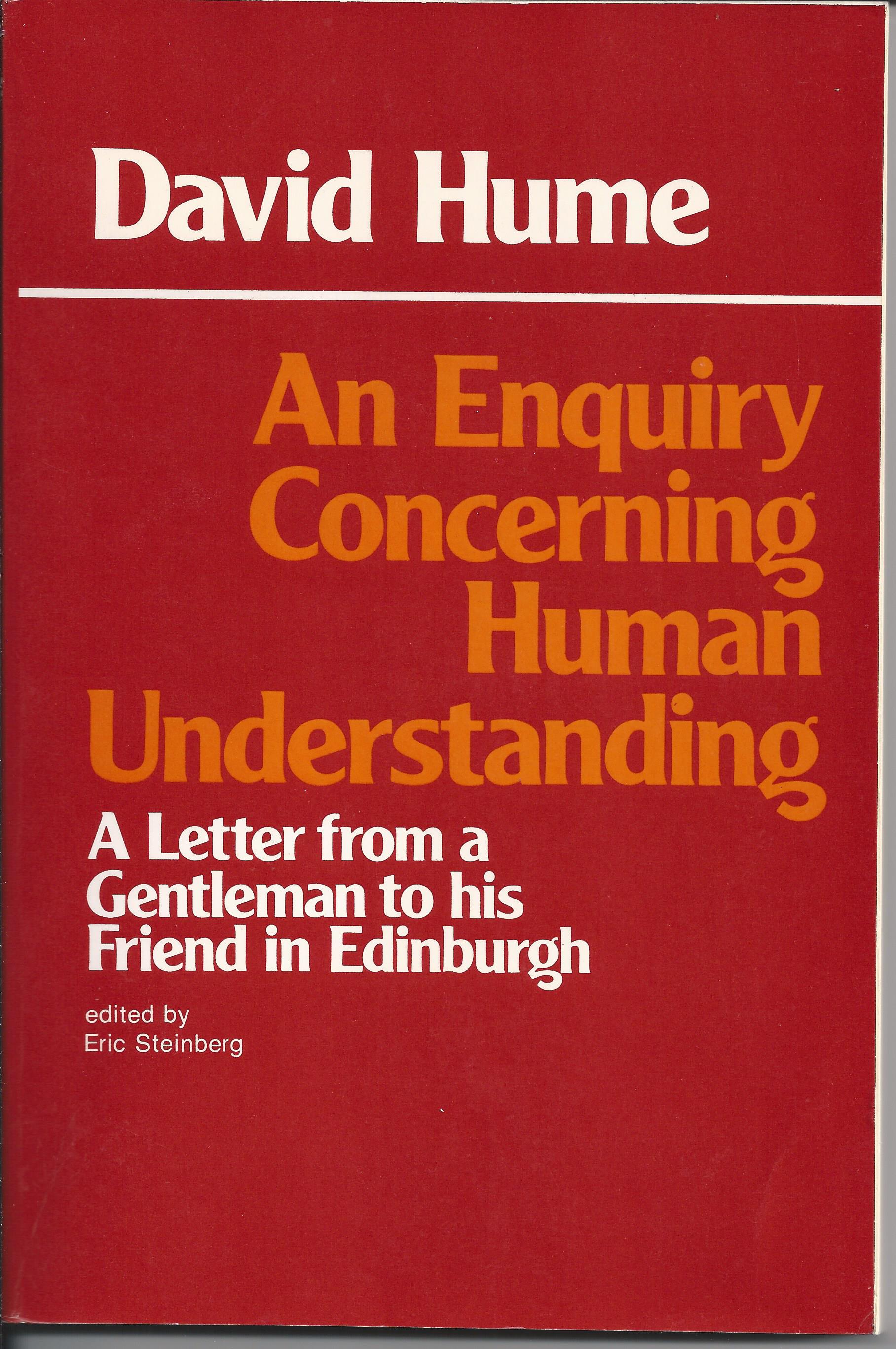


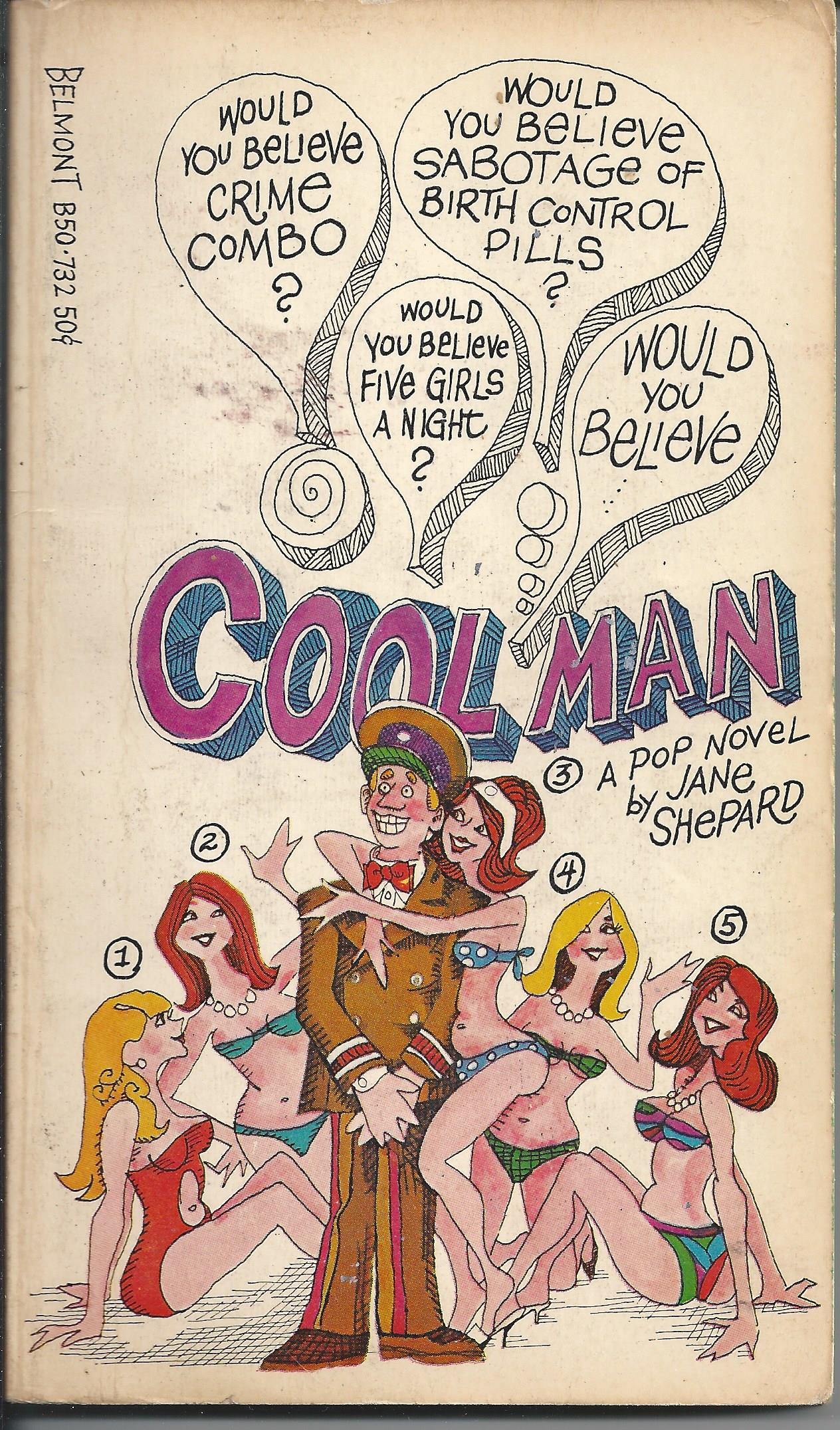



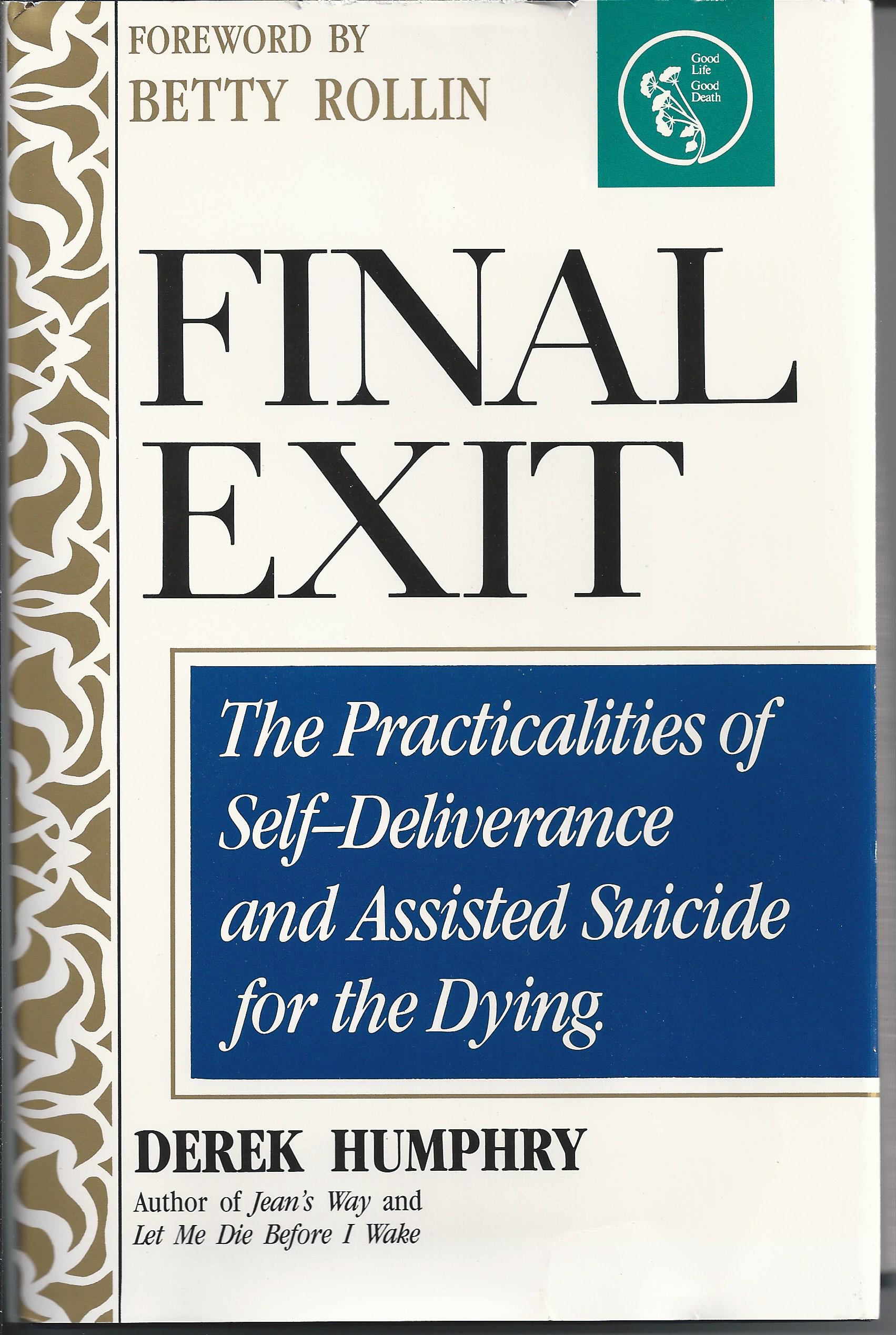
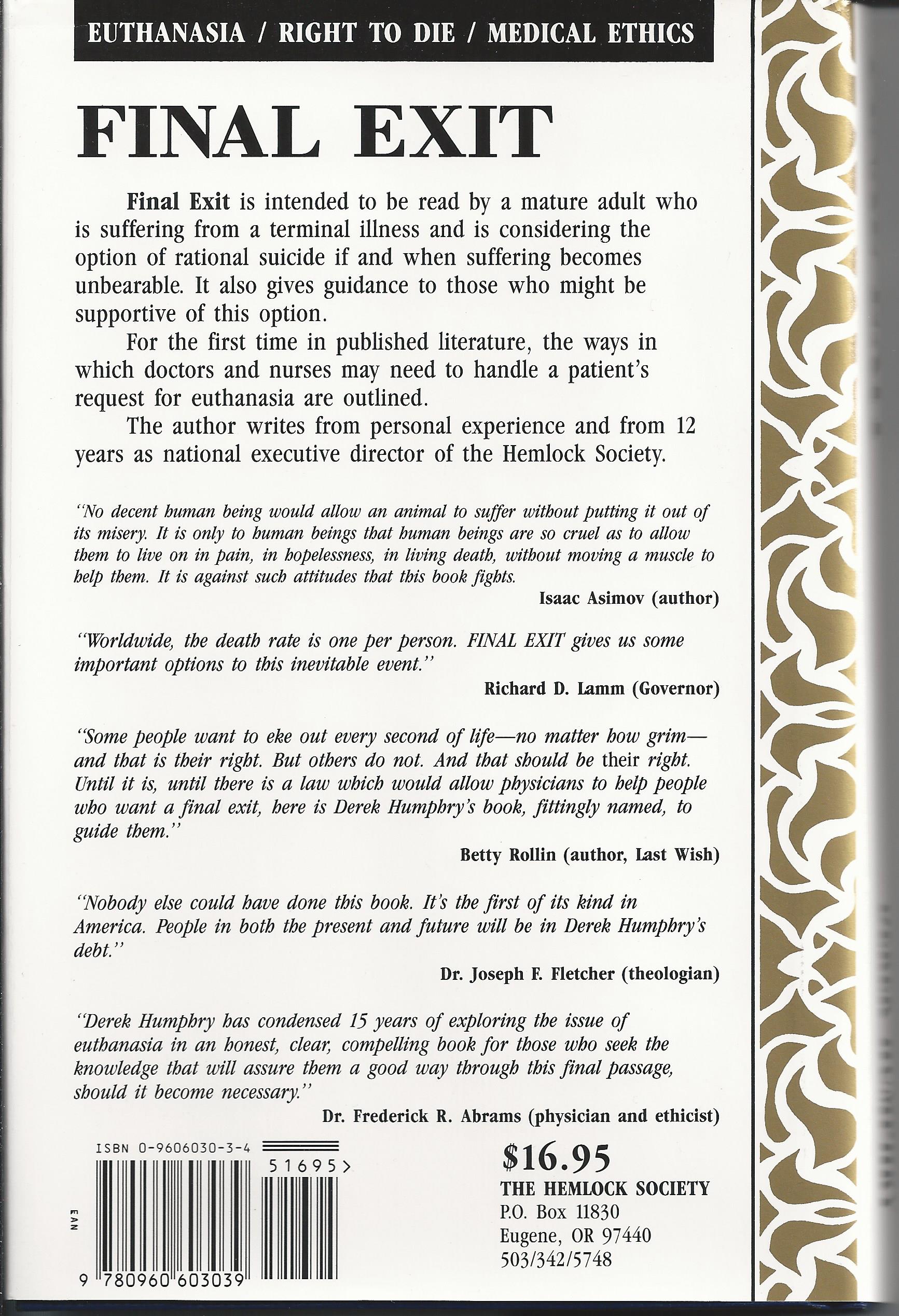


My introduction to managing expectations:

His latest correspondence, dated Sun 3/10/2013 6:20 PM:
Dear Friends,
For some reason, I have been reflecting on the ways in which I have been particularly fortunate in my life (compared with the vast majority of humankind), and also on a few things I still regret. And now, for some reason, I want to share them with you.
MY GOOD LUCK:
That I have remained relatively healthy throughout my life.
That all my physical measurements are relatively average.
That my native language is English.
That I was born male, Caucasian, and heterosexual, at a time and in a society in which these were all advantageous.
That my family name, Brilliant, is unusual, meaningful and memorable.
That I had parents who cared for me and tried to do their best for me.
That I have had little personal experience of poverty, war, or violence.
That I lived through World War II as a child, which has made all subsequent world events seem by comparison less terrible.
That I was gifted with intelligence and a talent for verbal expression.
That I had the extraordinary experience of teaching on a “floating university,” sailing twice around the world.
That I was able to make a career out of marketing my own thoughts.
That at different times in my life the right people have been there for me. Particularly:
My uncle Marsh Adler, who sponsored my emigration to California;
Netter Worthington of Chapman College who hired me for the shipboard teaching position.
John Henderson, a newspaper man, who financed the first printing of my postcards;
Howard Weeks, whose firm of Woodbridge Press published all my books;
My wife Dorothy, who encouraged my creative work, and facilitated it by managing all my business affairs for many years.
Jack Rodenhi and Geoff Canyon, whose generously shared computer expertise made possible the availability of my work in digital database form.
And, just to balance the books, here are some of my
BIGGEST REGRETS.
That I hardly ever had a teacher whom I considered really good.
That I have never (thus far) learned to play even one musical instrument or speak even one foreign language.
That I failed to get into Oxford or Cambridge.
That I spoiled my own chances of becoming one of the local Santa Barbara beach art exhibitors (by refusing to conform to their standards of “art,” which didn’t include printed postcards.)
That I failed in my effort to become Poet Laureate of Santa Barbara.
That, especially in my later years, I have never been part of a group of close friends.
That Dorothy and I never did anything with the land we have owned in Australia since 1973 (such as my idea of building a tower on it.)
That I was never able to help my sister Myrna have a better life.
That all the people I’ve been closest to have been those I’ve been least able to influence.
That my creative achievement has never yet been formally recognized at any high academic or cultural level (let alone receiving the Nobel Prize for Literature!)
All the best,
Ashleigh Brilliant
How many of us do something against our wishes because it’s our “job”?
How many of us go against the wishes of others because it’s our destiny?
Yesterday evening, my wife and I drove to a food store chain called “Cheeburger Cheeburger” because a day or so before we had listened to “50s on 5,” a satellite radio station dedicated to the popular American rock’n’roll music of the 1950s, which put me in the mood for a ’50s style eatery.
Delayed gratification had us sitting at a two-topper, recently cleaned off by Russell.
Courtney took our food order and Mayra brought us our food.
As we were close to finishing our delicious ground-up cow meat patties on buns and basket of frings (sliced/fried onions/potato), a large group of teenagers entered all cheery, bright-eyed and photo-happy, obviously not having eaten at this particular fine dining establishment before.
Of the group of 27, four young lads sat next to us, one wearing a T-shirt with the words “KEEP CALM I’M THE DOCTOR” emblazoned below the emblem of a old telephone booth, affectionately known as the time machine called the Tardis to fans of an internationally-popular show on the tellie called “Doctor Who.”
The young gentlemen were quite polite, informing my wife, upon her inquiries, that they haled from across the Big Pond in a small burgh called Birmingham (pronounced BIRM’ing-hum as opposed to our local town we call Birmin-HAM’).
They and their pals had enjoyed a good time at the U.S. Space and Rocket Center before being whisked off to the local shopping extravaganza known as the Madison Square Mall.
In like fashion to my wife’s curiosity, satisfying us that they were interested in a future career of engineering when they entered university (one favouring mechanical engineering and the other civil engineering), they pressed us for our favourite fast food joint.
As we hemmed and hawed, they informed us that they had the international fast food chains such as McDonald’s in Great Britain but not ones like Wendy’s.
I told them I believed my favourite place is Steak ‘n Shake, similar to Cheeburger Cheeburger but without the one-pound special, closer in style to my alltime favourite, Pal’s, which was too small for them to know about. My wife believed her favourite is In-N-Out Burgers, which is concentrated on the West Coast.
The young men told us they were still in secondary school and that one of their chaperones, a woman with pink stripes in her hair, was their physics teacher whose specialty is astrophysics.
We wished them well and told them we hoped to meet them on the International Space Station one day, imagining these guys and their friends the future of space exploration and settlement.
After all, the enthusiastic pursuits of our youth often encourage us to expand our horizons.
These young men, some of them wearing what I believe to be the head gear of the Sikh religion, are part of our future, going on into fields of science and engineering along with their colleagues of many races, religions, genders and backgrounds, inventing new ways of observing our universe that we hardly imagine possible today.
I am happy that our ancestors put us on the path for Americans and Brits to meet at a small restaurant tucked into a shopping centre in the south part of Huntsville, Alabama, USA, Earth.
Even as early as 25 years ago, I would not have thought it possible for us to meet like that.
Fifty years ago, not long after I was born, it was practically impossible.
Can you see how much progress we’ve made, how much farther we’ll go in 25 and 50 years from now?
Can you see why I don’t believe in secret societies and never chose to belong to one, even though I know they still exist and contribute in part to my being here today?
When you want honey, do you make the bees angry before you pull out a piece of the hive?
The universe is here because I am here just like a paper cone is only paper until it is a speaker and what is a speaker without an audience?
Take two groups:
Both groups believe in the betterment of their respective societies/[sub]cultures.
However, a little problem occurs when one group uses the other’s subcultural norms for advantages within their own group.
Is it miscommunication? Misappropriation?
How do they, together, benefit our whole species?
Because I believe the universe is here because I am here, I want, as long as I am happily able to think so, the species, our species, within our Earth-based ecosystem that has nurtured us for thousands, no, billions of years, to use this brief period of peaceful coexistence with the rest of the solar system to expand into the galaxy.
When I am gone, the universe is gone and none of this will matter to me because my set of states of energy as a recognizable entropic confluence will disperse but remain temporarily as memories in a small number of members of our species and even smaller number of members of other species, barely a footnote in the yellowed pages of old newspapers.
Does the universe make me happy as is?
I have learned that very few people change their behavioural patterns when allowed to wallow in their sorrow or anger, let alone convince other, happy, people to join them.
Yet, happiness for its own sake, like art and humour, does what, exactly?
If burning down a forest makes me happy, there will be a lot of people and members of other species who disagree, adamantly so.
If destroying an economy makes me happy, there will be a lot of people who agree as well as a lot who disagree.
What kind of happiness should we attain?
After all, we are a competitively cooperative species, sharing and hoarding, fighting and loving, all at the same time.
Our lives are short in length, some brighter and louder than others, some sadder, some happier, some kinder, some meaner, some in-betweeners.
Is there a shortcut to happiness that makes the universe beneficial to us all, regardless of our physical/mental condition(s)?
We are a nearly-fully connected species, the fractal spinoff of rudimentary central nervous systems, remodeling ourselves on bigger and bigger scales because we have no other workable model against which we positively compare ourselves within the known universe.
We talk about revolutionary and evolutionary changes in our socioeconomic activity on sub-sub-subcultural levels when the grand scheme hasn’t changed one iota: a species competing against itself because of a myopic view of the universe.
We realize, in rare glimpses, that we are part of the universe rather than living in an us-vs.-them scenario, “them” being you/self/God/universe/other.
Rather than bemoan, bedevil and punish people who hack computers/life/universe, let us look at the hacks from a species/universal perspective.
What am I gaining from those who circumvent my subcultural norms, the rules, both states and implied, that define me and the people happily living and perpetuating the subculture?
What am I losing, instead?
Can I turn the circumventers on their heads and reverse any damage they’ve caused?
How do I absorb the lessons they learned while they took/stole/[ab]used information from my open society?
Some people like clover honey and some people like sourwood honey.
How we get to the honey without disturbing the bees is the first step for any one of us to feed our wide variety of happy tastes and preferences.
 treetrunkdings