While I turn my front yard into an art exhibit using live plants and animals, as well as found objects, I’ve got a question in my thoughts that begs for a simple answer, although I’ve yet to find one:
What is the relationship between the most common products/services and their cost and how is that reflected in the characteristics of subcultural living habits (which are indirectly related to cost of living and standard of living)?
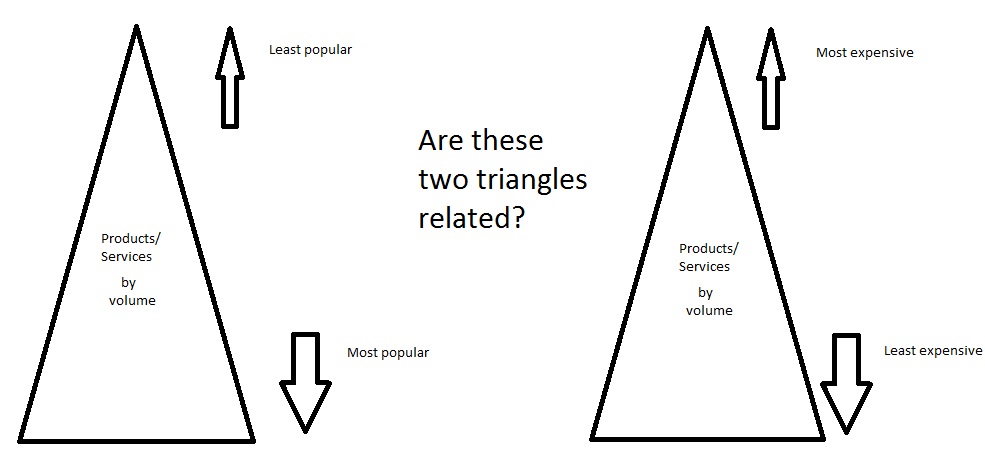
Everyone drinks water but we don’t all pay for water by volume.
Not every subculture uses toilet paper for bodily waste elimination cleanup, but for those that do, is there a cost/volume relationship in this basic commodity?
In our breakdown of people by their economic wealth, what is the tradeoff in terms of the perception of quality?
Most importantly, for all the questions above, why?
Is there a nature/nurture aspect to any of these questions?
As the sets of states of energy reproduce themselves offworld, how do we maintain a certain level of cost/benefit analysis in every set’s thoughts/actions, such that waste/inefficiency is minimised or completely eliminated in situations where excess production cannot be avoided temporarily?
Bottom line: how will supply-and-demand mentality play into the success rate of an offworld colony’s growth?
Will scarcity automatically lead to a higher social cost?
Three types of storytelling: show, tell, ask the audience…
 treetrunkdings